
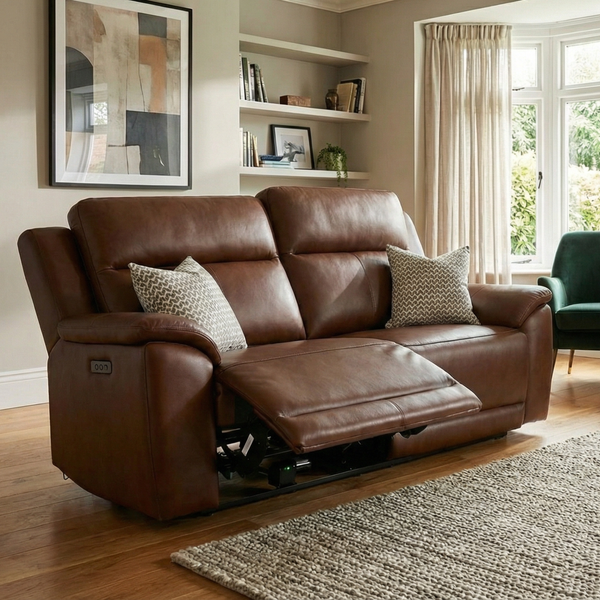
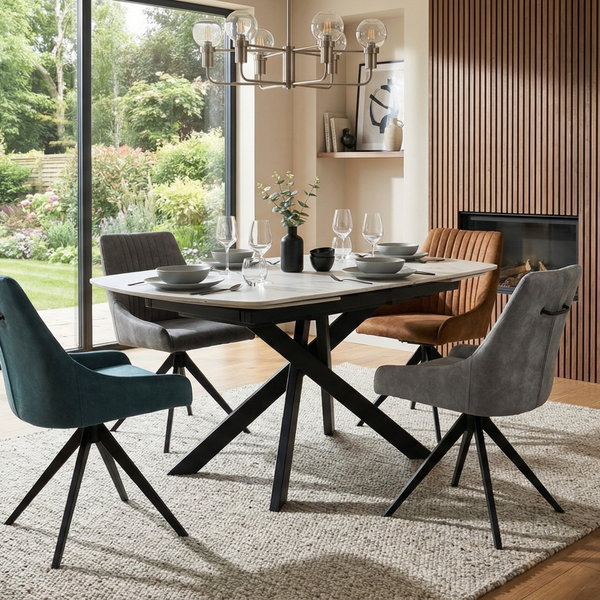
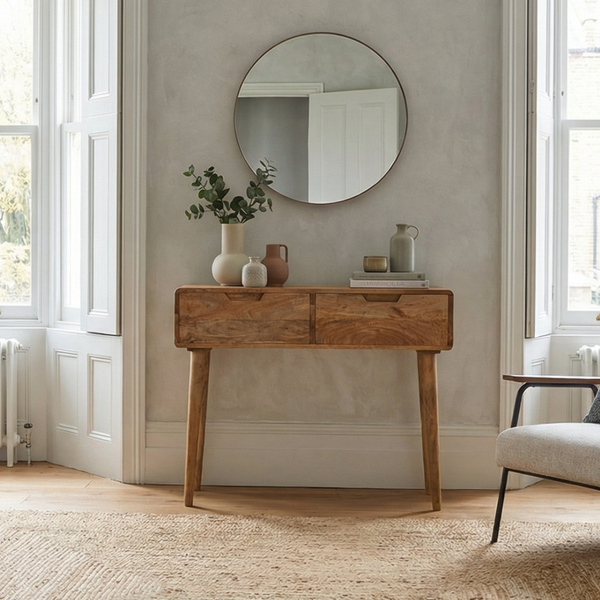
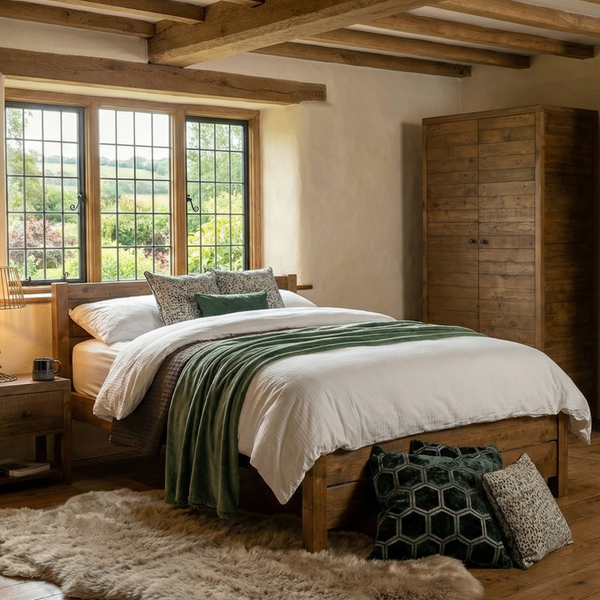
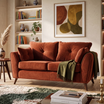
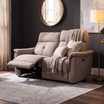
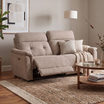
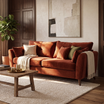

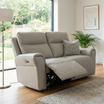

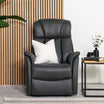
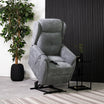
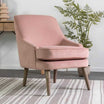
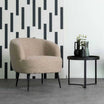
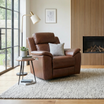
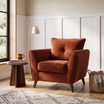














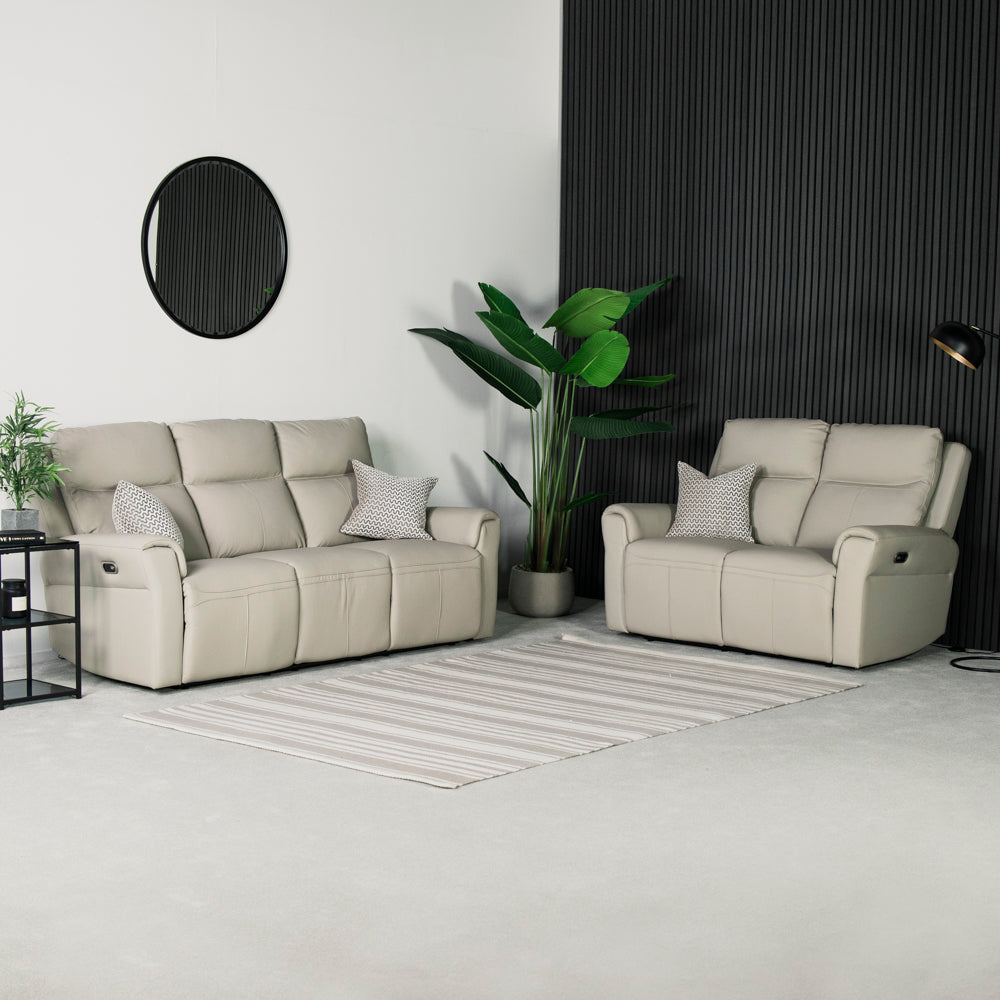
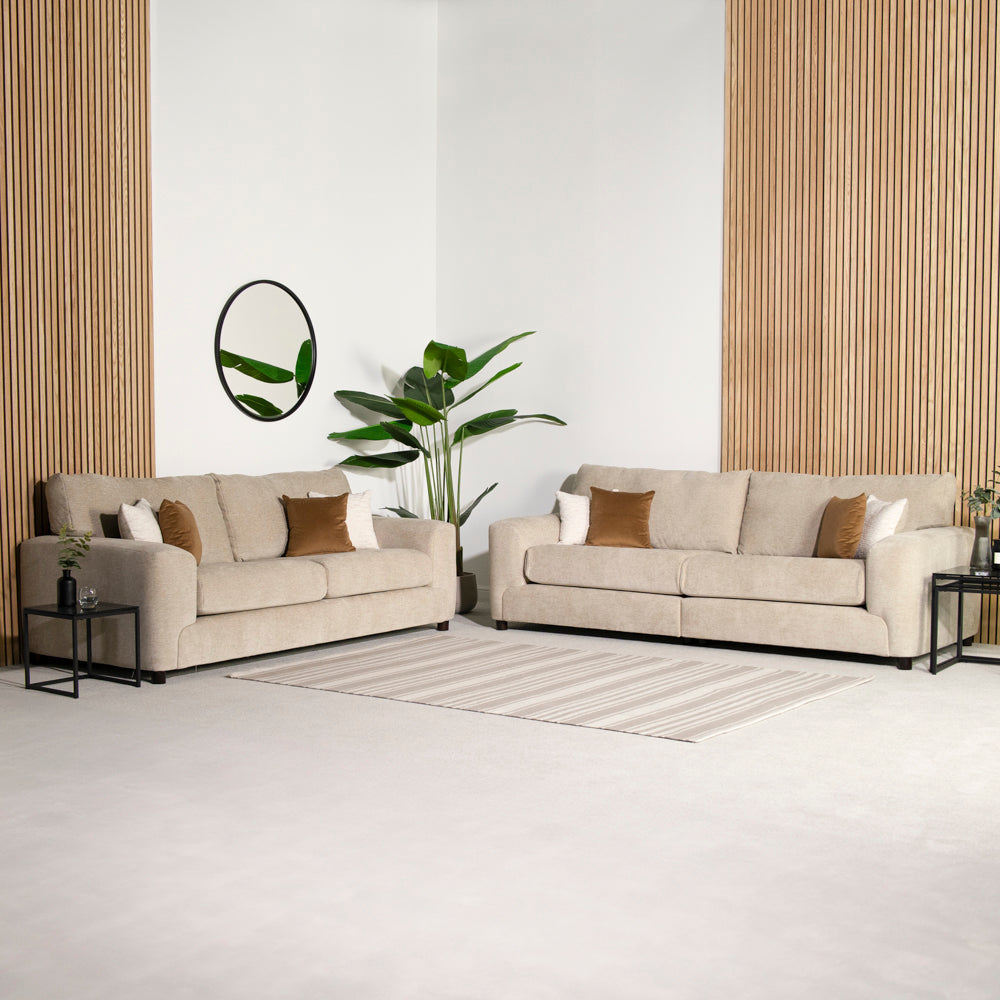
You’ve finished a long day and are staring at your living room. Do you want furniture that looks like a magazine cover, or a couch that feels like a warm hug? Choosing between recliner sofas and standard sofas essentially boils down to balancing a pretty room against a comfortable body. In practice, design experts recommend basing this major investment on whether you primarily sit upright to host guests or immediately kick back to lounge.
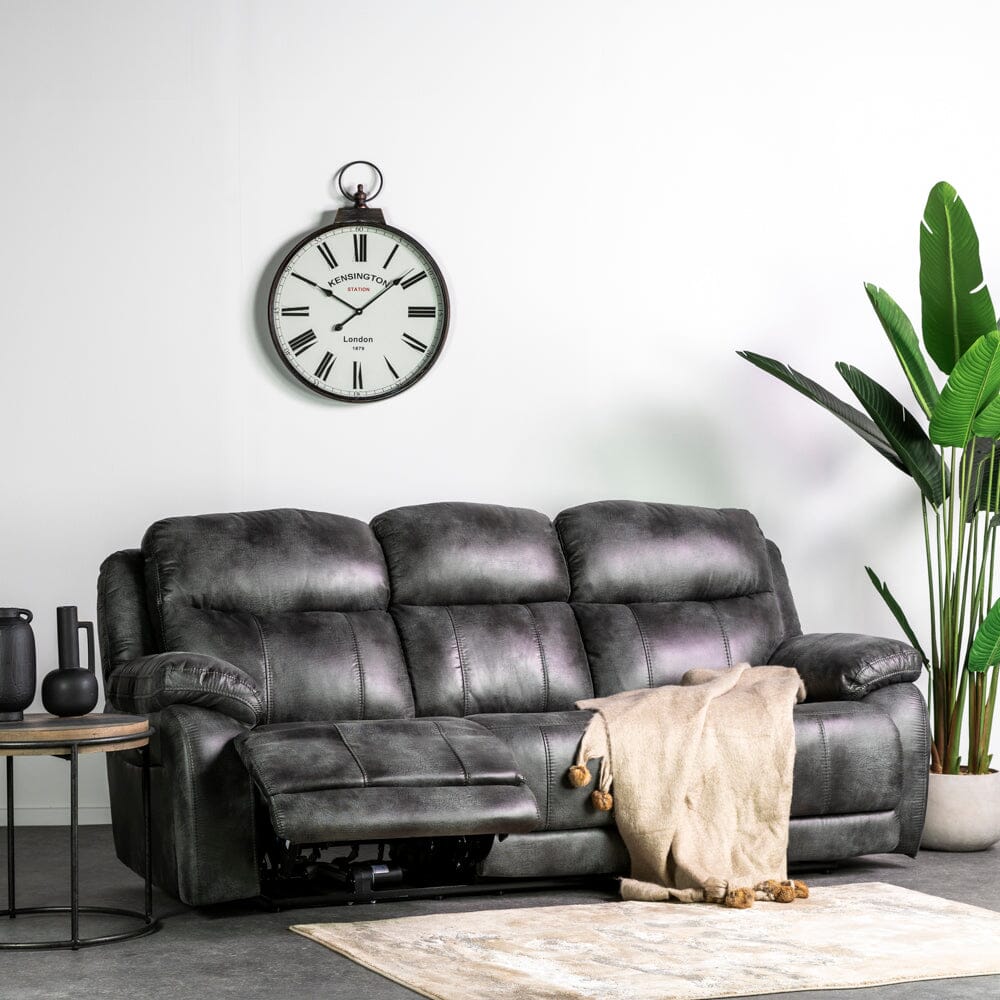
Going beyond aesthetics, motion furniture requires careful physical planning. Because recliner sofas mechanically extend, they demand extra walking space to operate smoothly. Buyers must also consider long-term maintenance, since stationary options feature solid frames with fewer moving parts to eventually wear out.
Manual vs. Power Reclining: Choosing the Best Mechanism for Your Energy and Budget
Deciding how your chair leans back is just as important as how it looks. When comparing manual vs power reclining mechanisms, you are choosing between two distinct internal systems. Manual chairs rely on manual tension adjustment, where pulling a lever lets your body weight push the backrest down. Conversely, power models use motorised actuators—working exactly like the electric seats in your car—to do the heavy lifting for you.
To figure out which style fits your daily routine, weigh these three factors:
- Cost: Manual options save money upfront, whereas power models require a larger financial investment.
- Reliability: Manual frames have fewer electrical moving parts that can burn out or break over time.
- Ease of Use: Power chairs provide infinite lounging positions and represent the best living room seating for elderly mobility, lifting tired legs without physical effort.
Before choosing a motorised model, remember it must sit near an electrical socket.
How to Measure for Clearance Without Scuffing Your Walls

Grab a tape measure and practice measuring floor space for recliner clearance when the footrest is fully raised in "nap mode." Always leave a clear three-foot walking path around the extended chair so nobody trips.
Back Pain and the Zero-Gravity Myth: Can Your Sofa Improve Your Health?
Finding this pain-free posture requires specific ergonomic lumbar support features. Test these four essentials before buying:
- Lumbar support: Fills your lower back's natural curve.
- Headrest tilt: Keeps your neck straight while watching television.
- Firm foam: Stops you from sinking too deeply.
- Footrest height: Supports ankles without digging in.
Durability Secrets: Why Kiln-Dried Frames and High-Density Foam Outlast Cheap Alternatives
Beyond the wooden skeleton, comfort relies entirely on foam density. This rating measures how tightly packed the cushion material is. For true longevity, demand a 1.8-pound rating or higher. Cheaper foam quickly causes "bottoming out"—that awful feeling of sinking right through the padding to the hard frame.
Modern Style vs. Traditional Bulk: Finding the Middle Ground in Design

Setup is another major factor when comparing furniture weight and portability. A massive recliner is heavy, but choosing a modular sectional vs a traditional three-seater solves this beautifully. You can easily unlatch individual modular sections for stress-free moving or rearranging.
Maintenance and Longevity: Keeping Your Motion Furniture Moving Quietly
Keeping your investment quiet requires this simple checklist:
- Clearing debris: Check metal tracks for hidden objects.
- Tightening bolts: Secure hardware to prevent frame wobbling.
- Lubrication: Apply silicone-based spray to squeaky metal joints.
The Final Sit-Down: A 4-Step Checklist for Your Big Purchase
Head to the store and commit to a 15-minute sit test to truly feel the support. You can now confidently choose between the comforting hug of a recliner and the crisp look of a standard frame.

Leave a comment
This site is protected by hCaptcha and the hCaptcha Privacy Policy and Terms of Service apply.