
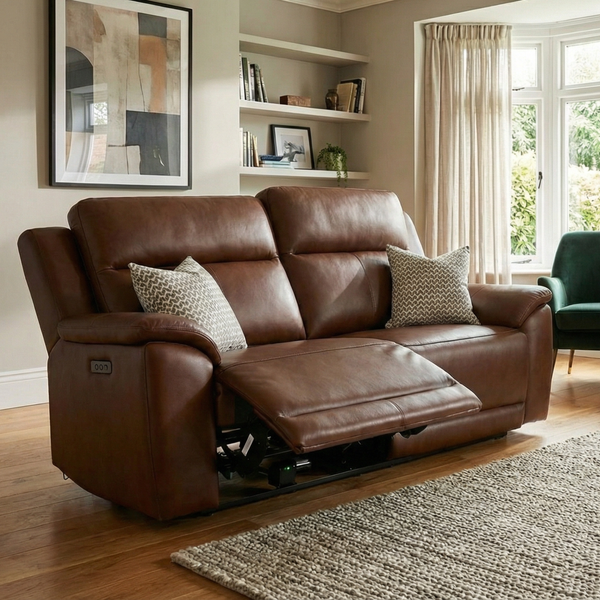






























Investing in a new sofa is one of the most significant furnishing decisions you will make for your home. As the absolute centrepiece of your living room, it is where you will unwind after a long day, entertain guests, and perhaps even enjoy a weekend afternoon nap. Consequently, you are bound to face the age-old debate: Leather Sofas vs Fabric Sofas.
Both options offer a distinct set of aesthetic and practical advantages, and the right choice ultimately depends on your household’s lifestyle, budget, and personal taste. To help you make an informed decision, this comprehensive guide will break down the fundamental differences between leather sofas and fabric sofas, comparing everything from daily maintenance and comfort to long-term value.
Comfort, Temperature, and Cosiness
When we think of relaxing, comfort is the ultimate priority. However, comfort is subjective, and both upholstery types offer vastly different tactile experiences.
Fabric sofas are widely praised for being immediately inviting. The soft texture of woven fabrics creates an undeniably cosy environment, making them a popular choice for families. Conversely, leather has a reputation for being slightly firmer at first, though high-quality hides become wonderfully supple and adapt to your body over time.
Temperature regulation is another vital factor. A frequently asked question among British homeowners is: are leather couches cold in winter? The truth is, genuine leather is a porous, natural material that quickly warms to your body heat. While it might feel slightly cool to the touch in an unheated room, it adjusts rapidly. If you are particularly sensitive to winter draughts, layering your seating with a few textured throws easily solves the problem.
On the other hand, finding breathable seating options for warm climates or stuffy summer days is equally important. Natural fabrics like cotton and linen blends excel in high heat, allowing air to circulate freely. To ensure maximum relaxation regardless of your upholstery choice, you must also consider the comfort level of different cushion fillings. A sofa wrapped in premium leather or soft velvet will still feel unsupportive if filled with cheap foam. Opt for high-resilience foam, feather wraps, or a blend of fibres to ensure your seating retains its plush, supportive feel for years.
Durability and Lifespan

Leather, by contrast, is renowned for its incredible longevity. A well-cared-for leather sofa can easily last twenty years or more. When comparing the durability of microfiber vs genuine leather, the results are quite fascinating. Microfibre, a synthetic fabric tightly woven to resist wear and tear, is incredibly robust and often outlasts traditional natural fabrics. However, genuine leather still takes the crown for sheer endurance, as it is inherently tough and resistant to tearing.
The Best Choice for Homes with Pets
Because it does not trap pet hair or absorb odours as quickly as woven textiles, leather is often highly recommended. However, cat owners need to be particularly mindful. A scratch resistance comparison for cat owners reveals that while cats love to sink their claws into the loose weaves of tweed or linen, a smooth leather surface might not tempt them as much. That said, if a cat does scratch a leather sofa, the puncture marks are permanent. Tightly woven synthetic fabrics, such as velvet or microfibre, are often the safest middle-ground for households with felines, as they lack the woven loops that snag easily.
Health, Hygiene, and Allergy Management

If you are leaning towards fabric, you must be proactive about the dust mite resistance in upholstery materials. Dust mites thrive in the dark, warm fibres of traditional fabric sofas. To combat this, choose synthetic blends which are slightly more resistant than natural cottons, and commit to a rigorous routine of weekly vacuuming using an upholstery attachment with a HEPA filter.
Maintenance, Cleaning, and Care
Caring for Fabric Sofas
To mitigate these risks from day one, look into stain resistant fabric treatment options. Many modern fabric sofas are available with performance treatments, such as Scotchgard or inherent liquid-repellent technology baked into the yarn. These treatments cause liquids to bead on the surface, buying you precious time to wipe them away before they soak in.
Caring for Leather Sofas
As genuine leather ages, it develops a beautiful, soft sheen. Maintaining top grain leather patina involves regular, gentle dusting with a microfibre cloth and using specifically formulated leather creams rather than harsh household chemicals, which can strip the protective finish and ruin the natural character of the hide.
Budget, Value, and Environmental Impact

Modern consumers are also increasingly aware of sustainability. If you are trying to furnish your home responsibly, an eco-friendly upholstery material guide can steer you in the right direction. For fabric lovers, seek out textiles made from recycled polyester, organic cotton, or naturally sustainable hemp. If you prefer leather, look for suppliers who utilise vegetable-tanning processes rather than toxic chromium-tanning, and ensure the hides are a by-product of the farming industry to minimise your environmental footprint.
Making the Final Decision
Take a moment to assess the daily demands of your household, your long-term aesthetic goals, and your cleaning habits. By aligning these practical considerations with your personal design preferences, you are guaranteed to select a sofa that not only looks stunning but serves as a comfortable, welcoming haven for many years to come


Leave a comment
This site is protected by hCaptcha and the hCaptcha Privacy Policy and Terms of Service apply.