
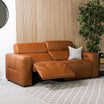
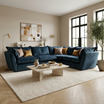
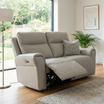
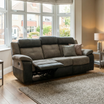
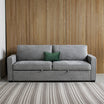
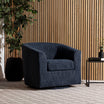
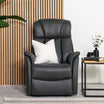
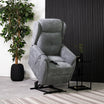




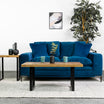
When furnishing a home, few decisions are quite as pivotal as selecting your primary seating. The sofa is the undeniable heart of the lounge—the place where we unwind after a long day, entertain our dearest friends, and occasionally catch forty winks on a Sunday afternoon. However, before you get swept away by luxurious velvets or modern silhouettes, you must face the classic furniture dilemma: 2 Seater vs 3 Seater Sofas.
Making the right choice goes far beyond simply picking a favourite colour. The size of your settee dictates the flow, functionality, and aesthetic balance of your entire living room. In this comprehensive guide, we will break down the practicalities of both sizes, explore clever layouts, and help you determine exactly which option is right for your home.
Understanding Sofa Sizes and Proportions
Before you can confidently select the perfect piece of living room furniture, it pays to understand the physical footprint of your options. While sizes vary between manufacturers, having a baseline is essential for planning your space.
Standard 2 Seater Sofa Dimensions
A typical two-seater is designed to comfortably accommodate two adults. The standard 2 seater sofa dimensions usually fall between 130cm and 175cm in width, with a depth of around 85cm to 100cm. When choosing between loveseat and sofa options, remember that a loveseat is essentially a smaller 2-seater (often around 120cm to 130cm wide), perfect for a single person who wants extra room, or a very snug couple.
Standard 3 Seater Dimensions
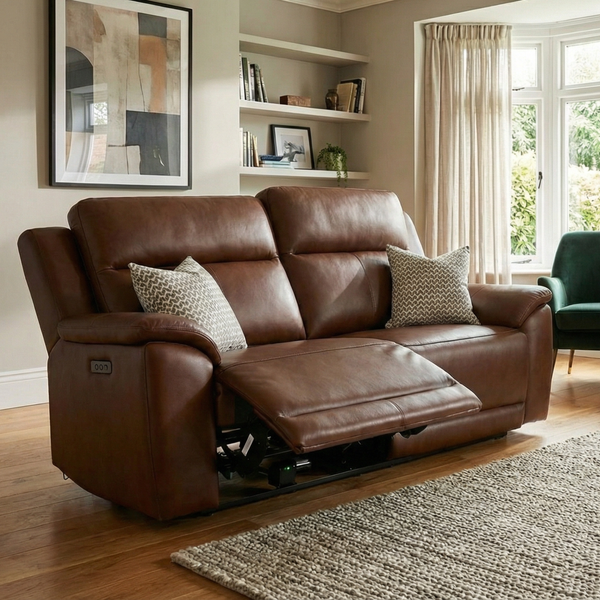
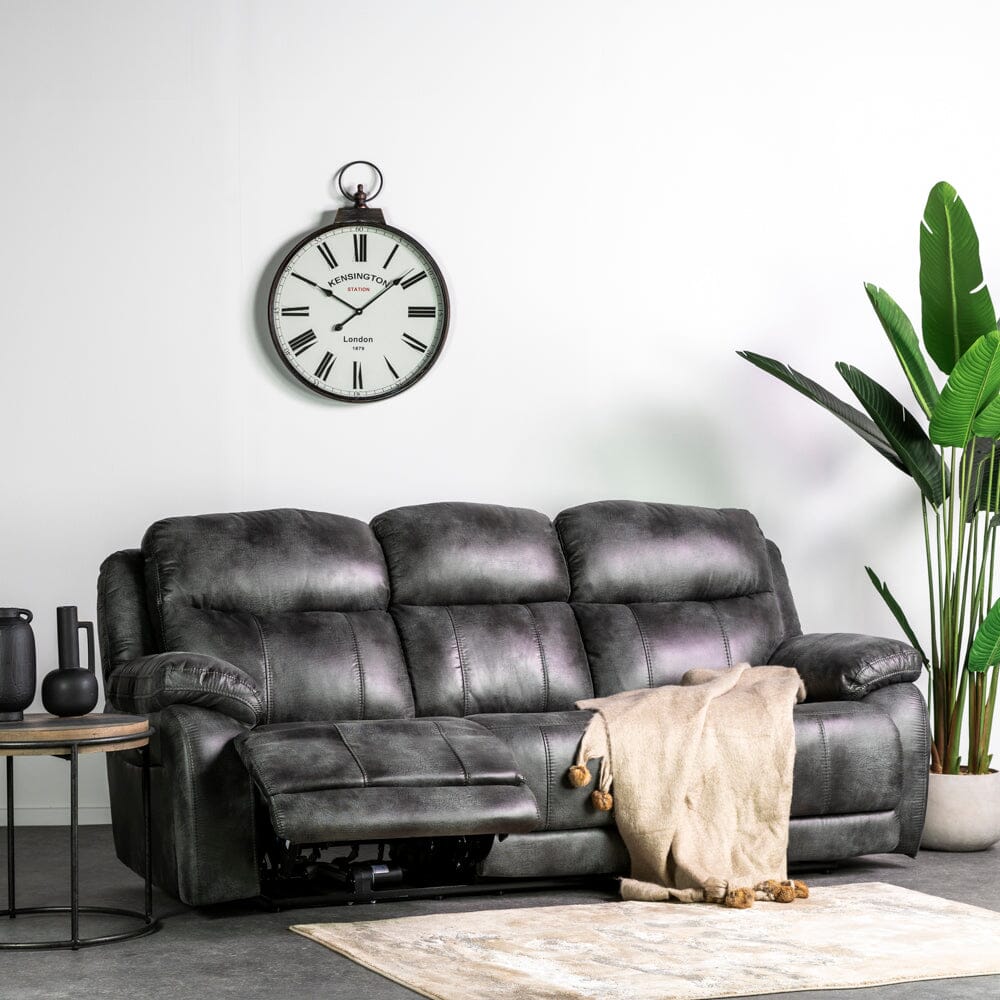
A three-seater, conversely, offers a significant upgrade in seating real estate. These sofas generally range from 180cm to 240cm in width. That extra half-metre completely transforms the dynamic of the room. It is important to note that the depth and height of a 3-seater usually mirror those of a 2-seater; it is purely the width that changes.
The 2 Seater Sofa: Cosy and Compact

Maximising Small Spaces
Weighing Up the Pros and Cons
- Pros: They boast excellent manoeuvrability, take up minimal floor space, fit neatly into bay window alcoves, and pair beautifully with contrasting accent chairs.
- Cons: The most obvious drawback is the limited seating. If you frequently host gatherings or have a growing family, a single 2-seater will quickly prove insufficient.
The 3 Seater Sofa: Room to Stretch Out
 If you are fortunate enough to have the square footage, a larger settee often feels like the most natural choice. It acts as a powerful anchor for your living room and offers undeniable luxury.
Perfect for Families and Nappers
A question frequently asked by buyers is: Is a three seater more comfortable than a two seater? While the seat cushions themselves might be made of the exact same foam or down, the experience is often more comfortable on a 3-seater because of the versatility it offers. For those who love to lie flat to watch television or read, a 3-seater undoubtedly provides the best sofa length for napping. It allows an average-sized adult to stretch out completely, whereas a 2-seater will force you to bend your knees or awkwardly drape your feet over the armrests.
Evaluating Your Living Space
How to Measure Properly
- Check the walkways: Ensure you have left a clear pathway of at least 90cm to navigate around the room.
- Coffee table clearance: Leave approximately 40cm to 45cm between the edge of the sofa and your coffee table.
- Visual weight: Consider the height of the backrest. A tall sofa can block sightlines and make a room feel smaller, whereas low-profile couch styles keep the room feeling open and airy.
Planning a Small Living Room Seating Layout
The Delivery Day Checklist
Maximising Seating: Mixing, Matching, and Alternatives

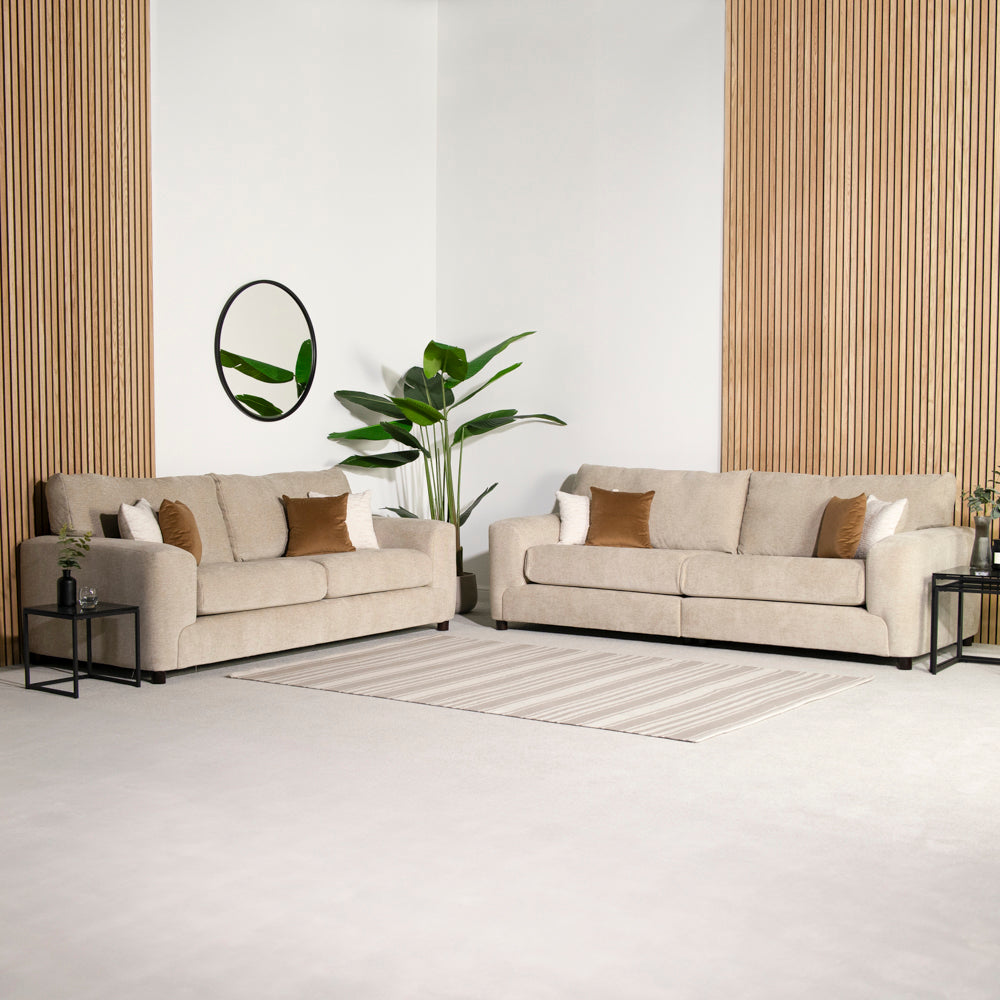
The Classic Suite Setup
Sectionals and Corner Units
- The Corner Sofa: Maximises awkward "dead space" in the corner of a room and easily seats four or five people. It is highly sociable and fantastic for lounging.
- The 3-Seater (plus chairs): Offers far more flexibility. If you decide to move house or simply fancy rearranging your living room next year, a standalone 3-seater and a pair of armchairs can be endlessly reconfigured. A corner sofa, especially if it is asymmetrical, often only fits in one specific spot.
Budgeting and Design Considerations
Because the bulk of a furniture manufacturer's cost lies in the framing, the styling design, and the labour-intensive upholstery process, upgrading from a 2-seater to a 3-seater in the exact same range might only cost you 10% to 20% more. Therefore, if you have the space and are debating between the two sizes, it is often more cost-effective in terms of "price per seat" to invest in the 3-seater.
Choosing the Right Style for Your Size
- Bulky designs: A 3-seater featuring wide, rolled arms (like a classic Chesterfield) and a floor-skimming skirt will visually dominate a space.
- Sleek designs: Conversely, a 3-seater with narrow, track arms, raised off the floor on tapered wooden legs, will appear far lighter. If you are worried a 3-seater might overpower your room, look for mid-century modern or minimalist Scandinavian couch styles to keep the space feeling uncluttered.
The Final Verdict
If you are outfitting a compact flat, trying to preserve valuable floor space, or looking to create an intimate seating arrangement with supplementary armchairs, the 2-seater is your best bet. It is elegant, manageable, and wonderfully cosy.
However, if your living room has the capacity, a 3-seater is a formidable investment. It offers unparalleled comfort for afternoon naps, provides ample room for growing families, and instantly elevates the room’s hosting capabilities.
Take your time, map out your floor plan with masking tape, double-check your doorway measurements, and consider how you actually use your living room on a daily basis. By balancing your practical needs with your spatial constraints, you will easily find the perfect sofa to anchor your home for years to come.

Leave a comment
This site is protected by hCaptcha and the hCaptcha Privacy Policy and Terms of Service apply.