



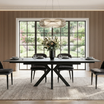
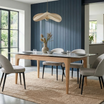

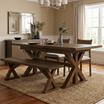
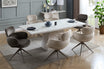





We’ve all survived that awkward festive dinner where overflow guests end up balancing plates on the living room sofa. It highlights a frustrating dilemma: choosing a massive piece that swallows your everyday floor space versus a tiny one that limits your ability to host.
According to furniture industry data, a quality table is a 10-year investment. Therefore, any practical guide to choosing formal dining furniture starts by comparing your everyday "Daily Users" against your occasional "Peak Users" to finally settle the Extendable vs Fixed Dining Tables debate.
True everyday comfort goes beyond the wood itself and requires planning for the "Invisible Zone"—that crucial 36-inch walking perimeter needed around your chairs.
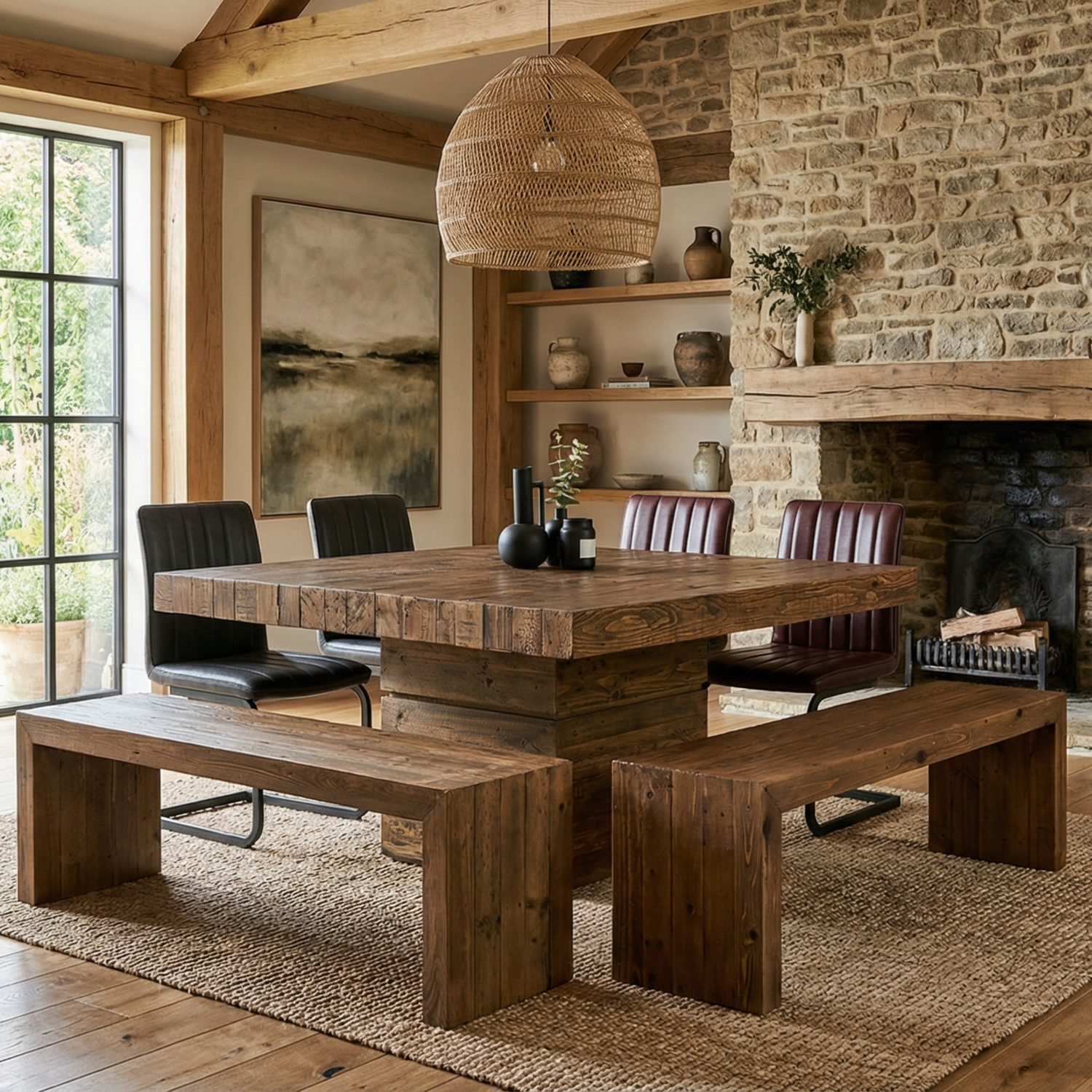
The Unshakable Strength of Fixed Dining Tables: Why Simple is Often Better
Everyday life throws a lot at your dining room. When your table doubles as a home office and a Friday night pizza station, the aesthetic differences of seamless table tops become immediately obvious. Without the dividing line required for an extension, there are no annoying crevices to trap crumbs or snag your kids' homework.
Beyond their sleek appearance, this solid construction fundamentally changes how the furniture handles weight—a concept known as structural load distribution. Because they lack moving parts, fixed tables offer three distinct durability advantages over mechanical ones:
-
They eliminate sagging centres caused by weakened extension glides.
-
They prevent squeaking or wobbling during heavy daily use.
-
They maximise solid wood vs veneer longevity by removing exposed interior edges that frequently chip over time.
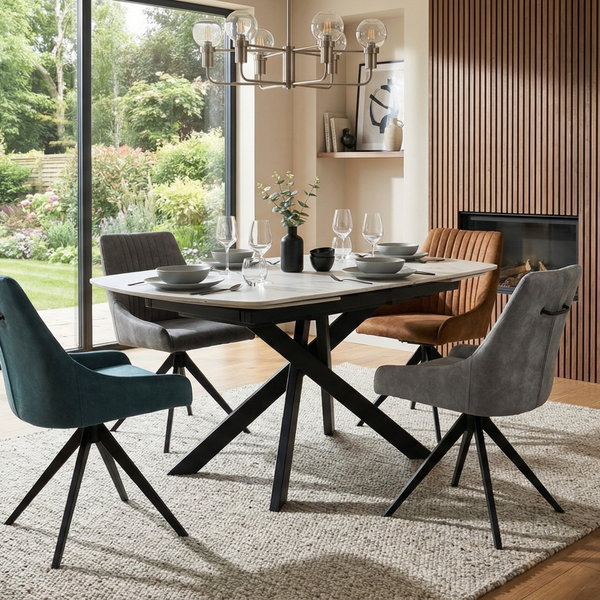
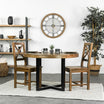
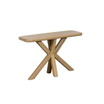
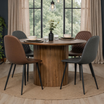
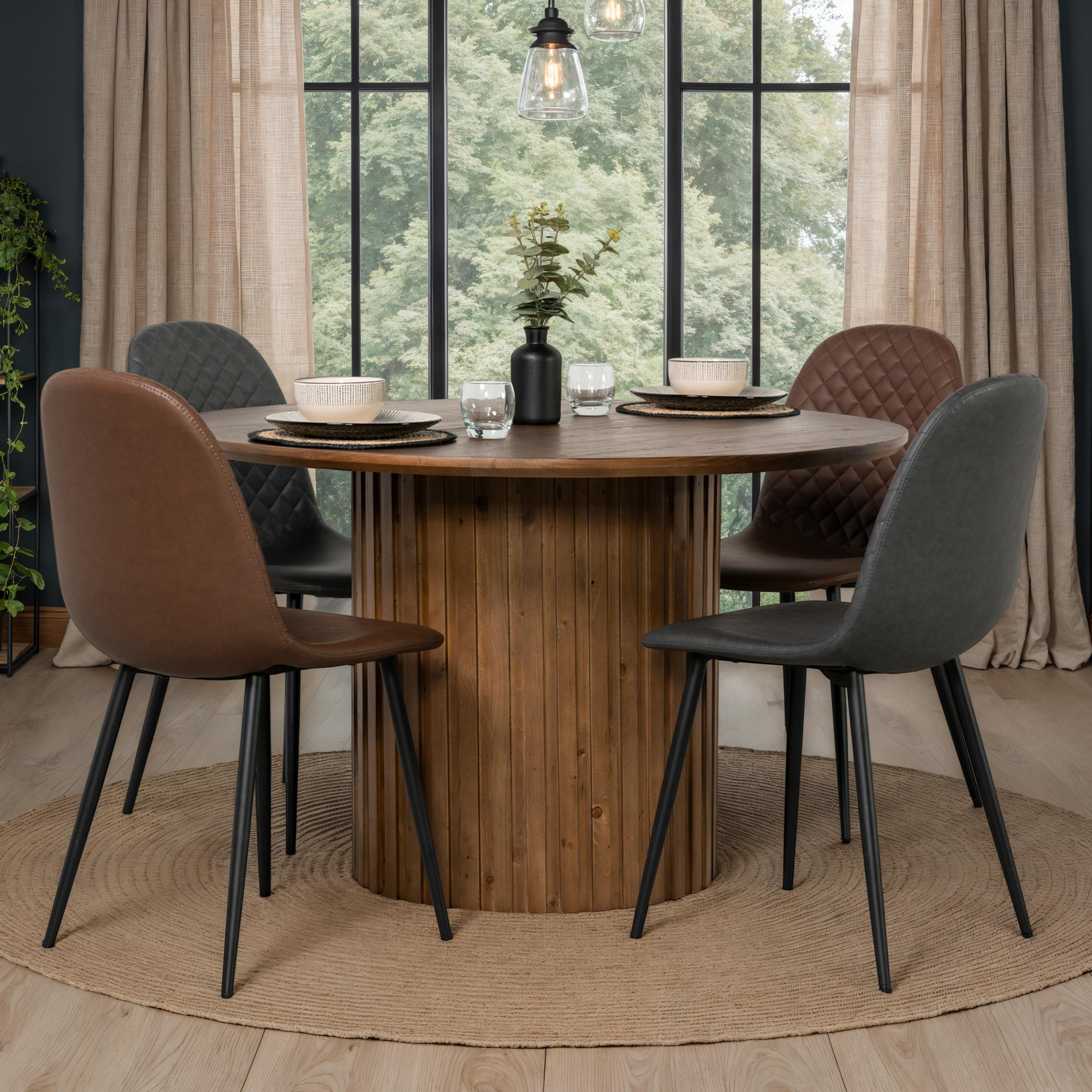
Glancing beneath the tabletop reveals another massive benefit. Relying on the impressive structural integrity of pedestal bases completely eliminates the dreaded "leg-bumping" problem during crowded dinners. This single central support lets you comfortably squeeze in an extra chair without forcing anyone to straddle a wooden corner post.
Choosing a fixed design provides a rock-solid centrepiece for your daily life. But what if your cosy flat occasionally needs to accommodate a massive Christmas feast? That specific challenge perfectly introduces the guest list accordion: how butterfly and manual leaves transform your space.
The Guest List Accordion: How Butterfly and Manual Leaves Transform Your Space
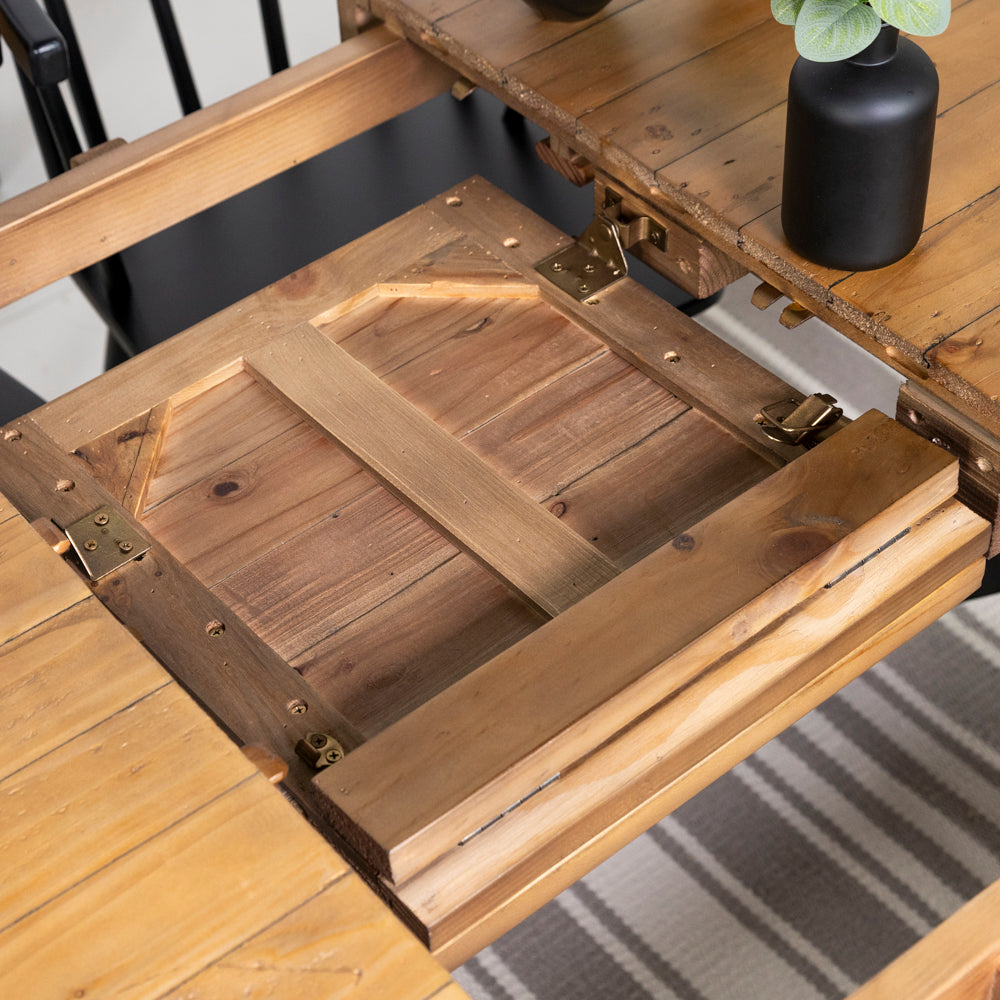
Hosting big dinners often feels like a puzzle, forcing a choice between everyday walking room and festive seating. Adjustable dining tables solve this dilemma by acting like a guest list accordion, expanding only when extra company arrives. The magic happens directly beneath the wood, where hidden tracks allow the top halves to pull apart and make room for an insert.
Sliding those ends apart relies on a mechanical system requiring minimal but essential care to survive years of daily use. Maintaining internal hardware of slider tables simply means wiping dust from the wooden or metal glides twice a year and applying a quick spritz of silicone spray. You can spot a high-quality track in the store if it glides open smoothly by yourself, without requiring a frustrating two-person tug-of-war.
Once the table is open, you need to fill that empty gap. Your choice usually comes down to three main expansion types:
-
Manual Leaves: Separate wooden boards requiring dedicated cupboard space, making them ideal if you only host occasionally.
-
Butterfly Leaves: Hinged panels that fold in half, providing brilliant hidden storage for extra table leaves directly inside the furniture itself.
-
Drop Leaves: Side flaps that hang down on hinges, meaning comparing butterfly leaf vs drop leaf mechanisms is really about choosing between hidden central inserts and visible folding edges.
Choosing the right extension style depends entirely on whether you have a spare cupboard for manual inserts or need everything tucked neatly on board. However, a table that beautifully stretches to seat ten requires a dining space capable of handling its maximum footprint.
Master the 'Invisible Zone': Maths for a No-Stubbed-Toe Floor Plan
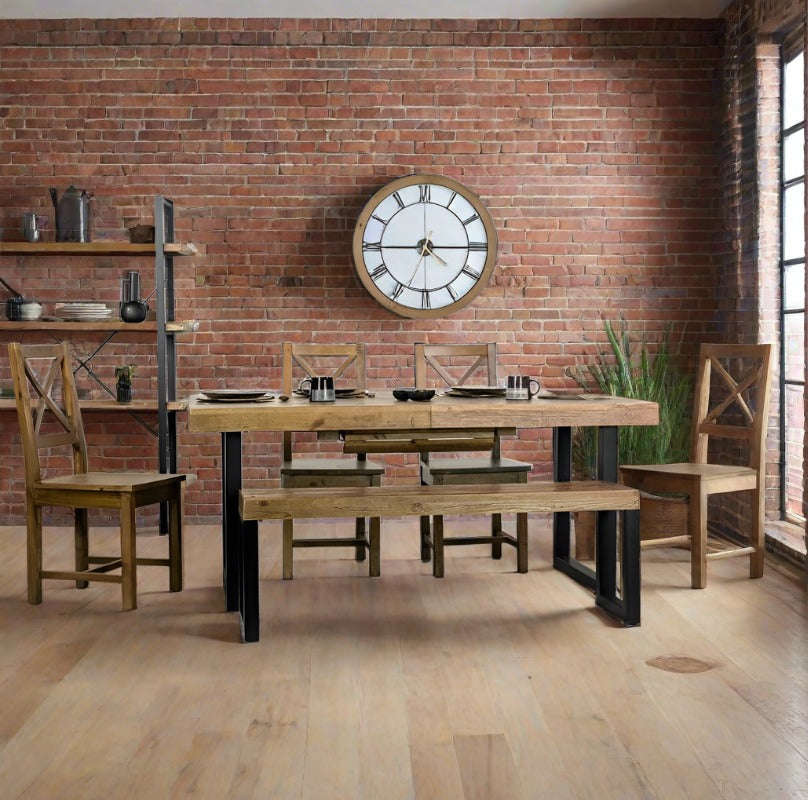
Cramming a gorgeous dining table into a tight space forces everyone to squeeze sideways just to reach the kitchen. To avoid this common mistake and keep your doors accessible, you must account for the "Invisible Zone" - the empty space required around your furniture. Figuring out how to measure dining room clearance is simple: you need a strict minimum of 36 inches between the table's edge and the nearest wall. This three-foot buffer creates a comfortable walking zone behind seated guests, ensuring nobody feels trapped against the wall.
Once you subtract that 36-inch border from your room's total dimensions, the space left over dictates your maximum table length. Knowing the seating capacity for standard table sizes helps you match that available footprint to your actual guest list without guessing. Use this quick baseline to calculate your seating:
-
5-foot table (60 inches): Comfortably seats 4 to 6 people.
-
6-foot table (72 inches): Perfect for seating 6 to 8 people.
-
8-foot table (96 inches): Easily accommodates 8 to 10 guests.
Hitting these exact numbers can be tricky, especially when maximising floor space in small flats where every single inch matters. If your fully extended dream table encroaches on that essential walking zone, you might need to reconsider your everyday needs. Balancing these measurements ensures your final choice matches your home's layout.
The Final Verdict: Matching Your Choice to Your Home’s Layout
You no longer have to cross your fingers and hope your dining space works. You now know exactly how to match your furniture to your reality. Fixed tables are the ultimate choice for "stability seekers," while extendable dining tables serve as "social chameleons" that adapt on demand.
Before pulling out your wallet, run through this three-question gut check:
-
Does your "Peak User" count actually justify the extra cost of expansion hardware?
-
How did your room handle the "Festive Stress Test" when extra guests arrived?
-
Is there a true 36-inch walking clearance for expandable dining tables when fully open?
Next, implement a simple three-step action plan: tape the maximum table dimensions onto your floor, verify your everyday seating needs, and secure a storage plan for your leaves. This ensures you select the ideal functional furniture for open concept layouts without sacrificing daily traffic flow.
Start with that simple floor-taping exercise to see immediate results and build your layout confidence. You are now ready to invest in a table that perfectly supports your real life, Tuesday night homework and Christmas feasts included.

Leave a comment
This site is protected by hCaptcha and the hCaptcha Privacy Policy and Terms of Service apply.