
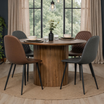
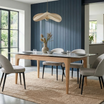
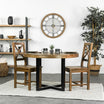
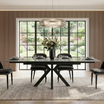

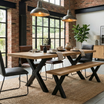
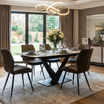

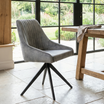
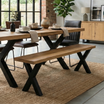


Whether you're furnishing a home bar, styling a kitchen island, or refreshing your dining space, choosing the right bar stool can make all the difference. With so many styles, materials, and sizes available, it's easy to feel overwhelmed. This comprehensive bar stools buying guide from FW Homestores is here to help UK shoppers make confident, informed decisions in 2026.
Understanding Bar Stool Types
Before diving into dimensions and décor, it helps to understand the broad categories of bar stools available on the market today.
Swivel Bar Stools
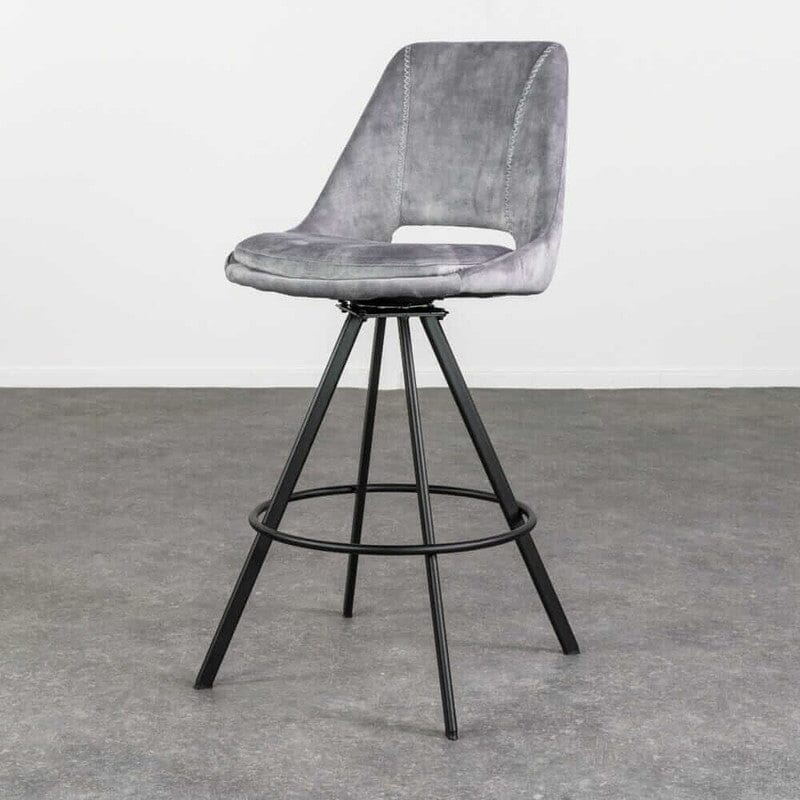
Swivel bar stools are among the most popular choices in the UK, and it's easy to see why. With a rotating seat mechanism, they offer effortless movement — ideal for busy kitchens or sociable bar areas where you're constantly turning to chat or reach across a counter. They suit both casual and contemporary settings and are available across a wide range of materials and heights.
Outdoor Bar Stools
Outdoor bar stools are specifically designed to withstand the British weather — no small feat! Typically crafted from rust-resistant metals, treated rattan, or weatherproof plastics, they're perfect for garden bars, patios, or alfresco dining areas. Look for UV-resistant finishes and easy-clean surfaces if your stools will be left outside regularly.
Wooden Bar Stools
Wooden bar stools bring warmth and timeless character to any space. Whether you opt for solid oak, pine, or rubberwood, timber stools blend beautifully with both rustic and Scandi-inspired interiors. They're sturdy, long-lasting, and often more affordable than upholstered alternatives — though they may benefit from cushion pads for extended sitting comfort.
Modern Bar Stools
Sleek lines, minimalist profiles, and bold geometric shapes define the modern bar stool aesthetic. These stools work exceptionally well in contemporary kitchens and open-plan living spaces. They're often made from a combination of materials — think moulded plastic seats on chrome bases — and tend to prioritise visual impact alongside everyday function.
Metal Bar Stools
Metal bar stools are a go-to choice for industrial and urban-inspired interiors. Powder-coated steel or iron frames are incredibly durable and can be styled to look either raw and edgy or refined and polished. They're lightweight enough to move around easily and are typically straightforward to wipe clean — a practical bonus in kitchen environments.
Vintage Bar Stools
Vintage bar stools are enjoying a real resurgence in UK homes, thanks to the growing popularity of retro and eclectic interior styles. Think tufted leather seats, tapered wooden legs, curved chrome frames, and jewel-toned upholstery. A well-chosen vintage stool can serve as a statement piece, adding personality and charm to an otherwise neutral space.
Padded Bar Stools
If comfort is your top priority, padded bar stools are the obvious choice. Upholstered in fabric, faux leather, or genuine leather, they provide cushioning for prolonged sitting — perfect for dining areas or home bars where guests settle in for the evening. Look for high-density foam fillings and stain-resistant fabrics for lasting comfort and practicality.
Size and Space Considerations

Bar Stool Height Buying Guide
- Standard bar height (105–110 cm): Requires a stool with a seat height of around 73–78 cm
- Counter height (85–95 cm): Requires a stool with a seat height of around 58–68 cm
- Kitchen island height (90–100 cm): Requires a stool with a seat height of around 63–73 cm
Bar Stools for Kitchen Islands
Bar Stools for Small Spaces
Design and Style Choices

Once you've nailed the practical essentials, it's time to think about aesthetics.
Choosing the Right Aesthetic
Your bar stools should feel like a natural extension of your existing interior. In a rustic farmhouse kitchen, solid wooden bar stools with woven seating complement exposed brick and warm tones beautifully. For a minimalist flat, sleek metal or moulded plastic stools keep things clean and uncluttered. Don't be afraid to mix materials — a wooden seat on a metal frame, for instance, bridges the gap between styles effortlessly.
Colour and Finish Options
Neutral tones — black, white, grey, and natural wood — are perennially popular and easy to coordinate. However, 2026 is seeing a growing appetite for bolder choices: forest green velvet, burnt orange faux leather, and deep navy are all trending in the UK home décor market. If you're cautious about committing to colour, consider a neutral frame with a statement seat pad that can be swapped out over time.
Material and Durability
Pros and Cons of Different Materials
| Material | Pros | Cons |
| Wood | Durable, warm aesthetic, versatile | Can warp in damp conditions |
| Metal | Sturdy, easy to clean, modern look | Can feel cold; prone to scratches |
| Upholstered | Comfortable, wide variety of styles | Harder to clean; fabric can wear |
| Plastic/Acrylic | Lightweight, affordable, weatherproof | Less premium feel |
| Rattan/Wicker | Stylish, lightweight, great for outdoors | Less robust over time |
Choose your material based not just on looks but on how your stools will actually be used day to day. A busy family kitchen demands something more robust and easy to clean than a rarely-used home bar.
Maintenance and Care
Cleaning Tips for Various Materials
- Wood: Wipe with a damp cloth and dry immediately. Use wood polish occasionally to maintain the finish and prevent drying or cracking.
- Metal: A damp cloth with mild detergent works well. For chrome frames, a microfibre cloth helps prevent smearing.
- Upholstered fabric: Vacuum regularly to remove crumbs and dust. Spot-clean spills immediately with a mild upholstery cleaner.
- Faux leather: Wipe down with a slightly damp cloth. Avoid harsh chemical cleaners, which can cause the material to crack or peel.
- Outdoor/Rattan: Rinse with warm soapy water. Store indoors or use protective covers during the winter months to extend lifespan.
Longevity Considerations
Investing in quality from the outset almost always pays dividends. Look for stools with solid frame construction, reinforced joints, and high-quality seat fillings. Check weight limits — particularly important for households with teenagers or larger adults. A stool rated to carry 120 kg or more tends to indicate a more robustly built product. Always check warranty information before purchasing; reputable retailers will stand behind their products.
Browse the full FW Homestores bar stool collection to find the perfect match for your home — from classic wooden styles to contemporary swivel designs, we have something for every space and budget.
FAQs on Bar Stools Buying Guide 2026
Q1: What is the standard height for a bar stool in the UK?
The most common bar stool seat heights in the UK fall between 63–78 cm, depending on the height of your counter or bar. Always allow 25–30 cm between the seat and the underside of your surface for comfortable legroom.
Q2: Are swivel bar stools better than fixed ones?
It depends on your needs. Swivel bar stools offer greater flexibility and comfort for social settings, whereas fixed stools tend to be sturdier and more compact — better suited for tight spaces or young children.
Q3: Can I use indoor bar stools outside?
Most indoor bar stools are not suited to outdoor use as they're not designed to withstand moisture, UV exposure, or temperature changes. Always choose stools specifically labelled as outdoor or weatherproof for exterior use.
Q4: How many bar stools do I need for a kitchen island?
As a general rule, allow approximately 55–60 cm of counter space per stool to ensure comfortable seating. A standard 180 cm island would comfortably seat three stools, while a larger 240 cm island could accommodate four.
Q5: How do I stop bar stools from scratching my floor?
Attach felt pads or rubber caps to the bottom of each leg. Many quality bar stools come with these pre-fitted, but if not, adhesive felt pads are an inexpensive and easy solution available at most UK hardware stores.


Leave a comment
This site is protected by hCaptcha and the hCaptcha Privacy Policy and Terms of Service apply.