
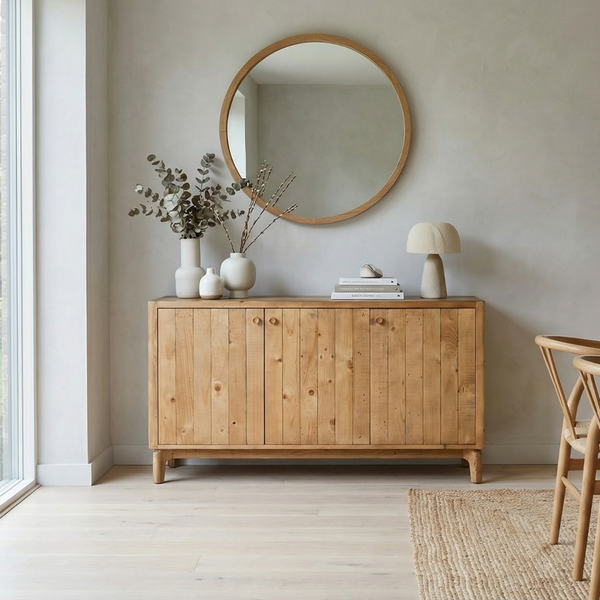



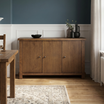
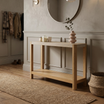
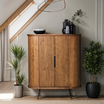
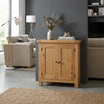
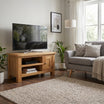
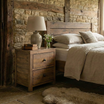
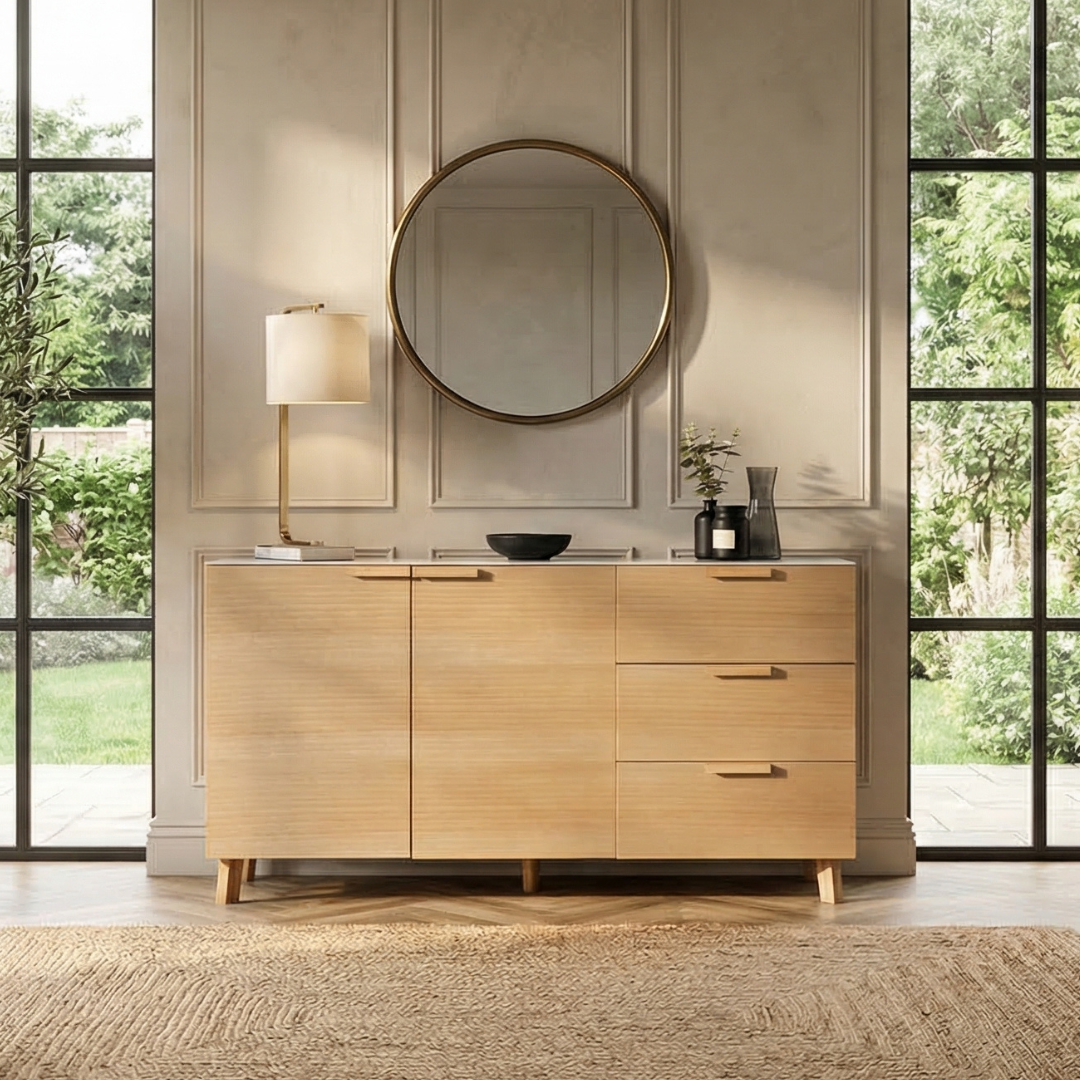
A sideboard is one of those rare pieces of furniture that effortlessly balances beauty with practicality. Whether you are looking to add extra storage to your dining room, create a stylish focal point in your living space, or simply bring a sense of order to a busy hallway, a well-chosen sideboard can do it all.
Once considered a purely traditional dining room staple, sideboards have evolved enormously in recent years. Today, you will find them in virtually every room of the home, from modern kitchens to contemporary home offices. With such a wide range of styles, materials, and sizes available, choosing the right one can feel overwhelming — but it does not have to be.
This sideboards buying guide for 2026 walks you through everything you need to know, from understanding the ideal dimensions for your space to exploring the latest sideboard styles, storage solutions, and decor ideas. By the end, you will feel confident selecting the best sideboard for your home.
Understanding Sideboard Dimensions
Before you fall in love with a particular design, it is essential to get the measurements right. A sideboard that is too large will dominate a room, whilst one that is too small may look lost and fail to serve its purpose.
Ideal Dimensions for Different Rooms
As a general rule of thumb, a sideboard should occupy no more than two-thirds of the wall it sits against. This creates visual harmony and prevents the piece from feeling imposing.
- Dining rooms: A standard dining room sideboard typically measures between 120 cm and 180 cm in width. If your dining table seats six or more, lean towards the larger end to maintain proportion.
- Living rooms: A compact sideboard of 90 cm to 130 cm works well in most living rooms, offering storage without overwhelming the space.
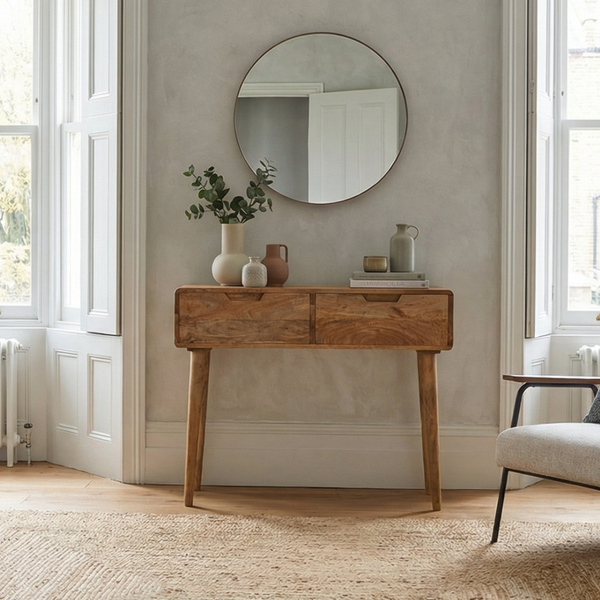
- Hallways: Slim-profile sideboards (often called console-style sideboards) measuring 30–40 cm in depth are ideal for narrow hallways, providing a surface for keys and post without blocking foot traffic.
Always allow at least 90 cm of clear floor space in front of the sideboard so that drawers and cupboard doors can open comfortably.
Height Considerations for Functionality
Most sideboards sit between 75 cm and 90 cm tall, which aligns comfortably with dining table height and allows the top surface to be used for serving food, displaying accessories, or housing a lamp. If you plan to use the sideboard beneath a wall-mounted television, opt for a lower unit (around 50–60 cm) to keep the screen at a comfortable viewing height.
Types of Sideboards
Understanding the key sideboard styles available will help you narrow down your choices quickly.
Traditional Sideboards

Modern Sideboards

Contemporary Sideboards

Sideboard Storage Solutions
Drawers vs. Cupboards
Drawers are ideal for smaller items such as cutlery, table linens, candles, remote controls, and stationery. They provide easy access and keep contents neatly separated. Look for dovetail-jointed drawers with smooth runners — these are a sign of quality craftsmanship and will stand up to daily use.
Cupboards offer flexible storage for bulkier items — think serving platters, board games, bottles of wine, or files and paperwork. Adjustable internal shelving adds further versatility, allowing you to configure the space according to your specific needs.
Utilising Open Shelving
How to Choose a Sideboard
Key Factors to Consider
- Room size and layout: Measure carefully before you browse, and consider how the sideboard will interact with other furniture in the room.
- Functionality: Decide what you will use it for — serving food, storing crockery, housing the television, organising paperwork — and let this guide your choice of storage configuration.
- Budget: Sideboards range from affordable flat-pack options to handcrafted heirloom pieces. Set a realistic budget but bear in mind that a well-made solid wood sideboard is a long-term investment.
- Durability: Consider who will be using the sideboard and how often. Families with young children may prefer a robust solid oak finish over a more delicate lacquered surface.
Style Preferences: Wood Types and Finishes

- Oak is the nation's favourite, offering a warm golden tone that complements both traditional and modern schemes. It is highly durable and ages beautifully.
- Walnut delivers a darker, richer finish with a luxurious grain pattern, ideal for sophisticated or moody interiors.
- Pine is a more affordable option with a lighter, rustic appearance that suits cottage or farmhouse-style rooms.
- Painted finishes — in shades such as navy, sage green, or warm white — are enormously popular for adding a focal point of colour to a neutral room.
Sideboard Decor Ideas

Enhancing Aesthetics with Accessories
Practical Decor Tips for Functionality
Sideboard Placement Ideas

Best Locations for Optimal Use
- Dining room: Positioned against the wall opposite your dining table, a sideboard serves as a practical buffet surface for entertaining and keeps crockery and glassware within easy reach.
- Living room: Placed beneath or beside the television, a sideboard provides media storage whilst maintaining a smart, cohesive appearance.
- Hallway: A slim sideboard near the front door creates a welcoming first impression and provides a practical drop zone for everyday essentials.
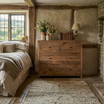
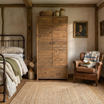
- Bedroom: A low sideboard used as a dressing unit or bedside storage can be a stylish alternative to a conventional chest of drawers.
Creating Flow in Your Space
Conclusion: Finding the Best Sideboards for Your Home
At FW Homestores, we offer a carefully curated range of sideboards — from classic wooden sideboards steeped in traditional craftsmanship to sleek modern and contemporary designs that suit the way we live today. Explore our collection and discover your perfect piece.
FAQs on Sideboards Buying Guide
Most sideboards measure between 90 cm and 180 cm in width, 75 cm to 90 cm in height, and 35 cm to 50 cm in depth. The ideal size will depend on the dimensions of your room and the wall space available. Always measure carefully before purchasing.
2. Which room is a sideboard best suited to?
Sideboards are most commonly used in dining rooms, but they work brilliantly in living rooms, hallways, and even bedrooms. Their combination of surface space and storage makes them one of the most versatile pieces of furniture available.
3. What is the difference between a sideboard and a buffet?
The terms are often used interchangeably, but traditionally a buffet is slightly taller and deeper than a sideboard. Both offer similar storage and display functions. In modern usage, the distinction has largely disappeared, and both names refer to the same style of low, long storage unit.
4. How do I style the top of a sideboard?
For a balanced look, combine objects of varying heights — such as a lamp, a vase, and a framed print or mirror. Work in groups of three and leave some breathing space between objects. Avoid overcrowding the surface, as this can make even the most beautiful sideboard look untidy.
5. Are wooden sideboards better than those with painted finishes?
Both have their merits. Solid wooden sideboards are exceptionally durable and develop character over time, whilst painted finishes offer a more decorative, bespoke look and are ideal for adding a pop of colour to a neutral interior. The best choice depends entirely on your personal style and the existing scheme of your room.

Leave a comment
This site is protected by hCaptcha and the hCaptcha Privacy Policy and Terms of Service apply.