





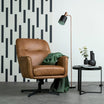
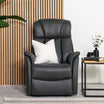
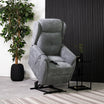
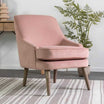
















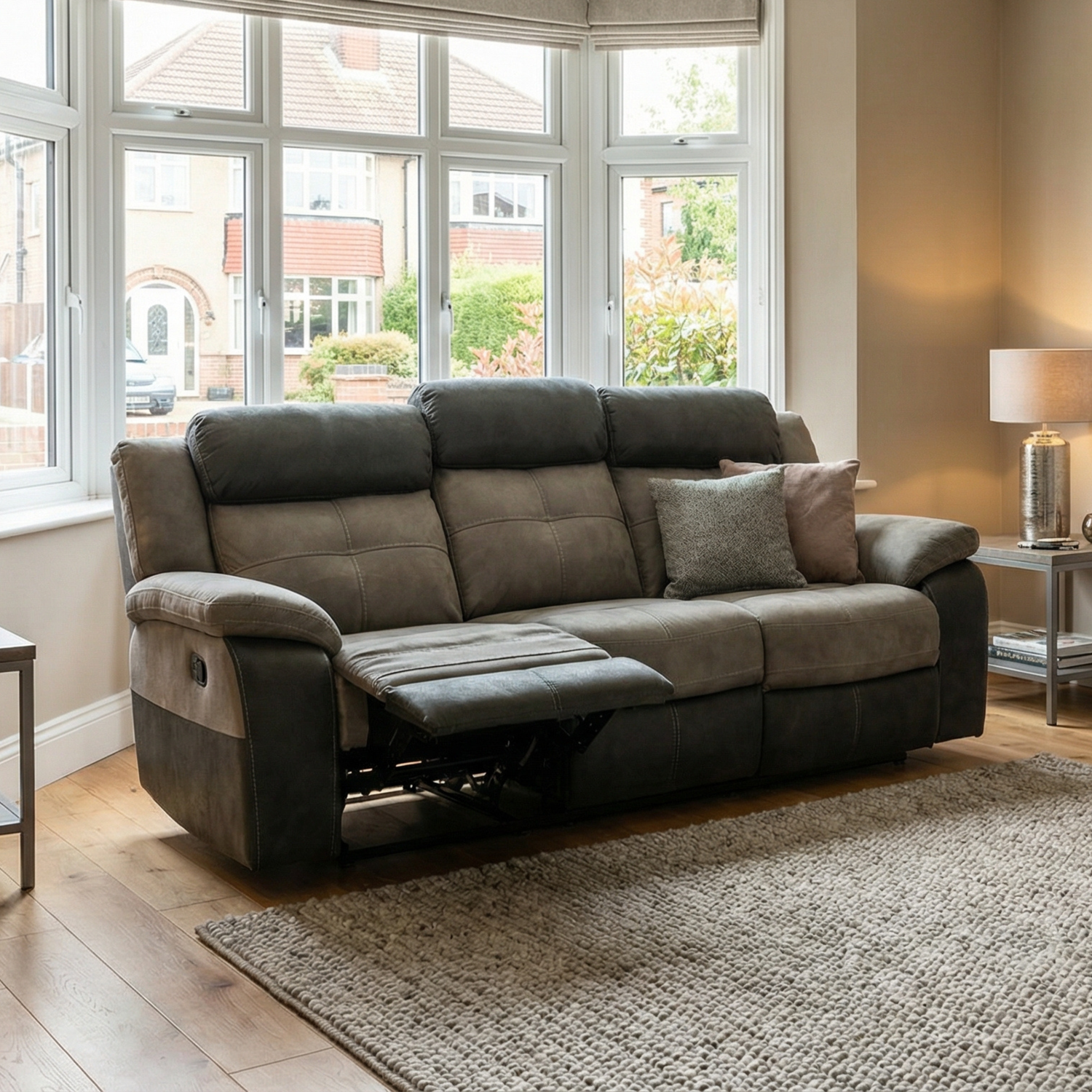
Choosing between a recliner sofa and a traditional settee is one of the most common dilemmas homeowners face when furnishing their living room. Both have their strengths, and the right choice depends entirely on your lifestyle, space, and priorities.
In this guide, we break down everything you need to know — from comfort and cost to the latest features shaping the sofa market in 2026 — so you can make a decision you'll be happy with for years to come.
What Is a Recliner Sofa?
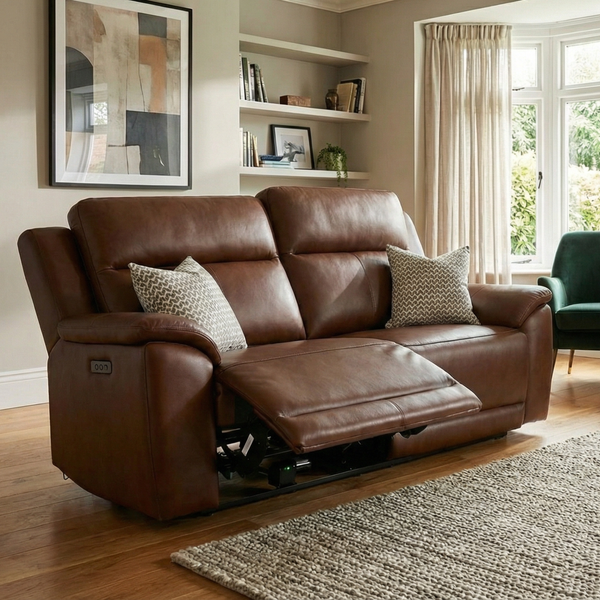
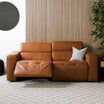
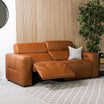
Recliner sofas are designed with comfort and relaxation at their core. They feature built-in mechanisms that allow you to adjust the backrest and footrest to your preferred position — from fully upright to completely reclined. Whether you opt for a manual recliner or an electric model, the principle is the same: your sofa adapts to you, not the other way around.
Advantages of Recliner Sofas
Exceptional Comfort and Relaxation
Recliner sofas have long been synonymous with unwinding after a long day. Whether you're settling in for a film night, taking a nap, or simply putting your feet up, the adjustable positions offer a level of comfort that a fixed sofa simply cannot match. The ability to recline takes pressure off your back and legs, making extended sitting far more comfortable.
Many models today go a step further, offering built-in massage functions, heat settings, and even zero-gravity positioning — a design inspired by NASA research that elevates the feet and reduces spinal pressure for a truly restorative experience.
Smart Technology Built In
Modern recliner sofas in 2026 come fitted with built-in USB and USB-C charging ports, so you can keep your devices powered without leaving your seat. Some models even feature voice-activated controls, letting you adjust positions, control ambient lighting, or play music hands-free through smart home integration. If you're a tech-forward household, a modern recliner sofa is a natural fit.
Space-Saving Designs for Smaller Homes
One of the biggest misconceptions about recliner sofas is that they always need a lot of room. Wall-hugging recliners — one of the top home furniture trends right now — require very little clearance from the wall, allowing you to reclaim precious floor space that traditional recliner mechanisms would have wasted. This makes them a far more practical option for flats and compact living rooms than they used to be.
Versatility in Configuration
Reclining sofas come in a wide range of configurations — two-seater, three-seater, four-seater, and even corner sectionals — making them adaptable to different family sizes and room layouts. They are available in fabric, faux leather, and genuine leather, with a growing range of bold colour options including navy, emerald, and earthy tones to suit contemporary interiors.
Health Benefits
For those managing back pain, poor circulation, or joint discomfort, a reclining sofa can offer genuine therapeutic value. Elevating your feet reduces swelling and improves blood flow, while the ergonomic design supports proper spinal alignment during long periods of sitting. Recliners help reduce pressure on the spine, making them a particularly good choice for people with back issues.
Contemporary Appeal
Modern recliner sofas have moved well beyond the bulky roll-arm recliners of the past. Today's designs focus on clean lines, slim arms, and deeper seats — so you can have a sofa that looks like a modern designer piece but functions like a hidden home theatre.
Cons of Recliner Sofas
Space Requirements
While wall-hugging designs have improved things significantly, recliner sofas still generally require more room than traditional settees to function at their best. It's important to measure your space carefully, taking into account the full extension of the sofa when reclined, to avoid obstructing walkways or other furniture.
Higher Cost
High-quality reclining sofas — especially electric models with smart features — carry a higher price tag than standard settees. That said, the long-term value in terms of comfort, functionality, and durability often justifies the investment. Keep an eye out for seasonal sales and deals if budget is a consideration.
Maintenance
The mechanical and electrical components of recliner sofas do require a degree of upkeep over time. This includes cleaning and lubricating moving parts and, for motorised models, the occasional repair to electrical components. Factor this into your decision when weighing the overall cost of ownership.
What Is a Traditional Settee?
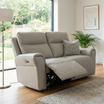
Traditional settees offer a fixed, elegant seating solution with a timeless design. They don't recline, but what they lack in adjustability they make up for in versatility, simplicity, and style. From formal living rooms to casual family spaces, they remain a staple in British homes.
Advantages of Traditional Settees
Timeless Design
Traditional settees are available in a vast range of styles — from understated Scandi-inspired minimalism to classic Chesterfield designs — making them a flexible choice for almost any interior theme. Their timeless appeal means they're less likely to look dated as trends evolve, making them a sound long-term investment.
Space Efficiency
Without a reclining mechanism to account for, traditional settees sit neatly against walls and fit more comfortably into compact rooms. If you're furnishing a smaller space, a traditional sofa gives you greater flexibility in how you arrange the rest of your furniture.
Wide Style and Material Choice
From plush velvet and woven fabric to genuine and faux leather, traditional settees offer extensive customisation. You can find them in virtually any size, shape, or colour — ideal if you're working around a specific interior design scheme.
More Budget-Friendly
Generally speaking, traditional settees are more affordable than reclining models. They also tend to have fewer mechanical parts, which means lower maintenance costs over the long term. If you're looking for excellent value without compromising on style, a traditional settee is a strong contender.
Cons of Traditional Settees
Limited Comfort Adjustments
Unlike recliner sofas, traditional settees offer no adjustable seating positions. For people who spend long hours on the sofa — working from home, watching TV, or reading — this can become a comfort limitation over time. Adding cushions and throws can help, but it's not quite the same as being able to recline fully.
Less Suited to Pure Relaxation
Traditional settees are designed primarily for seated posture and support rather than deep lounging. If your sofa is primarily used for leisure and relaxation, a recliner sofa will generally serve you better in this regard.
Recliner vs. Traditional Sofa: How to Decide
Here's a simple framework to help you choose:
Choose a recliner sofa if:
- Comfort and relaxation are your top priorities
- You or someone in your household has back pain, circulation issues, or mobility concerns
- You enjoy watching films, gaming, or spending long periods on the sofa
- You want modern features like USB charging or massage functions
- You have enough space to accommodate it comfortably
Choose a traditional settee if:
- Space is limited and you need a compact, wall-friendly option
- Your living room has a formal or minimalist aesthetic
- You're working within a tighter budget
- The sofa is used primarily for social gatherings or shorter sitting periods
- You prefer a timeless design that won't date
Final Thoughts
Both recliner sofas and traditional settees have real merit — it simply comes down to what matters most to you. If you want a sofa that adapts to your body and enhances your downtime, a recliner is hard to beat, especially with the advances in design and technology seen in recent years. If you value classic style, space efficiency, and affordability, a traditional settee remains an excellent, enduring choice.
Whichever you choose, make sure it suits your space, complements your home, and — above all — feels right for how you actually live.


Leave a comment
This site is protected by hCaptcha and the hCaptcha Privacy Policy and Terms of Service apply.