




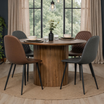
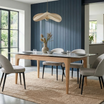
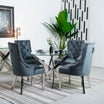
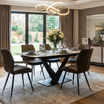
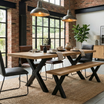
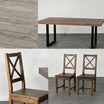
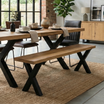

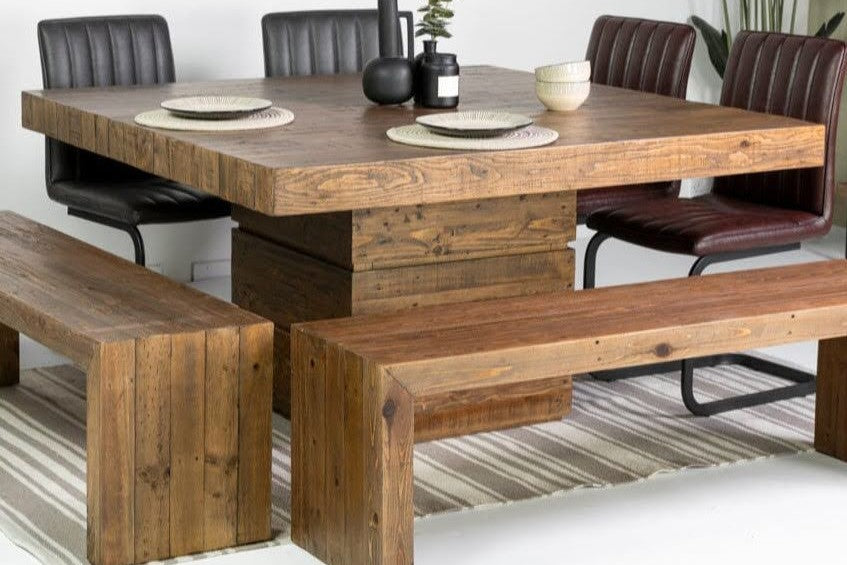

Your dining table is arguably the most hardworking piece of furniture in your home. It is where the family gathers for breakfast before a busy day, where friends linger over a Sunday roast, and where homework gets done on a Tuesday evening. Getting the choice right matters — not just aesthetically, but practically. This guide walks you through everything you need to know to find the perfect dining table in 2026, from sizing up your space to navigating the latest trends in modern dining furniture.
Understanding Your Space
Assessing Your Dining Area
Before you fall in love with a table online or in-store, spend some time properly assessing your dining area. Is it a dedicated dining room, an open-plan kitchen-diner, or a compact corner of a living space? Each scenario calls for a different approach.
Take note of natural traffic flow. You need at least 90cm of clearance between the edge of the table and the nearest wall or obstruction, so people can move around comfortably — especially when chairs are pulled out. In busier households or those who entertain frequently, consider allowing 105–120cm of clearance.
Also think about your light source. A table positioned under a pendant light or chandelier not only looks purposeful but creates a natural focal point in the room. If your dining area lacks a ceiling fixture, that is worth factoring into your renovation plans alongside the table purchase.
Defining the Purpose of the Table
How you use your table day-to-day should shape your decision as much as its appearance. A family with young children needs a surface that is robust and easy to wipe down. Someone who works from home may want a table that doubles as a workspace. If you regularly host dinner parties, seating capacity becomes a priority. Clarifying the primary purpose helps you filter out unsuitable options quickly and focus on what genuinely serves your lifestyle.
Dining Table Size Guide

Measuring Your Space
Grab a tape measure and note down the full dimensions of your dining area, including any alcoves, radiators, or doorways that might limit placement. Draw a rough floor plan if it helps. The golden rule is that your table should fill the space without dominating it — you want the room to feel comfortable, not cramped.
Recommended Dimensions for Various Settings
As a general dining table size guide, allow roughly 60cm of table width per person and at least 30cm of depth per seat. Here is a quick reference:
- 2–4 seater : A table around 80–100cm in diameter (round) or 120cm in length (rectangular) works well in a kitchen-diner or smaller flat.
- 4–6 seater : Aim for 150–180cm in length for a rectangular table, or 120–130cm for a round one.
- 6–8 seater : Consider a 180–220cm table, or an extendable option that seats four day-to-day and expands for entertaining.
Table height is also worth checking. Standard dining tables sit at around 75–76cm, which pairs neatly with most dining chairs. If you are mixing and matching seating, verify the seat height to ensure comfortable legroom.
Dining Table Styles in 2026

Modern Dining Furniture Trends
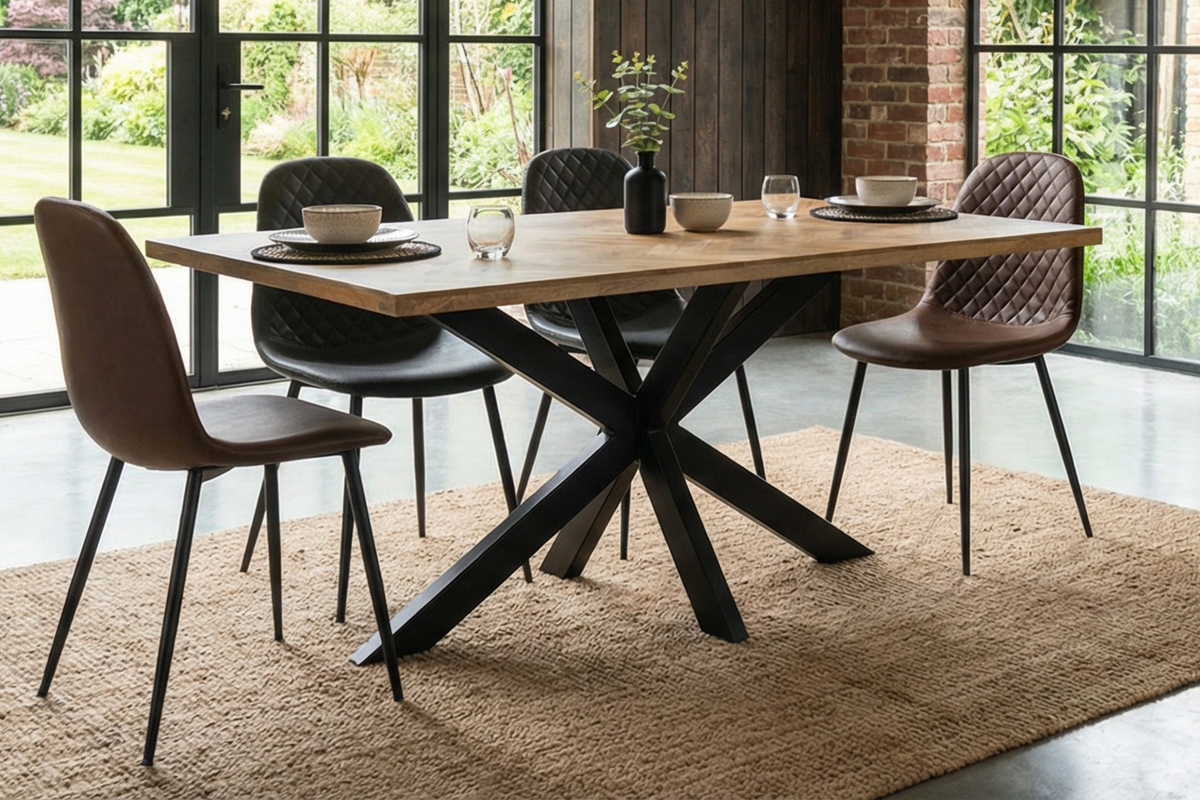
Modern dining furniture in 2026 is moving away from uniform, matching sets and towards more curated, layered looks. Mixing materials — such as a marble-effect top with a black steel frame, or a solid oak surface on powder-coated legs — is increasingly popular. Sustainability is also front of mind for many UK buyers, with reclaimed wood, FSC-certified timber, and recycled materials all featuring prominently in this year's collections.
There is also a notable shift towards tables that feel warmer and more personal. The cold, clinical lines of the early 2010s have given way to softer edges, organic shapes, and textures that invite you to linger.
Popular Styles: Contemporary, Rustic, and Mid-Century
Understanding the main dining table styles helps you narrow your search considerably:
- Contemporary: Clean lines, minimal ornamentation, and a focus on function. Works particularly well in open-plan spaces and pairs beautifully with upholstered chairs.
- Rustic: Chunky solid wood, visible grain, and a handcrafted quality. Perfect for country kitchens, farmhouse-style homes, or anyone who wants their dining space to feel rooted and warm.
- Mid-Century Modern: Tapered legs, warm tonewoods like walnut or teak, and a timeless elegance that works equally well in period properties and modern builds.
When choosing a style, consider the wider context of your home. A rustic oak table can look stunning in the right setting, but feel incongruous in a sleek, minimalist apartment. When in doubt, opt for something that complements rather than competes with the rest of your interior.
Adjustable Dining Tables

Benefits of Flexibility
For many UK households, space is a premium — particularly in city flats, terraced houses, or homes where the dining area serves multiple purposes. Adjustable dining tables offer a practical solution: they seat a small number of people day-to-day, then expand to accommodate guests when needed.
Beyond saving space, extendable tables are a sound long-term investment. Rather than replacing your table as your household grows or your entertaining habits change, you simply adjust it. This also makes them a more sustainable choice, reducing the need to buy new furniture as circumstances evolve.
Styles of Adjustable Tables
Adjustable dining tables come in several forms. Butterfly extension tables have a hidden leaf that folds out from the centre — tidy, clever, and easy to operate alone. Drop-leaf tables feature hinged sections on either side that fold down when not in use, making them ideal for very compact spaces. Self-storing extension tables include a leaf that slides out from beneath the tabletop, keeping everything neatly in one unit. Each has its merits; your choice should depend on how frequently you plan to use the extension and how much storage space you have for additional leaves.
Dining Table Accessories to Enhance Functionality

Choosing the Right Linens and Centerpieces
The right dining table accessories can transform the look of your table and protect its surface at the same time. A quality tablecloth or set of placemats is one of the simplest ways to update your dining room for different seasons or occasions. In 2026, natural textiles — linen, cotton, and jute — continue to dominate, offering a relaxed elegance that suits everything from a casual weekday supper to a more formal gathering.
For centrepieces, think about proportion. A statement vase, a cluster of candles at varying heights, or a low wooden bowl filled with seasonal fruit all add character without overwhelming the table. Avoid anything too tall that interrupts conversation across the table.
Practical Storage Solutions
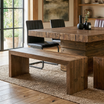
If your dining area is also used for homework, crafts, or working from home, storage becomes part of the conversation. Consider a sideboard or console table alongside your dining table to keep surfaces clear. In smaller spaces, benches with built-in storage offer a dual-purpose solution — extra seating that also houses table linens, spare candles, or seasonal items. Thoughtful storage means your dining table can be cleared and set quickly, so it always feels inviting rather than cluttered.
Current Dining Table Trends for 2026

Colours and Finishes
Dining table trends 2026 reflect a broader shift in interior design towards depth, warmth, and authenticity. Deep earthy tones — terracotta, forest green, and warm charcoal — are appearing across both table bases and coordinating chairs. Natural wood finishes remain perennially popular, but there is a growing interest in smoked, limewashed, and blackened oak for a more dramatic effect.
Matt finishes are preferred over high gloss, lending a tactile, considered quality to the furniture. If you are drawn to a stone or marble-effect top, look for sintered stone options — they offer the look of natural stone with far superior durability and scratch resistance, making them a practical choice for a busy dining table.
Innovative Materials
Material innovation is one of the most exciting aspects of the 2026 dining furniture landscape. Sintered stone and porcelain tabletops are growing in popularity due to their heat resistance, low maintenance, and striking aesthetics. Recycled aluminium and reclaimed steel are appearing in table bases, offering a contemporary industrial edge alongside strong sustainability credentials.
Solid wood remains a sound choice — particularly hardwoods like oak, walnut, and ash, which age beautifully and can be sanded and refinished if needed. Engineered wood and MDF with veneer offer a more budget-friendly alternative, though they require more careful maintenance to avoid moisture damage.
Conclusion: Finding Your Perfect Match
Choosing the right dining table comes down to three things: knowing your space, understanding how you live, and finding a piece that you genuinely love. Start with your measurements, be honest about how many people you regularly need to seat, and consider whether an adjustable option would serve you better in the long run. From there, let your personal style guide you — whether that is a sleek contemporary piece in sintered stone, a characterful rustic oak table, or a versatile mid-century design that bridges the gap between old and new.
At FW Homestores, our range of dining tables is curated to suit every home and every budget, with expert advice available in-store and online. Whether you are furnishing your first home or refreshing a room you have loved for years, we are here to help you find the table that brings your dining space to life.


Leave a comment
This site is protected by hCaptcha and the hCaptcha Privacy Policy and Terms of Service apply.