





















When it comes to furnishing a bedroom, the centrepiece is undoubtedly the bed. Choosing the right foundation is about much more than just finding a comfortable place to sleep; it is about setting the tone for your entire sanctuary. The great debate of Wooden Bed Frames vs Fabric Bed Frames is one that many homeowners face when refreshing their interiors. Both offer distinct advantages, boast unique aesthetic appeal, and bring completely different vibes to your space.
In this comprehensive guide, we will explore wooden bed frames vs fabric bed frames in detail. By comparing their design versatility, longevity, and maintenance needs, we will help you make an informed decision that perfectly suits your lifestyle and practical requirements.
The Timeless Appeal of Wooden Bed Frames
There is a very good reason why wooden bed frames have remained a staple in British homes for centuries. They bring a touch of the natural world indoors, offering unparalleled warmth, character, and organic beauty.
Versatile Aesthetics and Design
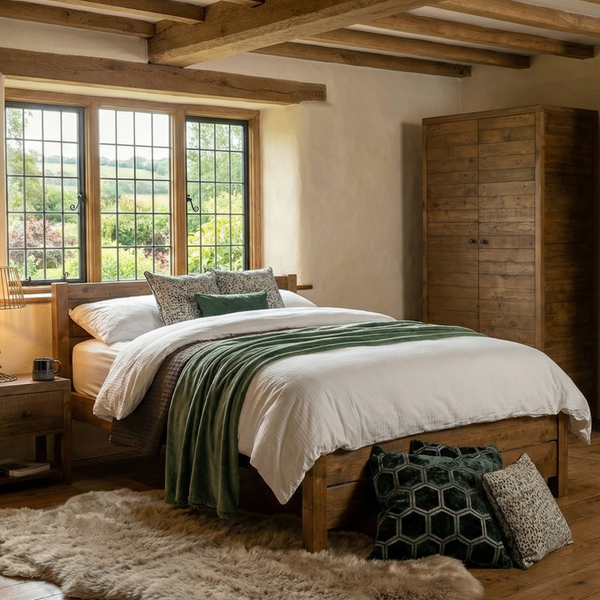
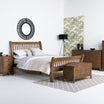
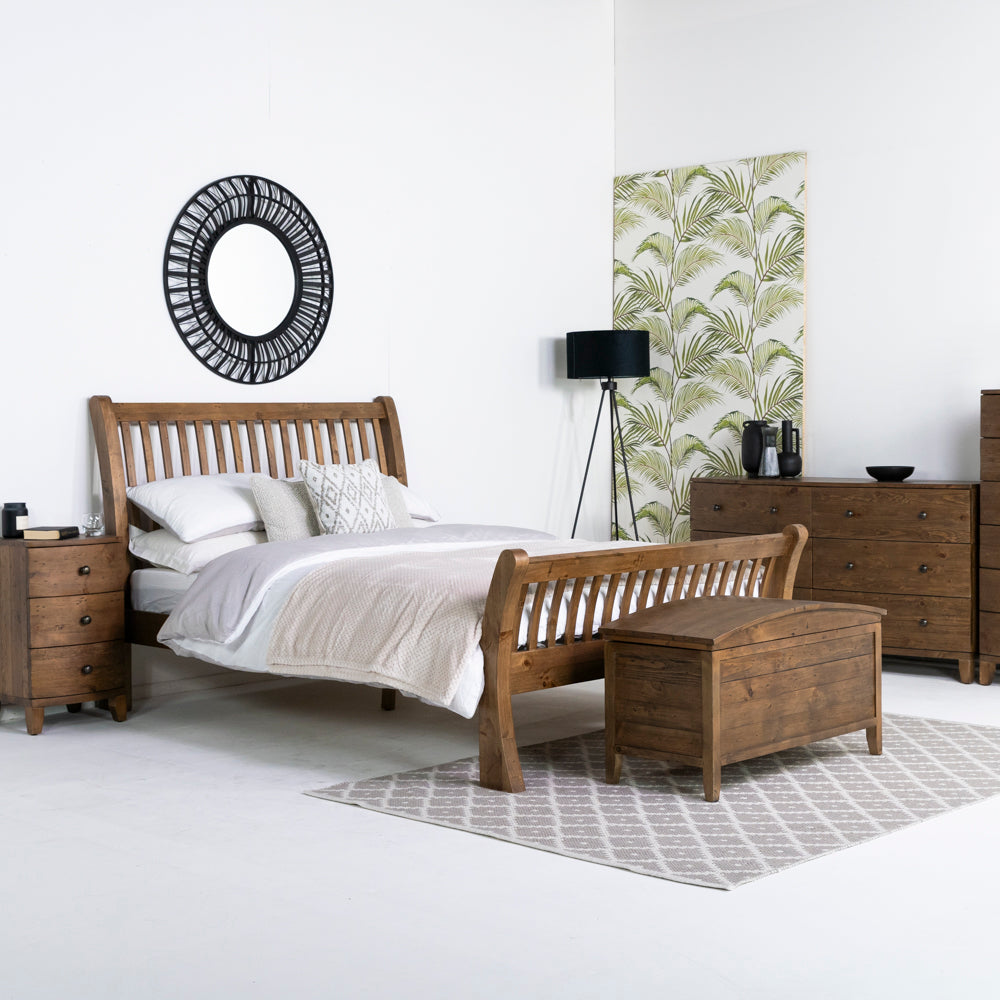
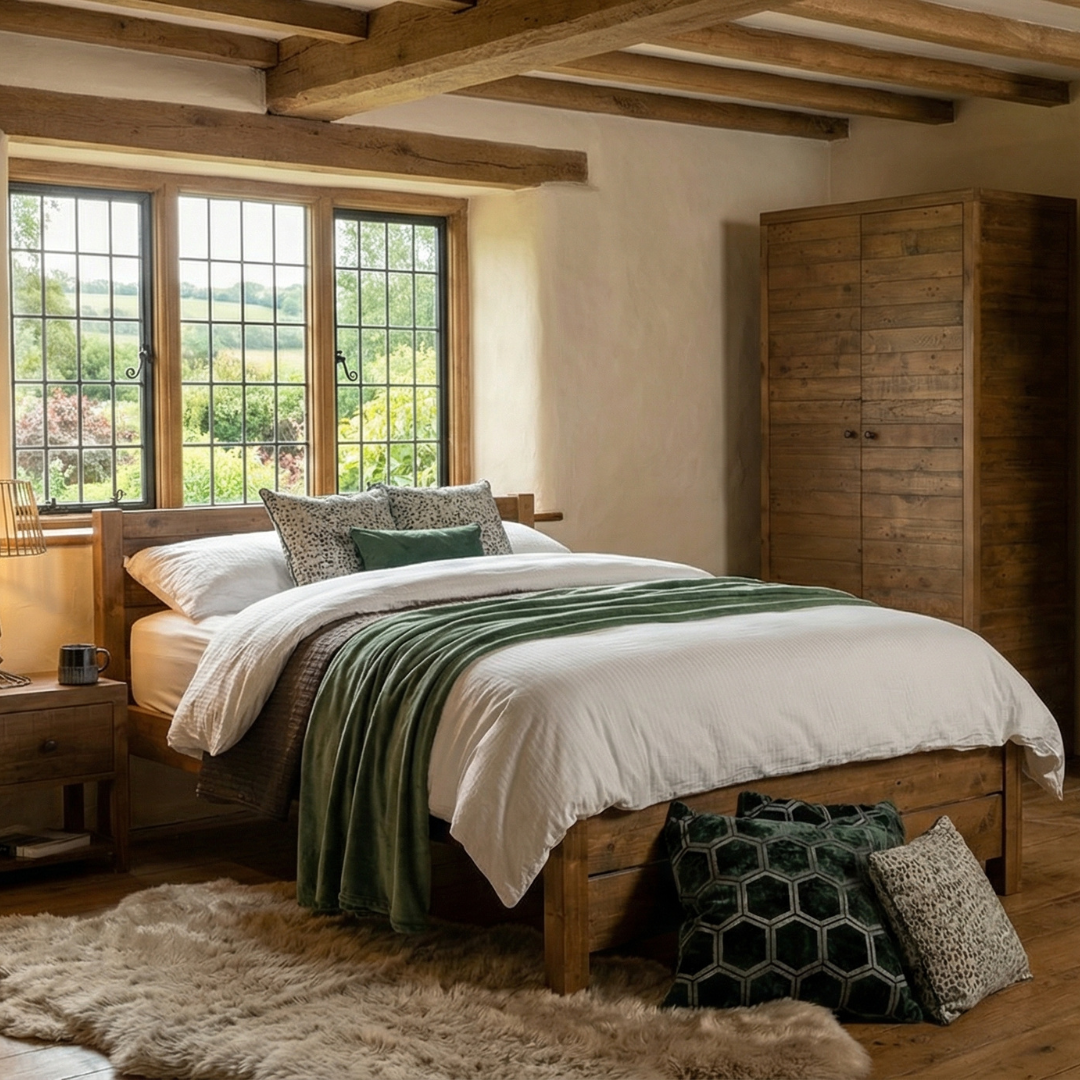
Whether you are aiming for a stark, contemporary look or navigating the balance of a minimalist vs cosy bedroom design, timber can adapt beautifully to your vision. You might favour the chunky, distressed look of rustic wooden bed styles for a traditional country cottage feel, or perhaps you prefer the sleek, pale finish of ash or oak for a Scandinavian-inspired retreat.
The sheer variety of bed frame styles available on the market today means you are truly spoilt for choice. Furthermore, for those who are highly conscious of their environmental footprint, sustainably sourced timber ranks exceptionally high amongst eco-friendly bedroom furniture materials. Opting for FSC-certified wood ensures your beautiful new bed hasn't cost the earth.
Strength and Longevity
When evaluating solid wood bed frame durability, natural timber is famously resilient. High-quality wooden beds are built to withstand decades of use. When shopping, it pays to look out for sturdy bed frame construction features such as mortise and tenon joints, thick central support rails, and robust, closely spaced slats. These premium elements ensure your bed will not creak, bow, or wobble, providing a reliable and silent foundation for your mattress night after night.
The Comfort and Charm of Fabric Bed Frames
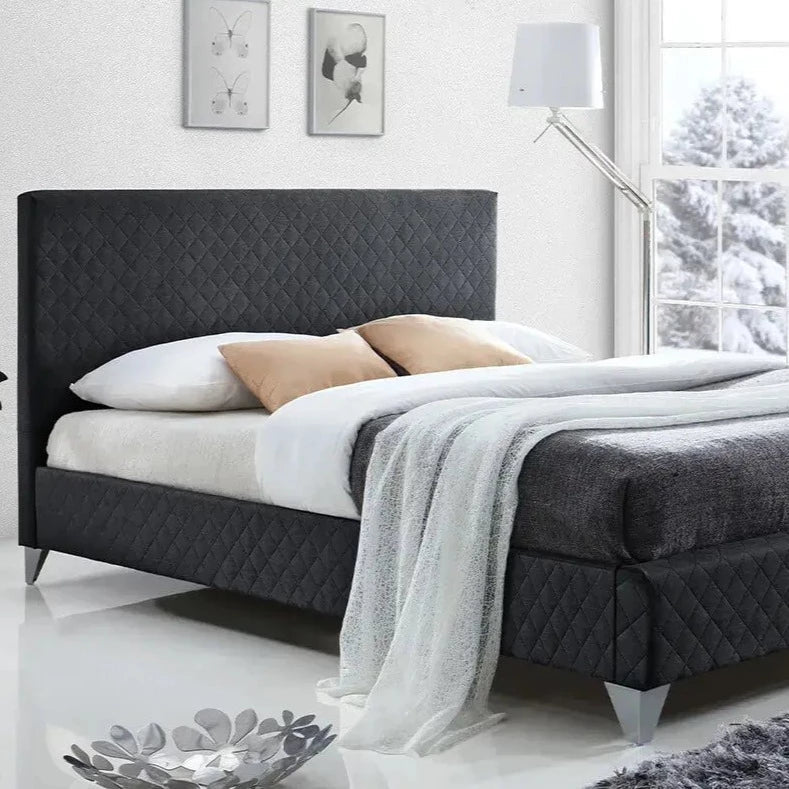
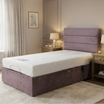
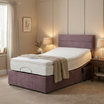
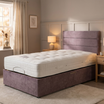
Fabric, or upholstered, beds have surged in popularity over the last decade, adding a touch of boutique hotel luxury to the everyday domestic bedroom.
Visual Softness and Varieties
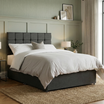
If you love to read, enjoy a Sunday morning lie-in, or watch television in bed, a padded headboard offers exceptional back support and comfort. The modern upholstered bed aesthetics can range from opulent, deep-buttoned velvet sleigh beds to chic, softly tailored linen designs.
When looking into upholstery fabric types for beds, the most popular choices typically include plush velvet, breathable linen, durable cotton blends, and practical faux leather. Each material brings its own unique texture and colour palette, allowing you to perfectly match your bed to your bedroom décor, curtains, and carpets.
Key Comparisons: Making the Right Choice
Choosing between these two incredibly popular options often comes down to your daily routine, specific health needs, and who you share your home with.
Health and Air Quality
For asthma and allergy sufferers, controlling the bedroom environment is absolutely crucial. If you are searching for the best bed frame for dust allergies, timber is undeniably the winner. Because hard, non-porous surfaces do not trap dust mites, pollen, or pet dander, wood offers fantastic hypoallergenic bed frame options. Fabric beds, on the other hand, act like a filter for airborne particles and require diligent, regular hoovering to keep household allergens at bay.
Pets and Lifestyle
If you share your home with a cat or a dog, choosing a bed frame for pet owners requires some careful thought. Cats frequently view textured fabrics as oversized, highly convenient scratching posts, whilst dog hair can easily weave its way into woven linens and tweeds. A wooden frame easily deflects errant claws and wipes clean of muddy paw prints in seconds, making it a much less stressful and time-consuming option for pet-friendly households.
The Test of Time
When considering the lifespan of fabric vs timber beds, wood generally takes the lead. A high-quality solid oak, walnut, or pine frame can easily last a lifetime, often being passed down through generations. Fabric beds tend to have a slightly shorter lifespan; the upholstery can fade if placed in direct sunlight, the fabric may wear thin on the corners, or the specific pattern might simply fall out of fashion over a decade or two.
Essential Care and Maintenance
No matter which style you ultimately choose, proper care will keep your bed looking pristine for years to come.
Caring for Wood
Wooden frames are wonderfully low maintenance. A weekly dusting and an occasional polish with a high-quality beeswax are usually all that is required to keep the wood nourished and glowing. However, everyday life happens, and accidental bumps can occur.
Fortunately, navigating scratches on wood furniture repair is surprisingly straightforward. You can easily camouflage small scuffs using specialised wood touch-up pens or soft wax sticks. For a quick DIY fix on darker woods, a simple rub with a raw walnut kernel naturally fills and darkens light surface scratches beautifully.
Caring for Fabric
Upholstered frames demand a bit more tender loving care. To keep your fabric looking fresh, follow these essential upholstered bed maintenance tips:
-
Vacuum weekly: Use the soft upholstery brush attachment on your vacuum cleaner to gently lift household dust and prevent it from settling deeply into the woven fibres.
-
Tackle spills immediately: When figuring out how to clean fabric headboards, the absolute golden rule is to blot, never rub. Rubbing vigorously will only push the liquid deeper into the foam padding.
-
Spot cleaning: For removing stains from upholstered headboards, a mild solution of washing-up liquid and warm water usually does the trick. Dab the suds on gently with a clean microfibre cloth, then dab away the excess moisture with a dry towel. Alternatively, a specialist fabric foam cleaner can be used for more stubborn marks.
-
Keep out of direct sunlight: Try to position your bed away from south-facing windows to prevent vibrant fabrics from fading prematurely.
The Final Verdict
The choice between Wooden Bed Frames vs Fabric Bed Frames ultimately boils down to a balance of personal preference, interior design goals, and everyday practicality.
If you prioritise exceptional longevity, suffer from seasonal or dust allergies, share your bedroom with pets, or simply love the timeless, grounding appeal of natural materials, a solid wooden bed is likely your perfect match. Conversely, if your main goal is ultimate relaxation, you desire a specific bold colour or plush texture, and you want to bring a soft, luxurious, and cosy feel to your space, an upholstered bed will serve you beautifully.
Your bedroom is your ultimate personal retreat. By weighing up this debate against your specific lifestyle needs, you can confidently select a bed frame that not only looks stunning but supports a brilliant night’s sleep for many years to come.

Leave a comment
This site is protected by hCaptcha and the hCaptcha Privacy Policy and Terms of Service apply.