
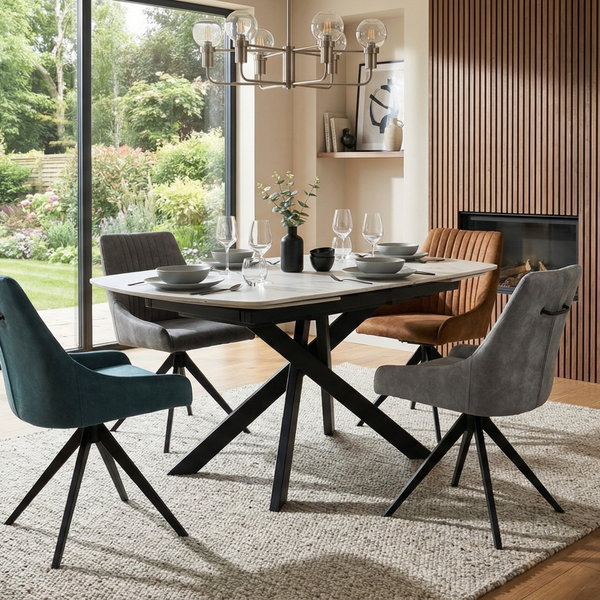



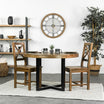
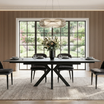
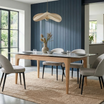

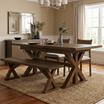






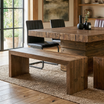
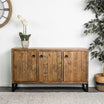

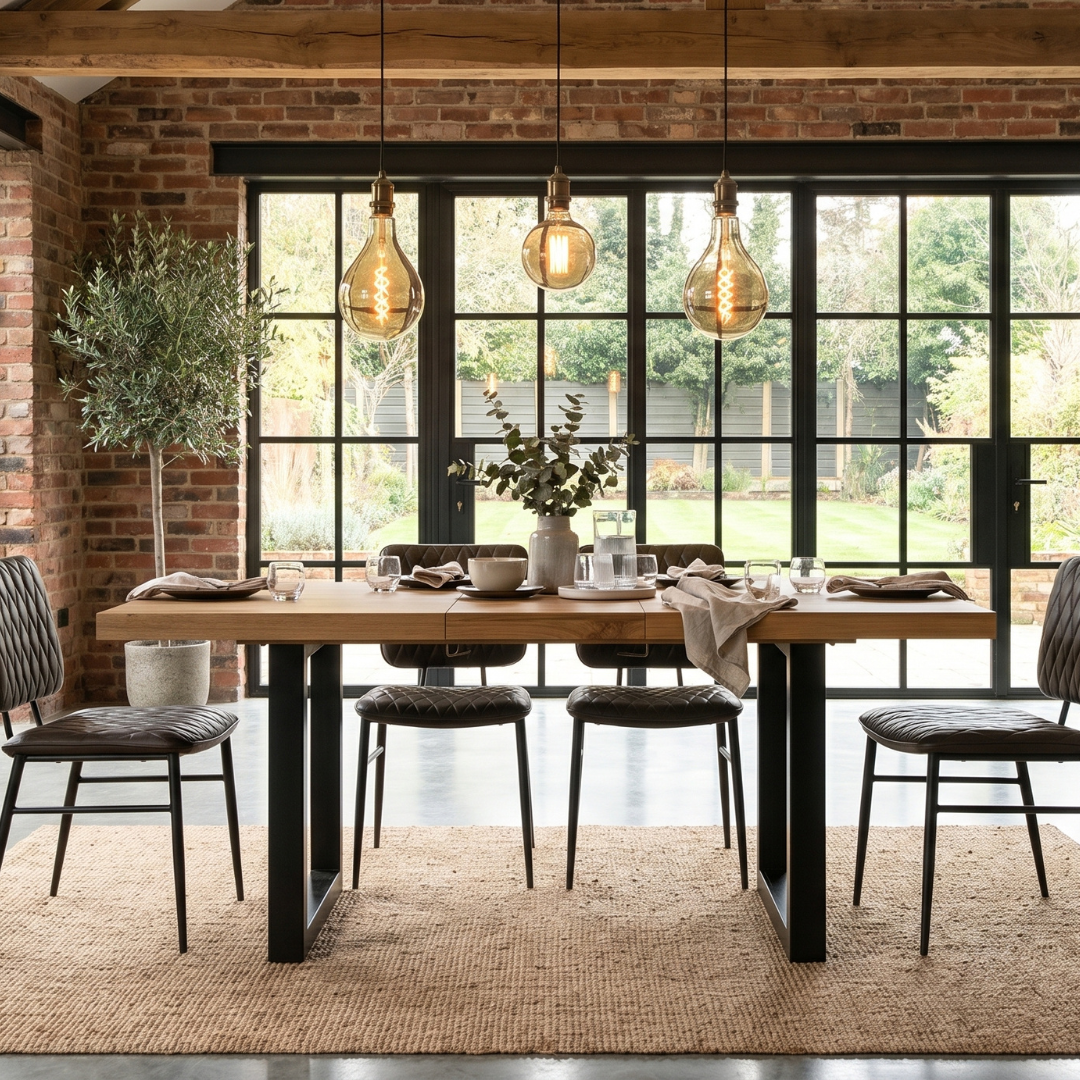
When it comes to investing in a centrepiece for your home, the dining table is arguably the most significant purchase you will make. It is where families gather, homework is completed, and dinner parties extend long into the night. Among the myriad of furniture materials available on the market today, two contenders frequently go head-to-head. If you find yourself weighing up Oak Dining Tables vs Mango Wood Dining Tables, you are certainly not alone.
Both options offer character, longevity, and timeless appeal, but they cater to slightly different lifestyles, aesthetics, and budgets. Let’s delve into the specific traits of these beautiful solid wood tables to help you make an informed choice for your home.
Understanding Your Wood Table Types
The foundation of any great dining room is a table that not only looks stunning but withstands the rigours of daily life. Understanding the core differences between various wood table types is the first step towards making a confident purchase.
The Classic Appeal of Oak
Oak dining tables have been a staple in British homes for centuries, and for good reason. Oak is renowned for its immense strength, weight, and timeless beauty. One of its standout features is the distinctive grain patterns of European oak, which frequently display sweeping arches, beautiful knots, and subtle tiger-stripe flecks (medullary rays) that add visual depth to the furniture.
When looking into oak, it is also worth noting the tannin content in white oak vs red oak. White oak contains significantly higher levels of tannins, making it naturally more resistant to rot, moisture, and insect attacks compared to its red counterpart. Furthermore, when properly manufactured and treated, the structural stability of kiln dried oak ensures that your table will remain a robust, steadfast piece that will easily last for multiple generations without splitting or cracking.
The Exotic Charm of Mango Wood
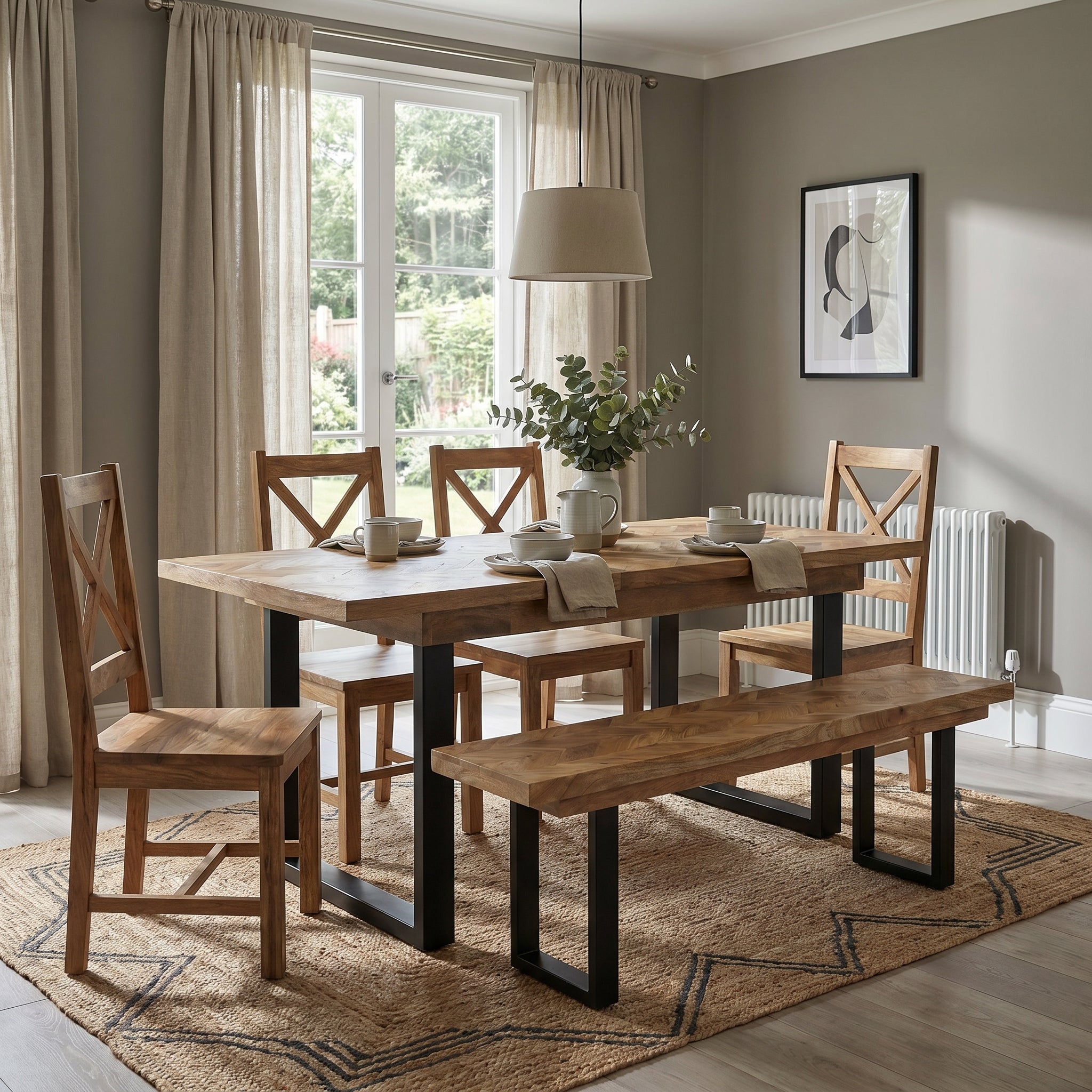
In recent years, mango wood tables have surged in popularity across the UK. Sourced from the mango fruit tree, this timber is typically harvested only once the tree has stopped bearing fruit. This provides brilliant eco-friendly benefits of reclaimed mango wood and makes it one of the most sustainable furniture choices for home decor on the market today.
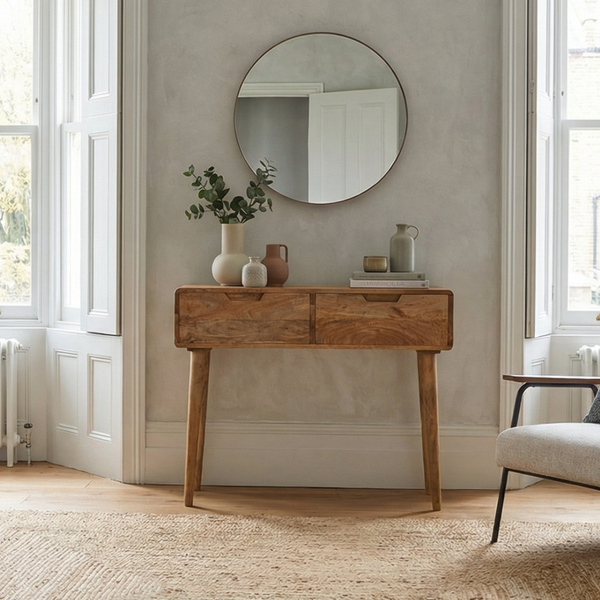
Mango wood boasts a kaleidoscope of colours. You will often find golden-brown base tones interspersed with vibrant streaks of pink, yellow, amber, and even black. This unique colouration is often due to spalting—a natural fungal process that occurs in the wood, creating a truly one-of-a-kind aesthetic for every single table.
Hardwood Durability Comparison for Dining Furniture
If you are seeking a reliable hardwood durability comparison for dining furniture, the best metric to consult is the Janka hardness scale for common wood types. This industry-standard scale measures the resistance of a sample of wood to denting and everyday wear.
Oak typically scores very highly on this scale (around 1,360 lbf for white oak), cementing its reputation as a remarkably tough, scratch-resistant hardwood suitable for bustling family homes. Mango wood, on the other hand, scores slightly lower (around 1,070 lbf). While it is technically classified as a hardwood, mango wood is inherently softer than oak.
This naturally leads to a common question: how long does mango wood furniture last? The good news is that with the right care and maintenance, a mango wood dining table can easily last a lifetime. While it may accumulate a few more superficial dents or character marks over the decades compared to an oak equivalent, many homeowners feel this simply adds to its rustic charm.
Practicality and Maintenance for Everyday Life
Every busy household demands practicality from its furniture. A frequent query from homeowners looking to place their table in an open-plan space is: is mango wood water resistant for kitchen use? While mango wood does have a natural degree of water resistance, it is a highly porous material. Spills, condensation from cold glasses, and hot liquids must be wiped up immediately to prevent staining and long-term water damage.
Conversely, the maintenance requirements for solid oak dining sets are relatively straightforward, though they still require consistent attention. Regular dusting with a microfibre cloth and occasional waxing or oiling will keep the timber nourished and prevent it from drying out.
No matter which wood you ultimately choose, adopting a few best practices will prolong the life of your table:
-
Select the correct protection: Choosing the right wood finish for heavy use is paramount. A high-quality polyurethane lacquer or a hard wax oil provides a robust, protective barrier against hot plates, spills, and daily friction.
-
Tackle damage early: Even with the best intentions, accidents happen. Thankfully, repairing scratches on natural wood table tops usually involves a gentle sanding of the affected area and a targeted reapplication of the original finish—a distinct advantage of solid wood over cheap veneers.
-
Control your environment: Another critical factor is preventing wood warping in different climates. Because wood is a hygroscopic material, it naturally expands and contracts with changes in room humidity. Keep your dining tables away from direct heat sources like radiators, and consider using a room humidifier in the colder, drier winter months to maintain the wood's structural integrity.
Budget and Design Considerations
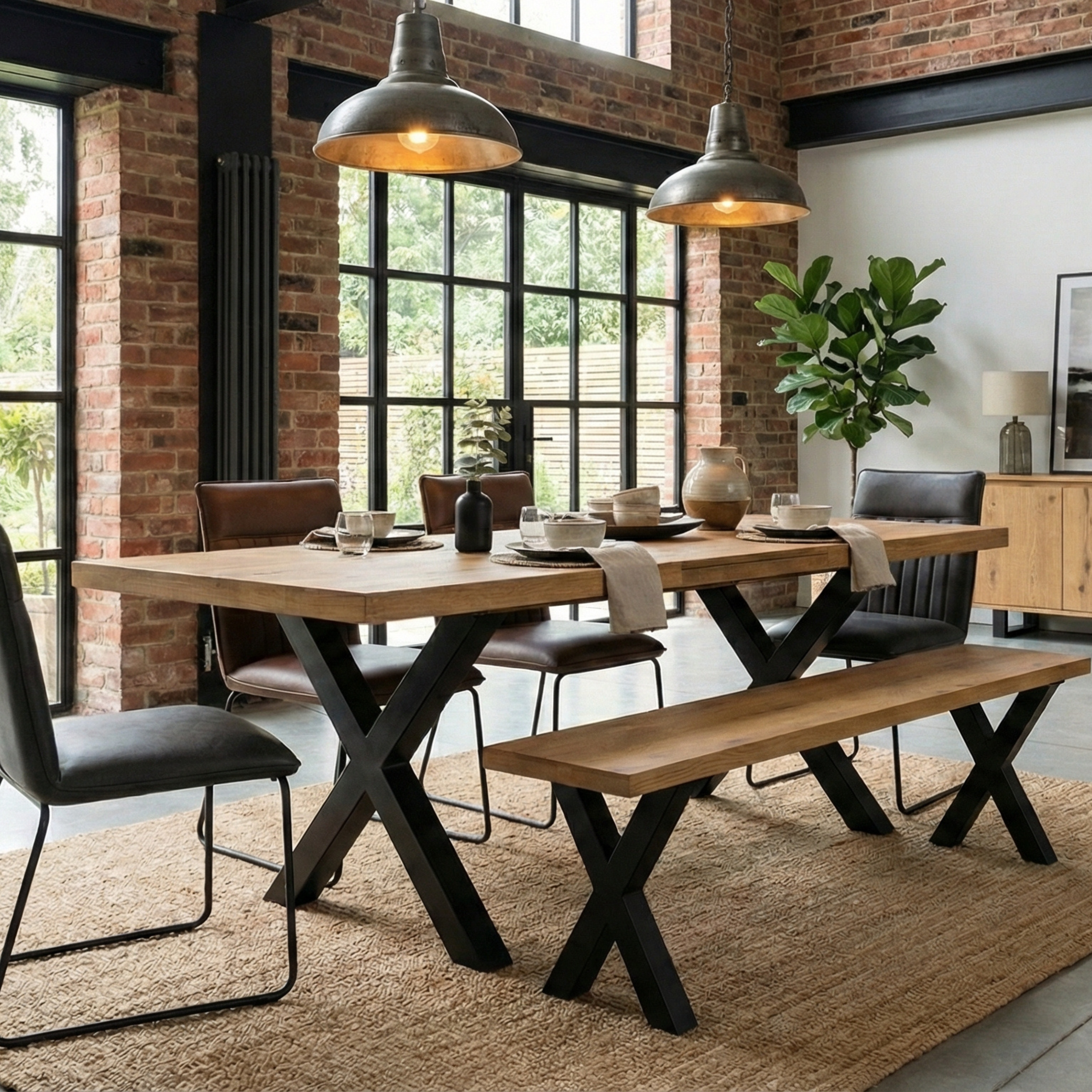
Cost is invariably a deciding factor for any home update. A quick mango wood vs oak price point analysis reveals that mango wood is generally the more affordable option. Because mango trees grow rapidly and reach maturity in just 15 to 20 years, the timber supply is abundant, keeping costs relatively low. Oak, however, takes several decades to reach maturity, which is reflected in its premium price tag.
When it comes to aesthetics, both woods cater beautifully to a wide variety of dining table styles. If you are tracking modern vs rustic dining room aesthetic trends, you will notice that both materials bridge the design gap effortlessly.
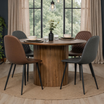
The warm, highly variegated tones of a chunky mango wood table lend themselves perfectly to industrial, bohemian, and rustic interiors, especially when paired with black metal dining chairs. Conversely, oak's refined, predictable grain is incredibly versatile. A heavy, turned-leg oak table is ideal for traditional farmhouse settings, whilst a streamlined, pale white oak table is the ultimate staple for sleek, Scandi-inspired minimalist spaces.
The Final Verdict: Oak Dining Tables vs Mango Wood Dining Tables
Ultimately, when deciding between oak dining tables vs mango wood dining tables, there is no definitive wrong answer—only what works best for your specific lifestyle.
If budget, rapid availability, and a highly unique, vibrant grain pattern are your priorities, alongside a strong desire for sustainable materials, mango wood is an exceptional and characterful choice. However, if you have the budget to invest in a heritage piece and require maximum, unyielding durability to withstand the daily chaos of a busy family household, oak remains an unbeatable, classic investment. Whichever you choose, bringing natural, solid wood into your dining room guarantees a warm, welcoming space for years to come.

Leave a comment
This site is protected by hCaptcha and the hCaptcha Privacy Policy and Terms of Service apply.