









When revamping your bedroom, choosing the right storage solutions is paramount. It is not merely about hiding away clothing and clutter; it is about enhancing the room's flow, preserving floor space, and elevating your interior design. One of the most common dilemmas homeowners face during a bedroom renovation is the great debate: Sliding Wardrobes vs Wooden Wardrobes.
Both options bring distinct and highly desirable advantages to the table. Whether you are drawn to sleek, contemporary lines or the inviting warmth of traditional timber, making the right choice requires careful consideration of your room's dimensions and your daily routine. In this comprehensive guide, we will explore both choices to help you find the perfect fit for your personal sanctuary.
The Contemporary Appeal of Sliding Wardrobes
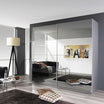
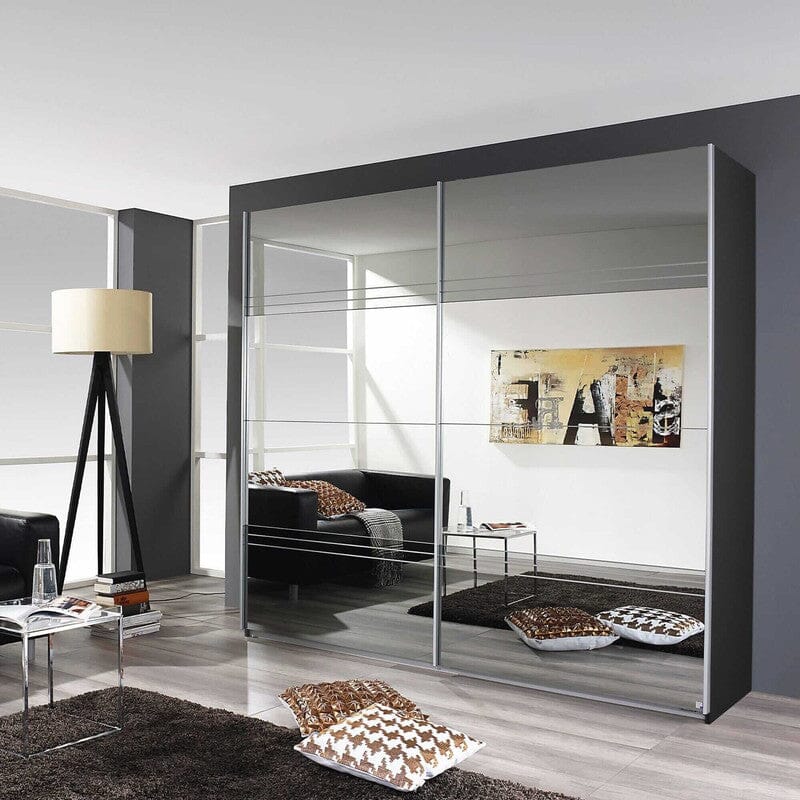
Sliding wardrobes have rapidly become synonymous with modern minimalist bedroom furniture designs. Because the doors glide horizontally along a track rather than opening outwards into the room, they are inherently excellent space-saving wardrobes. If you are struggling with limited floor space or awkward room layouts, this intelligent setup makes them arguably the best wardrobe for small bedrooms. You simply do not need to leave a wide clearance area for swinging doors, allowing you to place bed frames, bedside tables, or other furniture much closer to the unit.
When evaluating the hinged door vs sliding door mechanism, sliding doors offer a seamlessly flush, streamlined finish that looks incredibly chic. Furthermore, by incorporating mirrored sliding doors room lighting can be dramatically improved. The large reflective surfaces bounce both natural sunlight and artificial light around the room, making even the most cramped and dim spaces feel brilliantly bright, airy, and visually expansive.
The Timeless Charm of Wooden Wardrobes

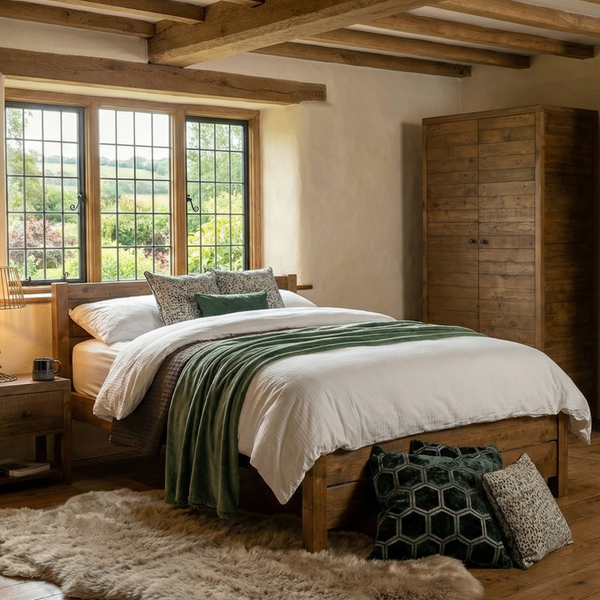
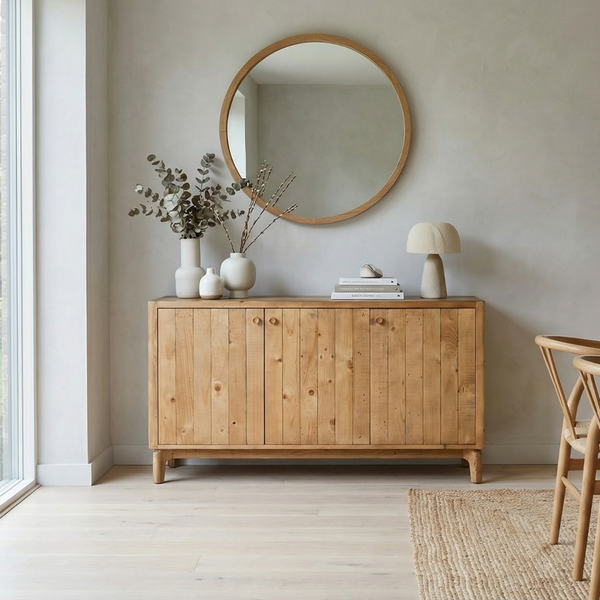
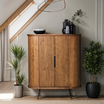
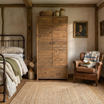
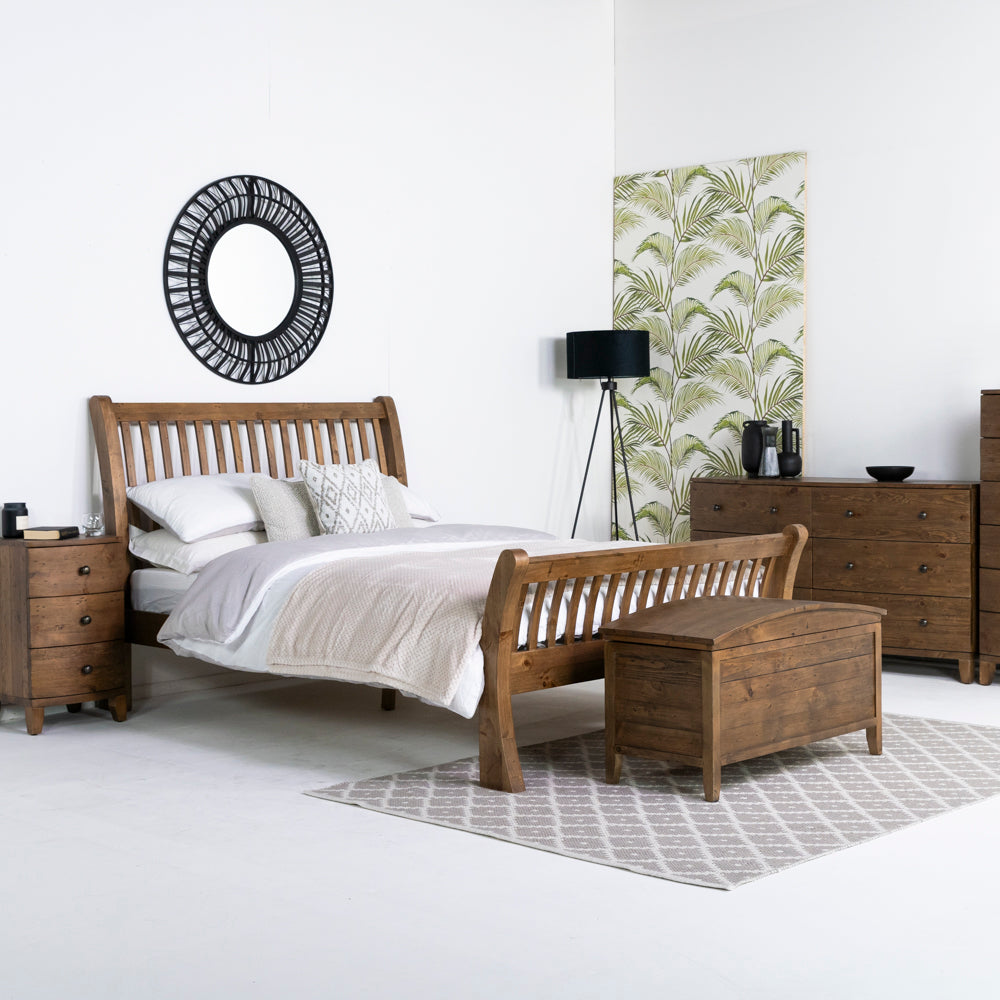
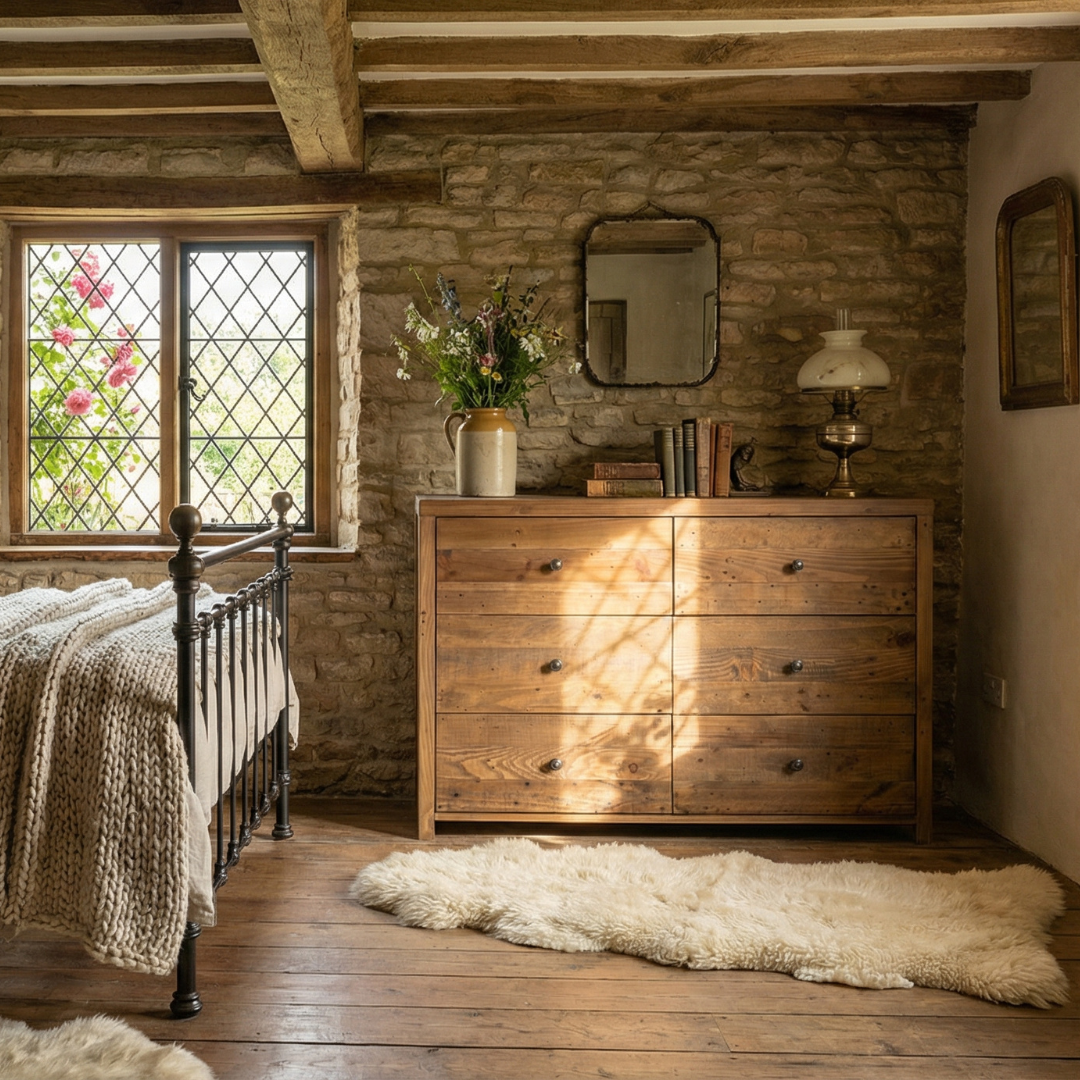
On the other side of the design spectrum, traditional wooden wardrobes offer a classic handcrafted furniture aesthetic that genuinely never goes out of style. There is a sense of heritage and robust craftsmanship associated with timber that is hard to replicate with modern laminates, metals, or glass.
There are undeniable freestanding solid wood armoire benefits. Foremost amongst them is portability. Unlike heavily fitted units, a freestanding wooden wardrobe can be taken with you if you move house, or effortlessly shifted if you simply decide to rearrange your bedroom layout for a fresh look.
Furthermore, when comparing the durability of solid wood vs engineered wood (the latter frequently being used for the hidden carcasses of modern sliders), solid oak, pine, mahogany, or walnut often wins on pure longevity. A well-crafted, solid wooden wardrobe can easily last for generations, eventually becoming a treasured family heirloom rather than a disposable piece of flat-pack furniture.
Head-to-Head: sliding wardrobes vs wooden wardrobes
To make an informed decision, it is essential to break down the practical, everyday differences in the sliding wardrobes vs wooden wardrobes debate. Let us look at a few critical factors:
-
Cost Implications: Many budget-conscious homeowners ask: are sliding wardrobes more expensive than hinged alternatives? Generally speaking, the initial outlay for high-quality sliding systems can be higher due to the complex, heavy-duty track mechanisms required and the materials used for large, seamless door panels. If you are looking into bespoke, made-to-measure options, the floor to ceiling built in wardrobe cost can escalate quite quickly. However, this investment undeniably adds significant value to your property by maximising every inch of available vertical space. Conversely, traditional freestanding wooden units offer a much wider range of price points, catering to everything from modest budgets to luxury spending.
-
Maintenance and Upkeep: Both styles require specific, albeit different, types of care. For sliding options, maintaining sliding door track rollers is absolutely essential. Regularly vacuuming the bottom tracks to keep them free of dust, pet hair, and debris ensures a smooth, silent glide and prevents the heavy doors from jumping the rails or becoming jammed.
-
Environmental Factors: Solid timber requires a different kind of vigilance, specifically regarding the environment of your room. Ensuring good moisture resistance in bedroom furniture is crucial, particularly if you live in an older British property prone to dampness or fluctuating humidity. Over time, seasonal humidity changes can cause natural timber to expand and contract. If left unchecked, you might eventually find yourself researching techniques for fixing warped wooden wardrobe doors.
Maximising Your Space and Internal Organisation

Regardless of the exterior facade you ultimately choose, the interior configuration is where the real daily magic happens. Effective space saving bedroom storage solutions rely heavily on how intelligently you lay out the inside of your unit.
Investing in custom internal wardrobe organizers can completely transform a standard, empty cupboard into a highly efficient, boutique-style dressing area. Consider incorporating a mix of pull-out shoe racks, pull-down hanging rails for high ceilings, deep drawers for chunky knitwear, and velvet-lined compartments for jewellery and watches. These tailored elements ensure that every single centimetre of your chosen wardrobe is utilised to its absolute fullest potential, preventing the dreaded "clothes chair" from taking over your bedroom.
Actionable Measurement Tips
Before committing to any purchases or bespoke commissions, understanding how to measure for wardrobe installation is a critical step that cannot be rushed.
-
Check Ceiling Heights: Always measure your ceiling height in at least three different places. Ceilings in most homes are rarely perfectly level, and assuming one measurement fits all can lead to disastrous installation issues.
-
Account for Depth: Check the available internal depth to ensure bulky winter coats or broad wooden hangers will not catch on the sliding or hinged doors when closed.
-
Mind the Obstacles: Do not forget to account for the depth and height of skirting boards, picture rails, coving, and even awkwardly placed plug sockets or radiators.
The Final Verdict
In the end, deciding between these two exceptional options comes down to a careful balancing act of your personal aesthetic tastes, your renovation budget, and the specific spatial constraints of your room. Sliding options undoubtedly excel in modern, compact environments where space efficiency, light enhancement, and sleekness are paramount. Meanwhile, traditional solid wood brings an unbeatable, warm character and a robust nature that comfortably stands the test of time. Take a moment to assess your room, consider your daily routine, and you will undoubtedly choose the perfect storage solution to turn your bedroom into the uncluttered haven you deserve.

Leave a comment
This site is protected by hCaptcha and the hCaptcha Privacy Policy and Terms of Service apply.