
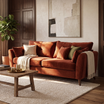



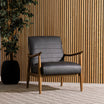

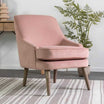
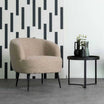




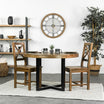

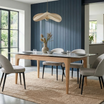

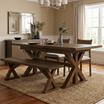


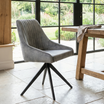












When redesigning your dining space, selecting the perfect seating can dramatically transform the entire room. The debate of Velvet Dining Chairs vs Leather Dining Chairs is a common one amongst homeowners looking to strike the perfect balance between style, comfort, and practicality. Both materials offer distinct advantages, but deciding which one best suits your lifestyle requires a closer look at aesthetics, day-to-day maintenance, and long-term durability.
Whether you are hosting lavish dinner parties or gathering for a chaotic weekday family breakfast, your seating needs to endure it all gracefully. Let us dive into the details to help you make an informed decision for your home.
The Allure of Velvet: Comfort Meets Glamour
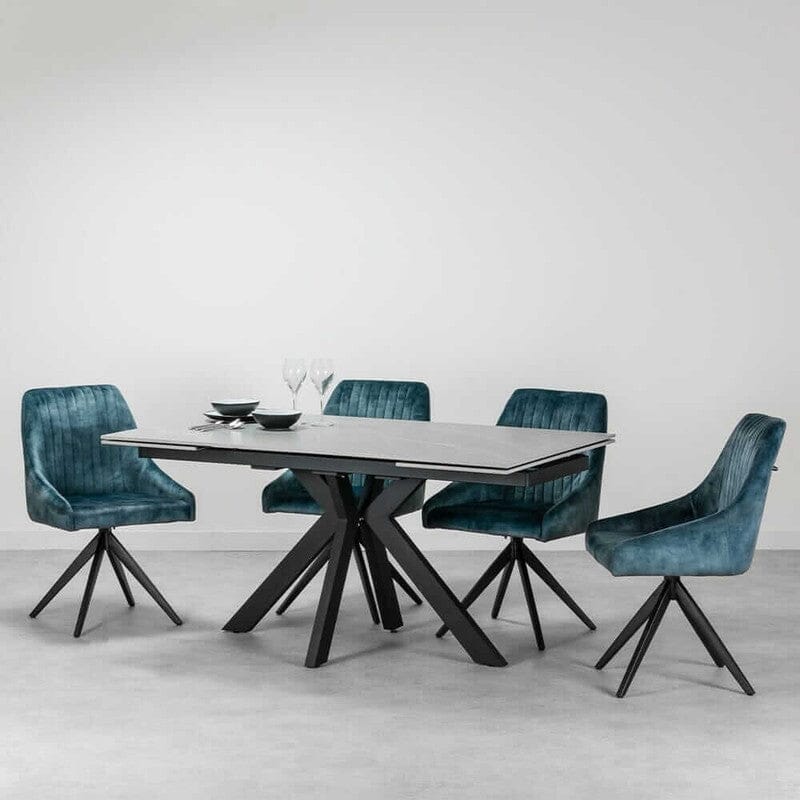
Nothing quite matches the sheer opulence of velvet dining chairs. Known for their rich colours and light-catching sheen, these elegant dining chairs bring an immediate sense of warmth and luxury to any setting. Because they are highly sought-after upholstered dining chairs, they come in a vast array of shades, from deep emeralds and navy blues to soft, muted blush pinks.
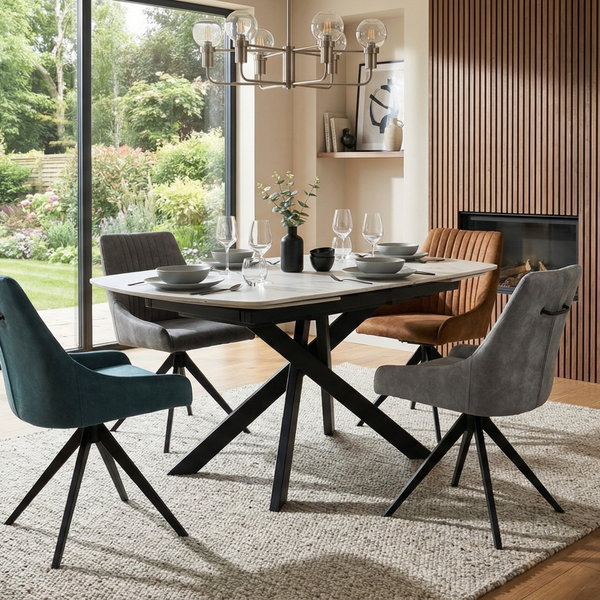
When styling velvet chairs in modern dining rooms, the trick is to use them as textural focal points. Pairing plush velvet seating with sleek, hard materials like a marble or ceramic dining table creates a stunning visual contrast that elevates the contemporary feel of the room.
Caring for Velvet
Many prospective buyers naturally wonder, are velvet chairs hard to maintain? Historically, velvet was considered a delicate fabric reserved for formal sitting rooms. Today, however, modern manufacturing has made it incredibly resilient.
-
Handling Accidents: Knowing how to clean velvet dining room spills is your first line of defence. If a spill occurs, immediately blot—do not rub—the liquid with a highly absorbent, clean cloth. Rubbing will push the stain deeper into the woven fibres.
-
Routine Care: Over time, velvet can develop "bruises" or flattened spots from regular sitting. Understanding how to restore crushed velvet pile will keep your chairs looking pristine. Simply use a handheld steamer from a safe distance to gently lift the fibres, followed by a light brushing with a soft-bristled clothes brush in the direction of the nap.
The Timeless Appeal of Leather: Sleek and Resilient

Leather offers a completely different aesthetic—one of sleek sophistication, natural beauty, and unmatched resilience. It adds a grounded, earthy quality to a dining room that ages wonderfully over the years.
A major health benefit to consider is the hypoallergenic properties of leather furniture. Because leather is a solid surface, it does not harbour dust mites, pet dander, or pollen the way woven fabrics do, making it an exceptional choice for allergy sufferers.
Leather Maintenance and Vegan Alternatives
To keep leather looking its best, a proper maintenance guide for genuine leather seats typically involves regular dusting with a dry cloth and the occasional deep clean. More importantly, understanding how to prevent leather from peeling and cracking is crucial. You should keep leather chairs away from direct heat sources like radiators and apply a high-quality leather conditioner every six to twelve months to keep the hide supple and hydrated.
If genuine leather does not align with your lifestyle or budget, you will want to weigh the pros and cons of vegan leather chairs.
-
Pros: Vegan (or faux) leather is far more budget-friendly, highly stain-resistant, and entirely cruelty-free.
-
Cons: It lacks the natural breathability of genuine hide and generally does not possess the same decades-long lifespan, meaning it may eventually crack under heavy daily use.
Head-to-Head: Practicality and Performance
When making a direct choice between these two exceptional materials, you have to consider how they will physically feel and perform in your home.
Texture and Comfort
If you conduct a texture comparison of fabric vs leather seating, the contrast is stark. Velvet provides a soft, temperature-neutral, and incredibly inviting touch—perfect for long, lingering dinners. Leather, whilst incredibly comfortable and supportive, can feel cool to the touch in winter and slightly sticky during a sweltering British summer.
Durability and Pets
Assessing the durability of velvet vs leather upholstery depends largely on your household. If you are evaluating performance velvet vs top grain leather longevity, it is worth noting that top-grain leather will generally outlast almost any fabric. It gracefully develops a unique patina over time. Performance velvet, however, is specifically engineered to resist fading and crushing, making it a robust modern alternative.
For households with animals, finding the best pet-friendly dining chair fabrics is vital. You might assume leather is best because fur easily wipes away, but sharp cat or dog claws can permanently scratch the hide. Surprisingly, high-quality velvet is often recommended for cat owners; because it is woven without loose loops, claws are far less likely to snag the material.
Regardless of the material you select, you can drastically improve its lifespan by exploring stain resistant treatments for dining upholstery. Many modern velvet and fabric chairs come pre-treated, or you can professionally apply protective sprays that create an invisible barrier against rogue splashes of red wine or Sunday roast gravy.
Aesthetics and Budget Considerations
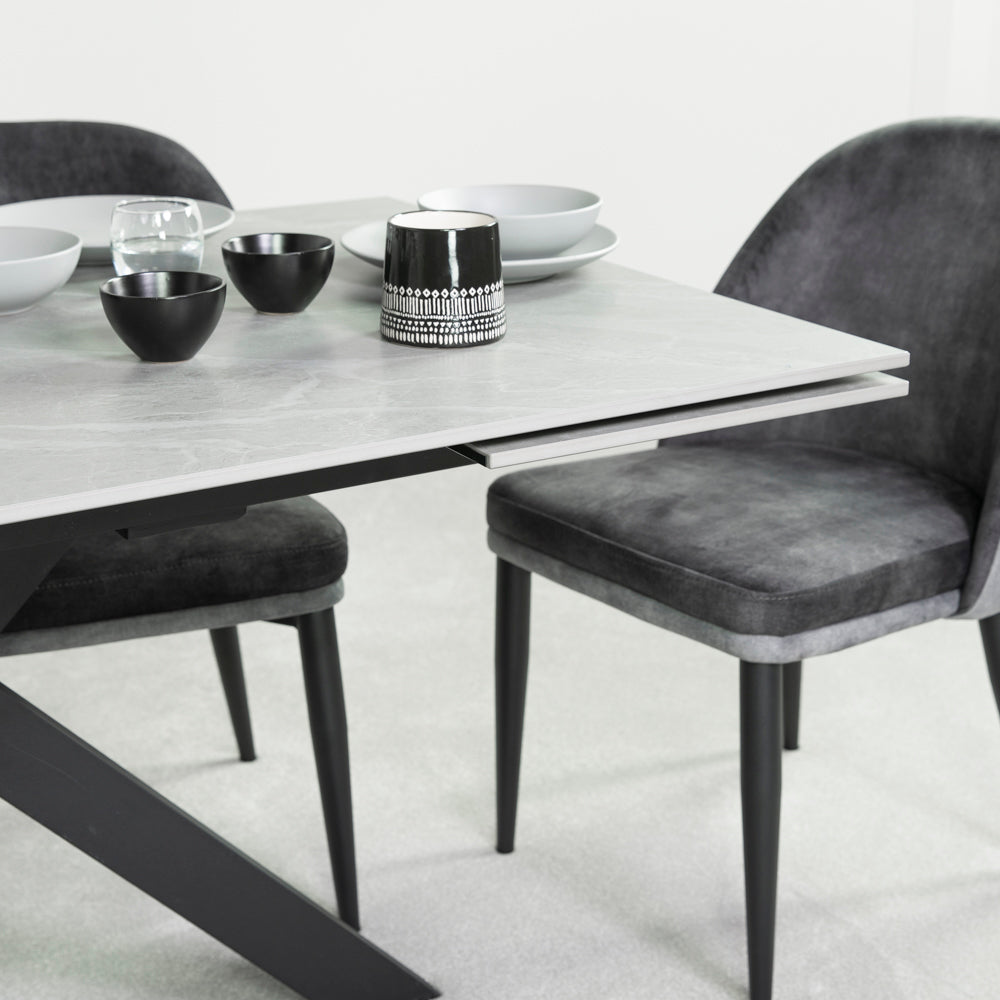
Ultimately, your decision will be influenced by the architectural style of your home and your budget.
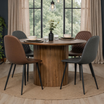
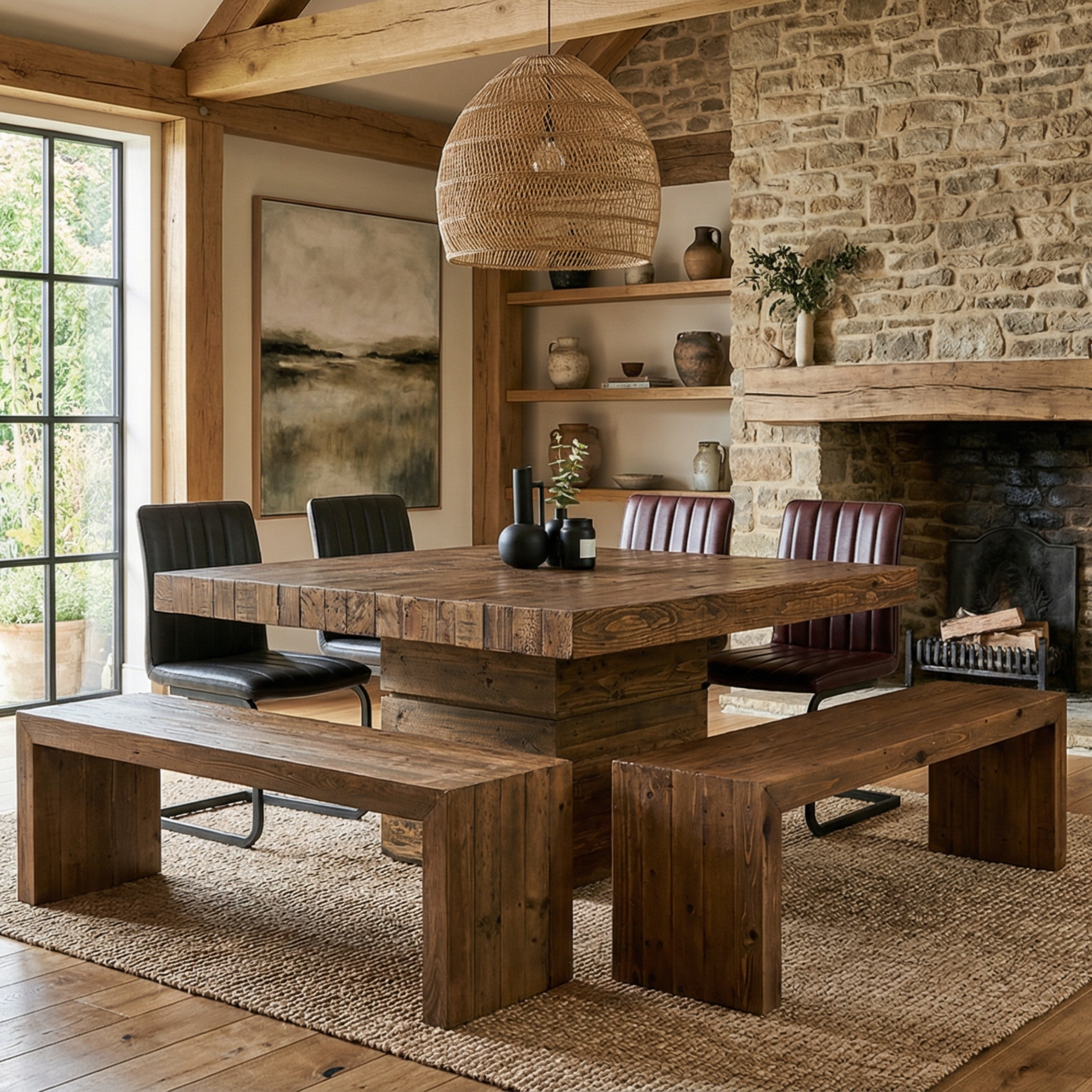
When looking at formal vs casual dining room furniture materials, leather often leans towards a traditional, rustic, or industrial aesthetic. It perfectly complements heavy oak tables and moody lighting. Velvet, on the other hand, bridges the gap between formal luxury and eclectic modernism, offering a softer silhouette.
Finally, we must look at the financials. A price comparison of high-end dining chair finishes reveals that authentic, top-grain leather chairs typically command a higher upfront cost than their velvet counterparts. However, when you factor in the impressive, multi-decade lifespan of genuine leather, it often proves to be the more cost-effective investment over time. Conversely, velvet allows you to achieve a highly luxurious, designer look at a more accessible price point, leaving extra room in the budget for a statement chandelier or stunning tableware.
Final Thoughts
The choice between velvet and leather ultimately boils down to the unique demands of your home. If you crave warmth, vibrant colour, and a touch of glamour, velvet is an unparalleled choice that is much easier to care for than you might think. If you prefer a wipe-clean, hypoallergenic surface that grows more characterful with age, genuine leather is a timeless investment. Whichever you choose, both materials promise to bring elegance and comfort to your dining table for years to come.

Leave a comment
This site is protected by hCaptcha and the hCaptcha Privacy Policy and Terms of Service apply.