
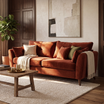
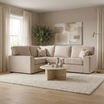



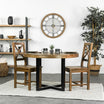
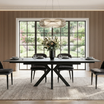
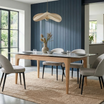

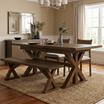
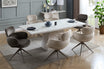







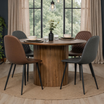
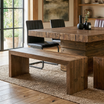
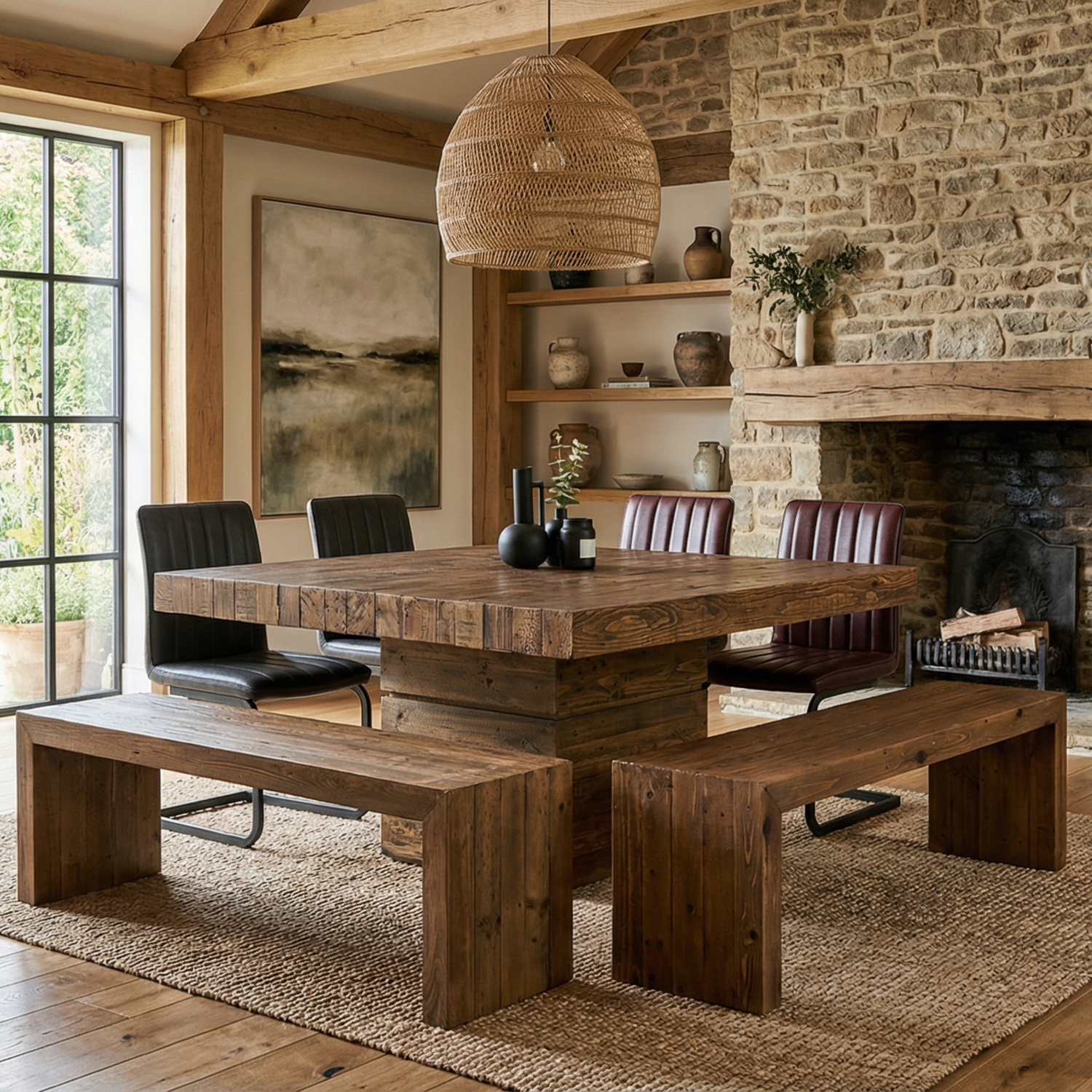
Imagine your next holiday dinner. Are your guests squeezed together on a trendy bench, or is everyone tucked into their own private seat? Deciding between Dining Benches vs Dining Chairs dictates the entire vibe of your meal. Interior designers note that seating creates the "social physics" of a room—determining whether people playfully lean in for an energetic, communal breakfast or comfortably settle back for a two-hour board game night.
Beyond dinner party dynamics, consider how bulky the furniture appears in your home. Decorators refer to this concept as "visual weight." A backless bench acts like a low horizon line to keep a room looking open, offering brilliant space-saving seating for small dining rooms. Conversely, tall chairs add traditional structure but can easily clutter a tight area with a distracting forest of wooden legs.
Finding the perfect balance depends entirely on your specific floor plan and daily habits. While exploring dining chair alternatives for modern homes, remember there is no universally correct choice. You only need the right fit for your unique lifestyle and footprint. Reviewing the practical realities of each option ensures you can confidently create a beautiful, functional gathering space.
How Dining Benches Save 30% More Floor Space in Small Rooms
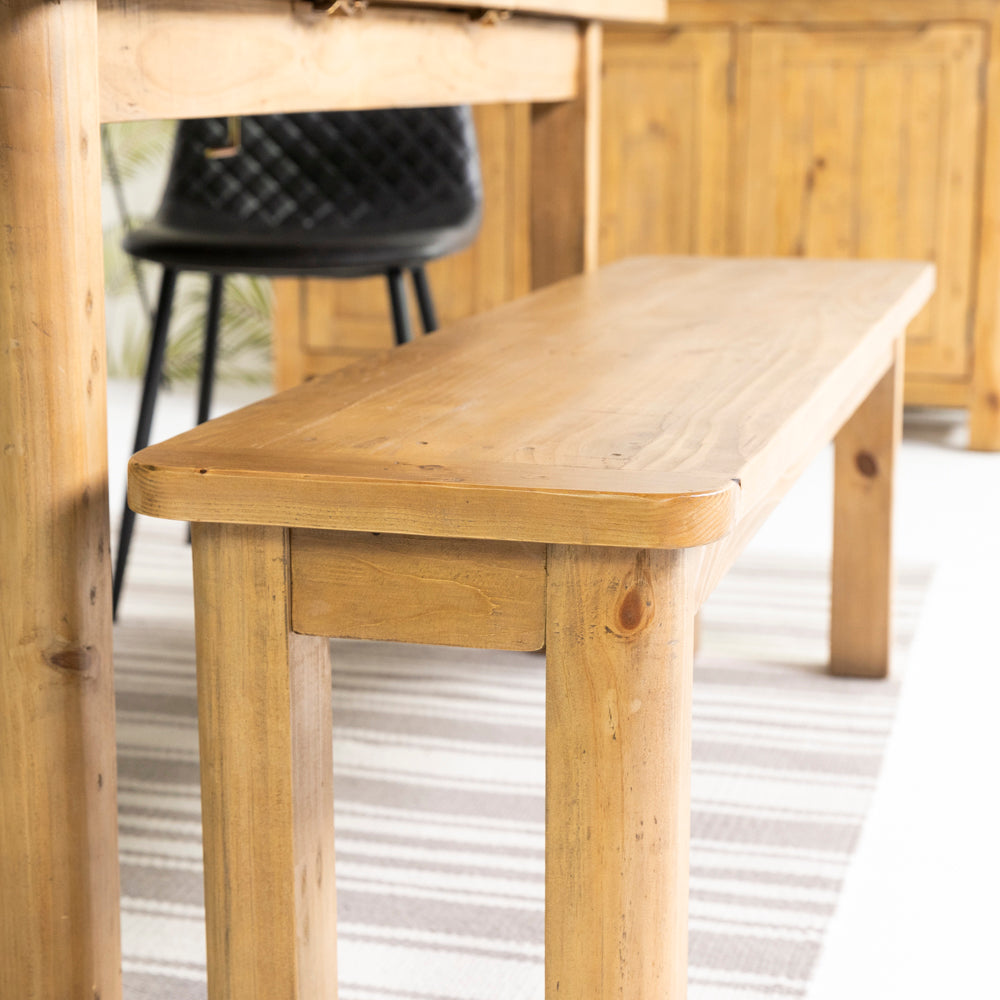
Squeezing past someone eating dinner is a frustrating reality in many homes. When debating a bench vs chair for your layout, the biggest advantage comes down to "tucking depth"—how far a seat slides completely out of the way when empty. Because backless designs lack the vertical hurdle of a tall backrest, they provide the ultimate compact seating solution.
Standard room designs rely on a simple rule of thumb: you need 36 inches of "floor clearance" behind the table so guests can push back and stand up. By tucking benches under tables to save floor space, you completely reclaim that footprint during the day. Suddenly, a cramped kitchen nook gains enough room for you to comfortably walk past with a bulky laundry basket.
Beyond just physical inches, removing a row of wooden chair backs opens your sightlines, making the whole area feel twice as large. Run through this space-saving checklist to ensure your new seating fits perfectly:
-
Table Height Requirements: Leave 10 to 12 inches of vertical space between the bench seat and the bottom of the table for comfortable legroom.
-
Floor Clearance: Verify you still have that 36-inch walking path for the moments when guests are actively pulled out and seated.
-
Bench Depth: Pick a seat around 15 inches deep so it hides flawlessly between the table legs.
A clearer floor plan makes everyday tasks like sweeping up crumbs much smoother. Yet, while a sleek bench is perfect for keeping walkways open during quick morning coffees, it does alter how your body handles a long meal.
The "Duration Test": Why Chairs Win for Three-Course Dinners
Think about how you actually use your table. A quick bowl of cereal takes ten minutes, but hosting a holiday dinner anchors guests in place for hours. When people ask, “are dining benches comfortable for long meals”, the answer comes down to the physical difference between "perching" and "sitting." Backless benches are fantastic for perching—leaning forward with your elbows on the table to grab a quick bite. However, they force your core muscles to work constantly to keep you upright, which quickly becomes exhausting.
Traditional chairs solve this fatigue by doing the heavy lifting for your spine. Proper ergonomic support for dining table seating relies heavily on lumbar support, which is the structural backing that cradles the natural inward curve of your lower back. When you lean back into a well-designed chair, your muscles can finally relax, allowing you to focus on the conversation instead of an aching posture. This crucial lower-back support makes traditional chairs the undeniable winner for lingering dinners.
Fortunately, you do not have to completely sacrifice a communal vibe to keep your guests comfortable. Adding a backrest to a bench beautifully bridges the gap between modern aesthetics and physical relief. Choosing upholstered dining seating for formal occasions—like a plush banquette against a wall—gives you the horizontal footprint of a bench with the cushioned spine support of a chair.
Balancing a quick morning perch with long-term comfort is only half the seating battle. Once everyone is comfortably settled, a completely different challenge arises when someone suddenly needs to leave the table. The physical design of your furniture directly impacts movement, highlighting the "middle-man" problem of managing social dynamics and accessibility.
The "Middle-Man" Problem: Managing Social Dynamics and Accessibility
Imagine hosting a dinner party where the guest seated dead-centre on your stunning bench needs a quick glass of water. Suddenly, the entire row must do a synchronised shimmy just to let them out. This "trapped-in-the-middle" factor highlights a major difference in lateral accessibility—the ability to slide sideways to easily leave the table. While a standard chair pulls straight back independently, a bench requires coordinated teamwork.
Generational physical needs heavily dictate how frustrating this shared seating dynamic will be for your household:
-
Children (Pros): Benches make excellent kid-friendly furniture for breakfast nooks, letting toddlers scramble up easily and squeeze closely together without complaining.
-
Seniors (Cons): The lack of armrests on benches makes standing up safely quite difficult. The independent accessibility of chairs for elderly guests provides essential physical leverage and stability.
Even with those awkward middle exits, shared seating absolutely shines when you need to fit just one more person. If your primary goal is maximising seating capacity for large families or chaotic holiday gatherings, a bench seamlessly turns a rigid dining space into a highly flexible zone. You no longer have to carefully count individual chair legs or worry about guests bumping armrests.
You certainly do not have to commit entirely to a cafeteria-style row or a strictly formal set of individual seats to keep everyone comfortable. The smartest way to solve this accessibility dilemma is by deliberately combining communal flexibility with sturdy independence. The real magic happens when seamlessly blending both of these seating styles across the exact same table.
Mixing and Matching: How to Blend Benches and Chairs for a Designer Look
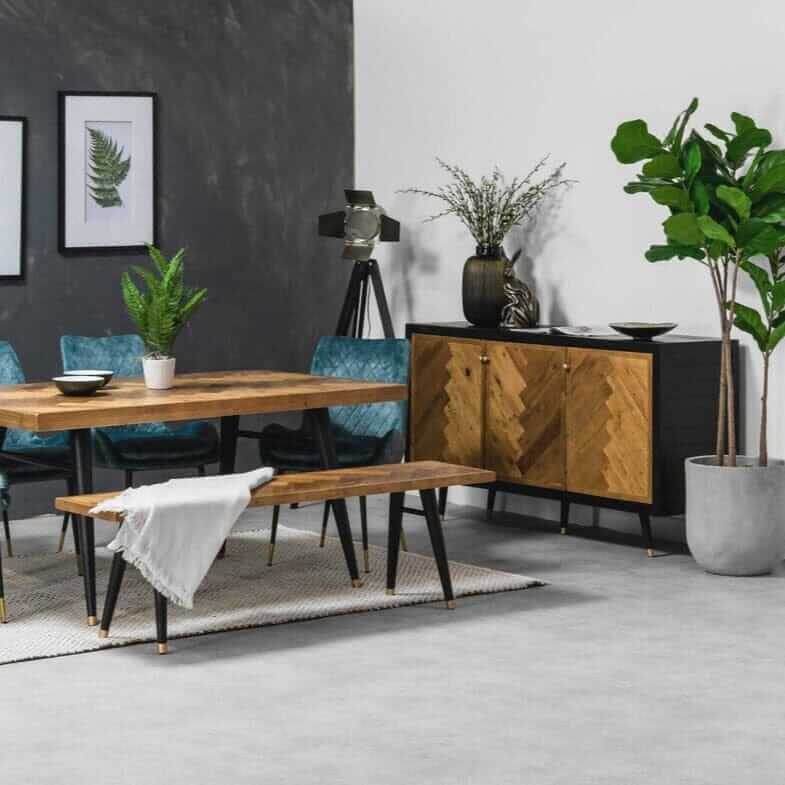
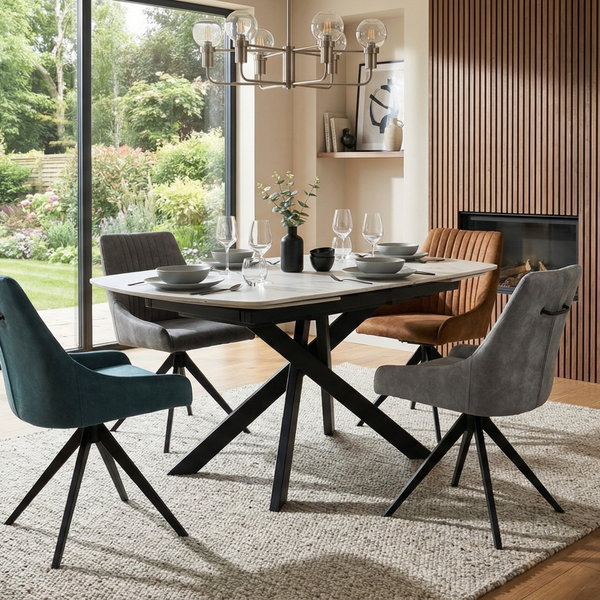
A perfectly matching dining set can sometimes feel a bit stiff. Instead of a welcoming gathering space, you might notice a cluttered tangle under the table. By mixing and matching chairs with dining benches, you immediately clear away half of that visual clutter. The bench acts like a clean horizon line, keeping the room looking wide and effortlessly open.
Achieving this curated style relies on visual balance within an asymmetrical layout. Rather than mirroring every seat, you anchor one side with a solid piece and lighten the opposite side with open frames. If you love a mid-century modern furniture aesthetic, pairing sleek, tapered-leg chairs opposite a simple wood bench looks professionally designed yet highly approachable. The only strict rule is purely functional: always ensure your bench and chairs share the exact same seat height so nobody feels left out.
To pull off this hybrid approach, try one of these reliable room configurations:
-
The Classic Anchor: Place a long bench flat against the wall and line up three individual chairs directly across from it.
-
The Cosy Corner: Explore banquette seating ideas for kitchen alcoves by pushing an L-shaped bench into a corner, using chairs only on the open sides.
-
The End-Cap Swap: Run benches along both long sides of the table, but place two commanding, stylised chairs at either end.
Now that you have arranged your ideal setup, the focus shifts to ensuring it survives daily meals. Sliding a heavy communal bench requires different care than scooting back a lightweight chair, demanding practical maintenance for high-traffic seating.
Floor Protectors and Fabric Choice: Practical Maintenance for High-Traffic Seating
Everyday meals mean constantly scooting seats in and out, which introduces a hidden enemy to your room: drag friction. Because a dining bench is significantly heavier than a single chair, pulling it backward while occupied grinds the legs forcefully downward. When it comes to protecting hardwood floors from heavy furniture, standard adhesive felt pads usually peel off under this intense dragging pressure. Instead, install screw-in nylon glides that stay securely attached, allowing heavy seating to slide smoothly without gouging the wood.
Spills are another inevitable reality, especially if you love the plush comfort of upholstered dining seating. While solid wood wipes clean instantly, padded seats require smart material choices to survive daily life. Performance fabrics are the ultimate upgrade for busy homes. These textiles resist stains right at the thread level, meaning dropped food or splashed wine simply sits on the surface waiting for a damp cloth, rather than soaking into the cushion.
Combining smooth floor glides with stain-resistant fabrics dramatically cuts down your weekly cleaning time. Just remember that adding thick cushions or heavy floor pads can slightly alter your seat elevation. Always ensure any adjustments keep you at the best seating height for standard dining tables—typically 18 inches—for maximum comfort. With your materials protected against daily wear, your seating choice can seamlessly integrate into your home.
The Final Verdict: Which Seating Option Fits Your Specific Lifestyle?
You no longer have to guess which seating style fits your daily rhythm. When weighing dining benches vs chairs, your choice depends on lifestyle. Choose a bench if you are a small space renter tucking seats away, or a parent squeezing in extra kids. Opt for chairs if you host long dinners demanding reliable back support. Settle the bench vs chair debate with this practical plan:
-
Tape the footprint: Outline the seating dimensions directly on your floor with painter's tape.
-
Check clearance: Verify you have adequate walking clearance behind each seat so guests aren't trapped.
-
Run a duration test: Sit on a backless stool for an hour to gauge your comfort levels before committing to a backless design.
Comparing Dining Benches vs Dining Chairs isn't just about aesthetics; it is about engineering the social energy of your meals. With careful planning, you can select seating that perfectly fits your space and enhances your dining experience.

Leave a comment
This site is protected by hCaptcha and the hCaptcha Privacy Policy and Terms of Service apply.