










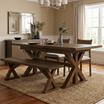




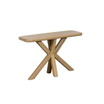






When furnishing a home, striking the perfect balance between form and function is paramount. You might easily find yourself staring at an empty lounge or a bare hallway, wondering exactly how to ground the space. Often, the great design debate boils down to a classic match-up: Coffee Tables vs Console Tables.
While both are brilliant, versatile home decor tables, they serve entirely different masters when it comes to layout, flow, and purpose. Understanding how each piece influences the visual weight in interior design—meaning how heavy or light a piece of furniture looks within a room—is the key to creating a harmonious, welcoming home.
Whether you are starting from scratch or simply refreshing your current layout, this comprehensive guide will help you determine exactly which piece is right for your space.
The Heart of the Lounge: Coffee Table Uses
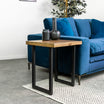
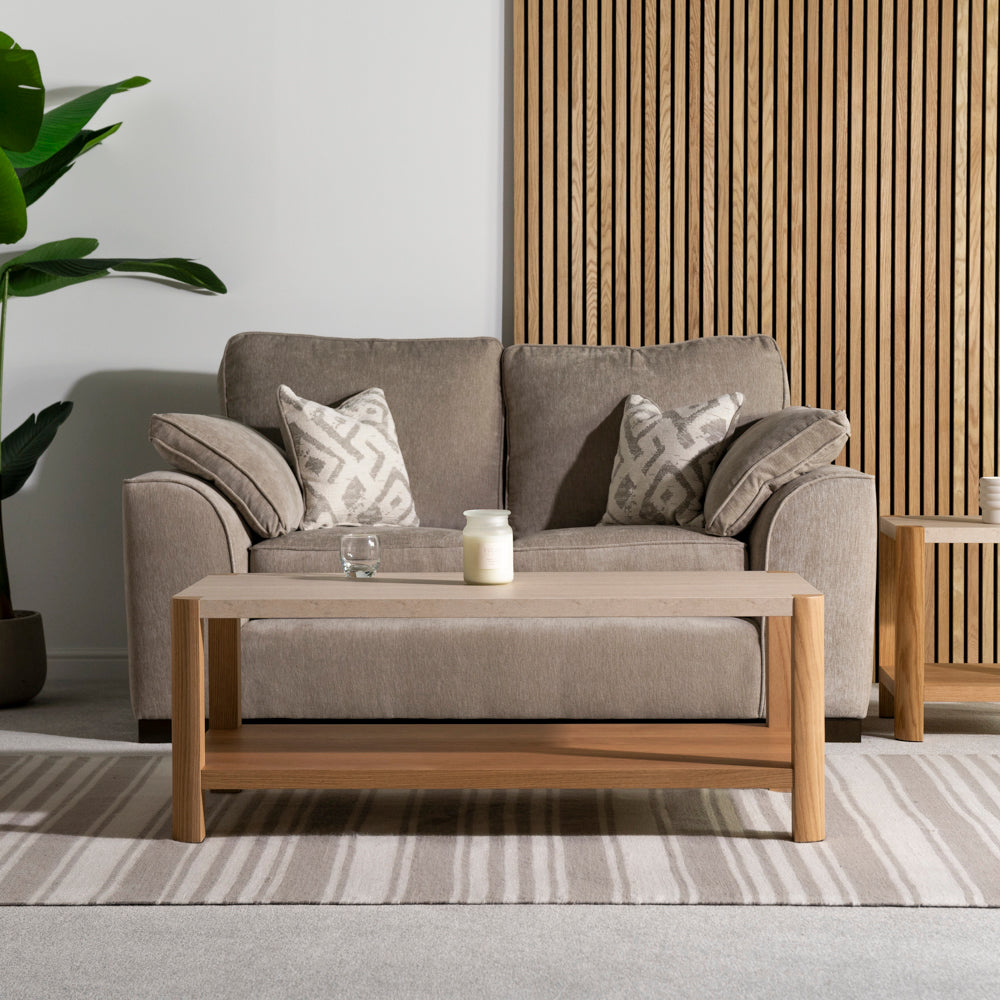
Coffee tables are traditionally the steadfast centrepiece of a seating arrangement. Positioned right in front of your main sofa, they naturally anchor the room. Typical coffee table uses range from holding your morning cuppa and evening glass of wine, to displaying curated art books and housing those elusive remote controls.
If you frequently host guests, you must carefully consider the surface area requirements for entertaining. A generously sized coffee table provides ample room for a charcuterie board, drinks, and even board games during family get-togethers. Because they sit in the middle of the room, coffee tables draw the eye immediately, making them a fantastic spot to showcase your personal style.
What is the Purpose of a Console Table?
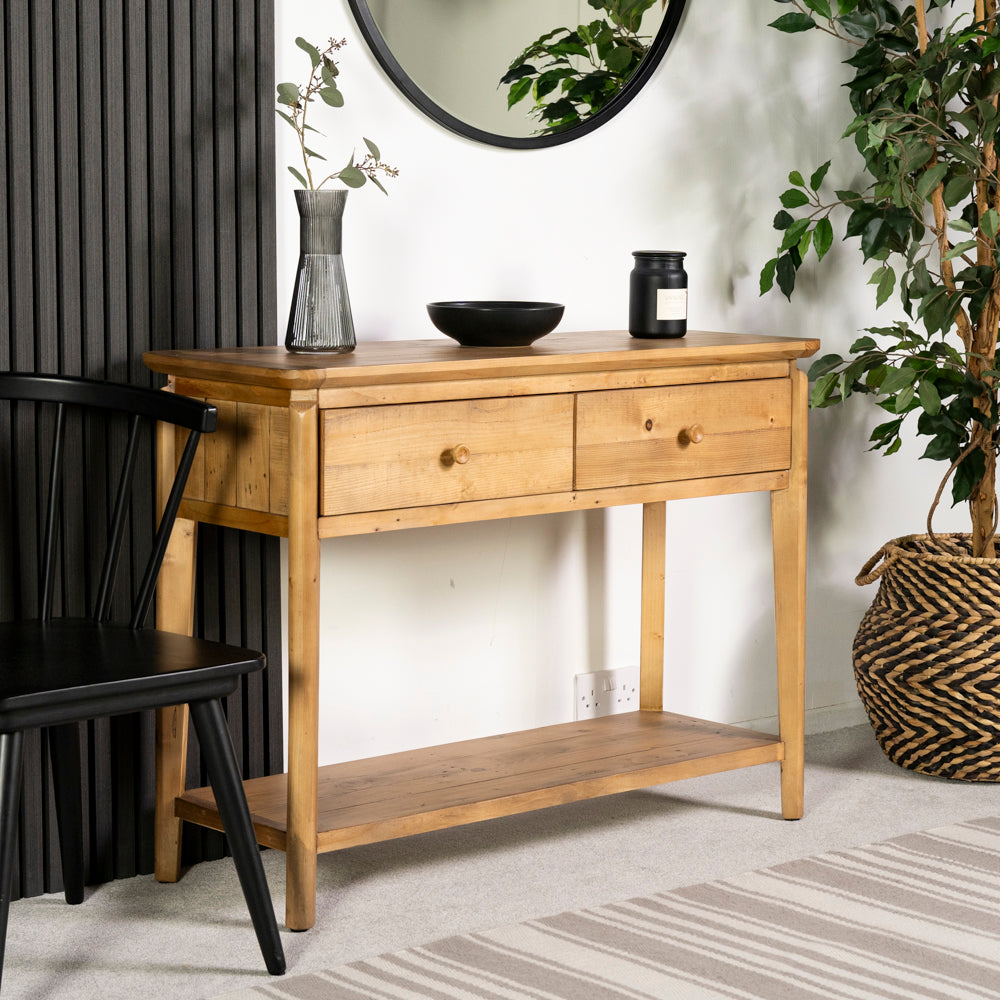
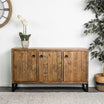
If you are new to interior terminology, you might be asking, what is the purpose of a console table? Unlike the low-slung, centrally placed coffee table, a console is tall, shallow, and incredibly adaptable.
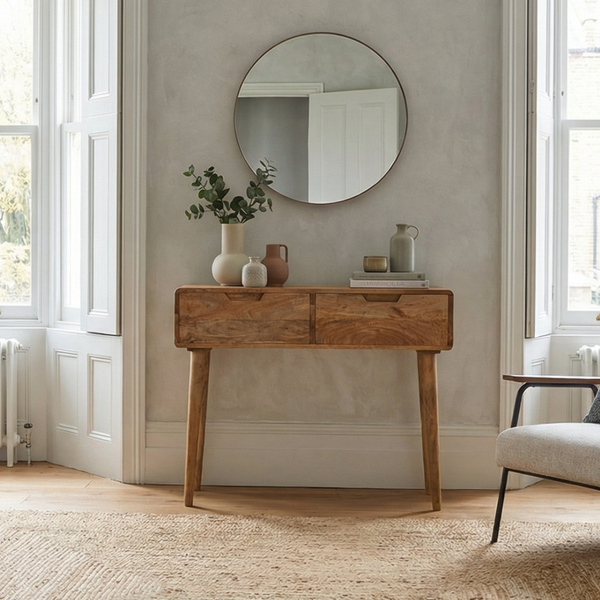
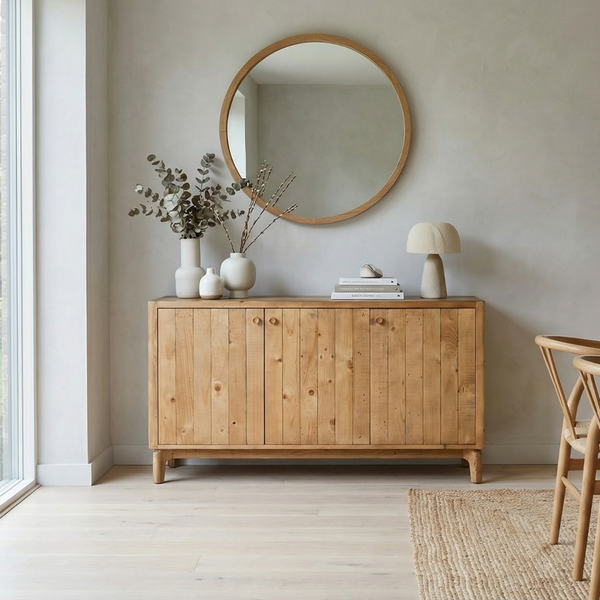
Traditionally placed flat against a wall or flush against the back of seating, its primary job is to offer a highly functional drop-zone or an elegant display surface without encroaching on valuable floor space. For instance, a narrow console table for entryway use is a classic British interior choice, perfect for tossing your keys, sorting the post, and keeping umbrellas tidy as you walk through the front door.
Coffee Tables vs Console Tables: Understanding Table Functionality
When evaluating coffee tables vs console tables, the distinction often comes down to proportions and placement. The ongoing debate of a sofa table vs coffee table essentially highlights the distinct differences between tall vs short living room tables.
-
Height and Reach: Coffee tables sit low. The standard coffee table height is typically between 40 cm and 45 cm, aligning perfectly with the seat cushions of your sofa to allow for easy, comfortable reach.
-
Framing the Room: Console tables—frequently referred to as sofa tables when placed behind seating—stand much taller, usually around 75 cm to 85 cm high. They excel at displaying tall table lamps, framing a room’s borders, and facilitating decorating behind a couch so you aren't left staring at a bland, bulky expanse of upholstery in an open-plan room.
Getting the Measurements Spot On
Mastering your room's spatial planning is vital, especially when looking into accent table dimensions for small apartments. An oversized piece will make a room feel cramped and clumsy, whilst a diminutive one will look completely lost. Here are a few golden rules of measurement:
-
The Golden Gap: The optimal distance between sofa and coffee table is roughly 35 cm to 45 cm. This ensures your legs aren’t squashed whilst still allowing you to reach your cup of tea without straining.
-
Navigating the Room: Always prioritise proper furniture placement for high traffic areas. You should leave a minimum of 75 cm to 90 cm of clear walking space around your living room tables. If you have a bustling household with children or pets, this clearance is absolutely non-negotiable.
Living Room Furniture Layout Ideas
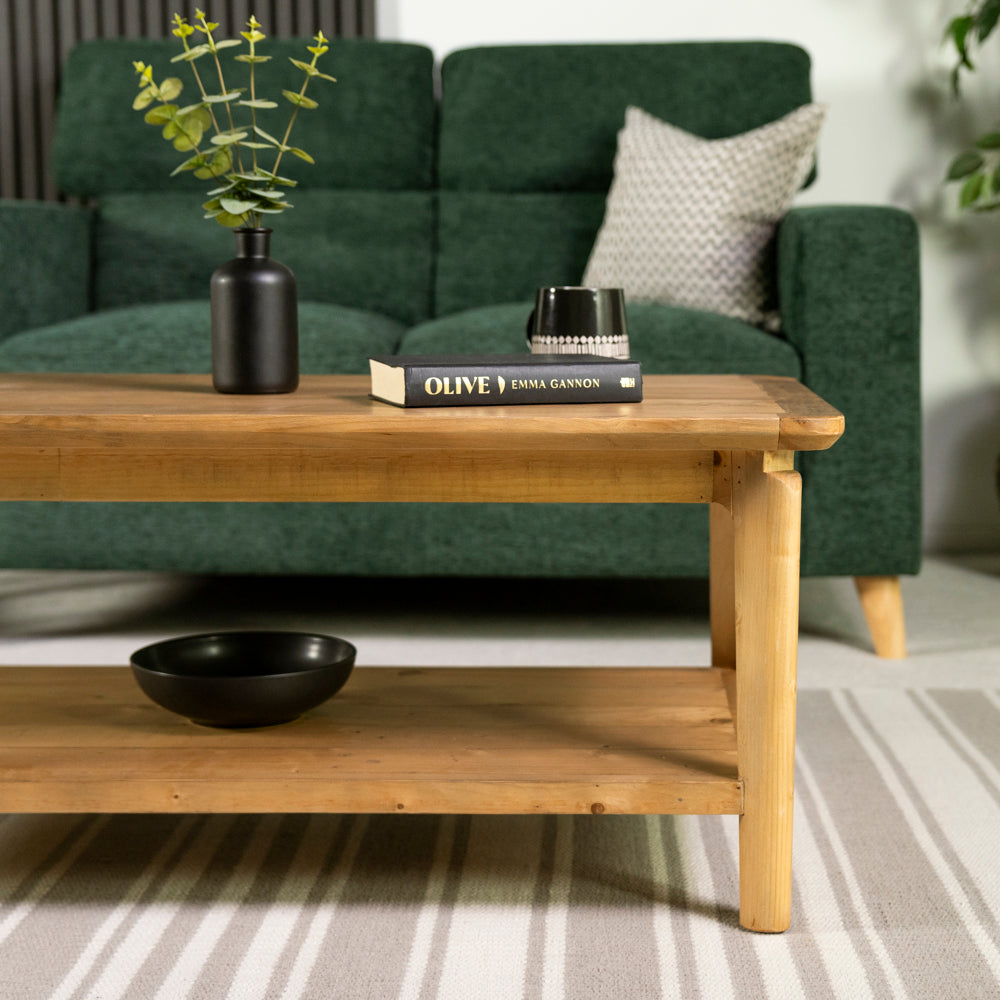
How you arrange your tables dictates how a room feels and functions. If you are struggling with a tricky floor plan, consider these living room furniture layout ideas:
-
The Long and Narrow Room: Choosing the right table for a narrow living room can be a headache. A bulky, square coffee table will immediately block the flow of traffic. Instead, opt for an elongated, oval coffee table with slim metal legs to keep the floor visible. Alternatively, skip the central table entirely and use a slimline console table against the wall, paired with movable side tables.
-
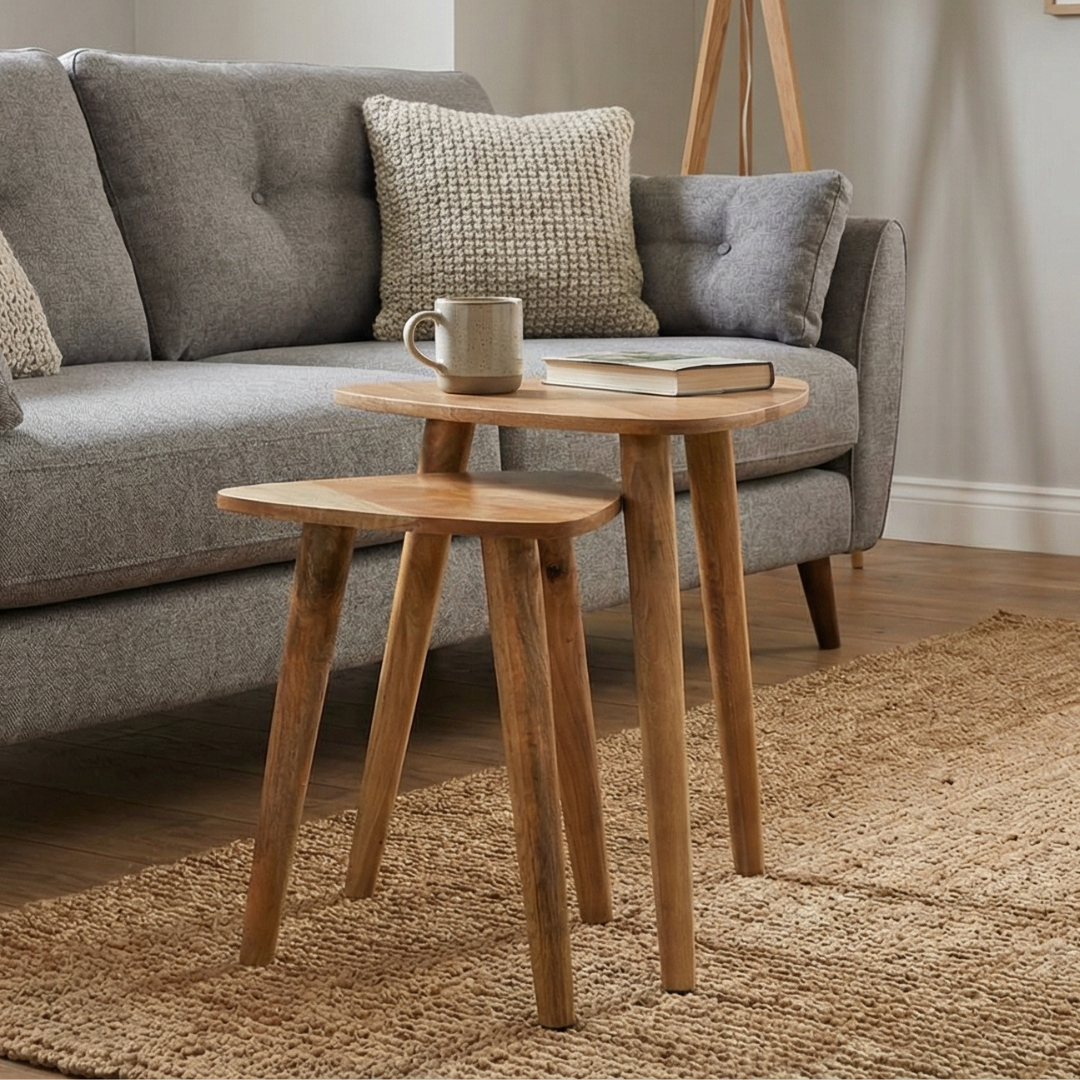
Compact Spaces: When hunting for small living room space saving furniture, consider nesting tables or glass consoles. Transparent materials like glass or acrylic drastically reduce visual weight, making a tiny room feel much more open and breathable.
A Quick Table Style Guide
Selecting the correct piece of furniture is only half the battle; how you style it matters just as much. Below is a brief table style guide to help you maximise the aesthetic appeal of your chosen pieces.
Console Table Ideas
-
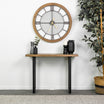
Welcoming Hallways: When styling a console table in a hallway, the goal is to create a stunning first impression. Hang a large mirror directly above the table to bounce natural light around the corridor. Add a structural table lamp for a warm glow, a stylish catch-all tray for everyday items, and a tall vase of fresh foliage or dried pampas grass.
-
Behind the Seating: If your seating arrangement floats in the middle of a large room, a console table acts as a brilliant visual buffer. Top it with twin lamps to create soft, ambient lighting for reading, and intersperse framed family photographs and small trailing house plants.
Coffee Table Styling Tips
-
The Rule of Three: Interior designers love odd numbers. Grouping objects in threes—such as a stack of hardback books, a textured decorative bowl, and a scented candle—creates a balanced, effortless look.
-
Varying Heights: Mix low-profile items, like elegant stone coasters, with taller pieces, such as tapered candlesticks. This draws the eye upwards and prevents the surface from looking flat and uninspired.
The Final Verdict
Ultimately, deciding which piece to invest in relies heavily on your room’s architecture and your daily routine. Do you need a robust, central surface for family movie nights, casual suppers, and resting your feet? The coffee table is your undisputed champion. Are you looking to add an elegant focal point to a corridor, or need a clever way to delineate space in an open-plan lounge? Then the console table is exactly what you require.
Fortunately, the best interior designs rarely force you to choose just one. If space permits, integrating both allows you to enjoy the unique table functionality each piece provides. By carefully considering scale, purpose, and your own personal style, you can effortlessly transform a basic room into a beautifully curated, highly practical home.

Leave a comment
This site is protected by hCaptcha and the hCaptcha Privacy Policy and Terms of Service apply.