




































Ceramic table tops combine the refined look of stone with the everyday practicality modern homes need. They are valued for heat resistance, durability, stain resistance, and easy cleaning, making them especially useful for dining rooms, kitchens, patios, and busy family spaces. If you are comparing a ceramic dining table, a sintered stone table, or another hard-surface option, understanding how ceramic performs can help you choose with confidence.
What is a ceramic table top?
A ceramic table top is a hard, engineered surface made from mineral-based materials that are shaped and fired at high temperatures. In furniture, ceramic is often bonded to a support layer such as glass, aluminum, or composite backing to create a stable tabletop that looks elegant without being overly delicate. The result is a ceramic top table that can handle daily meals, hot dishes, spills, and frequent cleaning while still giving the room a polished, design-led feel.
Ceramic surfaces can resemble marble, concrete, slate, terrazzo, or solid-color stone, which makes them versatile across many interior styles. Unlike natural stone, which can vary widely in porosity and maintenance needs, ceramic is designed for consistent performance. That is one reason the benefits of ceramics are so appealing in furniture: you get a premium look with fewer everyday worries.
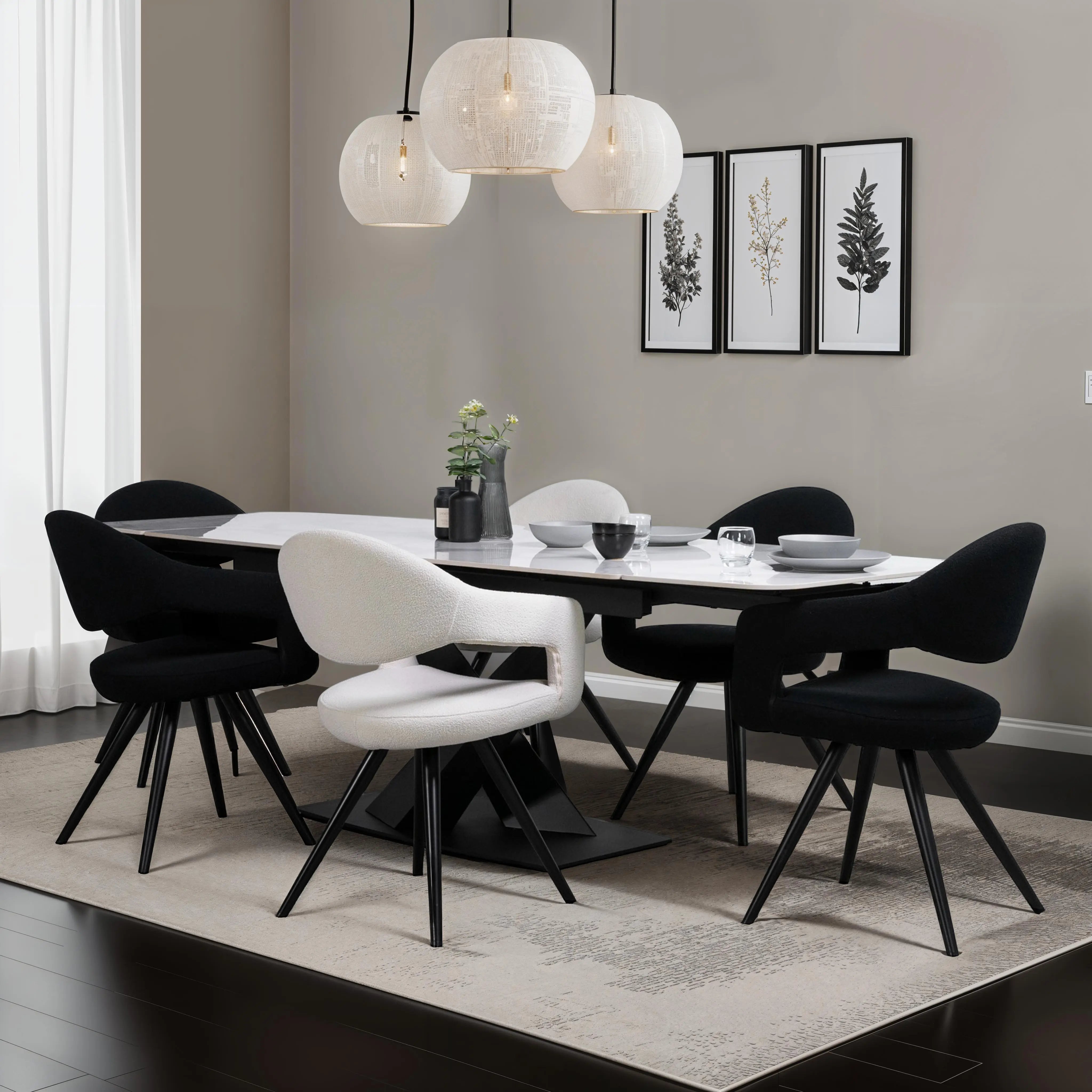
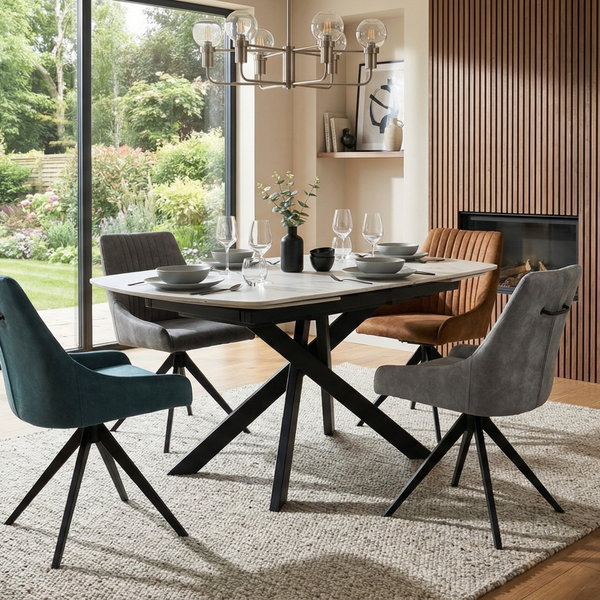
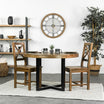
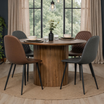
Denver Ceramic Extendable Dining Table (180cm-260cm)
The everyday advantages of ceramic table tops
One of the clearest advantages of a ceramic table top is that it suits real life. Dining tables are not just decorative pieces; they are used for meals, laptops, homework, coffee cups, serving platters, crafts, and conversations. A surface that resists common damage helps the table stay attractive for longer.
Key ceramic table tops benefits include:
-
Heat tolerance: Heat-resistant ceramics can usually cope with warm plates, mugs, and serving dishes better than many wood, laminate, or lacquered surfaces.
-
Scratch resistance: Ceramic is a hard material, so it stands up well to everyday contact from plates, cutlery, and décor.
-
Stain resistance: Spills such as coffee, wine, sauces, and oils are less likely to soak in when the surface is non-porous.
-
Low maintenance: Routine cleaning typically takes a soft cloth, mild soap, and water.
-
Style flexibility: Ceramic can be finished in textures and colors that suit minimalist, rustic, industrial, and luxury interiors.
These benefits of a ceramic table are particularly useful in open-plan homes, where the dining table is visible from the kitchen or living area. It needs to look good, but it also needs to work hard.
Material science, durability, and hygiene benefits
The performance of ceramic starts with material science. Ceramic table surfaces are made from inorganic minerals that are compacted and fired, creating a dense structure with very low porosity. Some modern tables use sintered ceramic or sintered stone, a related process that uses pressure and heat to fuse minerals into a strong slab. That is why a sintered stone table and a ceramic dining table often share similar benefits: hardness, heat resistance, and a stone-like appearance.
Durability comes from this dense, fired structure. Because the material is hard and stable, it is less prone to dents than softer surfaces and less likely to warp from normal household humidity than untreated wood. It also resists fading better than many decorative finishes, especially when the color or pattern is integrated into the surface rather than simply coated on top. While no tabletop is indestructible, ceramic is built to tolerate the kind of daily wear that quickly marks more delicate materials.
Hygiene is another important advantage. A non-porous ceramic surface does not readily absorb liquids, food residue, or odors. That makes cleanup easier after meals and reduces the chance that stains or moisture will linger in the tabletop. For households with children, pets, frequent guests, or a love of cooking, this simple hygiene benefit can make the table feel easier to live with every day.
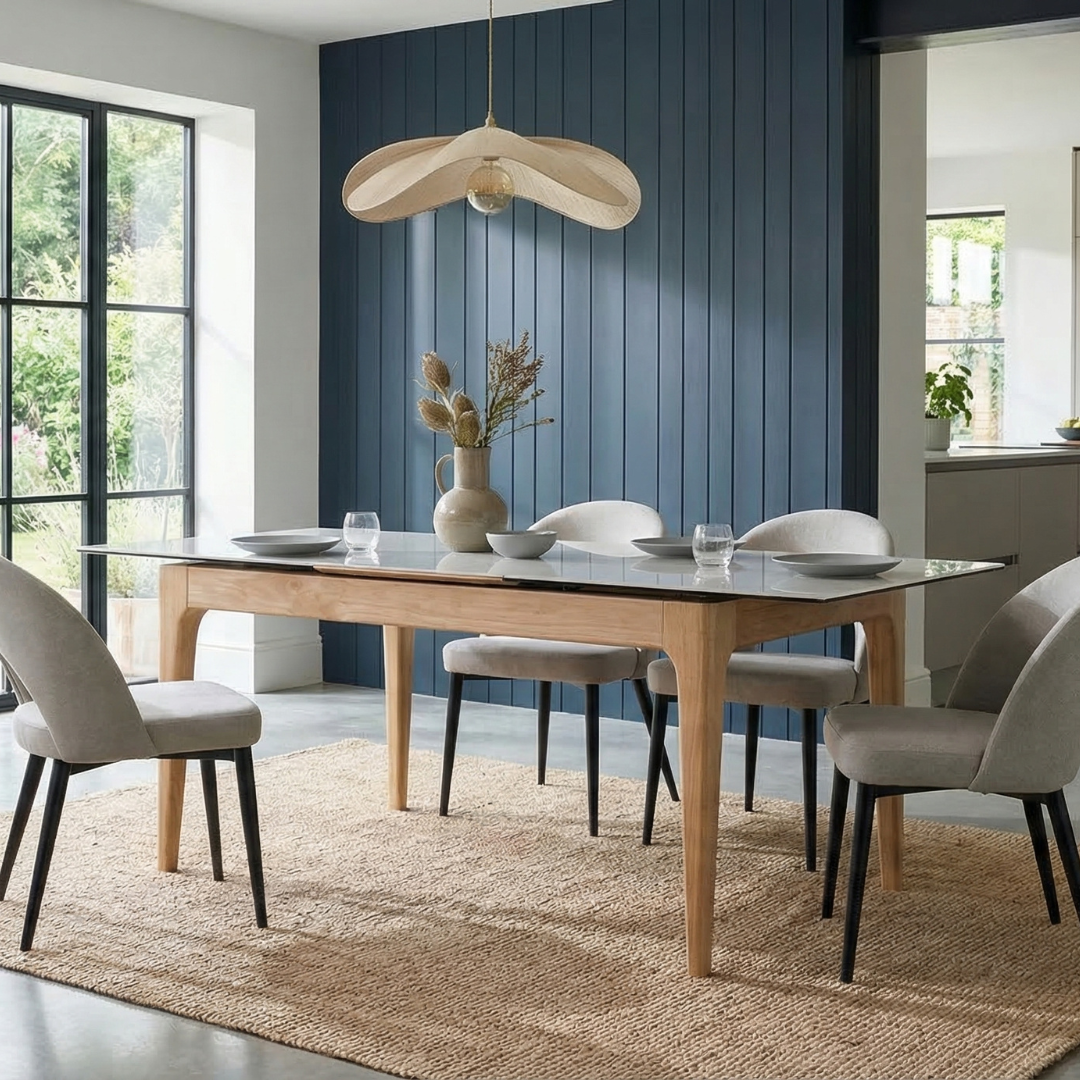
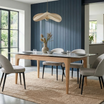
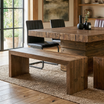
Malmo Extendable Dining Table
Why choose ceramic over other tabletop materials?
Ceramic is a strong choice when you want a balance of beauty and practicality. Wood has warmth and character, but it can scratch, dent, stain, or require refinishing. Glass feels light and modern, but fingerprints and smudges show quickly. Natural stone is beautiful, yet some stones need sealing and careful maintenance. Ceramic offers a clean middle ground: it can look luxurious while staying relatively simple to care for.
This does not mean ceramic is the right answer for every room. If you love the patina of solid wood or want a very soft, warm texture, ceramic may feel cooler and harder to the touch. If the table has thin edges or sharp corners, it may also need more care in homes with very young children. Still, for many buyers, the benefits of ceramic table tops outweigh these considerations because the surface remains sleek, practical, and resilient.
A helpful way to compare options is to ask how the table will be used:
-
For everyday family dining: Ceramic handles spills, hot plates, and quick wipe-downs well.
-
For entertaining: The stone-like look creates a premium setting without demanding constant protection.
-
For compact apartments: A ceramic top table can make a small dining area feel refined and multifunctional.
-
For design-focused rooms: Ceramic provides patterns and finishes that mimic high-end stone with consistent color and texture.
-
For busy kitchens: The hygienic, non-porous surface is useful near food preparation and serving areas.
Practical care tips for a ceramic dining table
Although ceramic is low maintenance, good habits will keep it looking its best. Clean spills promptly, especially strongly colored liquids, because quick cleaning is always easier than dried residue. Use a soft cloth or sponge with mild detergent for routine care, then dry the surface to prevent water spots.
It is also wise to avoid harsh abrasive pads, even on a hard surface. Ceramic resists scratches, but aggressive cleaning tools can dull the finish over time or affect surrounding materials such as metal frames, grout-like seams, or edge details. For very hot cookware, a trivet is still a smart habit, not because ceramic is fragile, but because sudden extreme temperature changes and table supports can vary by design.
Simple care checklist:
-
Wipe daily with a damp microfiber cloth.
-
Use mild soap for grease or food residue.
-
Avoid bleach-heavy or abrasive cleaners unless the manufacturer allows them.
-
Lift heavy objects instead of dragging them across the table.
-
Check the care guidance for the specific tabletop construction.

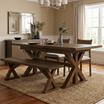
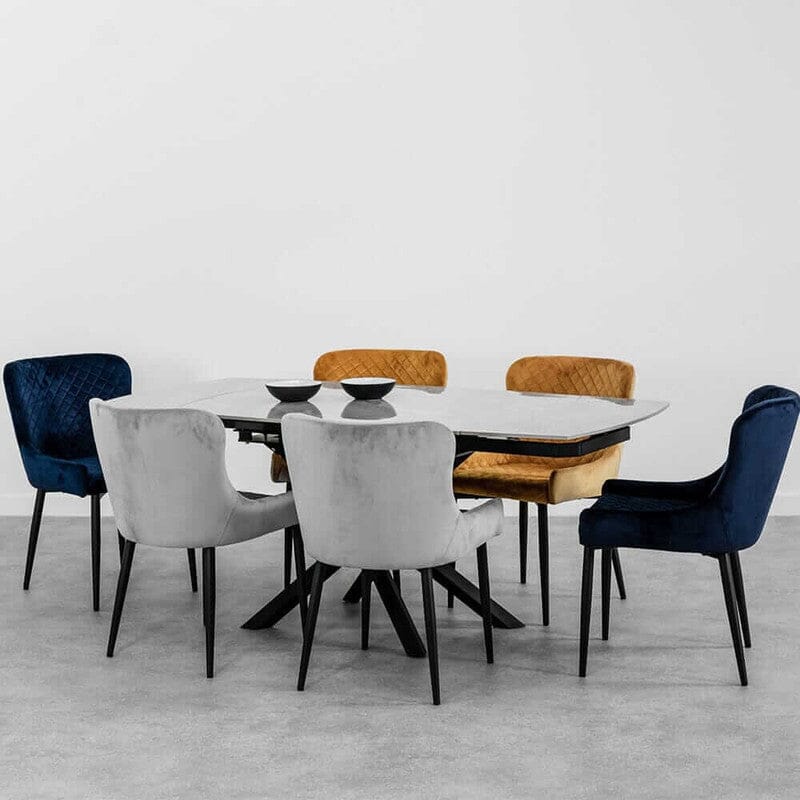
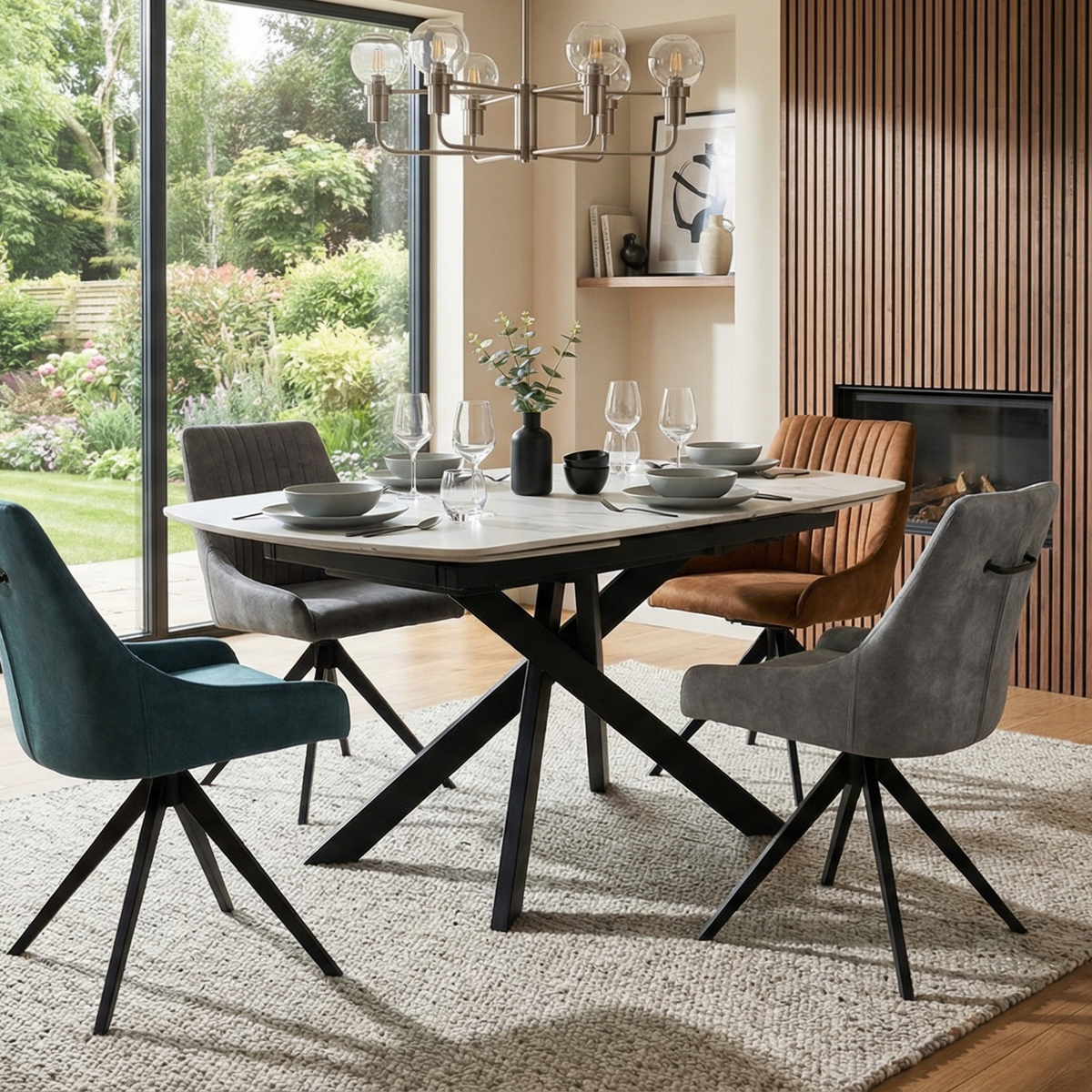
Cosmo Black Ceramic Extending Dining Table (160cm - 240cm)
When ceramic table tops make the most sense
Ceramic is especially suitable when a table needs to be both attractive and forgiving. A household that eats at the dining table every day will appreciate the stain resistance. Someone who entertains often will enjoy the upscale look. A person who wants the appearance of marble or stone without more demanding upkeep may find ceramic a practical alternative.
The benefits of ceramic table tops are also easy to appreciate in changing interiors. Because ceramic can be subtle, dramatic, matte, glossy, plain, or patterned, the same material can support many aesthetics. Choose a soft neutral finish for a calm dining room, a marble-effect ceramic for a refined look, or a darker stone finish for contrast and depth.
A polished surface built for real life
The benefits of ceramic table tops come down to a simple combination: style, strength, hygiene, and ease. They offer the look of premium materials while reducing many of the maintenance concerns that come with wood, glass, or some natural stones. For anyone asking what is the practical value of ceramic in a dining table, the answer is clear: it gives you a surface that is beautiful enough for special occasions and durable enough for everyday living.


Leave a comment
This site is protected by hCaptcha and the hCaptcha Privacy Policy and Terms of Service apply.