

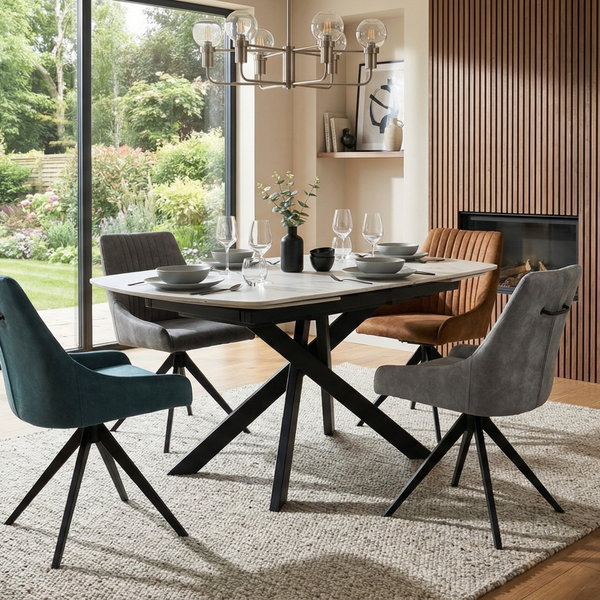
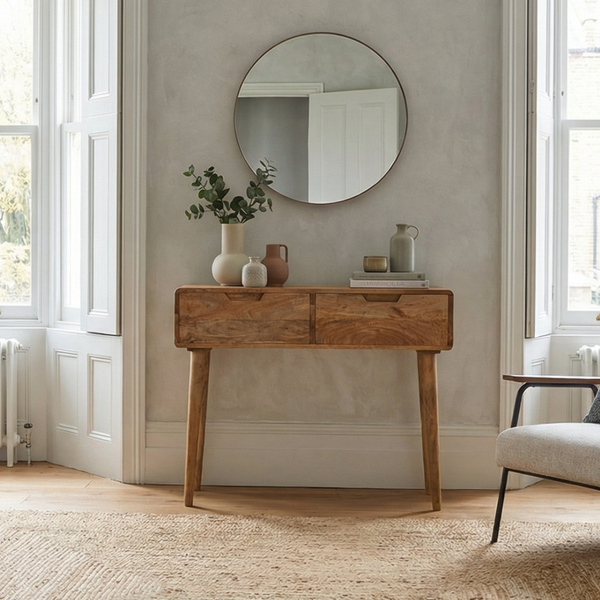
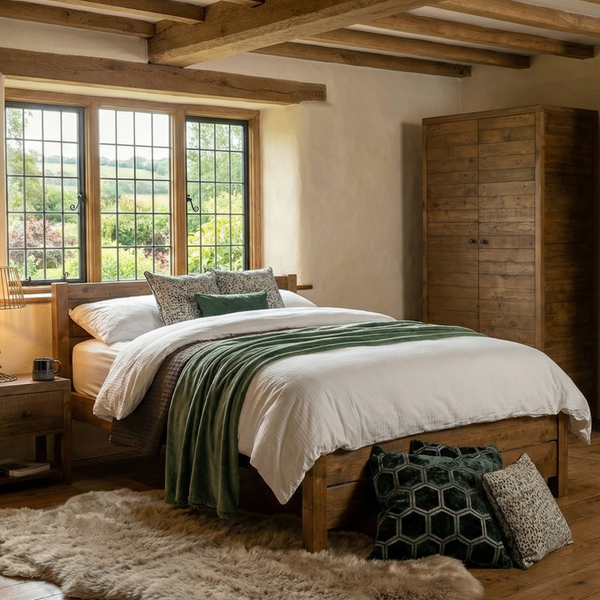
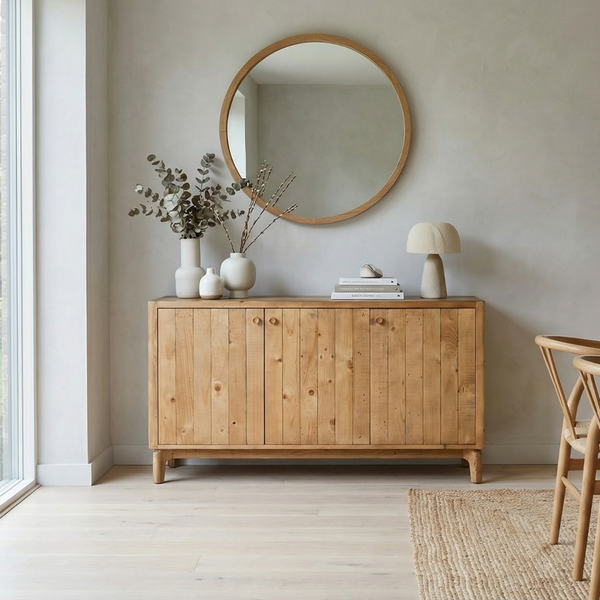








































Choosing between a ceramic dining table, a wood dining table, and a marble dining table comes down to how you live, how much maintenance you accept, and what kind of look you want every day. Ceramic is usually the practical modern choice, wood is the warm and versatile classic, and marble is the high-impact statement material that asks for more care. This comparison explains the difference between each tabletop material so you can decide which is better for your home, not just which looks best in a showroom.
Which dining table material is best for your home?
The best dining table material depends on your priorities: choose ceramic if you want a low-maintenance surface for busy meals, wood if you want warmth and character, and marble if visual drama matters more than everyday forgiveness. A ceramic top table is often the easiest fit for households that want a sleek look without worrying as much about stains, while wood suits homes that value texture and a lived-in feel. Marble works beautifully in more formal spaces, but it typically needs more mindful use.
|
Decisionfactor |
Ceramic dining table |
Wood dining table |
Marble dining table |
|
Best for |
Busy homes, modern interiors, low-maintenance dining |
Warm, casual, traditional, rustic, or flexible interiors |
Formal dining rooms, luxury styling, statement interiors |
|
Everyday care |
Usually easy to wipe clean |
Simple, but finish matters |
Requires more caution with spills and acids |
|
Visual style |
Sleek, clean, often contemporary |
Natural, warm, varied grain |
Elegant, dramatic, unique veining |
|
Durability feel |
Hard, dense, resistant to many daily marks |
Durable but can dent, scratch, or show wear |
Hard but can stain, etch, or chip |
|
Weight |
Often heavy, especially on large tables |
Varies by species and construction |
Typically very heavy |
|
Long-term character |
Stays consistent with minimal visual aging |
Develops patina and character |
Can age beautifully if carefully maintained |
If you want one quick answer: ceramic is the practical all-rounder, wood is the most emotionally warm, and marble is the most visually luxurious. The right choice is the one that matches your daily routine.
The main difference between ceramic, wood, and marble
A ceramic table top is made from fired mineral materials and is often chosen for its hard, smooth surface. Some tables marketed as ceramic may use porcelain or a sintered stone table top, which can offer a similar refined appearance. These materials are popular because they imitate the look of stone, concrete, or marble while staying comparatively practical for dining.
Wood is completely different in feel. It is organic, tactile, and naturally varied, so knots, grain, tone shifts, and small imperfections are part of the appeal. A wood dining table can suit nearly any room style depending on the finish, base, edge profile, and wood tone.
Marble is natural stone, prized for veining and depth that manufactured surfaces try to imitate. No two slabs look exactly alike, which is part of the attraction. The tradeoff is that marble is more sensitive to staining and etching than many people expect, especially when exposed to acidic foods, wine, citrus, or harsh cleaners.

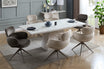
Alpus Marble 160cm Fixed Top Dining Table
Side-by-side pros and cons
This table compares the practical pros and cons of each option using the same real-life criteria. It is especially useful if you are weighing a ceramic dining table compared with wood or marble for daily family use.
|
Material |
Pros |
Cons |
|
Ceramic |
Resistant to many common dining spills; works well in modern interiors; often available in stone-look finishes; easy to clean after everyday meals |
Can feel cold or hard; edges may chip if hit sharply; some designs are heavy; quality varies by construction |
|
Wood |
Warm and inviting; available in many styles; can hide small marks as patina; often feels comfortable in family spaces |
Can scratch, dent, or stain depending on finish; may need coasters, placemats, or refinishing over time; can react to humidity |
|
Marble |
Distinctive natural veining; creates an upscale focal point; pairs well with metal, wood, and upholstered chairs |
More prone to etching and staining; heavy; usually needs careful cleaning; may feel too formal for rough daily use |
The biggest difference between the three is not simply strength. It is how each surface responds to real life. Ceramic tends to resist routine messes, wood absorbs the story of use, and marble rewards careful ownership.
Which is better for daily meals and easy cleaning?
For most busy households, ceramic is usually better for daily meals and easy cleaning because it offers a smooth, non-fussy surface that handles routine dining well. A ceramic top table is especially appealing if you regularly serve saucy food, use the dining table as a homework station, or want a surface that does not demand constant attention. Wood is still practical, but the finish matters; marble is beautiful, yet less forgiving when spills sit too long.
A ceramic table top typically suits people who want the look of stone without the same level of worry. Many ceramic and sintered stone table designs are chosen because they deliver a refined surface that can be wiped after meals, crafts, coffee, or casual entertaining. You should still use common sense: cutting directly on the surface, dragging rough items, or dropping heavy objects on an edge can cause damage.
Wood is easy to live with when you like a softer, more natural feel. Small marks may blend into the grain, especially on textured or matte finishes. However, glossy finishes, pale woods, and very dark stains can show scratches, rings, or dents more clearly.
Marble is best when users are willing to be careful. It can be cleaned, sealed, and protected, but it does not behave like a worry-free synthetic surface. If you want a table where guests can freely set down wine glasses, lemon water, or hot serving dishes without a second thought, marble may not be the easiest choice.
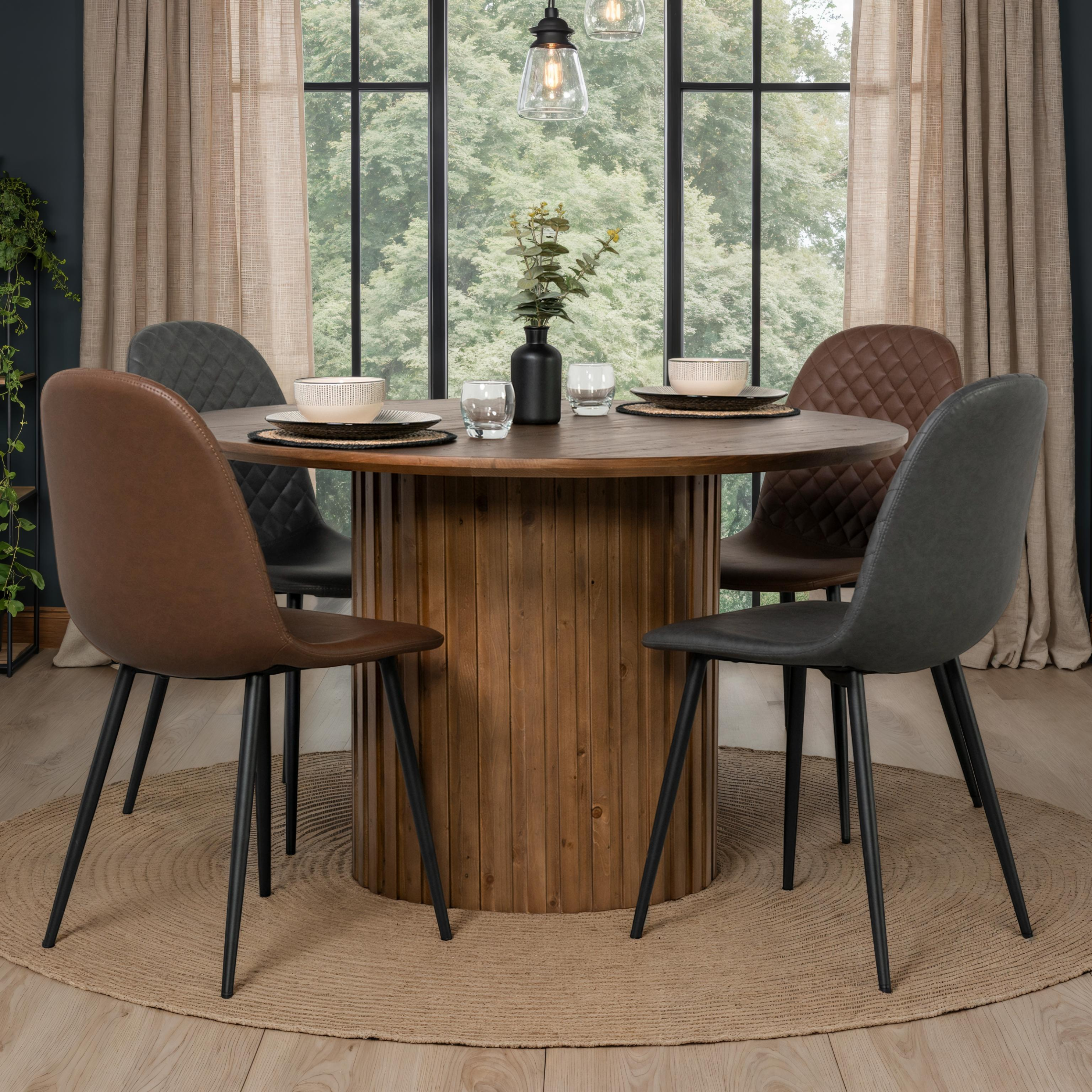
Dakota Round Dining Table
Which table suits your interior style?
Ceramic suits clean, contemporary, minimalist, and transitional rooms. It can create the look of marble, stone, concrete, or metal-like finishes while staying visually crisp. A ceramic dining table also works well when paired with sculptural bases, slim chairs, or open-plan interiors where the table needs to look polished without feeling ornate.
Wood is the most flexible design choice. A pale oak table can feel Scandinavian and relaxed, walnut can feel mid-century or sophisticated, and reclaimed-style finishes can create a rustic or farmhouse mood. Wood also softens rooms with tile floors, metal fixtures, or bright white walls because it adds warmth.
Marble is the statement option. It immediately draws attention, especially in a dining room designed for entertaining. It pairs well with velvet chairs, brass details, dark wood, black metal, or soft neutral palettes. The main style consideration is balance: too many high-shine or heavy materials can make the space feel cold, while warm lighting and textured seating can make marble feel inviting.
Lifestyle pros and cons
Different lifestyles change the answer to “which is better?” A table that is perfect for a quiet couple may frustrate a family with young children, and a showpiece for entertaining may be too precious for everyday multitasking.
Busy families and homes with children
Ceramic pros: A ceramic dining table is a strong candidate for family life because it is easy to wipe and usually handles everyday spills well. It also suits multipurpose use, such as snacks, school projects, and weeknight dinners.
Ceramic cons: The surface can feel hard and less forgiving if children knock cups, plates, or toys against it. Sharp impacts on edges may still cause chips, so it is not indestructible.
Wood pros: Wood feels warmer and less formal, which can make a family dining area more relaxed. Minor marks may become part of the table’s character, especially with a natural or textured finish.
Wood cons: Crayons, water rings, dents, and scratches can be more noticeable depending on the finish. Families may need placemats, coasters, and regular cleaning habits.
Marble pros: Marble gives even a family home a polished, grown-up focal point. It can be a beautiful choice if meals are structured and the table is not used for messy projects.
Marble cons: It is the least carefree choice for spills, acidic foods, and rough use. Parents may find themselves protecting the table more than enjoying it.
Entertainers and design-focused homeowners
Ceramic pros: Ceramic offers a refined, modern hosting surface that looks sleek without requiring guests to be overly cautious. Stone-look ceramic or sintered stone table designs can deliver a premium impression with practical benefits.
Ceramic cons: It may not have the same natural depth or prestige as real marble. Some people also find it cooler and less tactile than wood.
Wood pros: Wood creates a welcoming atmosphere and works well for long dinners, casual gatherings, and mixed seating styles. It can make guests feel relaxed rather than formal.
Wood cons: Serving dishes, wine, and repeated entertaining can leave signs of wear if the surface is not protected. Some wood finishes need more upkeep to stay pristine.
Marble pros: Marble is excellent for visual impact. It photographs beautifully, anchors a formal dining room, and makes the table feel like a centerpiece.
Marble cons: Hosts need to manage spills quickly and use protective accessories. If you want guests to feel completely at ease, marble can sometimes feel too delicate.
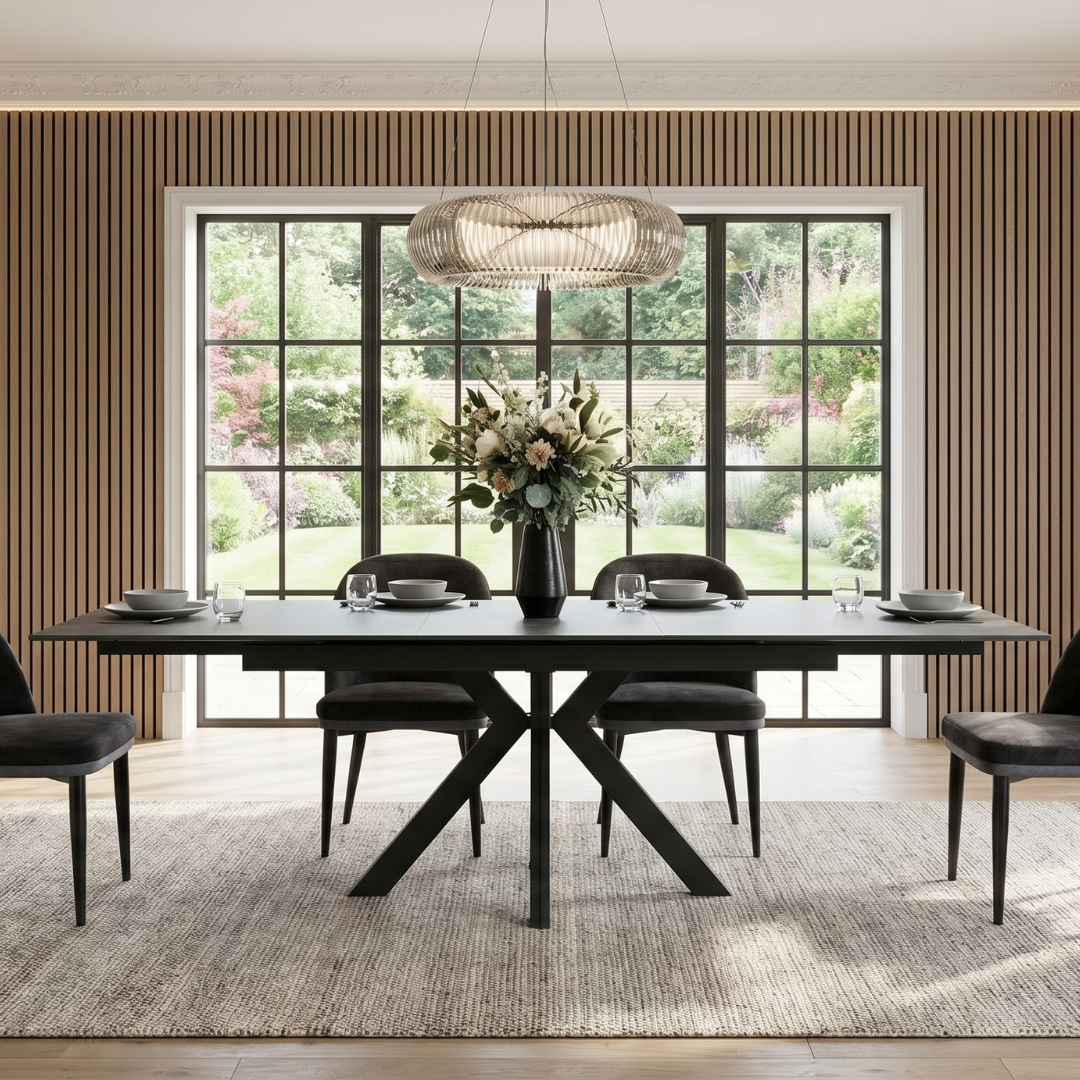
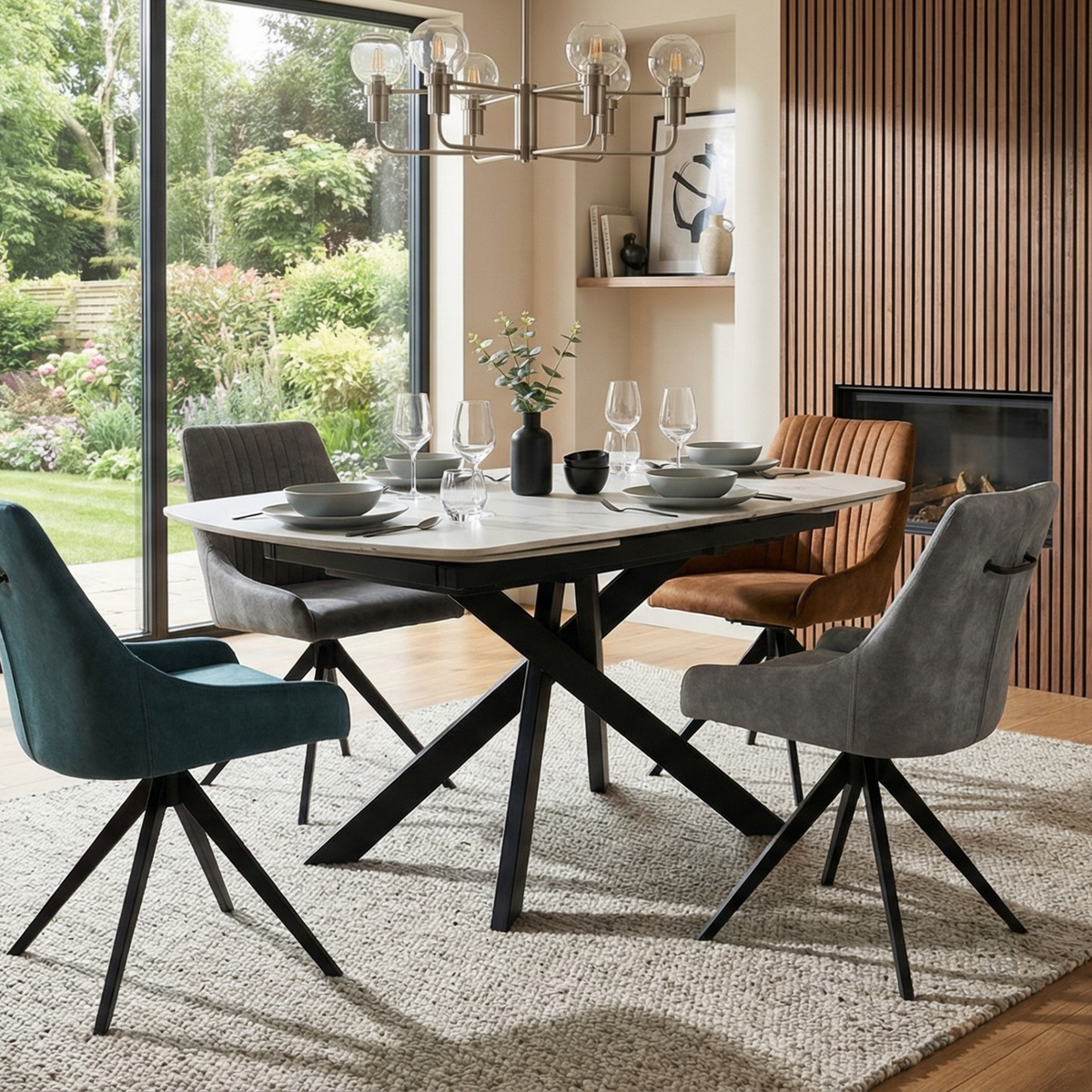
Olympia Small Light Grey Matt Ceramic Extendable Dining Table (130cm-180cm)
Cost, value, and long-term ownership
Price varies widely across all three categories, so it is better to compare construction, thickness, base quality, size, and finish rather than assume one material is always cheaper. A simple wood table may cost less than a designer ceramic table, while premium marble can sit at the higher end. Delivery and installation can also matter because heavy tops may require extra handling.
Long-term value depends on whether the table fits your habits. Ceramic can be valuable because it reduces daily maintenance stress. Wood can hold value emotionally because it ages with the household and can sometimes be repaired or refinished depending on construction. Marble can feel valuable as a design investment, but only if you accept the care it needs.
Before buying, ask these questions:
-
Will the table be used daily or mainly for special occasions?
-
Do you prefer a pristine surface or a material that can develop patina?
-
Are you willing to use coasters, placemats, and gentle cleaners?
-
Is the table easy to move, deliver, or install in your space?
-
Does the surface match your chairs, lighting, flooring, and lifestyle?
Final recommendation
Choose a ceramic dining table if you want the most practical balance of style, durability, and low-effort cleaning. It is especially strong for modern homes, open-plan dining areas, and people who like the look of stone but do not want marble-level maintenance.
Choose wood if comfort, warmth, and timeless flexibility matter most. It is the best fit for relaxed homes where the dining table is part of daily life and a few signs of use are acceptable.
Choose marble if you want a dramatic, elegant centerpiece and are prepared to care for it thoughtfully. Marble is not the easiest everyday surface, but for the right home, its natural beauty can be worth the extra attention.
In the end, the best table is not just the one with the strongest material. It is the one that supports how you eat, gather, clean, decorate, and live every day.

Leave a comment
This site is protected by hCaptcha and the hCaptcha Privacy Policy and Terms of Service apply.