
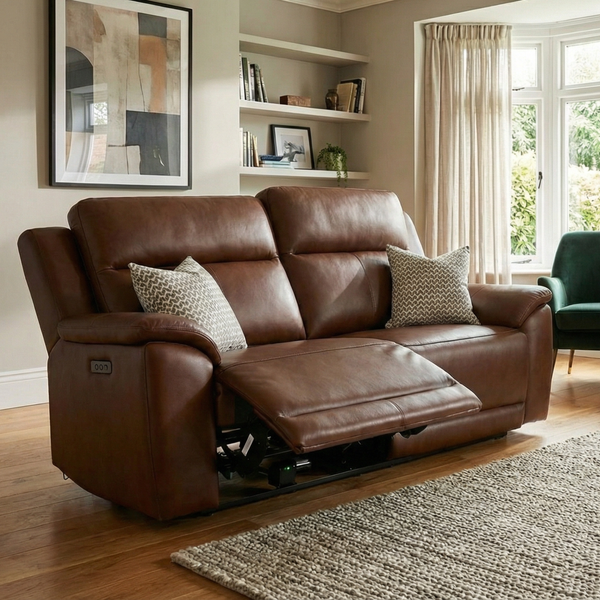









































Buying a couch is likely the third most expensive purchase you will make this year, behind your car and rent. Traditional shopping methods often result in "showroom deception," where a piece looks like a cloud in-store but feels like a park bench after just six months. According to consumer advocacy reports, the lifespan of standard "fast furniture" is drastically shrinking.
To navigate today's complex market, our Sofa Buying Guide 2026 relies on a practical "Hardware vs. Software" framework. Think of the internal wooden frame and steel springs as your hardware, while the exterior fabric and cushions act as the software dictating your daily lounging experience. Mastering this simple analogy quickly exposes the three hidden signs of a truly disposable sofa before you ever swipe your card.
Rather than stressing over sticker shock, smart shoppers now determine their budget using the "cost-per-sit" metric. Industry data reveals that dividing the total price by expected years of daily use provides a much more accurate picture of value. Any trusted sofa buying guide should empower you to calculate this, ensuring your investment easily outlasts the decade.
Kiln-Dried Hardwood vs. Engineered Wood: Building a Foundation That Doesn't Squeak
Buying a sofa is a major investment, and the skeleton inside dictates if it survives past next year. When comparing kiln-dried hardwood vs engineered wood frames, know that the kiln process literally bakes out the moisture. This prevents the solid wood from warping, cracking, or squeaking when someone inevitably flops down onto the seat after a long day.
Underneath the cushions, your suspension acts like either a bouncy trampoline or a highly supportive hammock. Sinuous springs use continuous S-shaped wires to provide a springy, budget-friendly base. Alternatively, an 8-way hand-tied system features heavy metal coils individually tied in eight different directions, offering premium support that permanently stops the dreaded centre-sag over time.
Looking closely at how these internal pieces connect reveals the truest signs of high-quality sofa construction. Before purchasing, verify the product specifications or ask your sales representative for this three-point joinery checklist:
-
Corner Blocks: Extra wood pieces glued and screwed directly into corners for stability.
-
Dowels: Wooden pegs securing the frame joints seamlessly without metal hardware.
-
Staples: Heavy-duty staples used strictly alongside blocks, never as the only fastener.
With the heavy hardware properly built to last, you can safely focus on the "software" that you actually interact with daily. Even the finest hand-tied springs need appropriate padding on top.
High-Density Foam vs. Down-Wrapped Cushions: Finding Your Perfect Density for Tall and Short Sitters
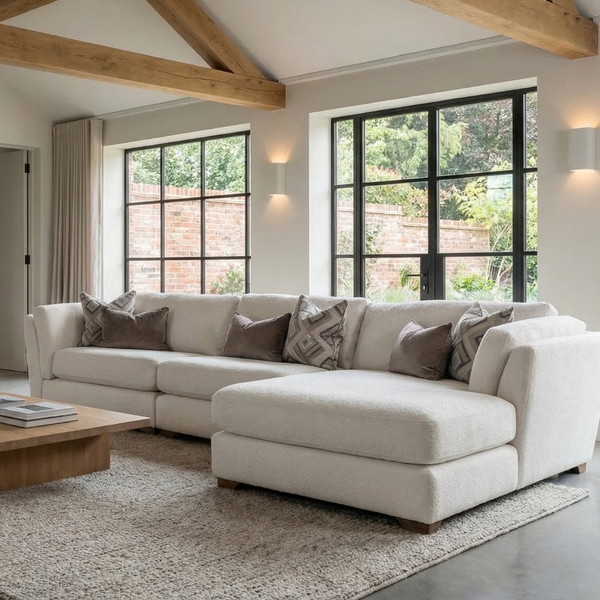
Now that your sofa's skeleton is solid, it is time to choose your "software." Deciding between high-density foam vs down-wrapped cushions comes down to whether you are a "sitter" or a "sinker." For firm, immediate support, standard foam is great, but you must verify the density rating. Any reliable couch buying guide recommends a 1.8 lbs/cu. ft. (approx. 28 kg/m³) minimum to prevent premature sagging. If you prefer cloud-like comfort, a down-wrapped foam core offers plush softness while keeping the cushion's shape intact.
Material choices only succeed if the physical dimensions actually fit your body. Seat depth—the space from the front edge to the back pillow—dictates your daily ergonomic comfort. Use these baselines to avoid dangling feet or cramped knees:
-
Short (Under 5'4"): Target a shallow 20-21 inch depth.
-
Average (5'4" to 5'10"): Look for a standard 22-23 inch depth.
-
Tall (Over 5'10"): The best sofa depth for tall people is 24 inches or more to fully support long legs.
Once you nail down the perfect density and depth, your final challenge is defending that tailored comfort against daily disasters.
Martindale Rub Counts and Molecular Spills: Choosing Upholstery for 2026 Real Life
Spilling coffee used to mean permanent ruin, but modern textiles handle disasters differently. When evaluating stain-resistant technology for white upholstery, forget those sticky, spray-on chemical guards from a decade ago. Today's performance fibres are coated at the molecular level before they are even woven together. Liquids simply bead up like water on a freshly waxed car, wiping away cleanly without leaving a stiff, toxic residue behind.
Physical friction destroys fabrics just as fast as spilled wine. Manufacturers measure this durability using a Martindale Rub Count, which is basically a mechanical stress test counting how many times a machine can rub the fabric before it thins out. When asking what is a good Martindale rub count for domestic use, follow these industry baselines:
-
Under 15,000: Decorative use only (like a guest room accent chair).
-
15,000–20,000: Light everyday use for adult-only homes.
-
20,000+: Heavy domestic use (the required standard for busy families).
Does your dog treat furniture like an oversized scratching post? If so, comparing performance velvet vs linen durability is no contest. Velvet's tight, loop-free weave makes it an excellent pet-friendly scratch-resistant sofa material, preventing sharp claws from snagging. Thankfully, many of these heavy-duty options now qualify as sustainable upholstery fabrics for 2026, utilising recycled ocean plastics to balance rugged performance with eco-friendly manufacturing.
Your durable new "software" is now ready to survive real life, but those high-tech fabrics will not help if the couch traps you in a corner.
The Blue Tape Method: How to Measure for a Sectional Without Blocking Your Traffic Flow
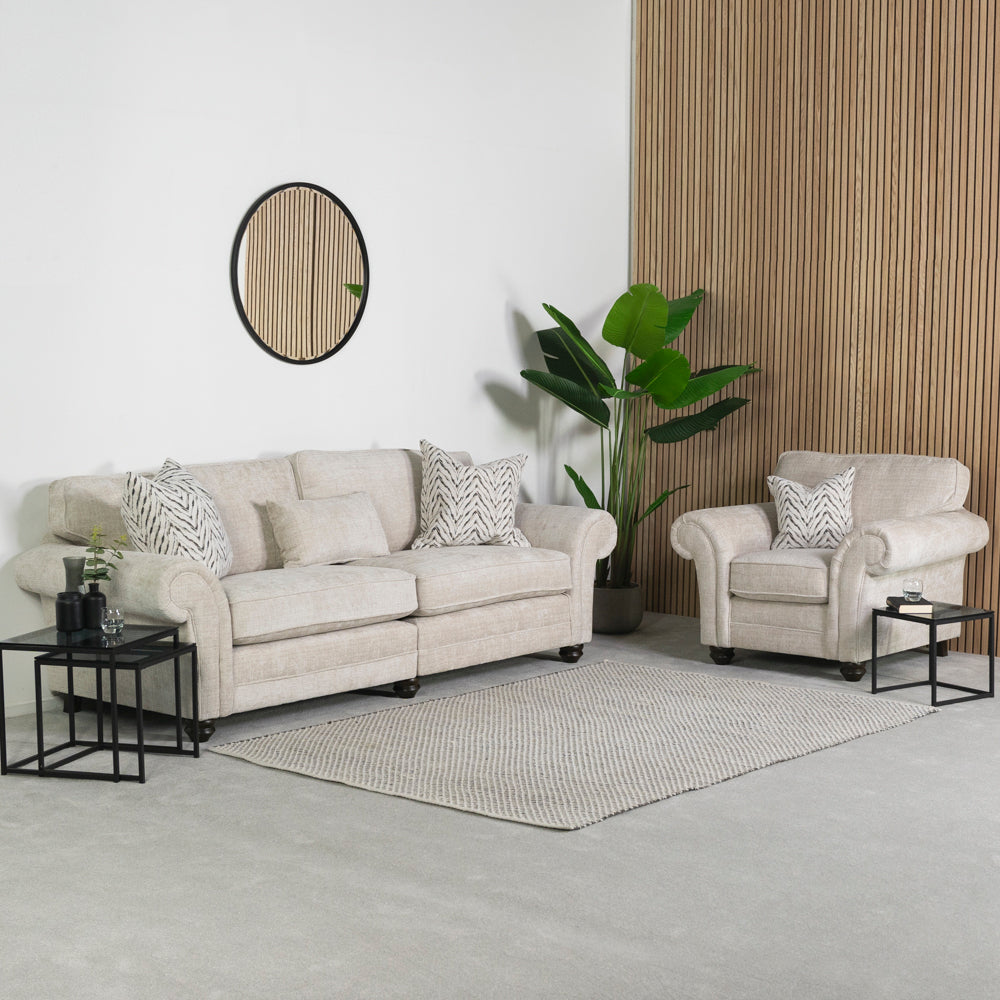
Augmented reality apps are great, but they cannot stop you from stubbing your toe. When learning how to measure living room for sectional placement, rely on the Blue Tape Method instead. Outline the exact sofa dimensions directly on your floor using painter's tape. This tangible footprint forces you to physically walk around the shape, ensuring you maintain a mandatory 30-inch traffic flow clearance for easy daily living.
Because modern homes juggle multiple roles, adaptable furniture is essential. Flexible modular couch configurations for open floor plans let you split sections for hosting or connect them for family movie nights. During your search, you will likely encounter minimalist low-profile seating trends. While these shorter frames make tight rooms feel larger, use your tape outline to guarantee the overall footprint still accommodates your family's actual lounging habits.
However, even the perfect design fails if the delivery team cannot get it inside. Prevent a massive headache by auditing your delivery path with these four critical measurements:
-
Doorway width: The tightest inside frame dimension.
-
Hall turns: The clearance needed for pivoting.
-
Lift height: Diagonal entry limits for tall frames in apartment buildings.
-
Ceiling clearance: Low stairwell overhangs.
Once you confirm the physical shape fits your space, you can evaluate modern upgrades.
FSC Labels and Charging Ports: Balancing Sustainability with Smart Sofa Tech
You want a couch that respects the planet, but navigating modern eco-labels often feels like dodging greenwashing. To find truly FSC-certified eco-friendly furniture brands, look past the marketing and check for the Forest Stewardship Council (FSC) label, which guarantees responsible wood sourcing. Because true sustainability means avoiding the landfill altogether, prioritise "modular repairability"—brands that let you order and replace a single broken armrest instead of tossing the entire piece into a skip.
When evaluating these long-lasting pieces, look for the Top 3 trustworthy eco-certifications for 2026 furniture:
-
FSC 100%: Guarantees sustainably harvested wood frames (the hardware).
-
Greenguard Gold: Ensures your foams and fabrics (the software) will not release harmful indoor chemicals.
-
UL-Listed: A non-negotiable safety standard if you are buying smart sofas with integrated wireless charging.
While having ports built into your armrest sounds convenient, remember that electronics age much faster than hardwood frames. Before paying a premium, ask yourself if a broken charging pad in three years will ruin your investment. Once you balance your tech needs with durable materials, it is time to evaluate actual comfort.
From Showroom to Living Room: How to Stress-Test a Sofa In-Person or Online
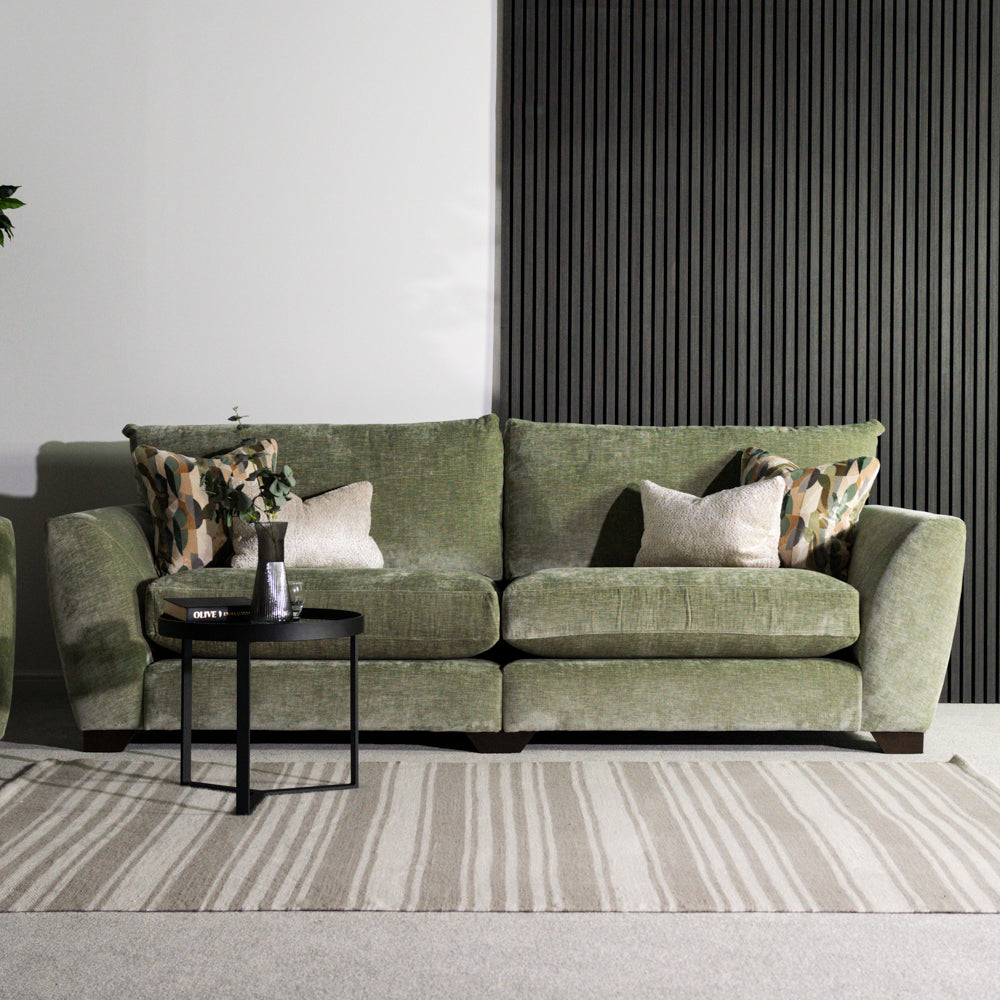
Evaluating the real-world feel of a couch requires a tactical approach, whether you shop locally or digitally. When figuring out how to test sofa comfort in-store, execute a three-point physical stress test: lift one front corner to check frame stiffness, press the backrest for hollow spots, and listen closely for hidden squeaks. For online buyers, fabric swatch testing is your safety net. Smear ketchup on ordered samples to see how the fibres actually resist real-world stains before buying.
The fine print of a return policy often reveals what showroom lighting hides. You can spot high-quality manufacturing by looking at guarantees, because unequal coverage is a major red flag. A warranty protecting the frame for ten years but the cushions for just one signals poor internal engineering that will flatten quickly. Trustworthy brands back both their suspension systems and foam resilience equally.
Securing the perfect piece means nothing if you cannot safely get it into your home. Avoid the dreaded curbside drop-off surprise by prioritising white-glove delivery, where professionals carry the furniture inside, assemble the legs, and haul away the packaging.
Your 2026 Sofa Action Plan: Investing in a Piece That Lasts Until 2035
You no longer have to guess what is hiding under the upholstery. By evaluating the hardware (frames and springs) separately from the software (fabric and foam), you can confidently commit to a 10-year furniture lifecycle instead of a two-year cycle of fast-furniture regret. Remember to calculate your "cost-per-sit"—a higher upfront investment in quality construction ultimately saves you money. Before swiping your card, apply this final checklist to any model:
-
Measure: Use blue tape to outline exact dimensions on your floor.
-
Swatch: Run a spill test on physical fabric samples.
-
Check Specs: Verify kiln-dried wood frames and durable suspension systems.
Armed with these standards, you can finally look past the showroom styling and see the bones. Start measuring your space today, knowing your next purchase will comfortably handle real life for a decade.

Leave a comment
This site is protected by hCaptcha and the hCaptcha Privacy Policy and Terms of Service apply.