
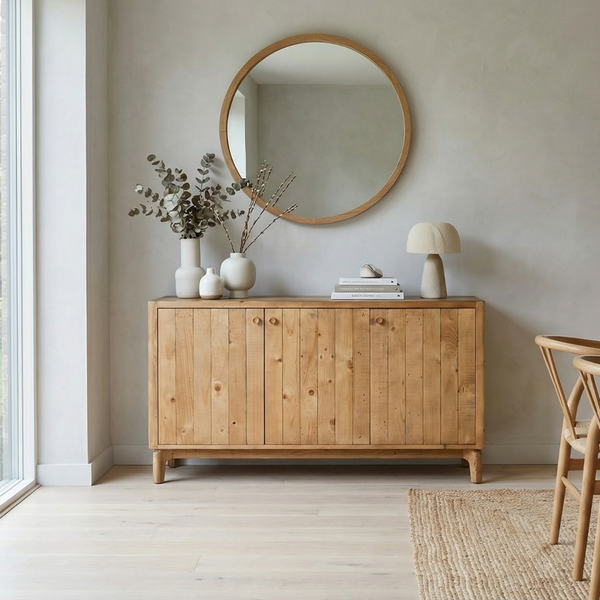
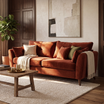
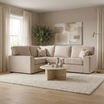
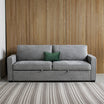
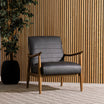
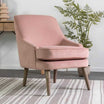
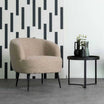
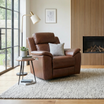
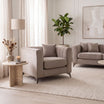

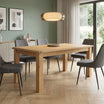
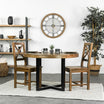
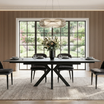
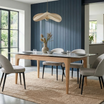

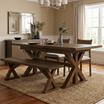
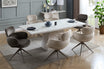

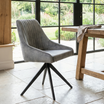
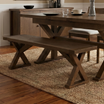
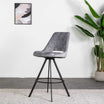
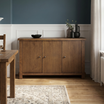
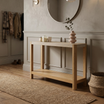
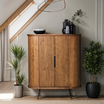
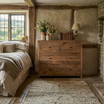
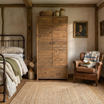
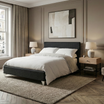
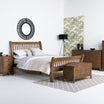
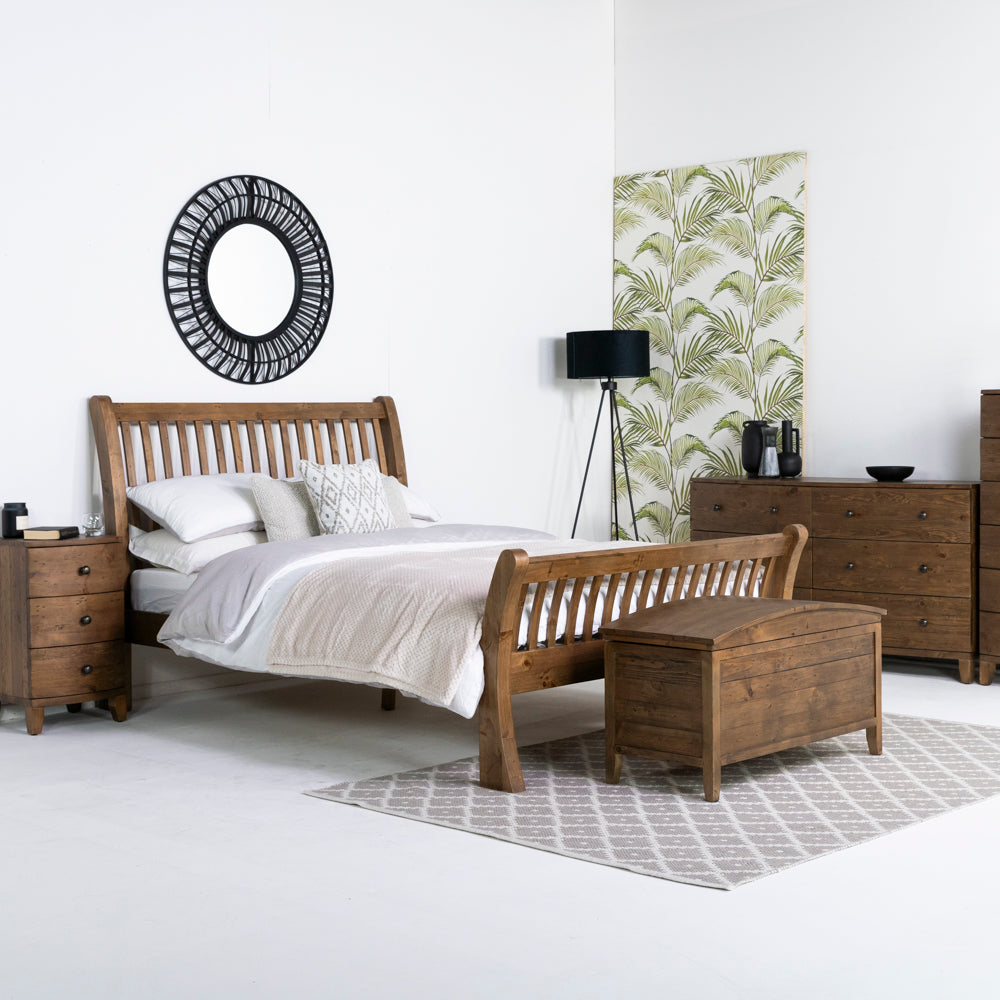
Mid-century modern design is more than a style; it's a timeless journey through history. This design movement, rooted in the mid-20th century, continues to captivate with its clean lines and functional elegance.
Its appeal lies in the seamless blend of form and function, creating spaces that are both beautiful and practical. The style's emphasis on simplicity and minimalism resonates with those seeking an uncluttered environment.
Iconic furnishings and decor from this era have become staples in modern homes, offering a nostalgic nod to the past. The use of natural materials and earthy tones adds warmth and character to any space.
Mid-century modern interiors are versatile, adapting to various settings while maintaining their distinctive charm. This adaptability makes it a favourite among homeowners and designers alike.
Whether you're a seasoned design enthusiast or new to the style, mid-century modern offers endless inspiration. Join us as we explore the enduring allure of this iconic design era.
The Origins and Enduring Appeal of Mid-Century Modern Design
Mid-century modern design emerged in the mid-20th century, between the 1940s and 1960s. This era followed the Second World War, bringing a fresh perspective to design. Inspired by optimism and the promise of modernity, designers focused on innovation.
The style's roots are found in the Bauhaus movement and Scandinavian design. These influences favoured functionality, simplicity, and form. It prioritised practical, clutter-free spaces, appealing to a post-war society focused on efficiency.
Despite its historical origins, mid-century modern remains relevant today. Its appeal lies in its timeless simplicity and adaptability to modern lifestyles. These characteristics allow it to seamlessly integrate into contemporary homes while maintaining its classic roots.
Several elements contribute to its lasting charm:
-
Clean lines and minimalistic design
-
Organic shapes and neutral colour palettes
-
Emphasis on functionality and practicality
The style's focus on quality materials and craftsmanship ensures durability. Pieces such as those by Charles and Ray Eames continue to be admired. They stand as icons of design, bridging the past with the present.
Overall, mid-century modern design's balance of beauty and function continues to captivate across generations, maintaining a firm place in today's design landscape.
Key Characteristics of Mid-Century Modern Interiors
Mid-century modern interiors are celebrated for their clean lines and uncluttered spaces. This design ethos embraces simplicity and lets organic forms shine. The result is a look that feels both intentional and relaxed.
A functional yet stylish approach defines these interiors. Open floor plans maximise space and light, creating a sense of flow throughout the home.
Large windows further enhance this airy feel, inviting the outdoors in.
The use of bold, abstract art injects personality into the minimalist backdrop. These pieces often serve as focal points, adding visual interest without overwhelming the senses. Such art also blends modernity with vintage appeal.
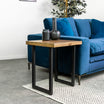
Materials play a crucial role in defining the style. There's a focus on natural materials like wood, complemented by metal and glass. This mix adds warmth and sophistication to any space.
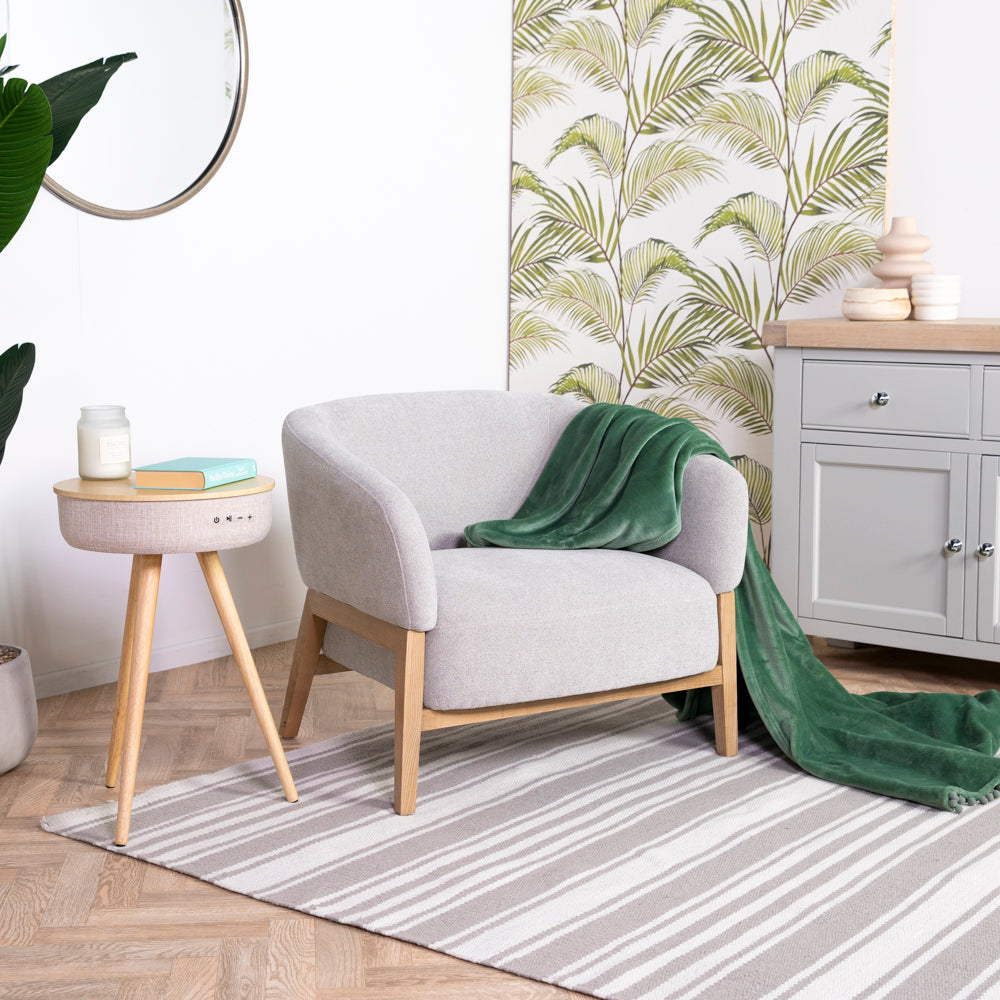
A hallmark of these interiors is their timeless colour palette. Earthy tones like olive green and mustard yellow provide a grounded base. These are often accented with brighter hues for pops of colour and contrast.
Key characteristics of mid-century modern interiors include:
-
Open, airy layouts
-
Minimalist approach
-
Fusion of natural and industrial materials
-
Thoughtful use of colour and art
Overall, mid-century modern interiors strike a balance between function and form, offering a timeless aesthetic perfect for today's homes.
Essential Mid-Century Furnishings and Iconic Designers
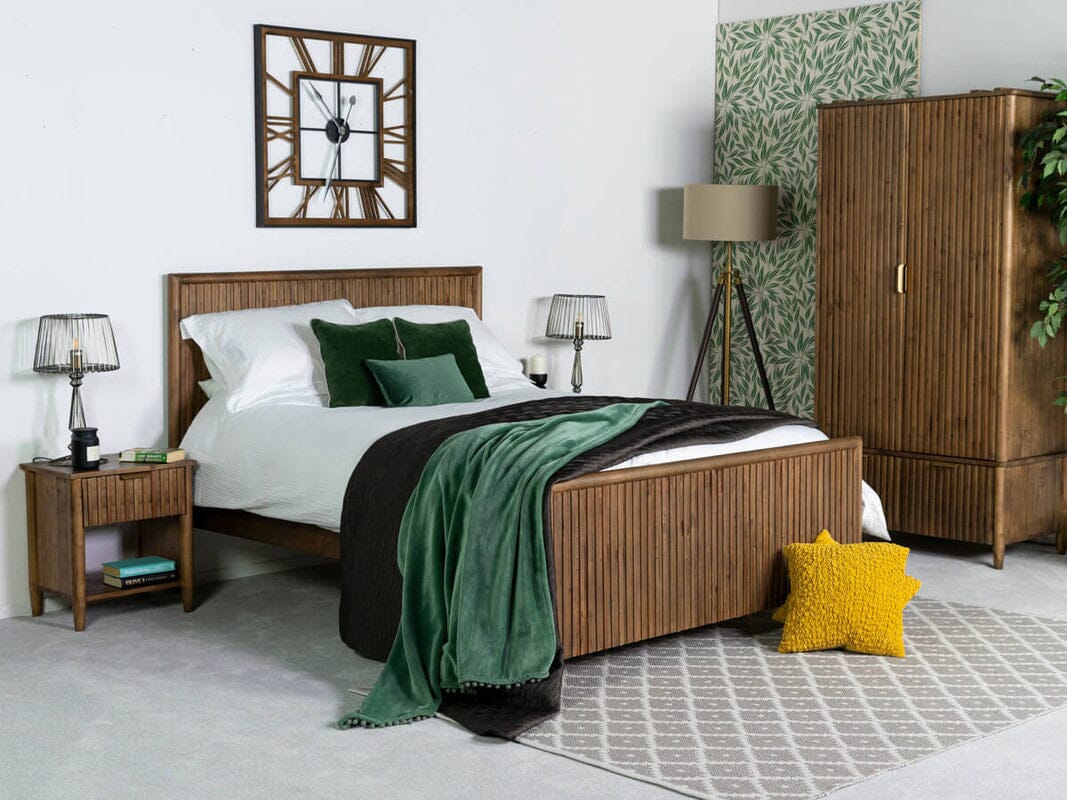
At the heart of mid-century modern design lies its furniture. These pieces prioritise comfort without compromising style. Their sleek silhouettes make them timeless classics that endure in popularity.
Several designers became icons during this era. Charles and Ray Eames revolutionised furniture design with their innovative use of moulded plywood and fibreglass. Eero Saarinen’s Tulip Chair is another standout, representing the period’s futuristic vision.
Iconic Mid-Century Designers and Their Contributions:
-
Charles and Ray Eames: Inventive use of materials, ergonomic designs
-
Eero Saarinen: Clean lines, functional elegance
-
Arne Jacobsen: Sculptural forms, iconic Egg Chair
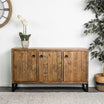
Mid-century furnishings typically feature tapered legs, offering an airy feeling to pieces like sofas and sideboards. The materials utilised include natural wood, leather, and sometimes bold pops of colour in upholstery.
These designs are incredibly versatile. They fit seamlessly into both contemporary and traditional settings. This adaptability is a testament to their innovative origins and functional appeal.
Overall, the furniture of this era successfully blends practicality with artistic expression, allowing homeowners to enjoy both comfort and beauty in their spaces.
Colour Palettes and Materials: Bringing the Era to Life
Mid-century modern interiors embrace a harmonious blend of colours and materials. This creates spaces that are inviting and full of character. Earthy tones form the foundation of this design style, evoking a sense of warmth and connection to nature.
These natural hues often include olive green, mustard yellow, and burnt orange. These tones are frequently complemented by bold accents like teal or bright red. These pops of colour bring vibrancy without overwhelming the senses.
Key Materials and Finishes of the Mid-Century Era:
-
Wood: Teak, walnut, oak
-
Metal: Chrome, stainless steel
-
Glass: Clear and frosted, clean lines
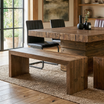
Wood is a staple in mid-century interiors, adding texture and warmth. Designers often used teak and walnut for furniture to highlight their rich grains. Metal elements, such as chrome and stainless steel, add a sleek, modern touch.
By mixing these colours and materials judiciously, one can capture the essence of the mid-century period, bringing to life spaces that feel both timeless and fresh.
Mid-Century Décor: Patterns, Textures, and Art
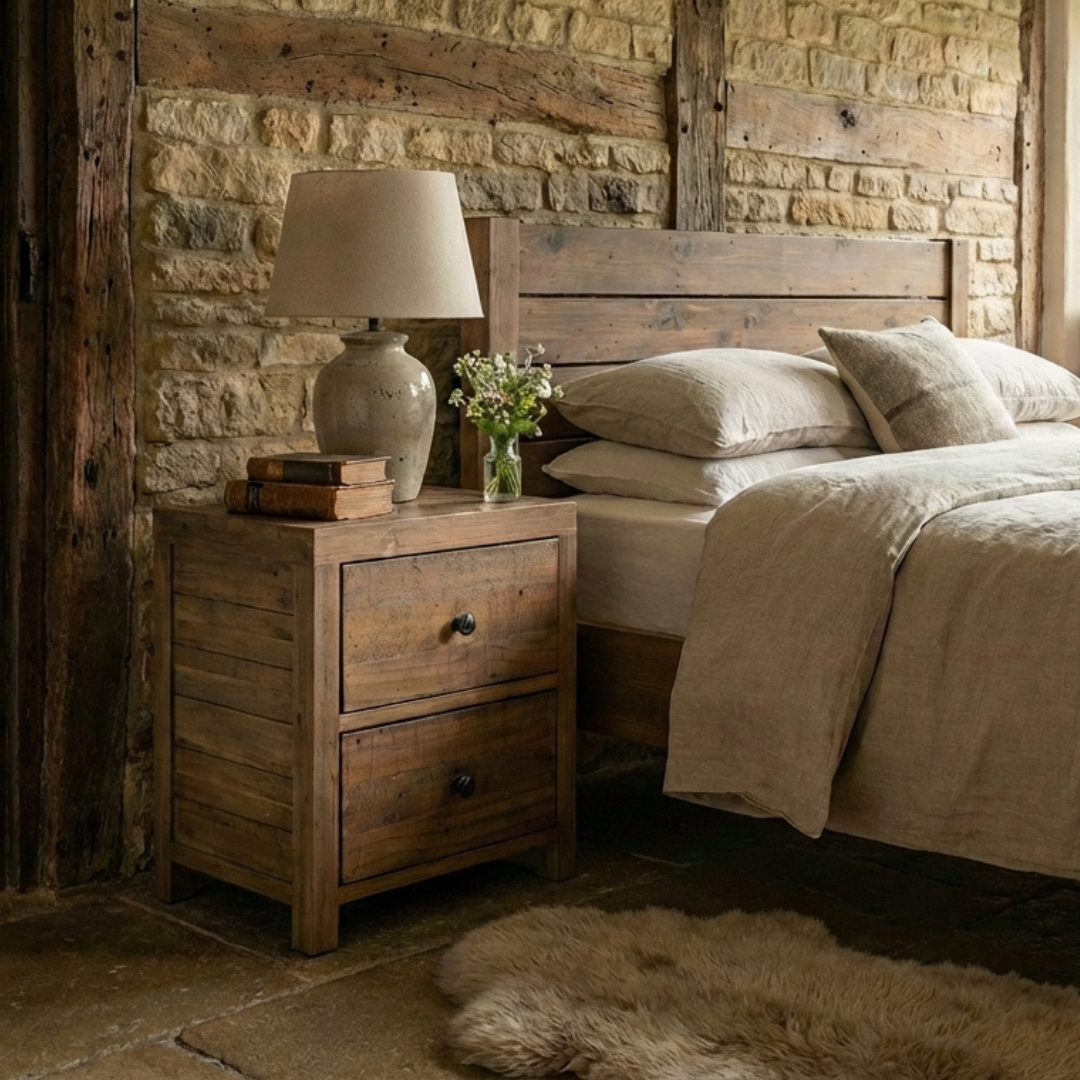
Mid-century décor thrives on the power of visual interest through patterns and textures. These elements inject personality into the interiors, making spaces feel unique and lively. From geometric patterns to natural fibres, the variety is vast yet cohesive.
Patterns in mid-century décor often include bold, geometric shapes. Abstract designs are also common, offering a modern edge that catches the eye. These patterns appear on everything from textiles to wallpapers, adding depth and dimension to any room.
Textures play a crucial role in defining the character of mid-century interiors. Mixing materials like wood, leather, and metal adds a tactile quality that enhances the warmth and richness of the space. Each material interacts uniquely with light, creating intriguing variations across surfaces.
Prominent Mid-Century Art and Decor:
-
Geometric Rugs: Symmetrical designs and vibrant colours
-
Abstract Paintings: Expressive forms and bold colours
-
Sculptures: Clean lines, often inspired by nature
Art is a defining feature, with abstract paintings and sculptures contributing to the style’s allure. Bold artworks serve as conversation starters, encapsulating the spirit of innovation and creativity that mid-century modern design champions. By integrating these elements, one can craft interiors that resonate with artistic flair and timeless beauty.
Lighting and Accessories: Setting the Mood
Lighting in mid-century modern interiors is more than just functional. It sets the mood and highlights design elements. Iconic fixtures serve as both light sources and art pieces, giving spaces a distinctive flair.
The versatility of mid-century lighting lies in its diverse designs and materials. Fixtures such as Sputnik chandeliers and arc floor lamps are popular choices. These pieces combine metal, glass, and innovative forms, reflecting the era's experimental spirit.
Key Lighting and Accessories:
-
Sputnik Chandeliers: Starburst designs that catch the eye
-
Arc Floor Lamps: Sleek curves that add elegance
-
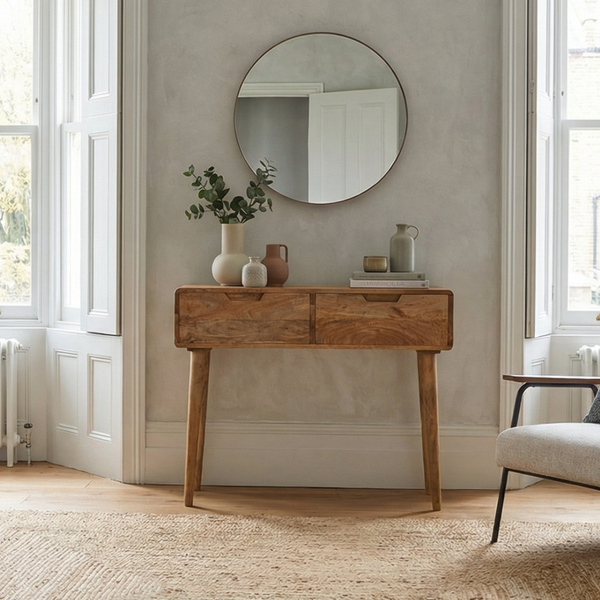
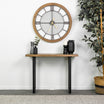
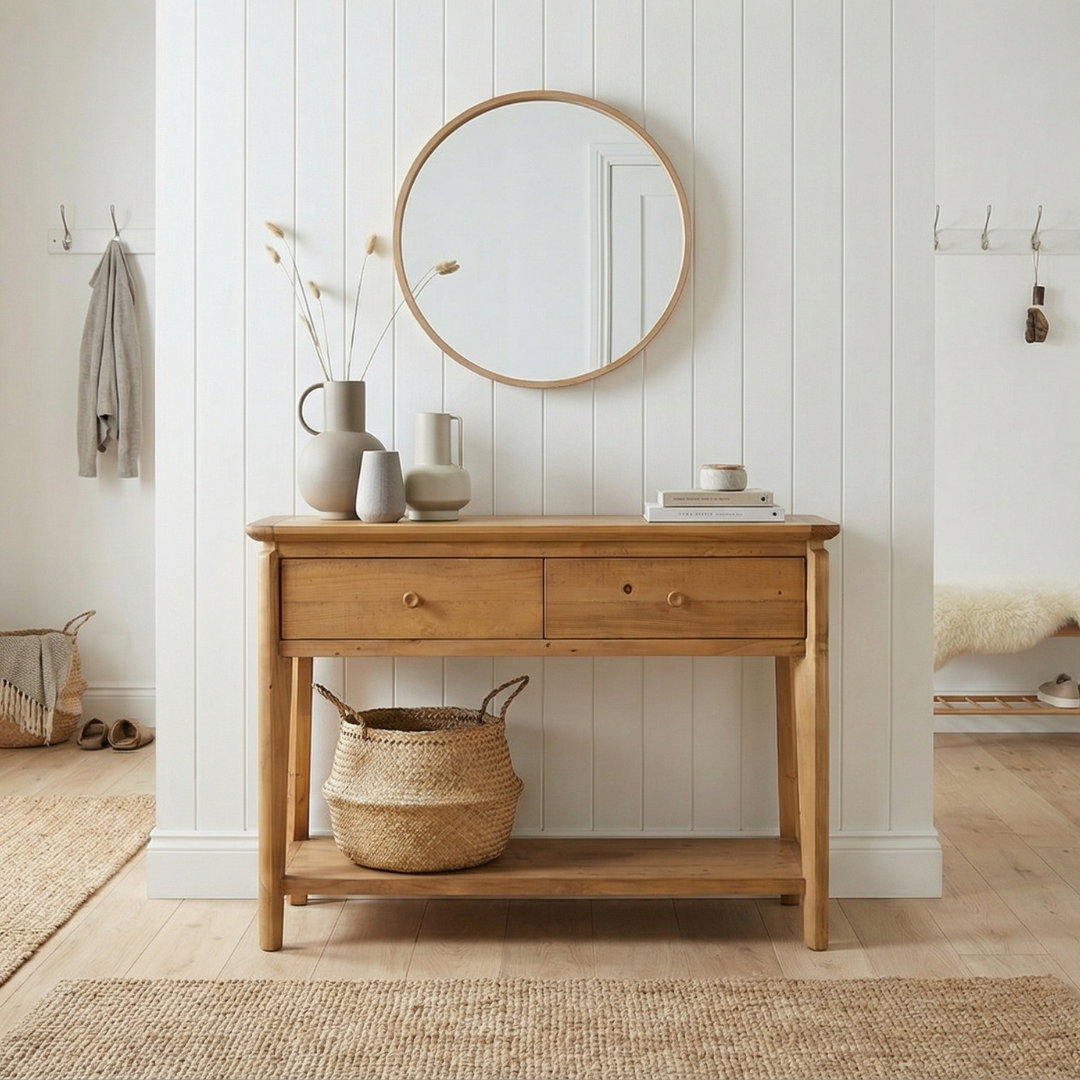
Decorative Mirrors: Stylish frames enhancing light and space
Accessories further personalise and soften the interiors. Mirrors, for instance, enhance natural light and make spaces appear larger and more inviting. By carefully choosing accessories, you can inject warmth and character into your mid-century modern space, ensuring a welcoming and comfortable ambience.
Room-by-Room Mid-Century Modern Interior Design Ideas
Transforming your home into a mid-century modern haven can be achieved room by room. Each space presents unique opportunities to showcase this timeless style.
Living Room Inspiration
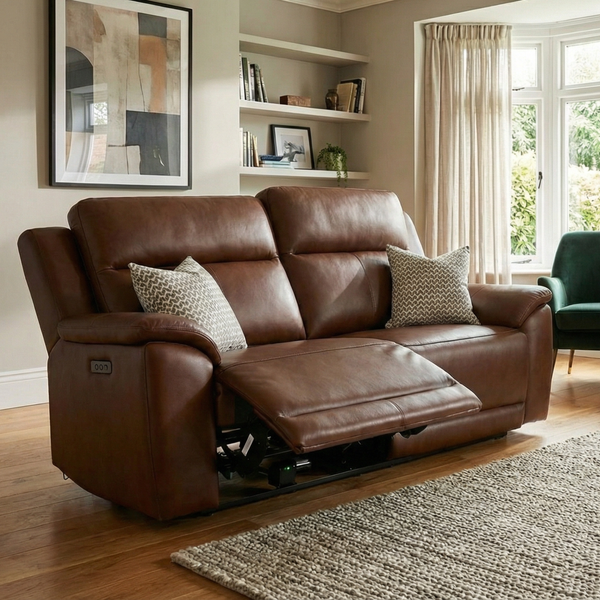
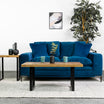
The living room often serves as the heart of the home. Focus on open layouts to enhance functionality and flow. Incorporate statement furniture pieces that act as focal points.
-
Sofas: Low-profile designs in neutral hues
-
Coffee Tables: Sleek designs with metal or wooden frames
-
Rugs: Geometric patterns that add visual interest
Kitchen and Dining Areas
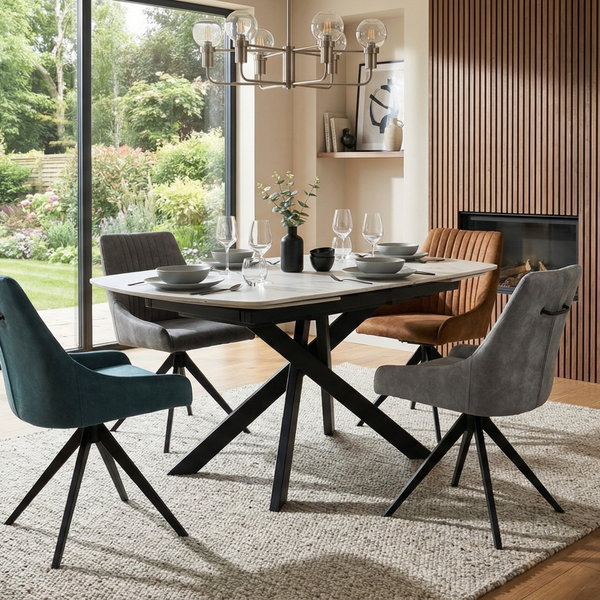
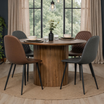
In the kitchen, embrace the clean lines synonymous with mid-century design. Opt for functional storage that keeps the area clutter-free. Dining rooms can benefit from bold, statement lighting.
-
Cabinets: Simple, uncluttered with natural wood finishes
-
Lighting: Oversized pendant lamps above the dining table
-
Chairs: Mix of vintage and modern styles
Bedroom Comfort
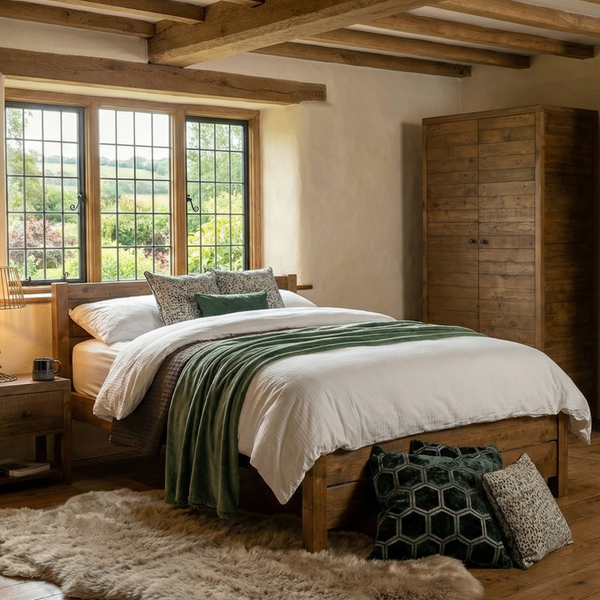
Bedrooms should exude warmth and relaxation. Choose furniture and accessories that blend functionality with style, promoting tranquillity.
-
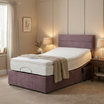
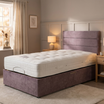
Beds: Platform designs with a minimalist headboard
-
Dressers: Mod-style pieces with ample storage
-
Art: Bold, abstract prints to personalise the space
By thoughtfully curating each room with these mid-century modern interior design ideas, you create a harmonious home that celebrates vintage charm while delivering on contemporary comfort.
Modern Design Tips: Blending Vintage with Contemporary
Blending mid-century elements with modern design can create a dynamic interior. The key is balance to ensure harmony in the space.
Start by integrating vintage furnishings with contemporary accessories. This fusion keeps the look fresh and exciting without feeling outdated.
Modern colour palettes can enhance classic pieces, creating a seamless transition between eras. Bold hues bring mid-century furnishings to life in unexpected ways.
-
Mix Textures: Combine plush fabrics with sleek metals
-
Layer Rugs: Place a simple modern rug beneath a vintage patterned one
-
Art Pairing: Display contemporary art with classic mid-century pieces
By following these modern design tips, you can craft a unique and inviting home that celebrates both past and present styles.
Sustainable and Practical Living: The Functional Side of Mid-Century Modern
Mid-century modern design champions sustainability with an emphasis on durable materials. Wood, metal, and glass are crafted for longevity, reducing the need for frequent replacements.
This design philosophy aligns with modern sustainability goals. Its focus on functionality ensures living spaces are not only beautiful but also practical for everyday life. A clutter-free aesthetic enhances both usability and enjoyment of home environments.
Conclusion: Creating Your Own Timeless Space
Embracing mid-century modern design allows you to craft a space that resonates with both past and present. By blending iconic vintage elements with contemporary pieces, you create a living area that is uniquely yours.
This balance of old and new fosters not just aesthetic beauty but also enduring comfort. The result is a timeless haven reflecting your personal style while honouring a legendary design era.

Leave a comment
This site is protected by hCaptcha and the hCaptcha Privacy Policy and Terms of Service apply.