
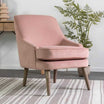
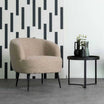













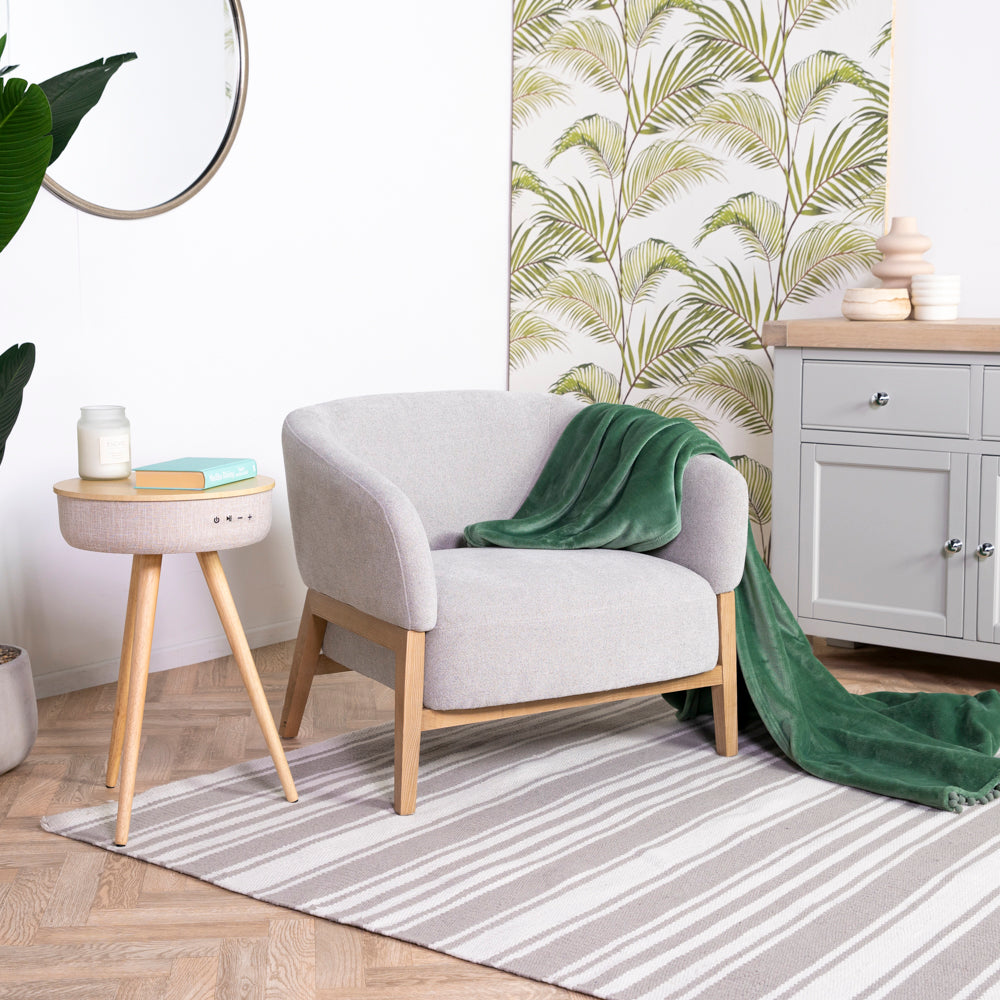
Choosing an armchair is more than a simple style preference—it represents a lifestyle contract. Picture a rainy Sunday morning: are you sinking into the soft, warm hug of fabric chairs, or the cool, smooth embrace of leather chairs?
Industry data reveals that furniture buyer's remorse usually stems from mismatched materials rather than bad aesthetics. Every upholstery type involves hidden trade-offs. One option might survive your cat's scratching habits, while the other effortlessly repels a spilt glass of Cabernet.
Before spending your budget, you must identify your personal deal-breakers. By comparing fabric armchairs vs leather armchairs using a practical, lifestyle-first method, you can ensure your next piece looks great and survives your household's daily reality.
Why Fabric Stays Cosy While Leather Plays It Cool (or Hot)
Picture a sweltering July afternoon in a stuffy room. The last thing you want is a chair that sticks to your legs. Your indoor climate drastically shapes how furniture feels, yet people rarely consider how materials react to heat and cold.
Woven textiles solve this through the breathability of natural fabric fibres like cotton or linen. Because air moves freely through the weave, the surface temperature stays entirely neutral. This continuous airflow makes a fabric piece the most comfortable armchair for long periods of lounging, regardless of the season.
Leather operates differently, acting like a thermal mirror for your room. In a draughty house, a leather seat feels crisp and chilly until your body heat naturally warms it up. Placed in direct sunlight, it absorbs energy quickly and can get surprisingly hot.
Choosing between fabric's year-round stability and leather's adjusting embrace depends heavily on your local weather and home heating habits.
The Pet and Toddler Test: Which Material Survives the Mess?

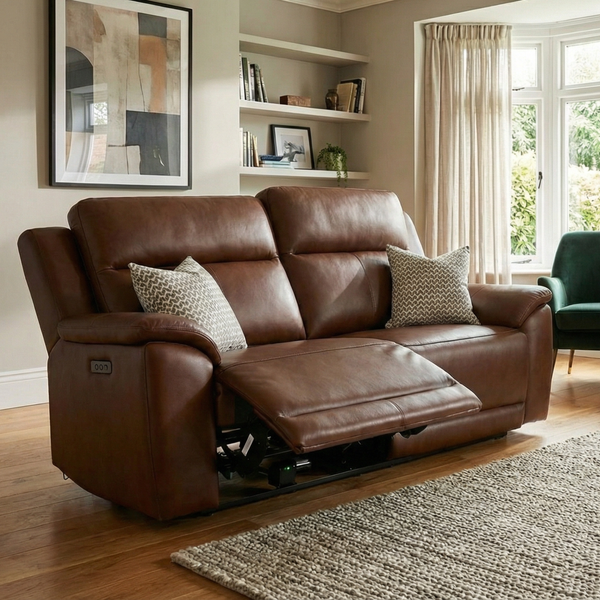
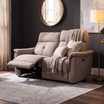
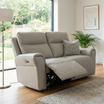
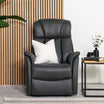
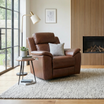
New Hampshire Leather Power Recliner Chair
When managing the inevitable coffee spills and muddy paws, leather offers a distinct advantage: the five-second wipe-down. Unlike woven textiles that drink up liquids, leather lets you erase mistakes instantly. Otherwise, you must learn how to remove stains from upholstered chairs using specialised upholstery cleaners.
Modern engineering levels the playing field with high-grade stain-resistant fabric treatments for living rooms. These invisible shields give you precious minutes to blot spills before they set. Yet, as fabrics endure daily friction from jeans, you might notice tiny bobbles forming on the surface. This natural wear is called pilling in synthetic fabric armchairs, and it is easily managed with a simple handheld fabric shaver.
Discovering the best armchair material for pet owners requires balancing this daily wear with serious scratch resistance. Consider these three high-traffic champions:
-
Microfibre: The ultimate gold standard; its ultra-tight weave stops cat claws from snagging.
-
Top-Grain Leather: Thick and durable enough to endure rough dog nails.
-
Distressed Leather: Hides inevitable surface scratches by seamlessly blending them into a purposefully rugged look.
Surviving these visible messes is only half the battle of maintaining a healthy home environment.
Breathing Easier: Why Leather Wins the Allergy War and How Fabric Traps Dust
Struggling with seasonal sniffles or indoor asthma triggers? When choosing furniture for allergy sufferers, the unseen environment inside your cushions matters deeply. Everyday fabric acts like a cosy hotel for dust mites, trapping pet dander and pollen within its woven threads.
To combat this microscopic buildup in textiles, you must commit to a rigorous vacuuming routine. Conversely, a smooth, non-porous hide simply blocks these invaders from settling in. You immediately experience the hypoallergenic benefits of leather seating when a quick wipe-down replaces hours of deep cleaning.
Blocking allergens at the surface provides genuine, long-term relief for sensitive lungs, creating a healthier foundation for your living space.
From Patina to Pilling: What Your Armchair Will Look Like in Five Years
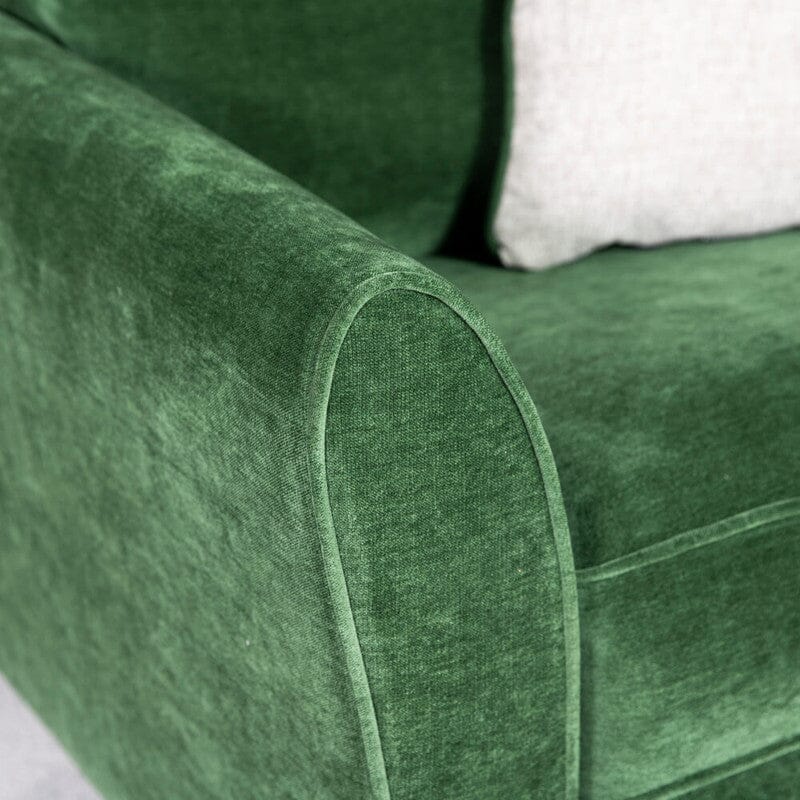
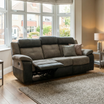
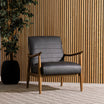
Flamenco Armchair
Buying an armchair is like finding the perfect pair of jeans; you must consider how it will look after years of daily wear. While fabrics frequently struggle with pilling—those annoying small clusters of fibres caused by friction—all materials battle their environment. Minimising the impact of sunlight on leather fading or fabric bleaching is crucial for protecting your investment, so think twice before placing your new piece right beside a bright window.
Leather ages beautifully, provided you navigate the showroom using this simple 'Good-Better-Best' ladder:
-
Bonded (Good): Like a chicken nugget made of pressed meat scraps, it saves money today but inevitably cracks and peels.
-
Top-Grain (Better): A durable, solid cut built to survive the rigours of family life.
-
Full-Grain (Best): The premium, uncorrected hide that absorbs life's natural oils.
Instead of looking ragged, quality hides actually wear in by developing a natural patina on leather—a rich, soft sheen that gives the piece unique character. Since the lifespan of top-grain leather furniture often exceeds a decade, the initial upfront cost is often misleading.
Calculating the 'Cost-Per-Year': Why Price Tags Can Be Deceptive
Staring at the price difference between textile and hide seating often triggers budget anxiety. Smart shoppers, however, focus on the cost-per-year. If a £400 fabric chair needs replacing in four years, it costs £100 annually. Meanwhile, a £1,000 leather armchair surviving a decade of daily use equals that exact same £100 a year.
Upfront savings frequently vanish when factoring in daily upkeep. Consider the strict maintenance requirements for velvet armchairs, which might demand professional cleaning every year just to remove pet odours. That budget-friendly piece suddenly carries a hidden subscription fee of expensive cleaning bills.
Spending more upfront on durable materials acts as insurance against household wear and tear. Calculating the true cost over a decade proves that investing wisely means buying once instead of thrice.
The 60-Second Verdict: Which Material Matches Your Lifestyle Habits?
You can now walk into any furniture showroom knowing exactly which material will survive your daily routine. Instead of guessing, perform a quick lifestyle audit: Do shedding pets rule the house? Are spills a frequent threat? Does the room get hot? Use these answers to confidently evaluate fabric versus leather options.
Use this checklist to choose the right armchair for your space:
-
Fabric is for you if: You prioritise cosy warmth, want endless colours, and prefer budget-friendly flexibility.
-
Leather is for you if: You need instant wipeability, desire a rich patina, and must repel pet hair.

Leave a comment
This site is protected by hCaptcha and the hCaptcha Privacy Policy and Terms of Service apply.