


















When furnishing a home, finding the perfect balance between style and practicality is essential. If you are exploring new storage solutions, you have likely encountered the classic debate of sideboards vs cupboards. Both offer distinct advantages, but understanding how they function will help you make the best choice for your living space.
The Classic Sideboard: Low-Profile Elegance
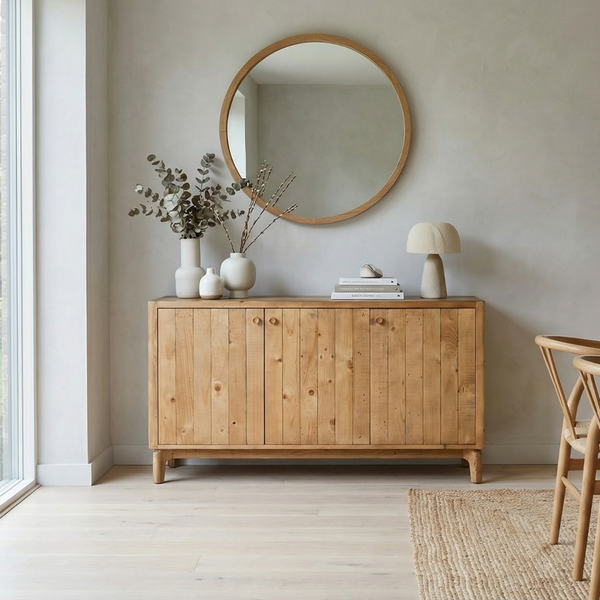
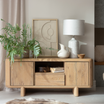
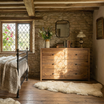
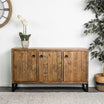
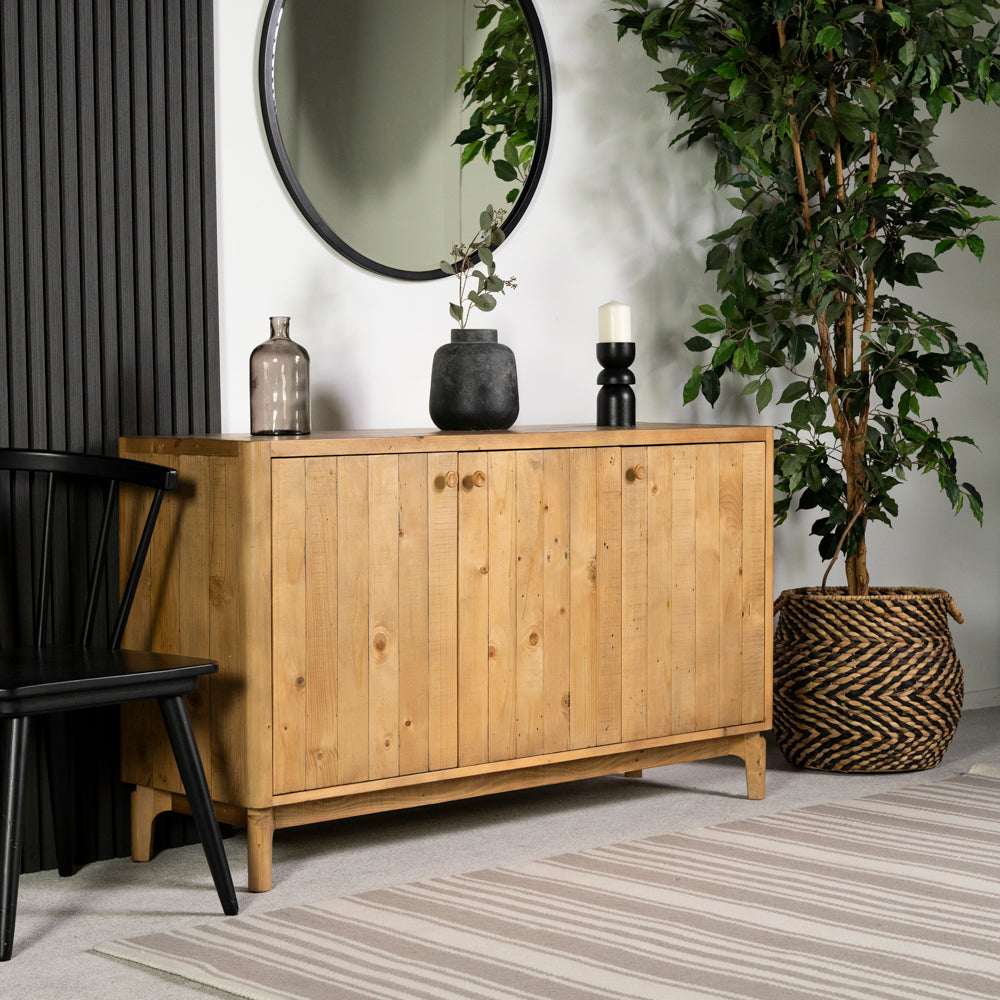
A sideboard is traditionally a waist-height unit, making it a brilliant choice for dining room storage. If you are wondering how high is a standard sideboard, they typically sit between 80cm and 90cm. This makes them ideal as low profile storage furniture for living areas, as they provide ample space without dominating the room’s sightlines.
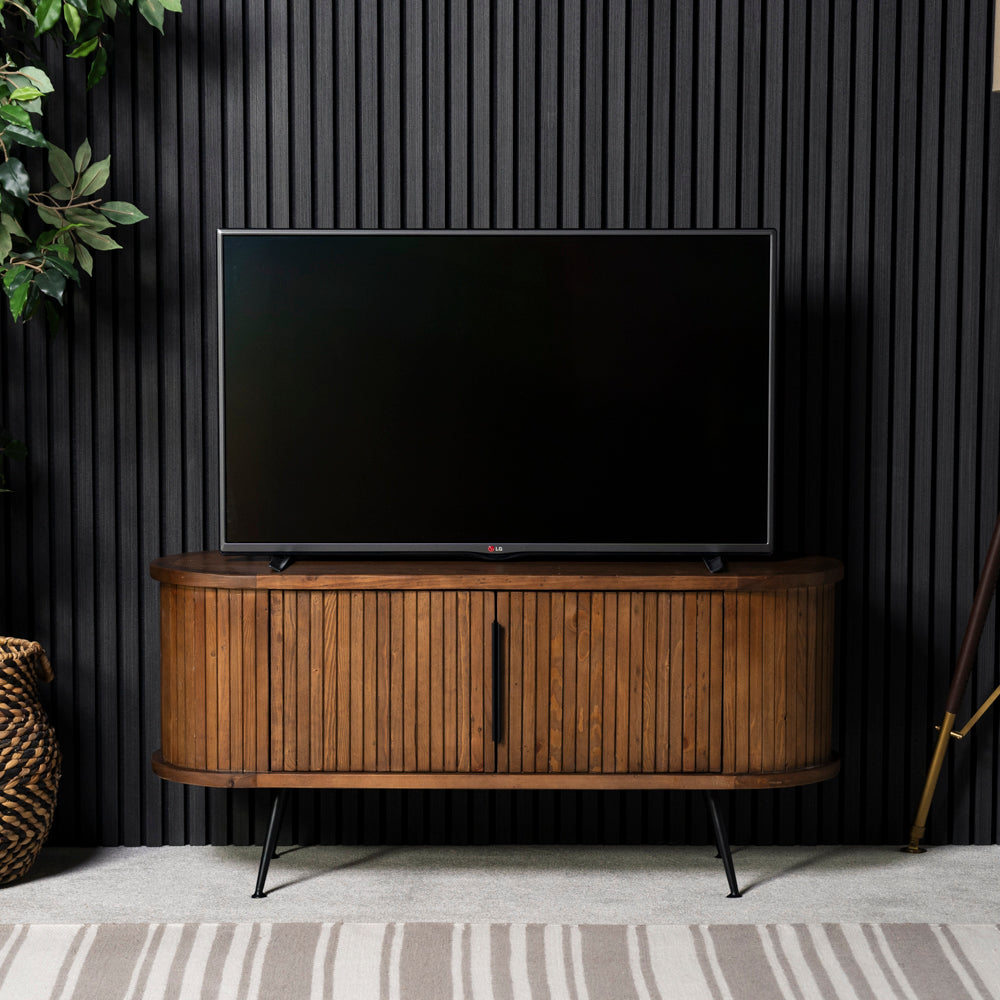
One of the greatest benefits of a sideboard is the expansive flat surface area for serving food during dinner parties or family gatherings. People often ask about the difference between buffet and sideboard; generally, a buffet is simply a sideboard used exclusively in the dining room. Similarly, when considering a credenza vs server for dining rooms, a server tends to be smaller and taller, whereas a credenza features shorter legs and sliding doors.
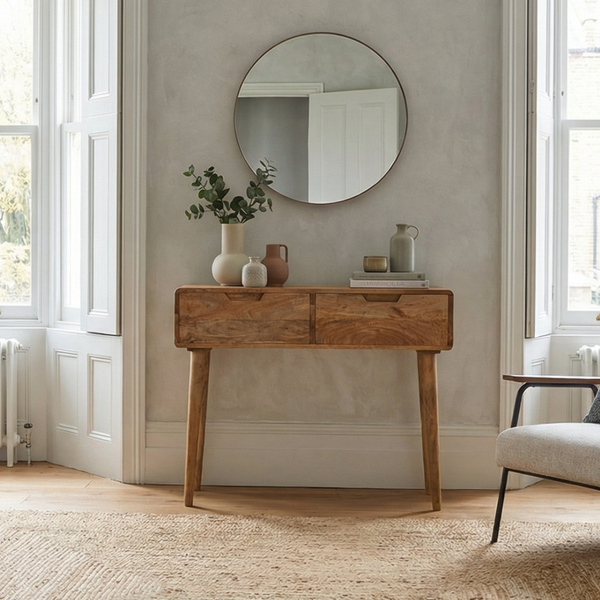
Regardless of the terminology, these pieces excel at storing dinnerware and table linens efficiently. Beyond the dining room, a sleek unit is also a smart option when choosing the right accent piece for your hallway, offering a convenient drop zone for keys and post.
The Trusty Cupboard: Maximising Vertical Space
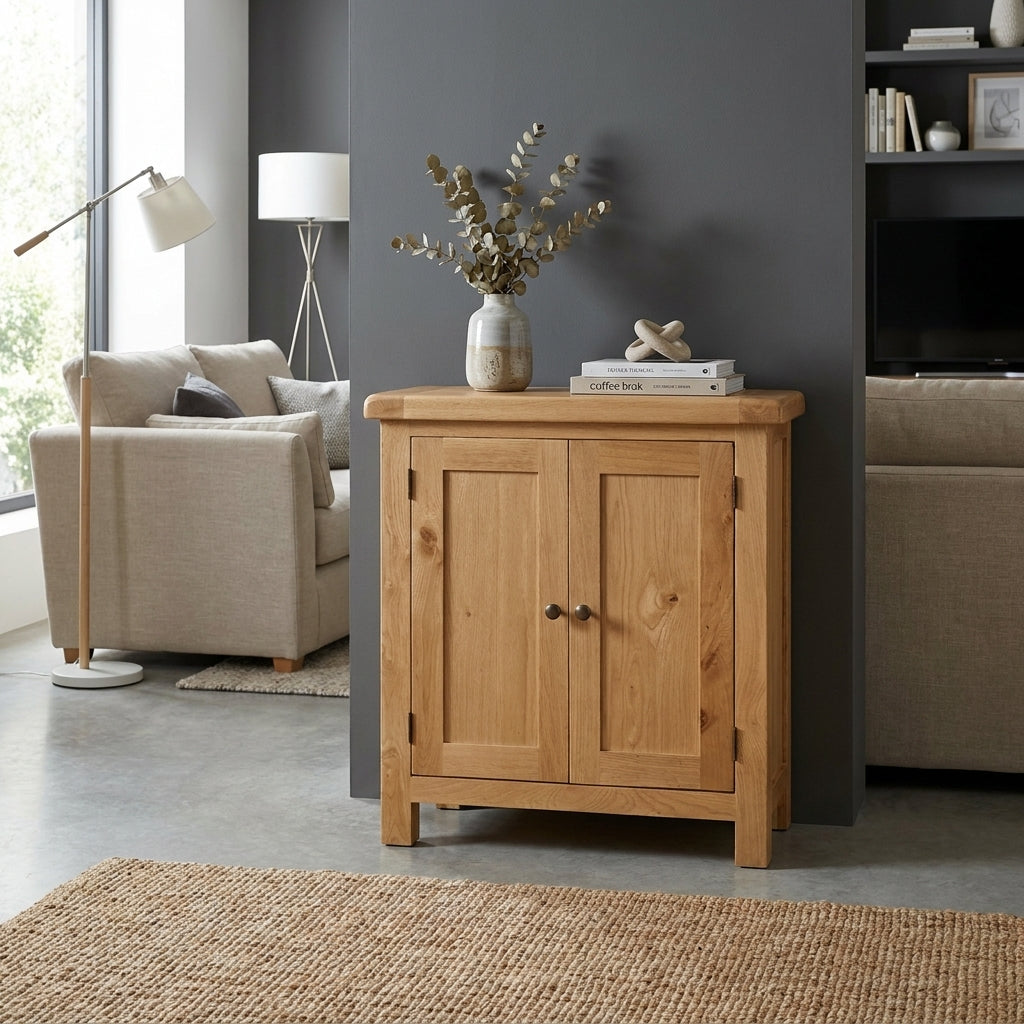
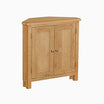
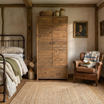
Cupboards, by contrast, tend to be taller and more varied in their proportions. If you are short on square footage, maximising floor space with vertical cupboards is a highly effective strategy. They are absolutely unparalleled when it comes to hiding household clutter with closed cabinet doors.
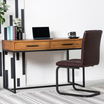
In the kitchen, shaker style kitchen storage solutions remain incredibly popular for tall, freestanding utility units. When planning your layout, you must carefully consider the specific height and depth requirements for pantry units to ensure they comfortably house food packets, appliances, and cookware. Furthermore, their utility easily extends beyond culinary spaces; they make excellent multipurpose storage cabinets for home offices, keeping files, stationery, and tech neatly tucked away.
Sideboards vs Cupboards: Making the Right Choice
When deciding between sideboards vs cupboards, your room's dimensions should be your primary guide. If you are wondering which furniture is best for small dining rooms, a sideboard often wins. Its lower height creates an illusion of spaciousness, preventing the room from feeling cramped.
However, your choice also comes down to aesthetic preference and specific needs. Here is a quick guide to help you decide:
-
For display and serving: A sideboard fits seamlessly into mid-century modern furniture aesthetics whilst providing a brilliant serving station.
-
For bulk storage: A tall cupboard is better for heavy-duty storage or housing tall items like brooms and ironing boards.
-
For delicate items: Both are superb for organizing fine china and glassware storage, provided you fit them with sturdy, adjustable shelving.
Conclusion
Ultimately, the choice between these two furnishings depends on whether you value open surface space or maximum vertical capacity. By assessing your room’s shape and your daily routines, you can select the perfect piece to keep your home beautifully organised and effortlessly stylish.

Leave a comment
This site is protected by hCaptcha and the hCaptcha Privacy Policy and Terms of Service apply.