








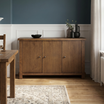
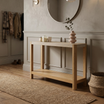
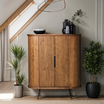
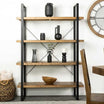
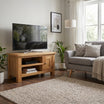
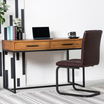




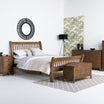


When redesigning your lounge, choosing the right base for your television is a crucial decision that dictates both the aesthetic and the functionality of the room. The debate of TV Units vs Sideboards is one many homeowners face, especially as modern living spaces increasingly blur the lines between dining, relaxing, and entertaining.
Both options offer distinct advantages, but the right choice depends heavily on your viewing habits, technology requirements, and interior design tastes. If you are currently weighing up a traditional media unit against a taller storage piece, this comprehensive guide will help you make an informed decision.
Understanding the Core Differences
Before diving deeply into the tv units vs sideboards dilemma, it is helpful to clarify what each piece is designed to do. At their core, both are essential staples of living room furniture that provide a surface for your screen whilst offering internal space for your belongings. However, their primary functions differ significantly.
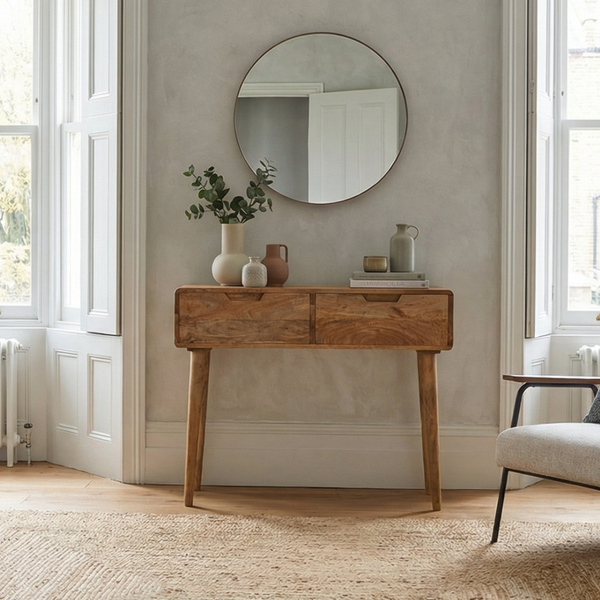
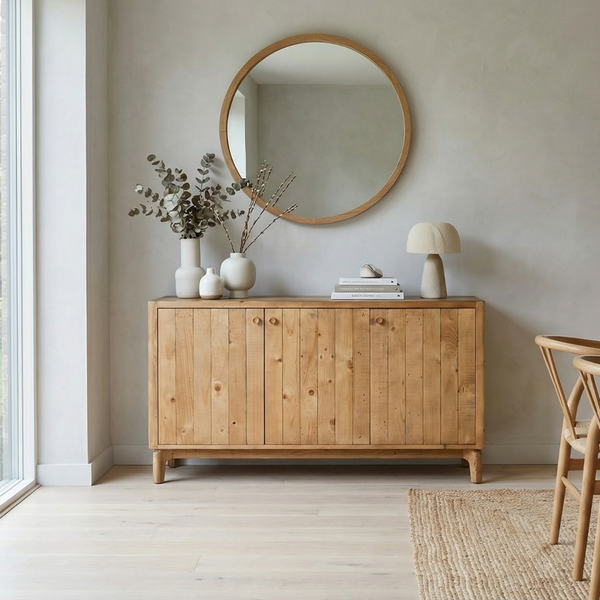
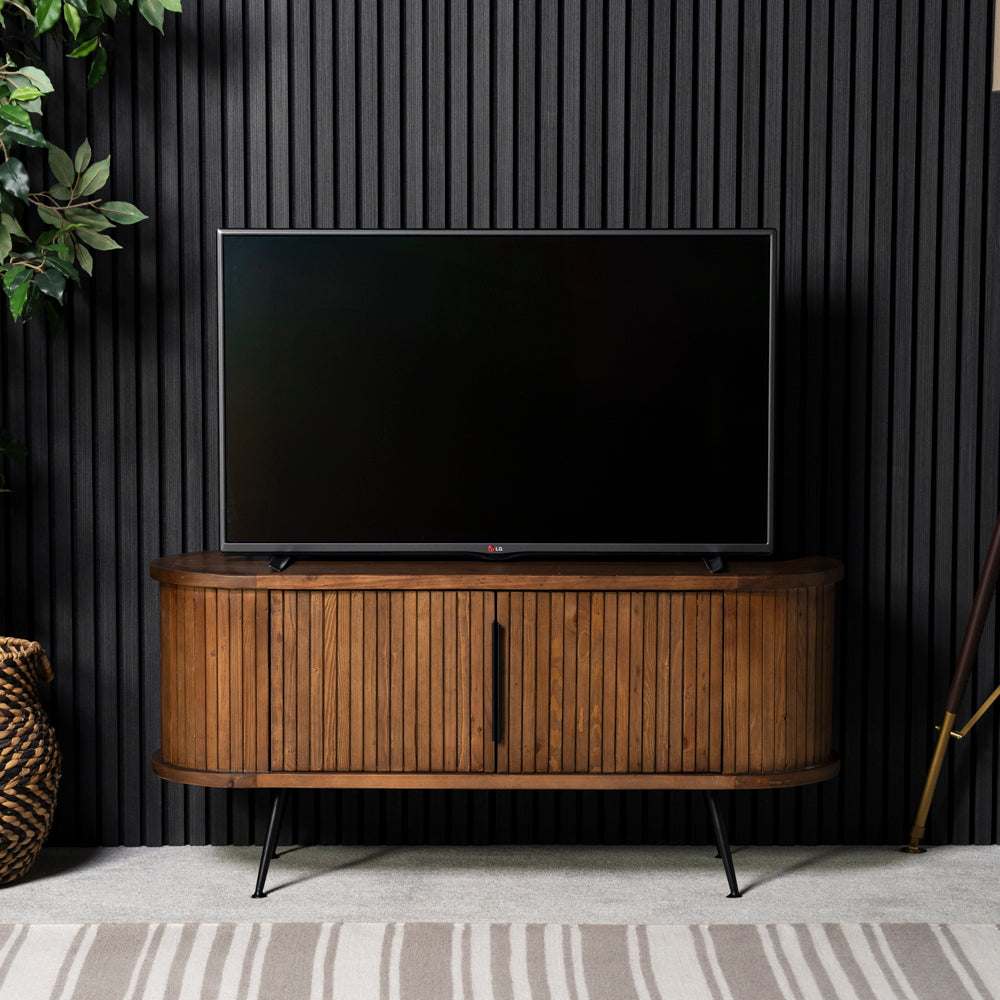
A traditional TV unit is purpose-built for media. It is typically low to the ground, features open shelving for electronics, and is built to accommodate modern technology. On the other hand, a sideboard is traditionally taller and designed for dining or hallway storage.
If you are wondering about the difference between sideboard and buffet, they are essentially the same structural piece of furniture. A buffet is traditionally used in a dining room for serving food and storing crockery, whilst a sideboard is common in living spaces. Today, a versatile credenza for dining and living areas bridges this gap effortlessly, serving as an elegant focal point regardless of the room it sits in.
The Case for a Dedicated TV Unit
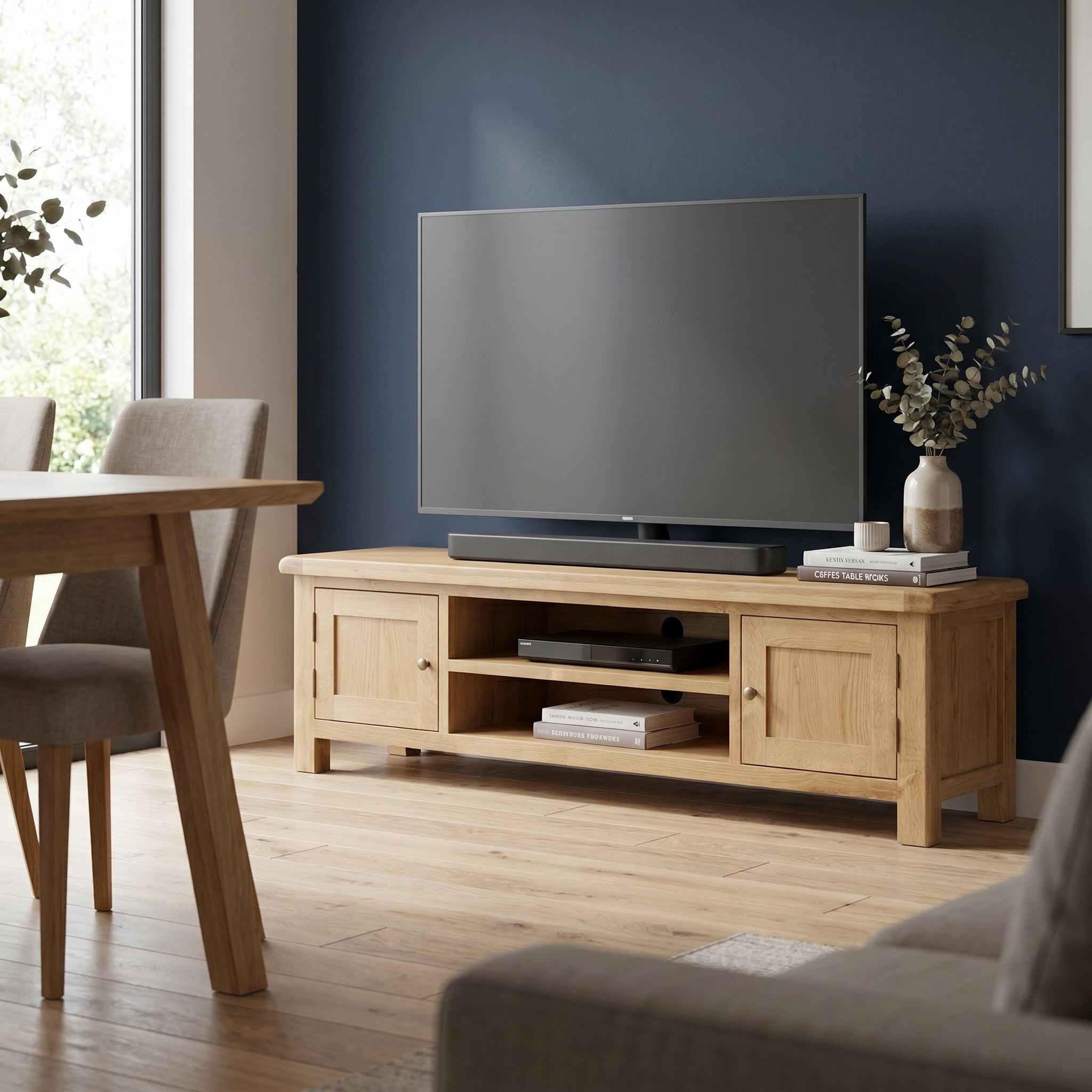
When comparing a media console vs credenza, the media console almost always wins out when it comes to raw technological functionality and viewing comfort. Here is why a dedicated TV unit might be the best fit for your home.
Ergonomics and Viewing Comfort
To prevent neck strain during your weekend movie marathons, adhering to a proper TV viewing height guide is essential. The general rule of thumb is that the centre of your television screen should sit perfectly at eye level when you are seated on your sofa. Because TV units are purposefully built low to the ground (usually between 40 to 50 cm high), they naturally provide this comfort, making them a cornerstone of ergonomic furniture for home theater setups.
Pairing a low TV unit with the optimal viewing distance for flat screens—typically 1.5 to 2.5 times the diagonal measurement of the screen—ensures a perfectly comfortable, cinematic viewing experience right in your lounge.
Technology and Cable Management
If you loathe the sight of messy wires, a dedicated media unit is far superior for hiding cables in living room furniture. Most purpose-built stands come with pre-drilled holes, cable routing systems, and removable back panels.
Furthermore, electronic devices like amplifiers and games consoles generate a significant amount of heat. Purpose-built TV stands often feature integrated ventilation for electronic equipment. Because of this open airflow and dedicated wire management, a traditional media unit is unequivocally the best furniture for hiding gaming consoles, set-top boxes, and smart home hubs without the risk of them overheating.
The Appeal of a Sideboard as a Media Stand
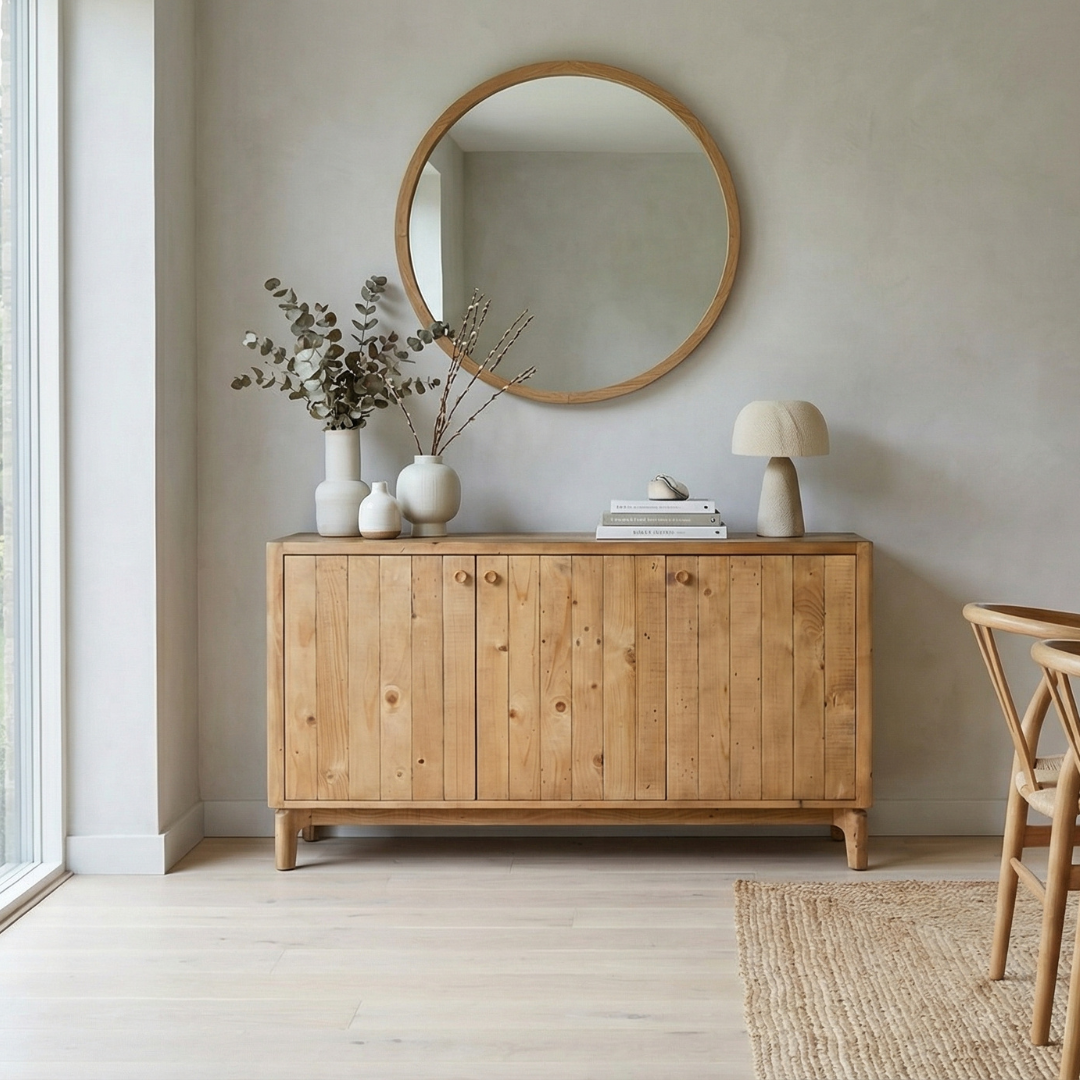
So, can you put a television on a sideboard? Absolutely. In fact, using a buffet for TV stand or repurposing a chic vintage sideboard has become a massive trend in contemporary interior design.
Unmatched Aesthetic Appeal
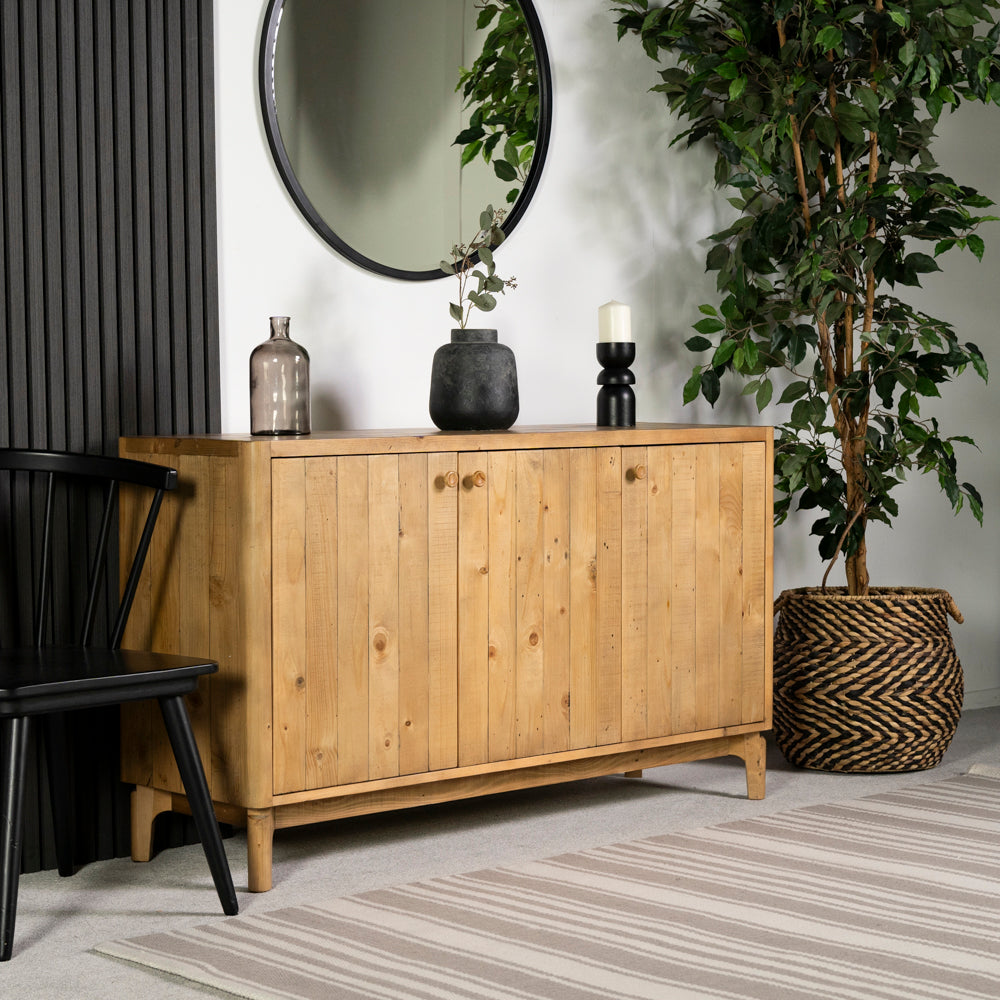
If you prefer your television to blend into the room rather than dominate it, a sideboard draws the eye to the craftsmanship of the furniture itself. It allows you to introduce beautiful textures—like fluted wood, rattan, or sleek marble—into the room. While you have flexibility for displaying decor on low consoles, sideboards offer a substantial, anchoring presence that makes a space feel mature and sophisticated.
Superior Storage Capacity
Sideboards are brilliant storage solutions. They boast deep cupboards and robust drawers, providing excellent multifunctional storage for small living rooms. If your lounge doubles as a playroom or home office, a sideboard allows you to quickly hide away board games, extra throws, paperwork, or even dining sets behind solid doors, keeping the room entirely clutter-free.
Key Factors to Consider Before Buying
When figuring out how to choose living room furniture for storage and media purposes, you must look beyond aesthetics and consider the practical logistics of your space.
-
Structural Integrity and Weight: Modern flat-screen televisions might be slimmer than older models, but they are still heavy—especially once you add premium soundbars and gaming consoles to the mix. Checking the weight capacity for entertainment centers, sideboards, and floating shelves is non-negotiable. Ensure the top surface can safely bear the weight of a heavy 65-inch screen without bowing in the middle.
-
Room Layout and Flow: A modern living room layout with media unit tends to feel more open and minimalist due to the lower profile of the furniture. If you want a breathable, airy space with clean sightlines, a low-slung TV unit wins. Conversely, if you have high ceilings or a large, open-plan space, a taller sideboard helps anchor the room beautifully.
-
Remote Control Access: Remember that solid wood sideboard doors will block infrared signals. If you are planning on hiding your digital boxes or media players inside a sideboard, you may need a unit with glass or slatted doors, or you will need to rely on Bluetooth or radio-frequency (RF) remote controls.
-
Seating Height: Because sideboards are much taller (often 70 to 90 cm high), they are better suited to larger rooms where your sofa is positioned further back. Alternatively, they work wonderfully in bedrooms, where you will likely be watching television from the height of a mattress rather than a low lounge chair.
Making the Final Decision
Ultimately, the choice between TV Units vs Sideboards comes down to how you use your living space.
If you are an avid gamer, a film enthusiast with surround sound, or someone who prioritises a flawless, ergonomic viewing setup, a dedicated TV unit is the most practical choice. It caters directly to the demands of modern technology, keeping wires hidden and devices cool.
However, if you are a design-conscious homeowner who values abundant storage and wants to disguise the presence of technology in the room, a stylish sideboard is a spectacular alternative. It elevates the aesthetic of the space whilst providing an incredibly practical storage hub.
Whichever route you choose, take the time to measure your room, note your seating height, and assess your storage needs. Getting these fundamentals right ensures your living room remains a stylish, comfortable, and highly functional sanctuary for years to come.

Leave a comment
This site is protected by hCaptcha and the hCaptcha Privacy Policy and Terms of Service apply.