


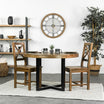
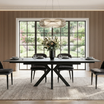
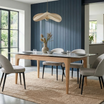

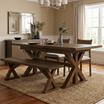
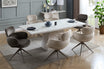





The dining room is much more than just a place to eat; it is the heart of the home, a gathering spot for family celebrations, and the setting for countless late-night conversations. Because this space serves so many vital functions, choosing the right furniture is a decision that requires careful thought. When it comes to the ultimate showdown of Round Dining Tables vs Rectangular Dining Tables, the choice goes far beyond mere aesthetics.
The various dining table shapes available today dictate how you navigate your room, how many guests you can comfortably host, and even how people interact during a meal. Whether you are furnishing a cosy flat or a sprawling country house, understanding the practical and social nuances of these shapes will help you make a confident, lasting choice.
Assessing Your Space: The Foundation of Your Choice
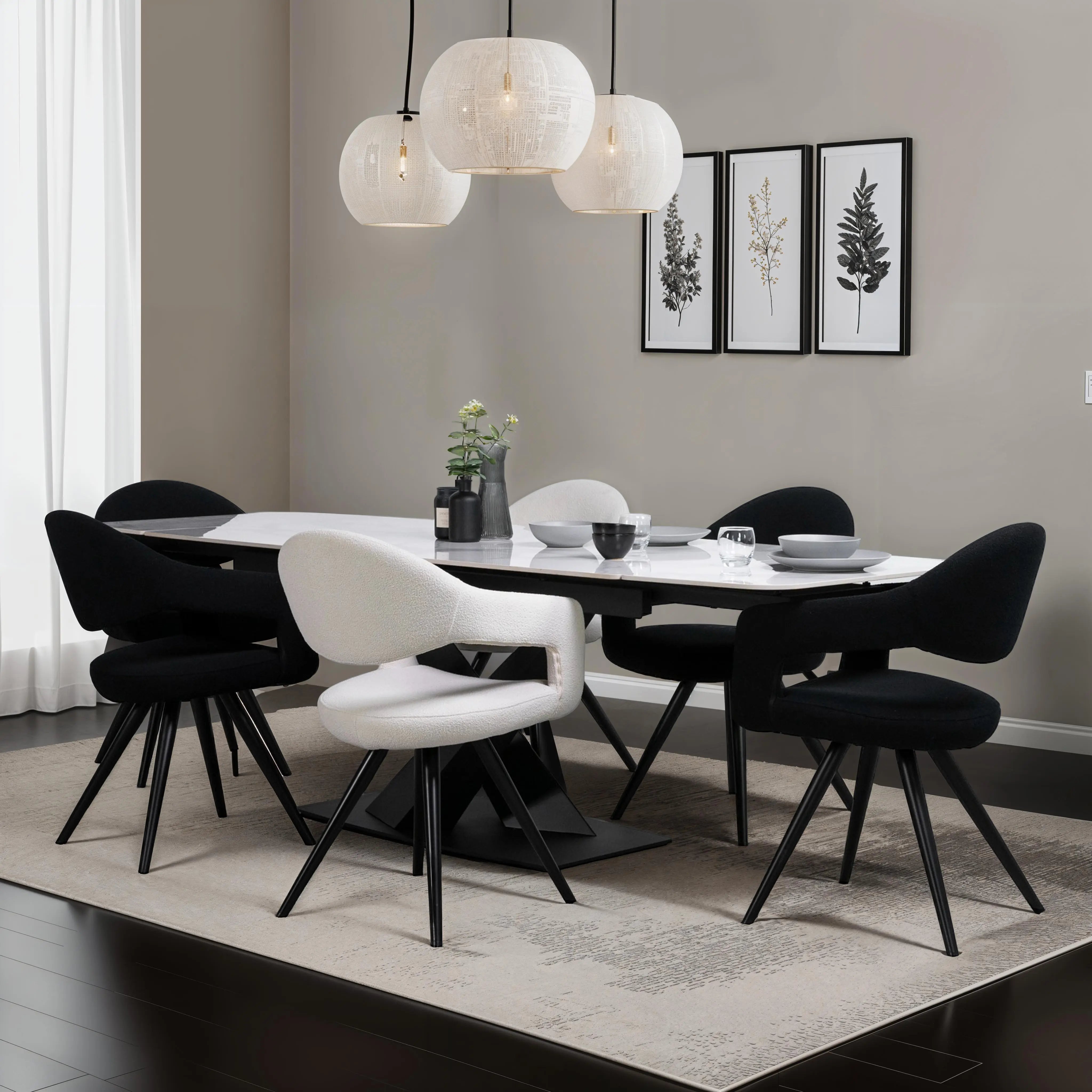
Before you fall in love with a specific design or material, you must take a pragmatic look at your room's dimensions. The golden rule of interior design is that the architecture of the space should dictate the shape of your furniture.
Perfecting the Layout
Creating a comfortable environment requires a reliable dining room traffic flow guide. You want your guests to be able to pull out their chairs and walk around the room without awkwardly squeezing past one another. But exactly how to measure dining room clearance?
-
The 90-Centimetre Rule: Always aim to leave an absolute minimum of 90 centimetres (about 3 feet) of clearance between the edge of the table and the nearest wall or piece of furniture.
-
The Generous Approach: If you have the luxury of space, extending this clearance to 100 or 120 centimetres allows for effortless movement, even when chairs are fully pulled out.
Matching Shape to Your Room's Proportions
Your room's floor plan naturally lends itself to certain profiles. For instance, when looking at square room dining table recommendations, interior designers almost unanimously suggest round or square tables. These shapes beautifully echo the room's equal proportions, creating a balanced, harmonious look.
On the other hand, if you are focusing on maximising seating in narrow dining rooms, a long, slim rectangular table is often your best bet. Pushing a rectangular table slightly off-centre and pairing it with a banquette or bench against the wall can free up valuable floor space while still accommodating a large number of guests.
What about modern, broken-plan living spaces? Incorporating round tables for open floor plans is a brilliant way to soften the harsh, straight lines typically found in kitchen islands, cabinetry, and sofas. A circular table creates a defined, inviting dining zone that doesn't rigidly block the flow of an open room.
The Case for Round Dining Tables: Intimacy and Flow

There is a distinct charm to gathering around a circular table. Round dining tables are celebrated for creating an egalitarian, inclusive atmosphere where everyone has an equal seat at the meal.
Conversation and Connection
One cannot overstate the social benefits of round dining tables. Because all diners face the centre, nobody is left isolated at the far end of the table. This setup brings a remarkably positive impact of table shape on conversation flow, allowing a party of six or eight to engage in a single, shared discussion rather than splintering into separate side chats.
Space-Saving and Practical
A circular design is widely regarded as the best dining table shape for small spaces. The absence of sharp corners visually lightens the piece, making the room feel less cramped. Furthermore, slipping an extra chair into a circular arrangement is much easier when unexpected guests arrive.
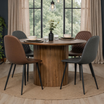
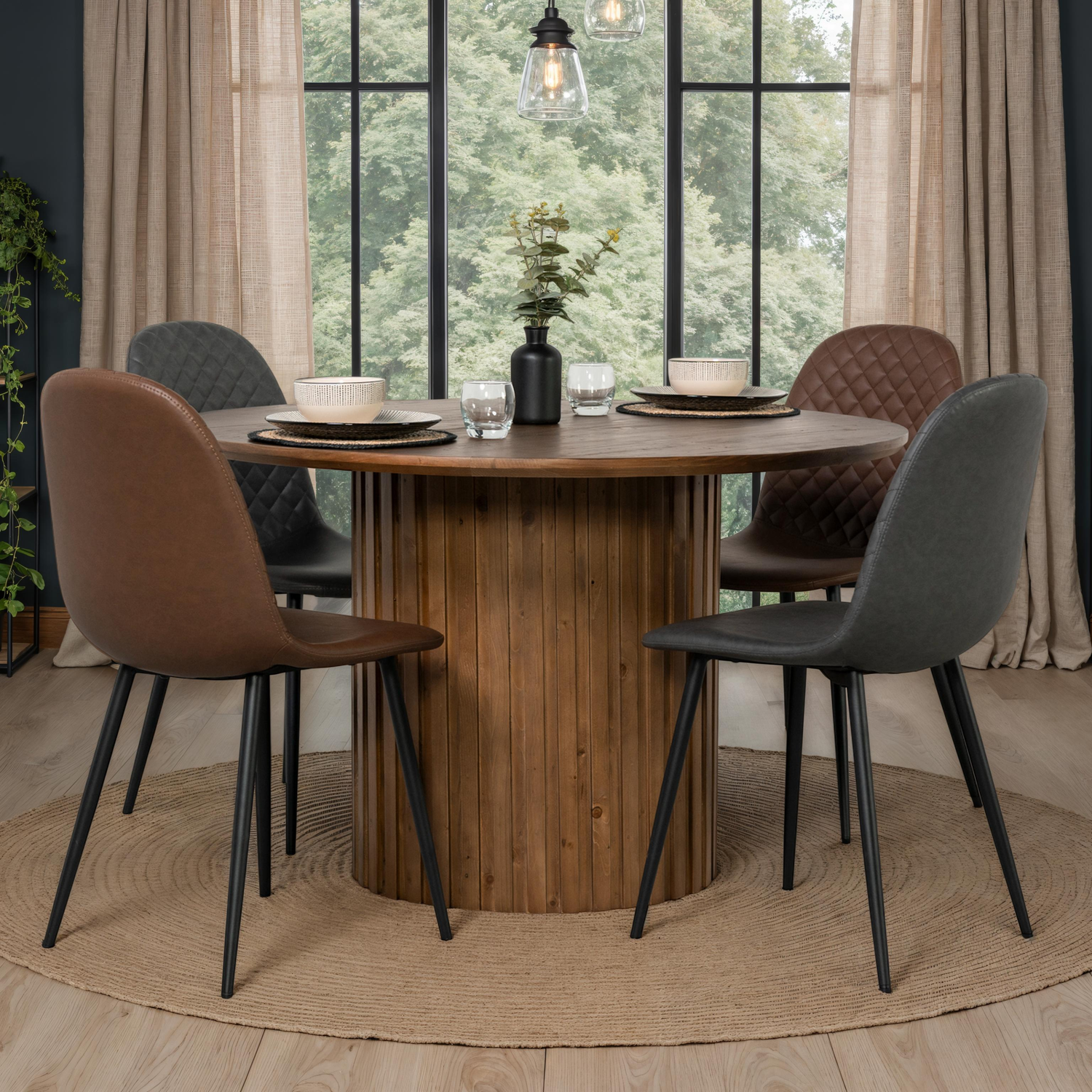
When shopping for a round table, pay close attention to the base. If you compare a pedestal base vs four legs legroom, the pedestal design almost always wins. A single central column eliminates the awkwardness of guests straddling wooden legs, granting everyone ample space to stretch out comfortably.
A Note on Family Safety
For households with toddlers, circular designs offer peace of mind. Parents often spend time researching child safety and table corner guards to prevent bruised foreheads and tearful mealtimes. With a round table, the lack of sharp, projecting corners entirely eliminates this hazard, making it an inherently family-friendly option.
The Power of Rectangular Dining Tables: Entertaining at Scale
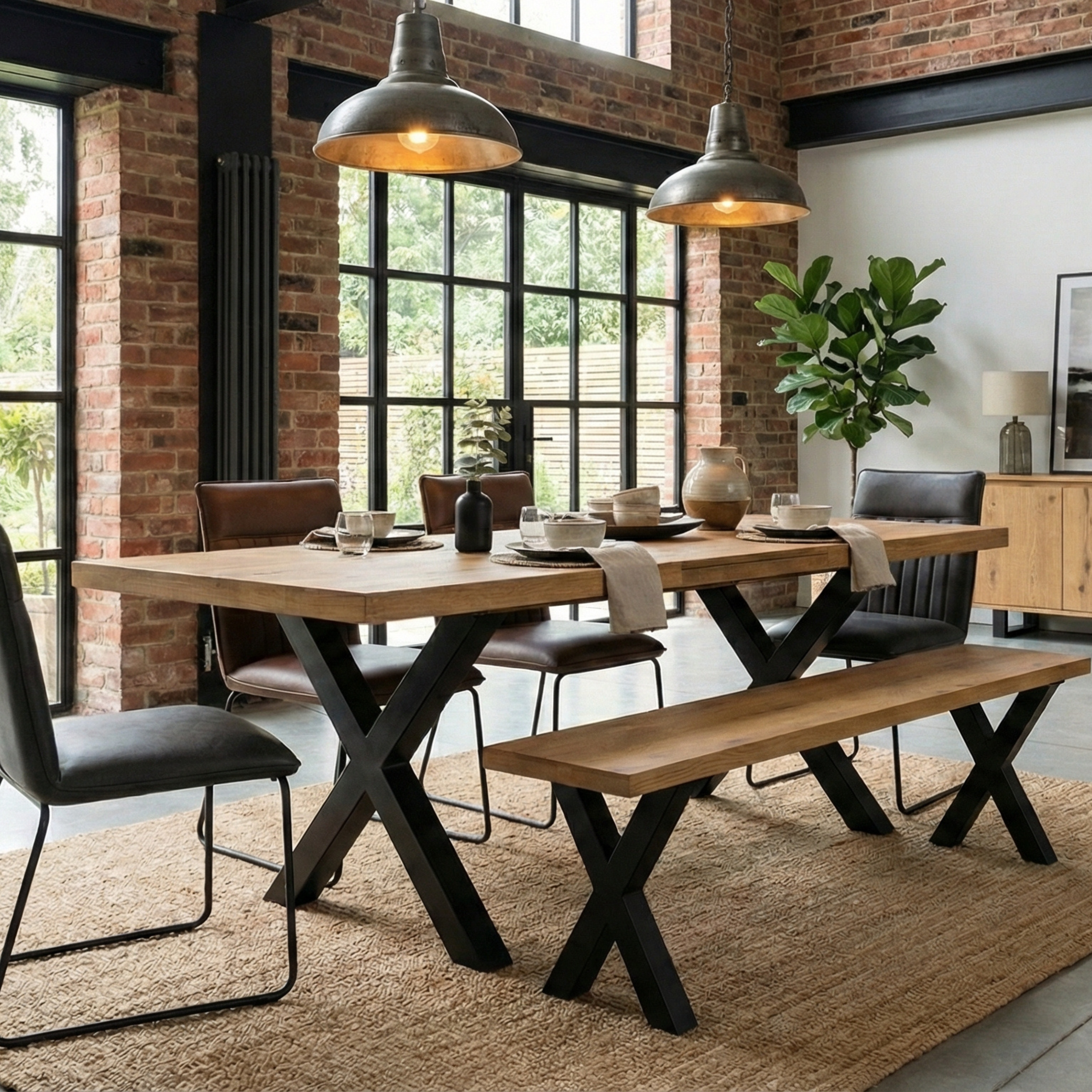
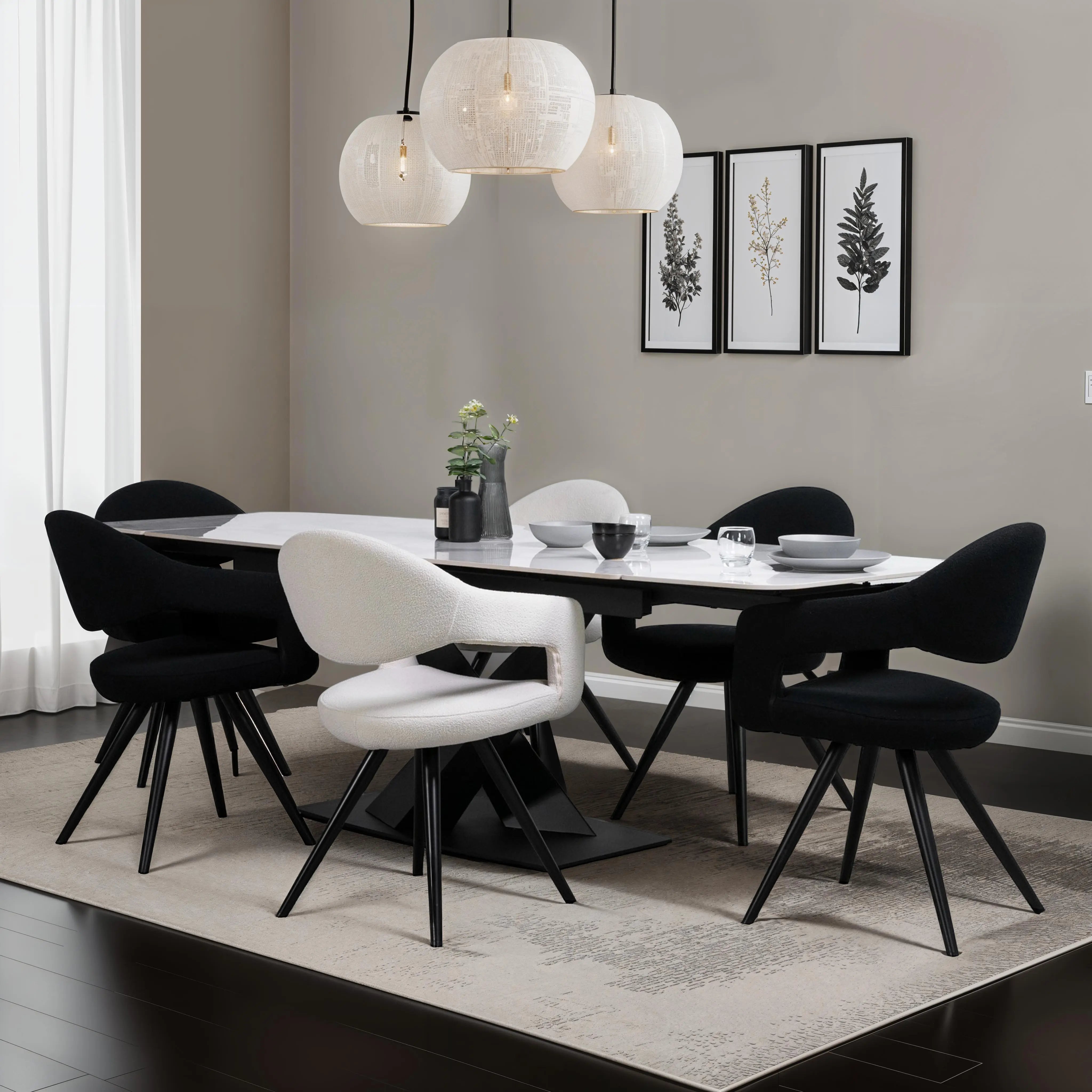
While round tables excel at intimacy, rectangular designs are the undeniable champions of grand-scale hosting. If your dining room is long and narrow, a rectangular table naturally mimics the room's architecture, creating a highly satisfying visual symmetry.
Unbeatable Capacity
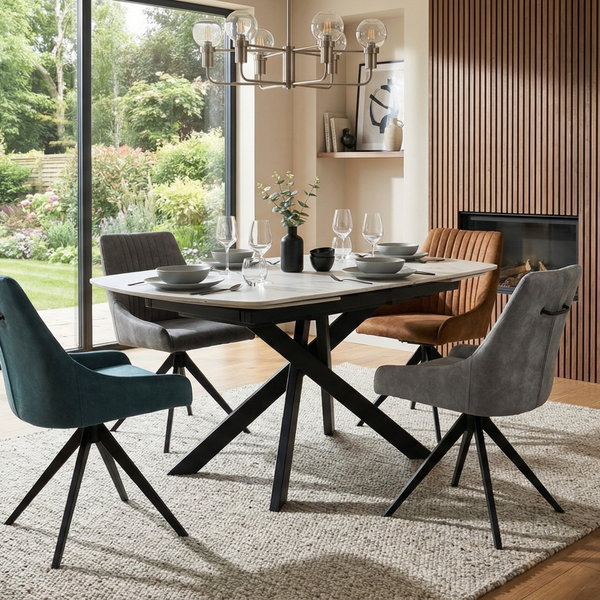
When it comes to hosting dinner parties, the seating capacity for rectangular dining tables is unmatched. They are the traditional, go-to rectangular tables for large families, effortlessly accommodating eight, ten, or even twelve people depending on the length.
Flexibility for Modern Living
You do not have to commit to a massive piece of furniture permanently. Investing in an extending dining table with leaves gives you the ultimate flexibility. You can keep the table relatively compact for everyday family meals, then slot in the extension leaves to create a spectacular banquet setup for Christmas dinners and special occasions.
The Middle Ground: Are Oval Tables the Perfect Compromise?
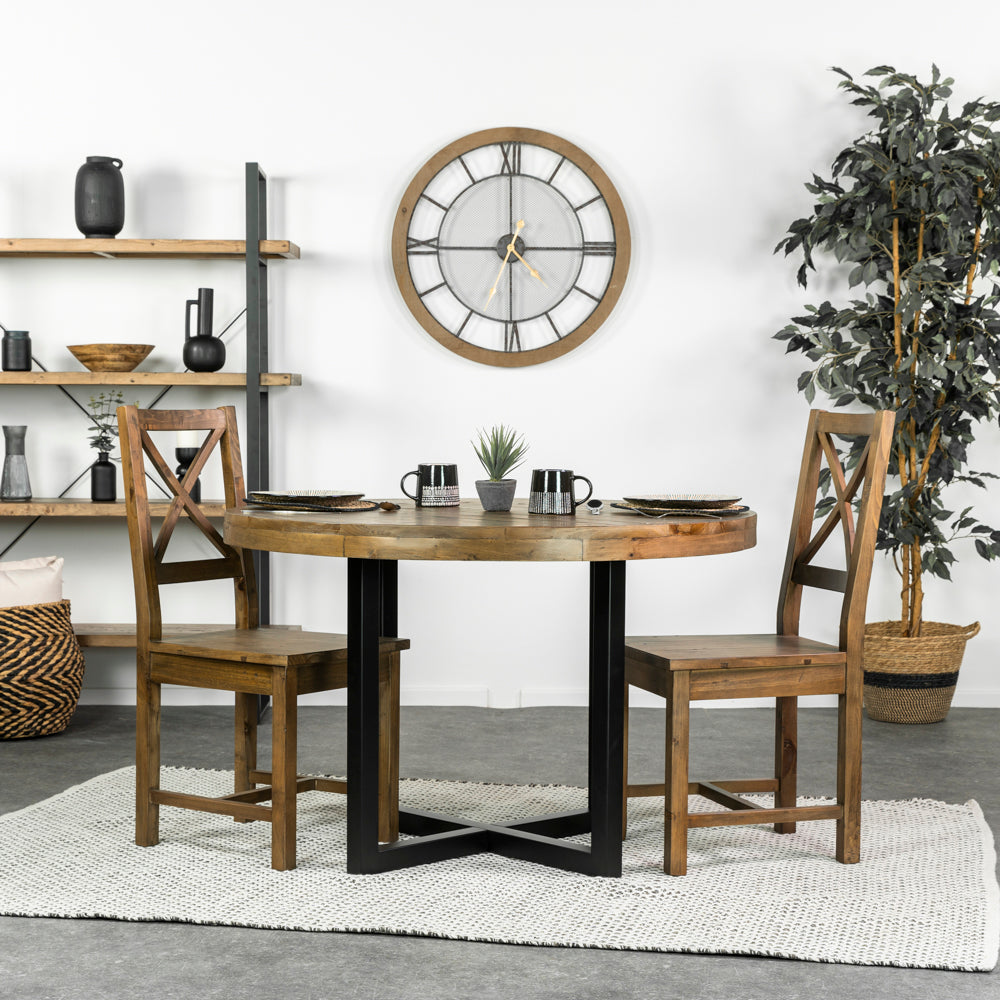
If you find yourself torn between the two primary shapes, it is well worth exploring oval dining tables. These elegant designs borrow the best attributes of both their round and rectangular cousins.
You might be wondering: is an oval table better than rectangular? The answer is often yes, particularly if your room is rectangular but a bit tight on space. An oval table provides the elongated seating capacity of a rectangle, but its curved ends soften the room and improve the flow of foot traffic. It prevents the space from feeling too boxy and allows guests to glide past the ends of the table without bumping into sharp corners.
Styling Tips for Every Table Shape
Once you have selected your ideal table, styling it properly will elevate your entire dining room. Here are some tailored centrepiece ideas for different table shapes:
-
For Round Tables: Keep it central and focused. A single, dramatic floral arrangement, a clustering of pillar candles at varying heights, or a decorative bowl works perfectly. Just ensure the arrangement isn't so tall that it blocks that wonderful conversation flow!
-
For Rectangular Tables: Think linearly. A long linen table runner topped with a series of matching candlesticks, or a trailing garland of fresh eucalyptus, complements the table's elongated proportions.
-
For Oval Tables: Combine the two approaches. Use a slightly elongated centrepiece, such as a trio of vases or an oval tray filled with seasonal fruits and foliage, to mirror the table's unique silhouette.
The Final Verdict
Ultimately, the debate between Round Dining Tables vs Rectangular Dining Tables has no single winner—only the winner that is right for your home. By taking the time to measure your clearances, evaluate the architectural shape of your room, and consider your personal hosting style, you can select a table that not only looks stunning but also functions flawlessly. Whether you opt for the intimate charm of a round pedestal table or the grand statement of a long rectangular centrepiece, your choice will set the stage for years of wonderful shared meals and memories.

Leave a comment
This site is protected by hCaptcha and the hCaptcha Privacy Policy and Terms of Service apply.