



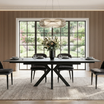
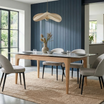

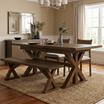


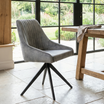
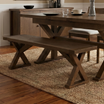
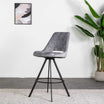







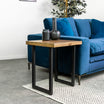
There is nothing worse than buying beautiful kitchen island seating only to discover your knees are jammed underneath. Comparing bar stools versus dining chairs requires the industry-standard "Rule of 10," leaving ten inches of clearance between the seat and tabletop. Ultimately, distinguishing between a standard 36-inch counter height and a 42-inch bar height dictates your room's social vibe, transforming basic kitchen seating ideas into an ergonomic, comfortable reality.
The 10-Inch Rule: Measuring for Height and Clearance
To prevent cramped legs, follow kitchen island seating clearance guidelines: always leave 10 to 12 inches between the seat and the surface. When learning how to measure for the correct stool height, remember to account for the "apron"—the decorative trim hanging beneath the tabletop—by measuring directly from the floor to its lowest edge so your legs actually fit.
Once you find your clearance, match that measurement to these standard categories:
-
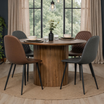
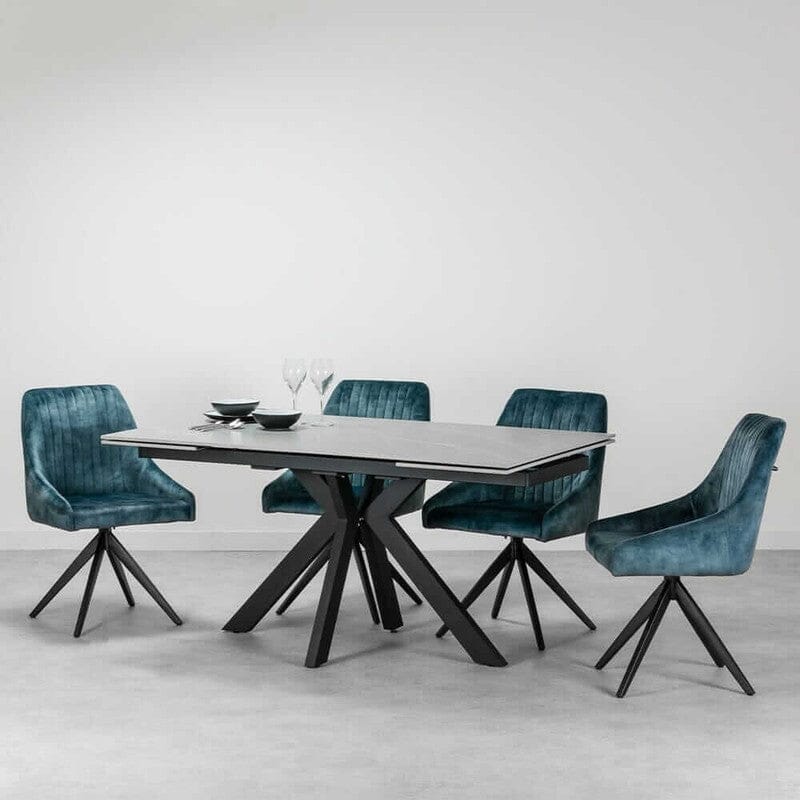
Dining: 18-inch seats for 30-inch standard tables.
-
Counter: 24 to 26-inch seats for 36-inch islands.
-
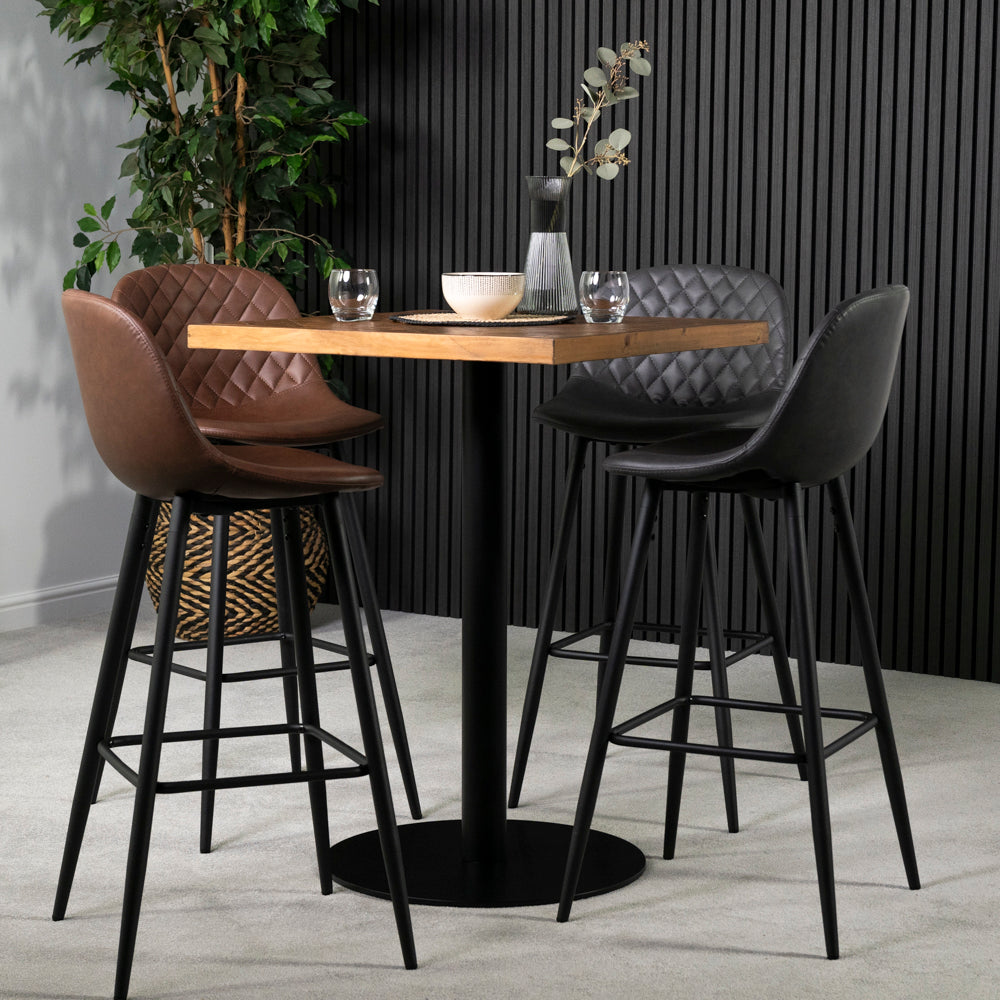
Bar: 30 to 32-inch seats for 42-inch elevated ledges.
Because taller options lift you off the floor, they absolutely require footrails. Navigating these ergonomic differences in seating height is crucial; without a footrest, dangling legs quickly strain your lower back.
Social Vibe and Space Saving: Casual Perching vs Long-Term Comfort
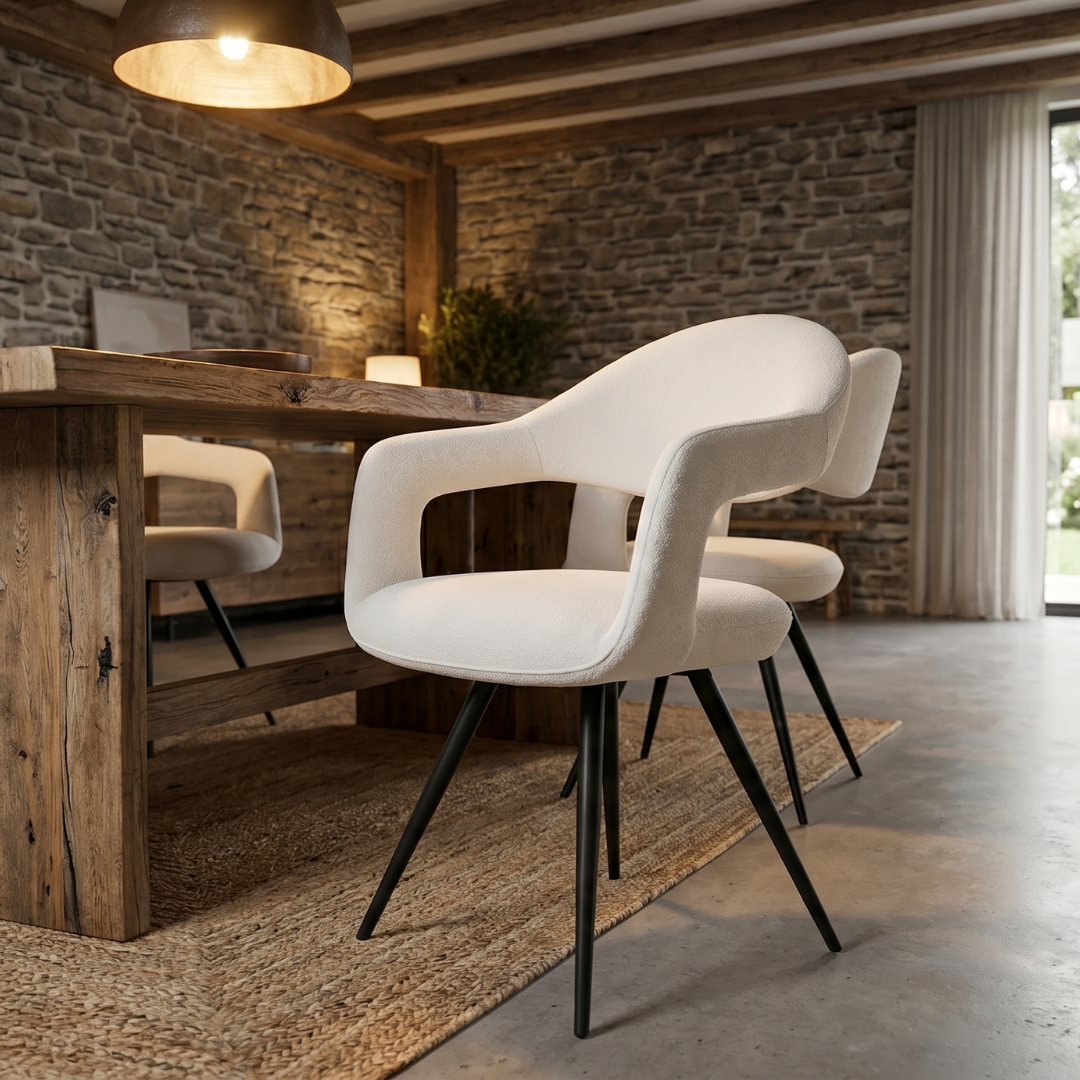
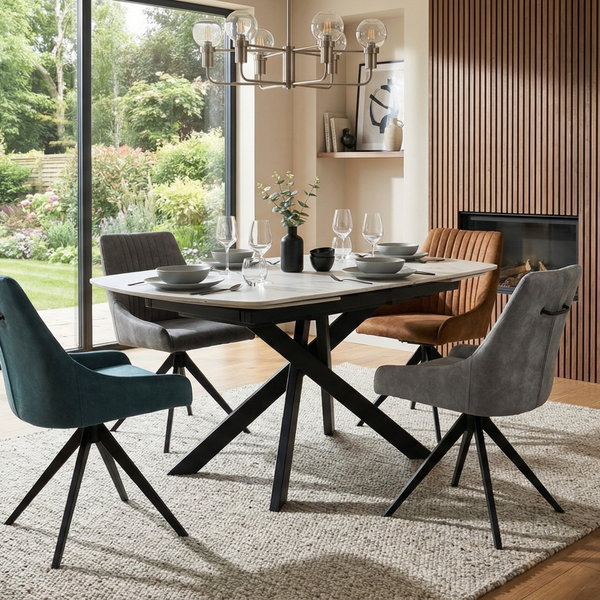
Do you envision quick morning coffees or lingering family dinners? Integrating seating into open floor plan design means matching your furniture to your habits. The longer you sit, the more support you need. Consider upholstered seating versus wooden seating durability: padded seats encourage relaxing, while wood is perfect for quick, messy meals.
Tall furniture can accidentally create visual clutter, making a room feel cramped even when empty. When evaluating the pros and cons of backless bar stools—especially as space-saving seating solutions for small flats—keep this balance in mind:
-
Pros: They tuck entirely beneath worktops to open up sightlines and clear tight walkways.
-
Cons: They lack lumbar support for extended sitting and aren't ideal for young children.
For the best of both worlds, swivel bar stools with backs let guests seamlessly pivot towards the kitchen action without dragging heavy furniture across the floor. While stationary frames offer better climbing stability for kids, swivels maximise social flow.
The 2-Hour Test: Your Final Kitchen Seating Checklist
When exploring seating options and choosing between counter stools or dining chairs for island living, use the "2-Hour Test": could you comfortably finish a project there? Avoid common mistakes when buying kitchen seating by mentally checking three things: exact height, ten-inch clearance, and duration support. Armed with these simple calculations, you can confidently communicate your needs to retailers without being upsold on beautiful pieces that won't fit your space.

Leave a comment
This site is protected by hCaptcha and the hCaptcha Privacy Policy and Terms of Service apply.