
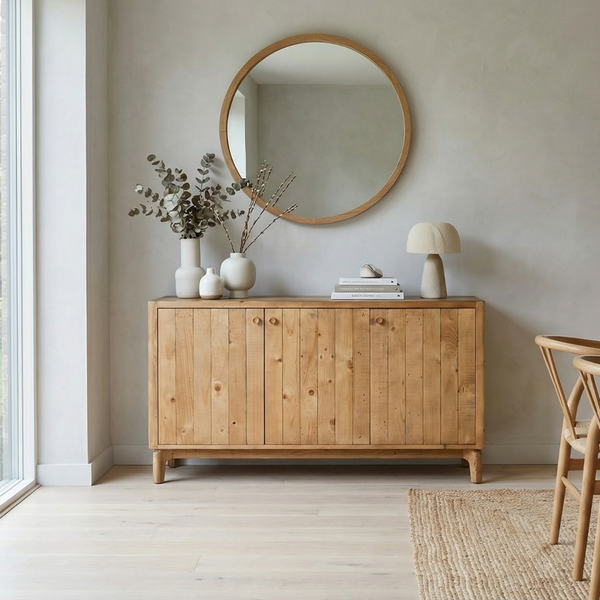



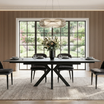







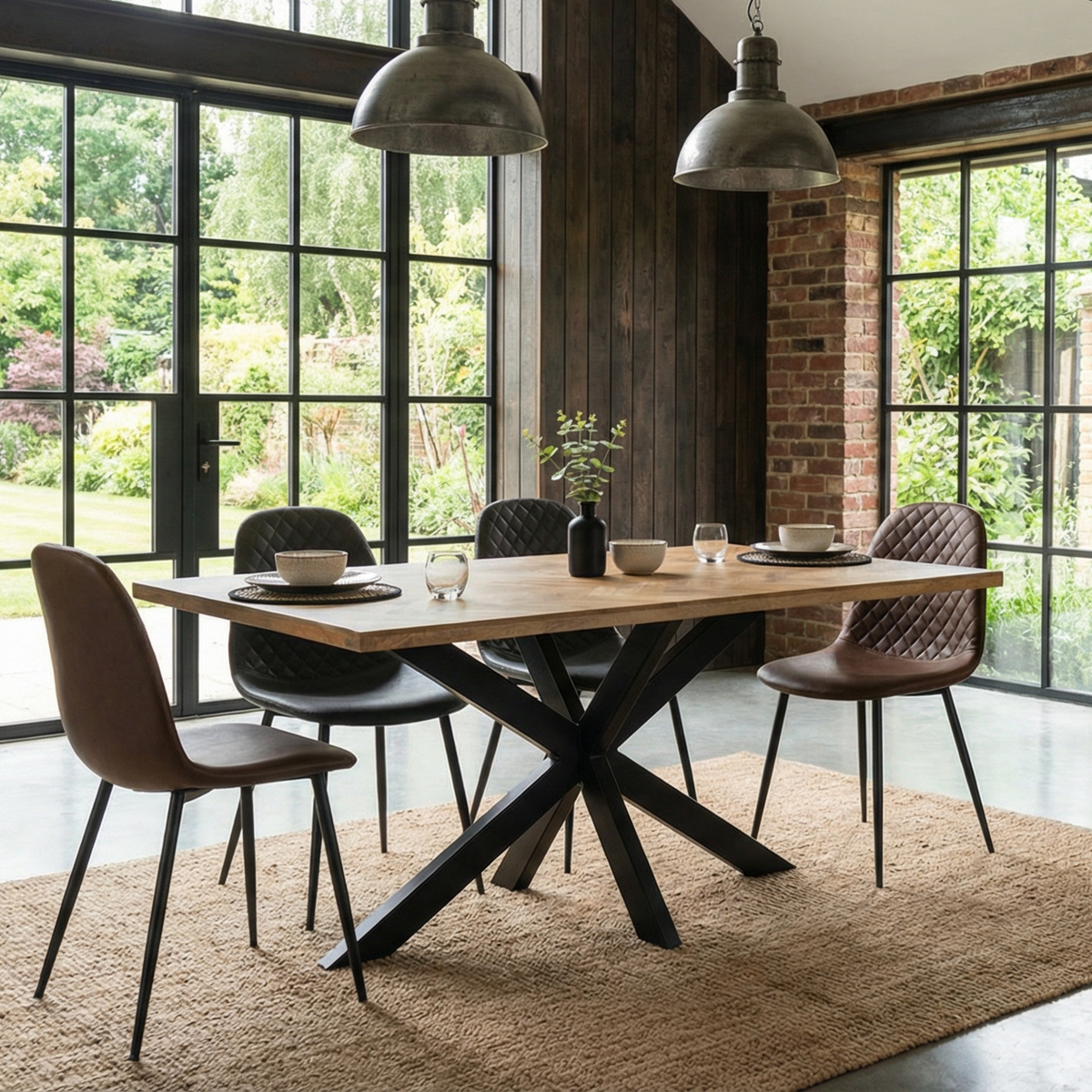
A wooden dining table is built for everyday life, but it lasts longer and looks better when the wood is cleaned, protected, and maintained with the right habits. This guide explains practical care instructions for a solid wood dining table, timber dining table, or wood kitchen table, including daily cleaning, spill response, heat protection, moisture control, and longer-term wood table maintenance.
How do you clean a wooden dining table properly?
The safest approach to cleaning wooden tables is to use gentle methods, minimal moisture, and a soft cloth. For everyday mess, wipe the surface with a dry or slightly damp microfiber cloth, then dry it immediately with a clean towel. Wood does not need aggressive scrubbing for routine care; in fact, harsh cleaners and soaking water can damage the finish or raise the grain.
For sticky spots, mix a small amount of mild dish soap with warm water. Dip a cloth into the solution, wring it out well, and wipe only the affected area. Follow with a cloth dampened with plain water, then dry the table completely. This simple method answers most “how to clean” questions without exposing the surface to unnecessary chemicals.
Avoid abrasive pads, bleach, ammonia-based cleaners, and strong solvents unless the manufacturer’s care instructions specifically allow them. These products can dull the finish, strip protective coatings, or leave uneven patches. If your table has a specialty finish, always follow the maker’s guidance before using any new cleaner.
Daily habits that keep wood looking its best
Consistent care is more effective than occasional deep cleaning. A wooden dining table handles family meals, homework, laptops, serving dishes, and celebrations, so small protective habits make a noticeable difference over time. The goal is to reduce friction, heat, moisture, and direct exposure that can slowly wear down the finish.
Use this simple daily checklist:
-
Wipe crumbs and dust with a soft, dry cloth rather than dragging them across the surface.
-
Clean spills as soon as they happen, especially water, wine, sauces, oils, and acidic foods.
-
Use placemats, coasters, and trivets during meals.
-
Lift objects instead of sliding bowls, vases, trays, or decorative pieces.
-
Keep sharp items, craft tools, and rough ceramics from contacting the bare surface.
-
Dry the table after cleaning instead of leaving it to air-dry.
Dusting matters more than many people realize. Fine grit can act like sandpaper when objects move across the table. A quick wipe before meals or at the end of the day helps preserve the finish and reduces the need for heavier cleaning later.
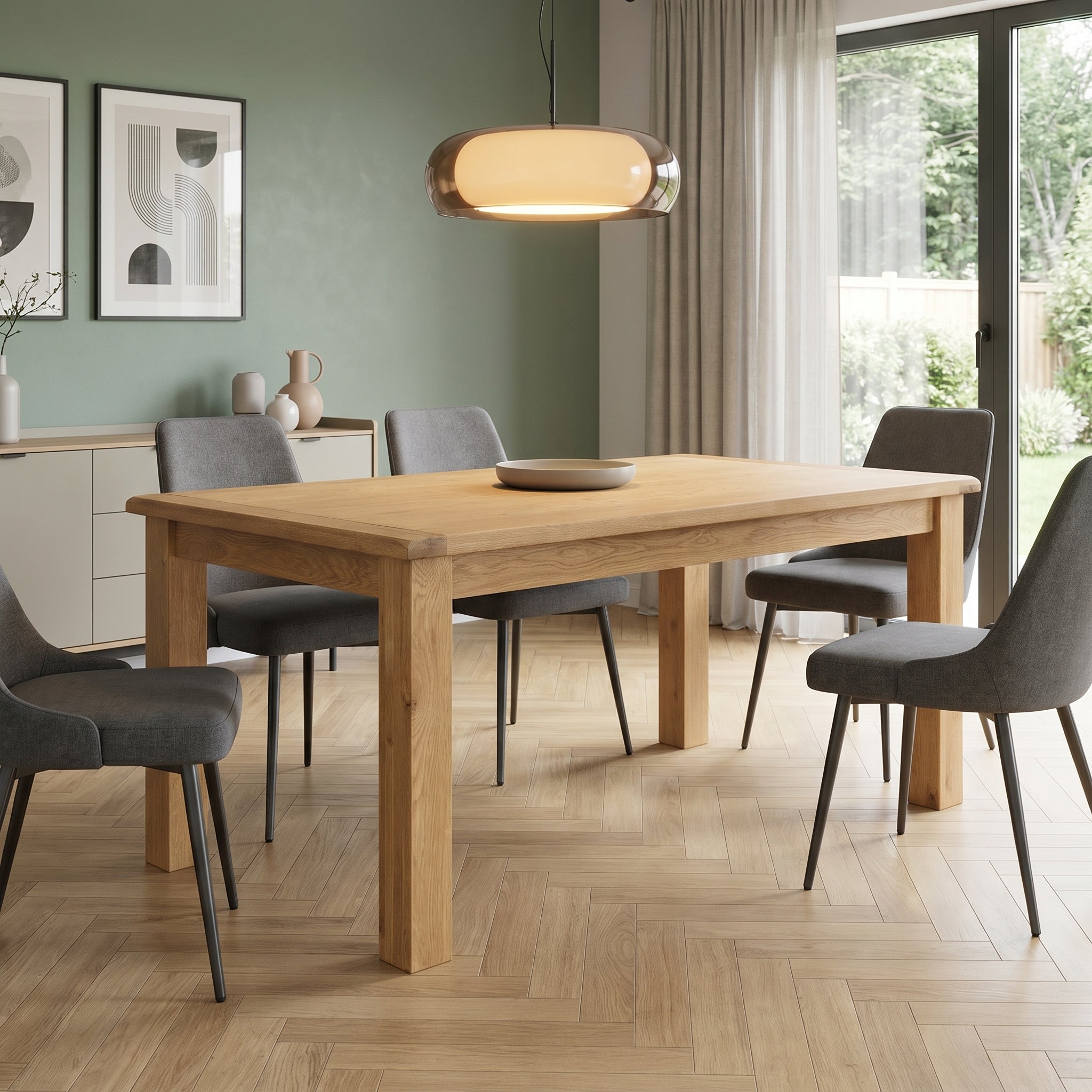
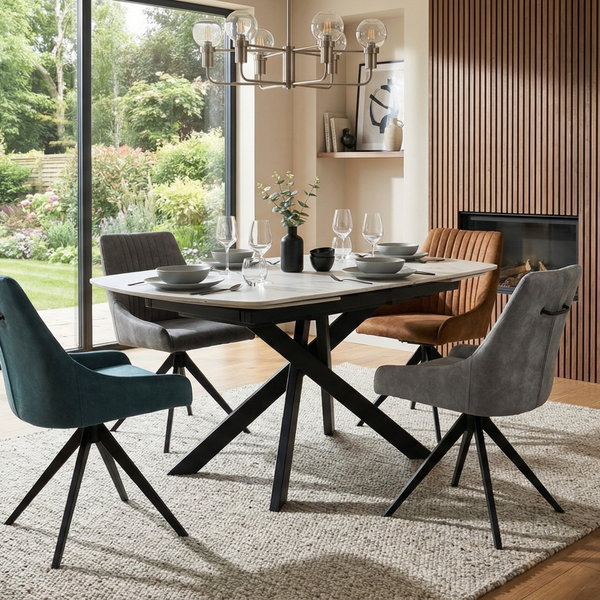
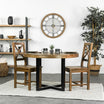
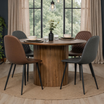
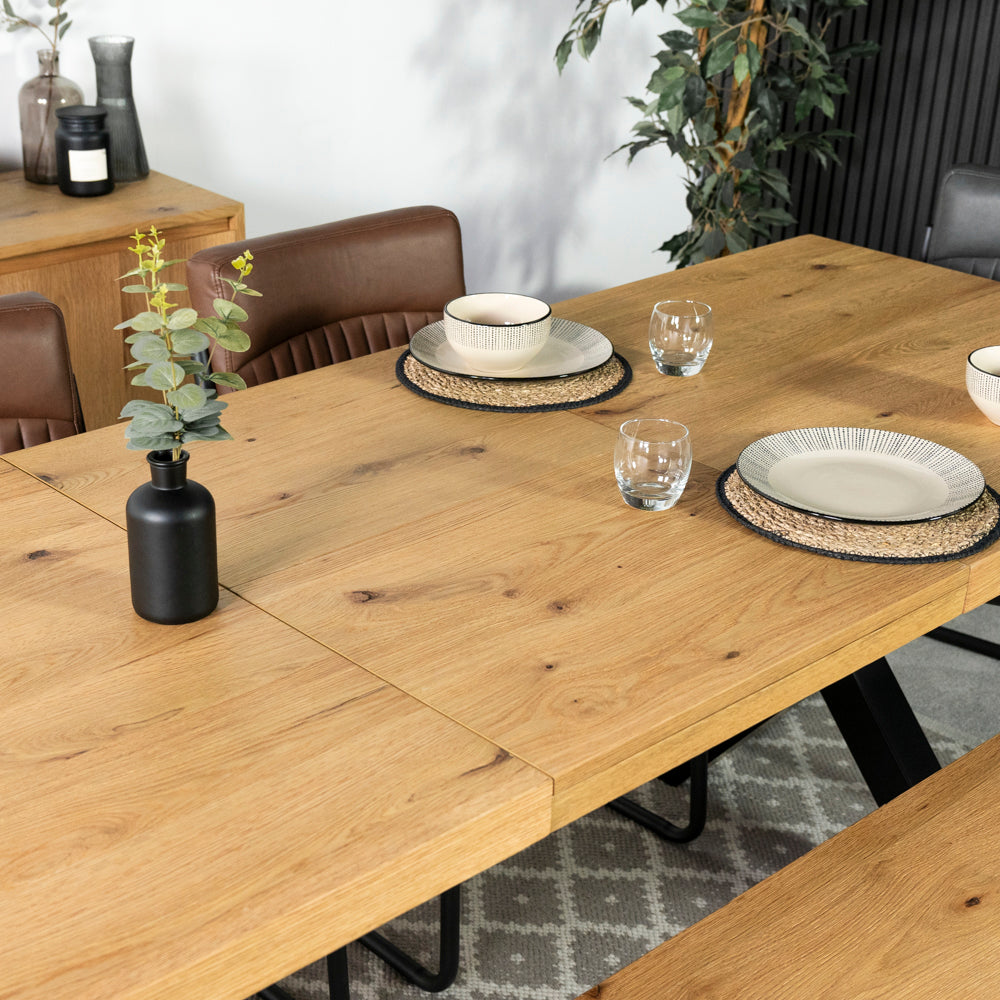
Cheltenham Oak Fixed Top Dining Table 1500mm
Protecting wood from heat damage
Heat can mark, discolor, soften, or cloud a wood surface treatment, especially when hot cookware or serving dishes are placed directly on the table. Even a durable solid wood dining table should be protected from direct heat because the finish is often more vulnerable than the wood itself. Once heat marks appear, they can be difficult to correct without refinishing or professional repair.
Use trivets, heat pads, or thick mats under hot dishes, pans, coffee pots, teapots, and slow cooker inserts. Avoid placing pizza boxes, baking trays, or freshly filled mugs directly on the surface, because heat can transfer through packaging or ceramic. If you serve family-style meals, set up a heat-safe serving area with protective layers before food reaches the table.
Sunlight is another form of heat and exposure. Direct sun can cause fading, drying, or uneven color changes, especially if only part of the table is exposed. Rotate decorative objects and placemats from time to time so the wood ages more evenly, and consider curtains or blinds if the table sits in strong afternoon light.
Why is moisture such a problem for wood tables?
Moisture is one of the main causes of staining, swelling, warping, finish damage, and cloudy marks on a wooden dining table. Wood naturally reacts to changes in humidity and liquid exposure, so protecting it from water is essential for long-term stability. The faster you remove moisture, the less chance it has to penetrate the finish or affect the timber beneath.
Always use coasters under glasses, especially cold drinks that create condensation. Use placemats under plates when serving hot food, saucy meals, or anything likely to drip. If water rings or spills occur, blot rather than rub, then dry the area thoroughly with a soft cloth.
Be careful with tablecloths and mats that trap moisture underneath. A damp cloth left on the table can create marks even if the top looks protected. After cleaning, meals, or flower arrangements, remove coverings and check that the surface underneath is completely dry.
Indoor humidity also plays a role in wood table maintenance. Very dry air can encourage shrinking or cracking, while overly humid conditions may contribute to swelling. Keeping your dining space at a comfortable, stable humidity level helps the wood move less dramatically through seasonal changes.
General wood care techniques for long-term maintenance
Good wood care is partly about cleaning and partly about preserving the protective finish. Most dining tables have some form of seal, oil, wax, lacquer, varnish, or similar treatment. That surface layer helps protect the wood, but it still needs thoughtful maintenance.
A few maintenance tips apply to most wood tables:
-
Identify the finish before applying products. Oil, wax, lacquer, and sealed finishes respond differently to cleaners and conditioners.
-
Test new products discreetly. Try any polish, oil, or cleaner on an underside or hidden area first.
-
Use products sparingly. Too much polish or oil can leave residue, attract dust, or create a cloudy buildup.
-
Follow the grain. Wiping with the grain reduces visible streaks and feels gentler on the surface.
-
Refresh protection when needed. If the table looks dry, dull, or more absorbent than usual, it may need the appropriate wood surface treatment for its finish type.
Do not assume every timber dining table needs oiling. Some sealed tables only need cleaning and protection from heat and moisture, while certain oil-finished tables may benefit from periodic re-oiling. When in doubt, follow the original care instructions or ask the retailer or maker before applying a treatment.
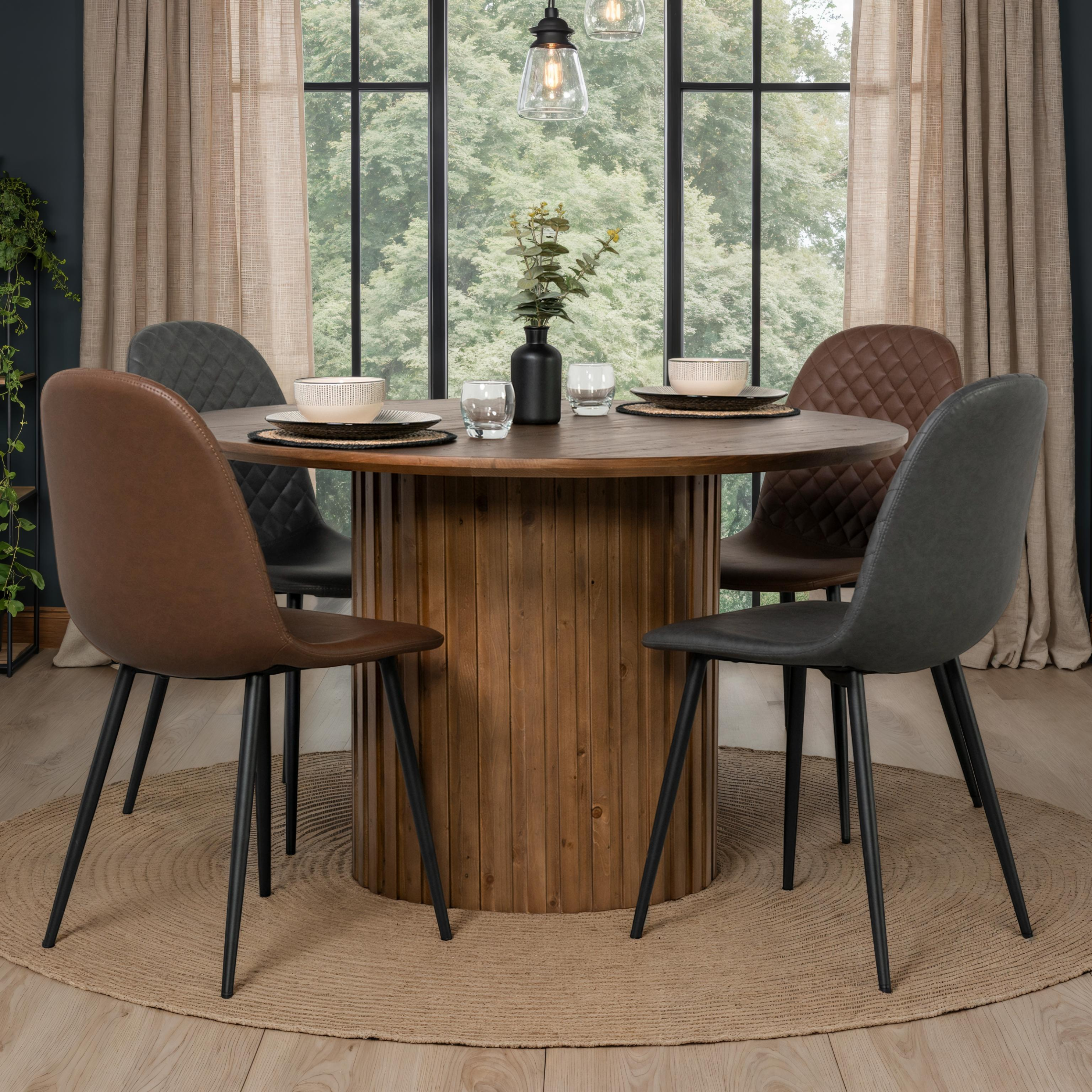
Dakota Round Dining Table
Preventing scratches, dents, and everyday wear
A wood kitchen table often works harder than a formal dining table. It may double as a desk, prep surface, games table, or drop zone for keys and bags. That level of use is fine, but the surface needs barriers between the wood and abrasive or heavy items.
Use felt pads under bowls, lamps, trays, and decorative objects. Place protective mats under laptops or children’s activities, especially when pens, glue, scissors, or craft materials are involved. Avoid writing directly on paper placed on the table, since pen pressure can emboss the wood or finish.
For dining chairs, make sure arms, buckles, buttons, and hardware are not repeatedly striking the table edge. Edges and corners often show wear first because they receive more impact. Gentle habits around these high-contact areas help the table age more gracefully.
What should you do when damage happens?
When damage appears, start with the least aggressive solution and avoid rushing into sanding or harsh treatments. Minor smudges, fingerprints, or fresh spills often respond to gentle cleaning and drying. Deeper scratches, white heat marks, dark water stains, lifting finish, or cracks may need advice from a furniture professional or the table manufacturer.
If a spill has soaked in, blot the area and allow it to dry naturally before deciding what to do next. Do not apply heat from a hair dryer, as concentrated heat can worsen the mark or affect the finish. For scratches, avoid coloring products unless they are designed for your finish and tested first in a hidden spot.
Refinishing can restore some tables, but it is not always a simple DIY task. Veneered surfaces, specialty finishes, and stained timber can be easy to damage if sanded incorrectly. If the table has financial or sentimental value, professional assessment is usually safer than experimenting.
A simple care routine to follow
A practical routine keeps maintenance manageable and prevents small issues from becoming permanent. You do not need complicated steps; you need consistency and the right protective habits.
-
After each meal: Wipe crumbs, clean spills, and dry the surface.
-
Daily or as needed: Dust with a soft cloth and remove objects that could trap moisture.
-
Weekly: Clean with a lightly damp cloth and mild soap only where needed, then dry well.
-
Monthly: Check for dull areas, scratches, loose felt pads, or signs of moisture exposure.
-
Seasonally: Review humidity, sunlight exposure, and whether the table needs finish-specific maintenance.
A wooden dining table is meant to be used, not treated like a museum piece. With gentle cleaning, coasters, trivets, stable humidity, and the right wood surface treatment when appropriate, you can protect the table while still enjoying it every day. The best care is simple: keep it clean, keep it dry, shield it from heat, and respond quickly when spills or marks appear.


Leave a comment
This site is protected by hCaptcha and the hCaptcha Privacy Policy and Terms of Service apply.