
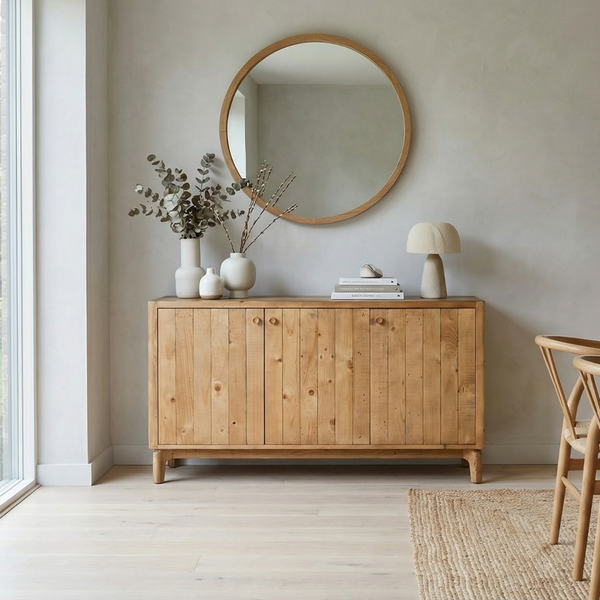



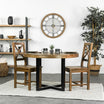
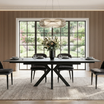






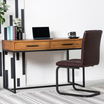

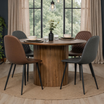
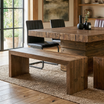

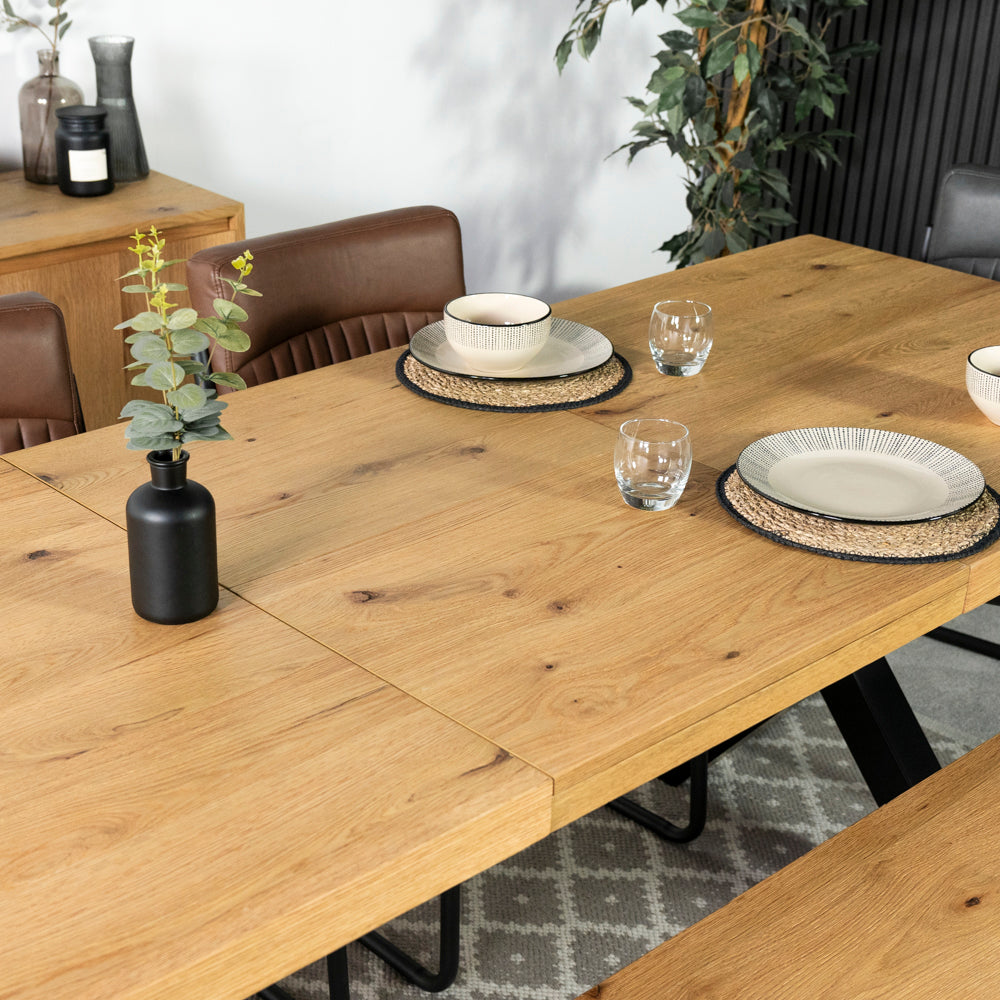
An oak dining table is built for everyday life, but it stays at its best when cleaning, protection, and occasional conditioning become simple habits. Good dining table care helps prevent stains, heat marks, dryness, and surface wear while preserving the warm grain that makes oak furniture so appealing. Use the right clothes, gentle products, and consistent care instructions, and a solid oak table can remain beautiful through family meals, busy mornings, and special gatherings.
How do you care for an oak dining table day to day?
Daily oak table maintenance is mainly about removing crumbs, spills, moisture, and grit before they damage the finish or dull the surface. Wipe the table after use with a soft, slightly damp cloth, then dry it with a clean towel so water is not left sitting on the wood. This small routine protects the finish, keeps the grain visible, and reduces the need for heavier cleaning later.
For everyday meals, use placemats, coasters, and trivets as part of your normal oak furniture care. Oak is durable, but hot dishes, wet glasses, sharp cutlery, and rough ceramics can still leave marks. If your oak kitchen table is used for homework, crafts, or work-from-home tasks, add a protective mat before using pens, laptops, glue, or anything abrasive.
Simple daily habits make the biggest difference:
-
Wipe spills immediately, especially wine, coffee, oil, sauces, and acidic foods.
-
Use a barely damp cloth rather than soaking the surface.
-
Dry the table after cleaning to avoid moisture rings or swelling.
-
Lift objects instead of dragging them across the grain.
-
Keep sharp, hot, or wet items away from direct contact with the wood.
The right way to clean oak wood
Knowing how to clean oak properly prevents two common problems: over-wetting the wood and stripping the surface finish. For routine cleaning, warm water and a soft microfiber cloth are usually enough. If the table needs more help, use a small amount of mild, wood-safe soap diluted in water, then wipe again with clean water and dry thoroughly.
Avoid harsh household cleaners, bleach, ammonia, abrasive powders, and silicone-heavy sprays unless the table maker specifically recommends them. These products can cloud the finish, leave a sticky build-up, or interfere with future oiling or refinishing. Steam cleaners are also unsuitable for most oak dining table surfaces because heat and moisture can penetrate joints, edges, and tiny scratches.
A practical cleaning routine looks like this:
-
Remove loose crumbs with a dry, soft cloth.
-
Wipe the surface with a lightly damp microfiber cloth.
-
Spot-clean sticky marks with diluted mild soap.
-
Rinse the area with a clean damp cloth.
-
Dry immediately with a soft towel.
-
Buff gently in the direction of the grain to restore a clean, natural sheen.
If your table has visible grooves, knots, or a textured grain, use a soft brush to lift crumbs from the surface. Do not scrub aggressively. Oak has character, and the aim is to clean the wood without flattening, scratching, or over-polishing its natural texture.
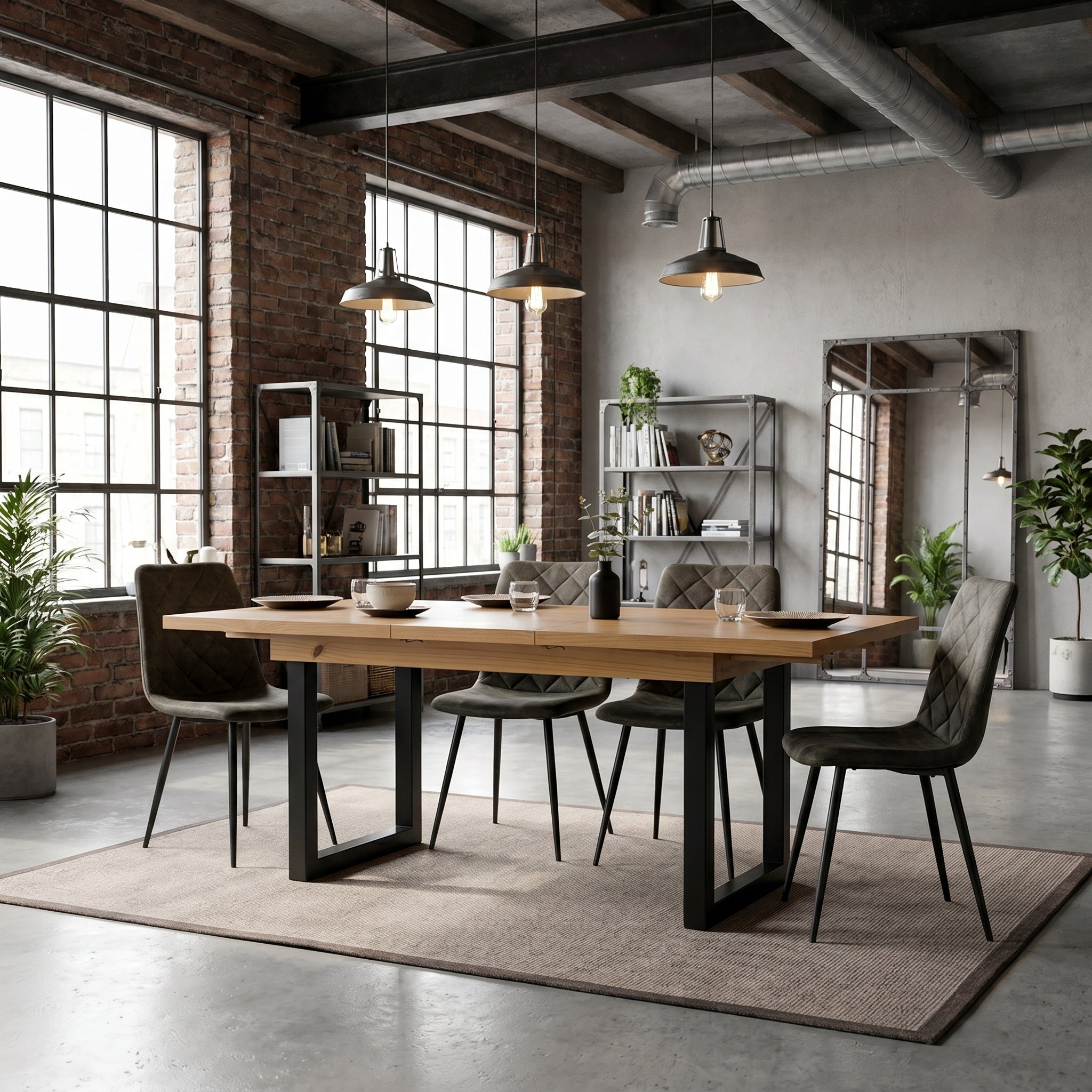
Vienna Oak Extending Dining Table
Protecting oak from heat, sunlight, and moisture
Protection is the quiet side of oak table maintenance: most damage happens slowly or during ordinary use. Direct sunlight can fade or unevenly change the colour of oak, especially if one part of the table is covered and another is exposed. Rotate placemats, runners, bowls, and decorative objects so the wood ages more evenly.
Heat is another common source of marks. Always use trivets or heat-resistant pads under hot pans, serving dishes, teapots, and mugs. Even if the finish looks strong, repeated heat exposure can create pale rings, dull patches, or weakened areas in the protective coating.
Moisture control matters just as much. Do not leave wet cloths, vases, plant pots, or condensation-covered glasses directly on the table. If you use a tablecloth, remove it regularly so trapped moisture is not held against the surface. In rooms with very dry air, oak may shrink slightly; in very humid spaces, it may expand. Keeping the room environment reasonably stable helps a solid oak table move naturally without unnecessary stress.
How can you maintain the natural beauty of oak?
To maintain oak’s natural beauty, clean gently, protect the surface, and refresh the finish only in ways that suit the table’s existing treatment. Oak is valued for its grain, tone, and depth, so the best care enhances those features rather than covering them with heavy residues or aggressive products. A soft buff after cleaning, careful use of protective accessories, and occasional conditioning can help the wood look warm, clear, and well cared for.
The right approach depends on the finish. An oiled oak dining table may benefit from periodic re-oiling with a suitable furniture oil, while a lacquered or sealed table usually needs cleaning and protection rather than oil. If you are unsure, check the manufacturer’s care instructions before applying wax, oil, polish, or cleaner.
To preserve and enhance appearance:
-
Buff along the grain after cleaning to bring back a gentle sheen.
-
Keep the surface free from dust, which can act like fine sandpaper over time.
-
Use breathable runners or placemats rather than plastic covers for long periods.
-
Treat dry-looking oiled oak with an appropriate oil only when recommended.
-
Test any new product on a hidden area before using it across the tabletop.
Small imperfections can add character, but uneven shine, dull patches, or persistent dryness may mean the finish needs attention. In that case, avoid guessing. Use the original care instructions if available, or ask a furniture professional before sanding, oiling, or refinishing.
Handling spills, stains, and minor marks
Accidents happen, especially around an oak kitchen table used every day. The key is speed and restraint. Blot spills rather than rubbing them, because rubbing can push liquid deeper into the grain or spread the stain across a larger area.
For greasy marks, use a mild soap solution and dry the area well. For water rings, gently wipe and buff the surface first; if the mark remains, it may be within the finish rather than simply on top of it. Avoid internet “hacks” involving strong chemicals, excessive heat, or abrasive scrubbing, as these can make a small mark much worse.
For scratches, the safest first step is to clean the area and assess whether the mark is in the finish or the wood itself. Light surface scuffs may become less noticeable with gentle buffing or the correct maintenance product. Deeper scratches, dents, or dark stains may require professional repair, especially on a high-value solid oak table.
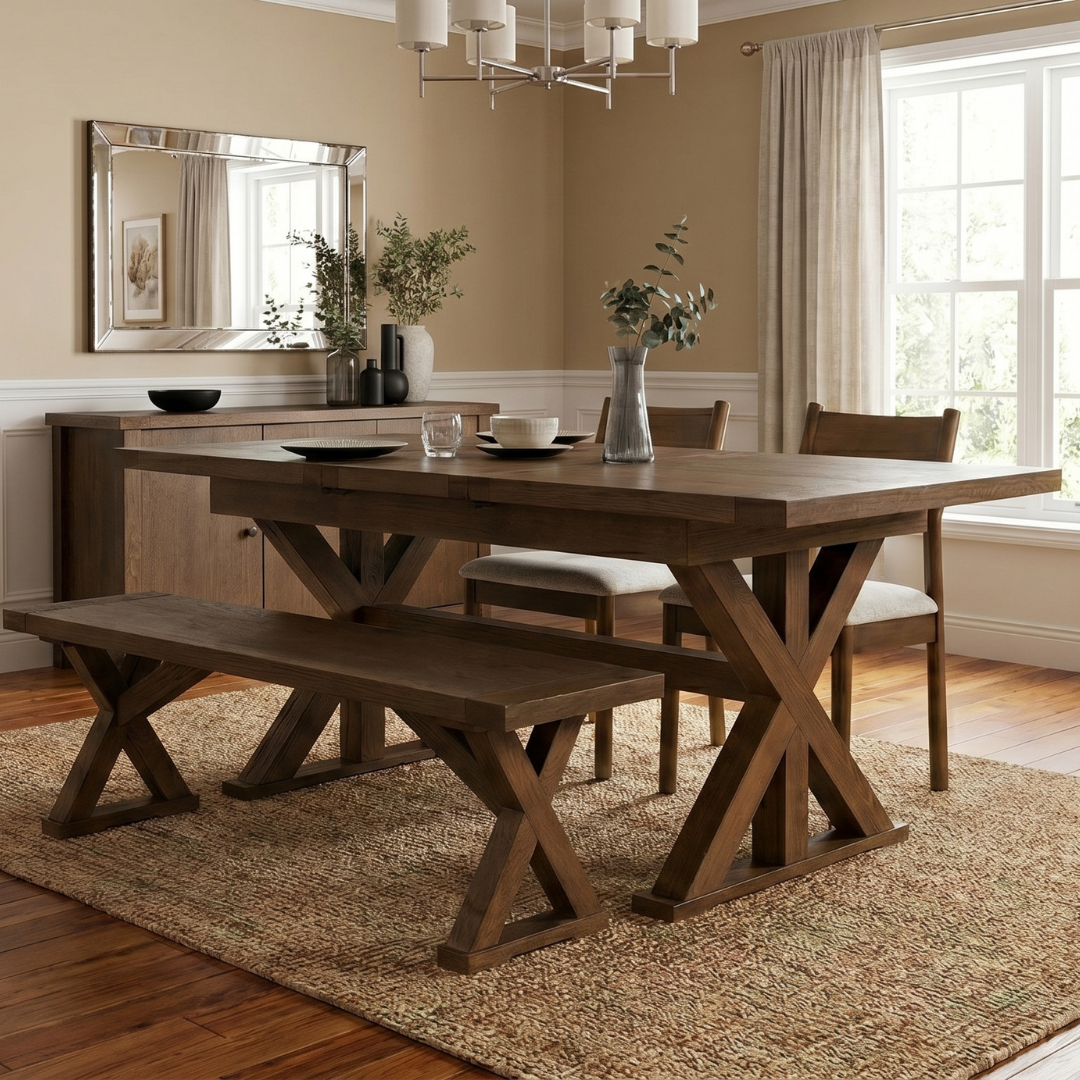
Quebec Oak Extending Dining Table
Seasonal oak furniture care
Oak responds to its environment, so seasonal maintenance tips are useful even when the table looks fine. In winter, indoor heating can dry the air and make wood more prone to small movements. In summer, humidity and sunlight can affect colour, joints, and surface feel.
A simple seasonal checklist keeps care manageable:
-
Inspect the tabletop for dryness, dull patches, or new marks.
-
Check that protective pads under accessories are clean and soft.
-
Move decorative items to prevent uneven fading.
-
Tighten table fittings only if they are designed to be adjusted.
-
Review the finish type before applying any oil, wax, or polish.
This is also a good time to clean chair contact points, table edges, and extension leaves if your table has them. Extension sections can age differently if they are stored away most of the year, so bring them out occasionally to air, clean, and check their condition.
Long-term habits that keep oak tables looking good
The best care instructions are the ones you can follow consistently. Keep coasters nearby, store a soft cloth within reach, and make wiping the table part of clearing away after meals. These habits reduce wear without turning oak furniture care into a complicated routine.
Choose protection that fits how you live. A formal dining room may only need placemats and occasional dusting, while a busy family table may need daily wiping, craft mats, and stricter rules around hot dishes. Neither approach is better; the right one is the one that protects the oak while letting the table be used and enjoyed.
With gentle cleaning, sensible protection, and finish-appropriate maintenance, an oak wood dining table can keep its natural warmth and character for years of meals and memories. Treat the surface with respect, respond quickly to spills, and let the grain remain the feature rather than hiding it under heavy products or avoidable damage.

Leave a comment
This site is protected by hCaptcha and the hCaptcha Privacy Policy and Terms of Service apply.