




















































Dining chairs work harder than almost any other piece in the home: they handle meals, spills, shifting weight, crumbs, pets, guests, and daily movement across the floor. A thoughtful care routine helps dining chairs stay comfortable, clean, and attractive for longer, whether you have upholstered dining chairs, wood frames, metal frames, or mixed-material kitchen chairs. This guide explains practical dining chair cleaning, everyday protection, and material-specific care instructions you can use without overcomplicating your routine.
What is the best way to care for dining chairs?
The best way to care for dining chairs is to clean them regularly, respond to spills quickly, and use the right method for each material. Upholstery, wood, and metal all react differently to moisture, heat, abrasion, and cleaning products, so a one-size-fits-all approach can cause avoidable wear. Good furniture care tips are simple: prevent damage first, clean gently, and check fasteners, glides, and frames before small issues become bigger ones.
A complete routine should include light weekly cleaning, deeper seasonal maintenance, and immediate spot care after spills. Dining room chairs often sit close to food, sunlight, heating vents, and busy walkways, so prevention matters as much as cleaning. The goal is not to make chairs look untouched; it is to help them age evenly and remain safe, sturdy, and inviting.
Everyday maintenance tips that make the biggest difference
Small habits protect dining chairs more effectively than occasional heavy cleaning. Dust, crumbs, body oils, and grit can slowly dull finishes, wear fabric, and scratch frames. A few minutes of routine care keeps buildup from becoming a bigger cleaning project.
Use these maintenance tips as a simple baseline:
-
Vacuum upholstered seats weekly using a soft brush attachment to remove crumbs, dust, and pet hair before they settle into the fibers.
-
Wipe hard surfaces with a soft, slightly damp cloth rather than soaking the chair or spraying cleaner directly onto the frame.
-
Blot spills immediately with a clean, absorbent cloth; rubbing can push liquid deeper into upholstery or spread the stain.
-
Lift chairs instead of dragging them to protect legs, joints, and flooring.
-
Use felt pads or floor glides and replace them when they become compressed, dirty, or loose.
-
Keep chairs out of harsh direct sunlight when possible to reduce fading, drying, and uneven color changes.
-
Tighten visible screws or bolts periodically if the chair design allows it, especially on frequently used kitchen chairs.
These habits are especially helpful in homes where dining chairs are used for homework, remote work, crafts, and everyday seating beyond mealtimes.
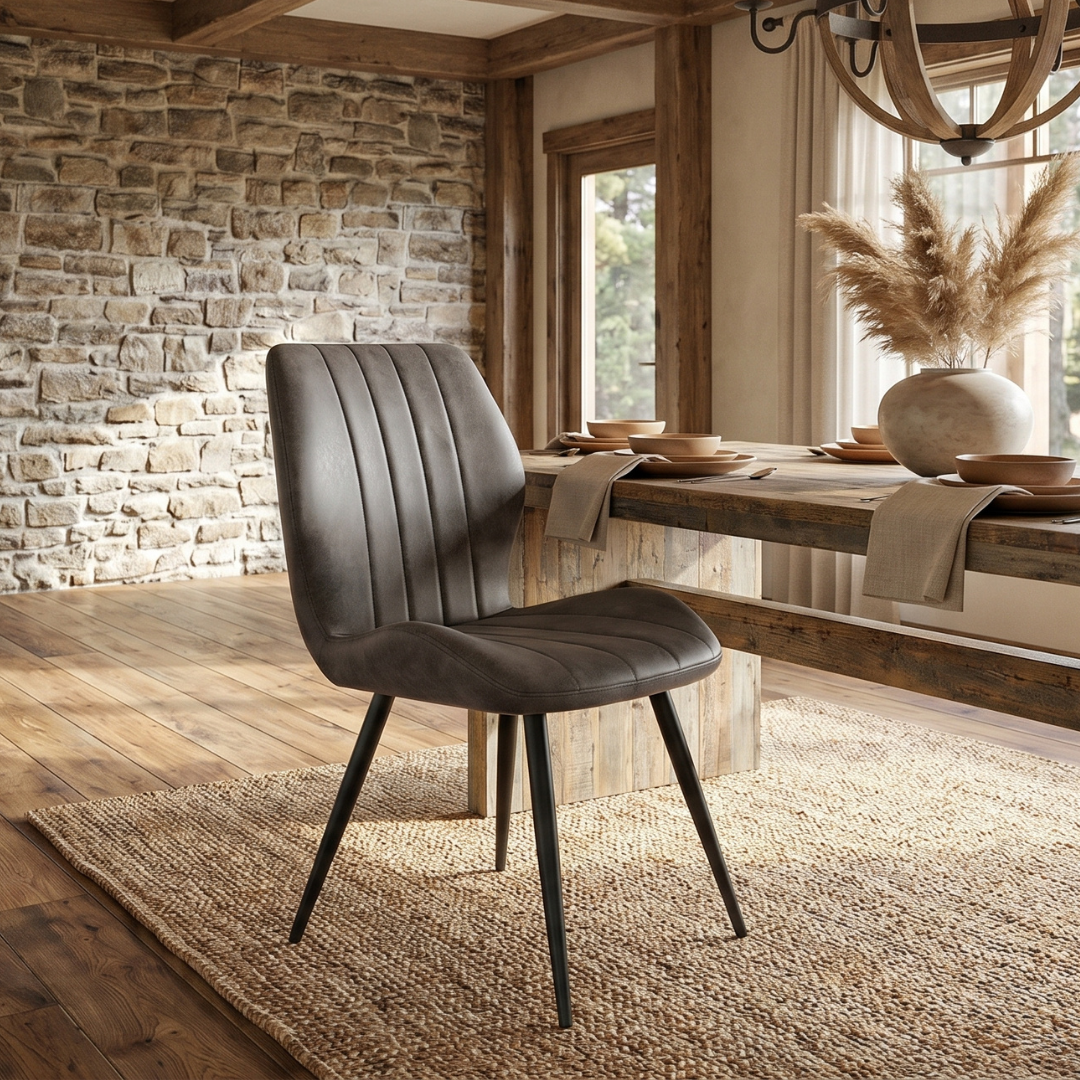
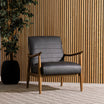
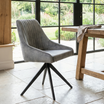
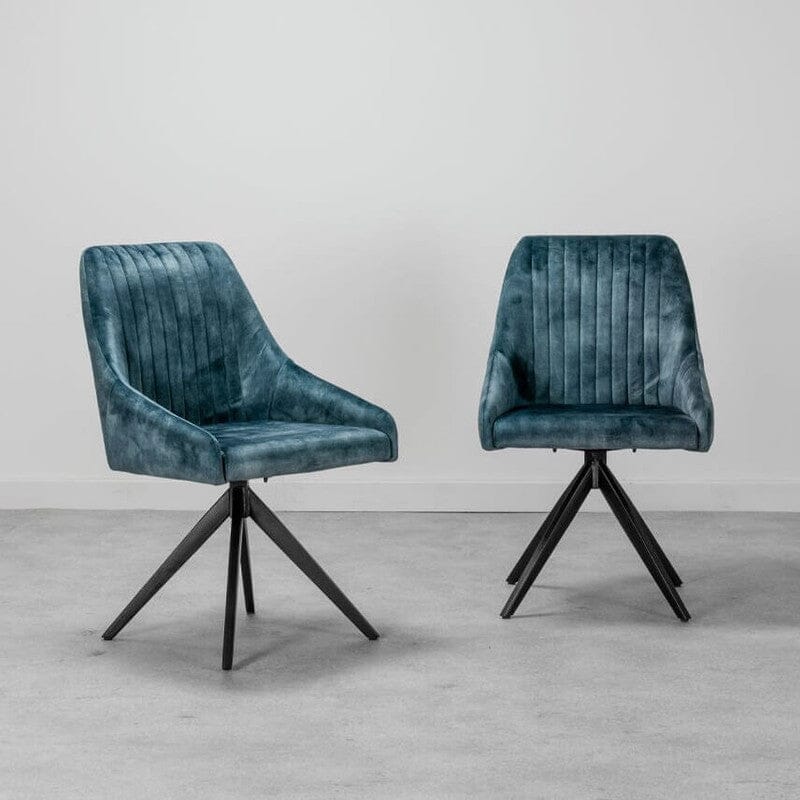
Deus Dining Chair Set Of 2
Upholstery care for fabric, leather, and performance materials
An upholstery care guide starts with one rule: check the manufacturer’s care instructions before using water, solvents, steam, or stain removers. Upholstered dining chairs vary widely, and the wrong cleaning method can leave rings, discoloration, texture changes, or residue. When in doubt, test any cleaner in a hidden area first and let it dry fully before treating a visible spot.
Fabric upholstery
For fabric seats and backs, regular vacuuming is the most important habit. Crumbs and grit act like tiny abrasives when people sit down, gradually wearing fibers. Use a soft brush attachment and work along seams, tufting, and edges where debris collects.
For spot cleaning, blot fresh spills with a dry white cloth first. If the care label allows water-based cleaning, use a small amount of mild soap mixed with water and apply it with a cloth rather than pouring liquid onto the chair. Blot with clean water to remove soap residue, then press with a dry towel and allow the upholstery to air dry completely.
Leather and faux leather
Leather dining chairs benefit from gentle, consistent care. Dust them with a soft cloth, wipe light messes with a barely damp cloth, and dry the surface right away. Avoid harsh cleaners, abrasive pads, and excess water, which can affect the finish.
Conditioning may be appropriate for some genuine leather, but not all leather finishes need the same treatment. Use products made for the specific material and follow the care instructions closely. Faux leather should usually be cleaned gently and kept away from high heat, which can contribute to cracking or peeling over time.
Performance and treated upholstery
Performance fabrics are designed to resist everyday messes, but they are not maintenance-free. Spills should still be blotted quickly, and residue should be removed so it does not attract dirt. Avoid assuming that stain resistance means any cleaner is safe; coatings and fibers can react differently to alcohol, bleach, oils, or strong detergents.
How do you clean dining chair frames without damaging them?
Clean dining chair frames by matching the method to the frame material and using the least aggressive approach that works. Wood can be sensitive to moisture and harsh chemicals, while metal can show scratches, corrosion, or finish damage if treated roughly. The safest approach is usually a soft cloth, mild cleaning solution when needed, and immediate drying.
Wood frame care and protection

Brooklyn Light Cross Back Dining Chair (Set of 2)
Wood frames bring warmth and character to dining room chairs, but they need protection from water, heat, and abrasive cleaning. Dust regularly with a soft cloth to keep particles from scratching the finish. For sticky spots, use a lightly damp cloth, then dry the area immediately with a clean towel.
Avoid soaking wood legs, arms, stretchers, or seat frames. Water can seep into joints, raise the grain, or affect the finish. Do not place chairs where they are repeatedly exposed to steam from a kitchen appliance, strong sunlight, or extreme humidity changes if you can avoid it.
To protect wood dining chairs:
-
Use placemats or seat cushions if chairs are often exposed to children’s meals, crafts, or spills.
-
Wipe food and drink marks promptly, especially sugary, acidic, or oily spills.
-
Avoid all-purpose cleaners unless the product is safe for finished wood.
-
Check joints for wobbling and address movement early.
-
Use appropriate furniture polish only if recommended for the finish, and avoid waxy buildup.
Wood naturally develops signs of use, but consistent care helps those signs look like character rather than neglect.
Metal frame care for strength and shine
Metal dining chairs and metal-framed kitchen chairs are often chosen for durability, but their finishes still need care. Powder-coated, painted, brushed, polished, or plated metal surfaces can all be damaged by abrasive scrubbers. Use a soft cloth for dusting and a mild soap solution for greasy fingerprints or food marks.
After cleaning metal, dry it thoroughly. Moisture left around seams, screw heads, welds, or floor glides can encourage corrosion on vulnerable areas. If the chair has a painted or powder-coated finish, watch for chips; exposed metal may need prompt attention according to the manufacturer’s care instructions.
For mixed-material chairs, clean each part separately. For example, do not let upholstery cleaner drip onto a metal frame, and do not use metal polish near fabric without protecting the seat. This careful approach keeps one cleaning task from creating another problem.
Seasonal dining chair cleaning checklist
A deeper check every few months helps keep dining chairs ready for daily use and special gatherings. This is a good time to look beyond surface cleaning and inspect comfort, stability, and wear.
-
Vacuum upholstery thoroughly, including seams, welt cords, crevices, and the underside if accessible.
-
Spot clean stains carefully using the correct method for the upholstery type.
-
Wipe wood or metal frames from top to bottom, paying attention to hand-contact areas and lower legs.
-
Dry every cleaned surface so moisture does not sit in joints, corners, or textured finishes.
-
Inspect screws, bolts, and joints for looseness or movement.
-
Check floor protectors and replace any that are missing, dirty, uneven, or worn through.
-
Rotate chair positions if some seats get heavier daily use than others.
-
Look for fading, pilling, cracking, rust, or finish wear and adjust your care routine if needed.
This checklist is especially useful before holidays, dinner parties, or seasonal room refreshes.

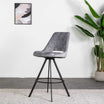
Lindsay Velvet Dining Chair Set Of 2
Common cleaning mistakes to avoid
Many chair care problems come from using too much force, too much liquid, or the wrong product. Steam, bleach, strong solvents, abrasive powders, and stiff brushes can create permanent changes on some upholstery and finishes. Even natural cleaners can be too acidic or oily for certain materials.
Avoid rubbing stains aggressively, because friction can distort fabric texture and spread the mark. Do not saturate cushions or padded seats, as trapped moisture can lead to odors or interior damage. Never assume that dining chairs and outdoor chairs need the same care, even if they look similar.
How can you protect dining chairs in a busy household?
You can protect dining chairs in a busy household by reducing preventable mess, setting easy habits, and choosing care products that fit the materials you own. The more often chairs are used, the more important it becomes to make maintenance convenient. Keep a soft cloth nearby, clean spills immediately, and use cushions, placemats, or washable covers when the situation calls for extra protection.
If children, pets, or frequent guests use the dining area, choose routines that people will actually follow. Quick blotting, weekly vacuuming, and lifting chairs instead of dragging them are realistic habits with visible benefits. Over time, these simple care instructions help upholstered dining chairs, wood frames, and metal frames stay cleaner, sturdier, and better prepared for everyday life.



Leave a comment
This site is protected by hCaptcha and the hCaptcha Privacy Policy and Terms of Service apply.