





























A beautiful table deserves a simple routine
A ceramic dining table has a lovely way of making everyday moments feel considered. Morning coffee looks sharper, midweek pasta feels a little more polished, and a Sunday roast has a calm, contemporary stage to gather around. It is one of those pieces that balances design and practicality beautifully: sleek to look at, reassuringly durable, and made for real homes where life is served generously.
Even so, like any cherished piece of furniture, a ceramic top table benefits from the right care. Ceramic surfaces are typically resistant to stains, heat and scratches, but they are not invincible. The area that needs the most thought is often not the broad flat surface, but the edges and corners. These can be more vulnerable to knocks, especially in busy family dining spaces, open-plan kitchens, and rooms where chairs, benches or serving dishes are moved around often.
The good news? Dining table care does not need to be complicated. With a few simple habits, the right cleaning products, and a little care around the edges, your ceramic table top can stay looking handsome for years.
Why ceramic dining tables are so popular
Ceramic has become a favourite in modern dining furniture because it offers a refined look without feeling too precious. Many designs capture the elegance of natural stone, marble or concrete, while offering a surface that is easier to live with day to day.
A ceramic dining table is often chosen for its:
-
Design versatility: from soft marble-inspired veining to bold, architectural finishes.
-
Everyday practicality: a surface that generally stands up well to family meals, drinks and entertaining.
-
Low-maintenance appeal: easy cleaning with a gentle daily routine.
-
Contemporary feel: slim profiles, statement bases and tactile finishes that suit modern British homes.
You may also see similar surfaces described as a sintered stone table. Sintered stone is created using heat and pressure to form a hard, compact surface, often used for premium furniture and kitchen worktops. It shares many qualities with ceramic, including a durable feel and a sophisticated finish. However, always follow the specific care instructions supplied with your table, as finishes and construction can vary between ranges.
The golden rule: gentle, regular care wins
The best maintenance tips are often the simplest. Rather than waiting until marks build up, give your table a light clean after meals and a little extra attention after entertaining.
For everyday cleaning, you will usually only need:
-
A soft microfibre cloth
-
Warm water
-
A small amount of mild washing-up liquid, if needed
-
A dry cloth for finishing
Avoid the temptation to over-clean with harsh chemicals. Ceramic is tough, but aggressive products can dull finishes, leave residue or affect protective coatings on some surfaces. A gentle approach keeps the table looking fresh without putting unnecessary stress on the material.
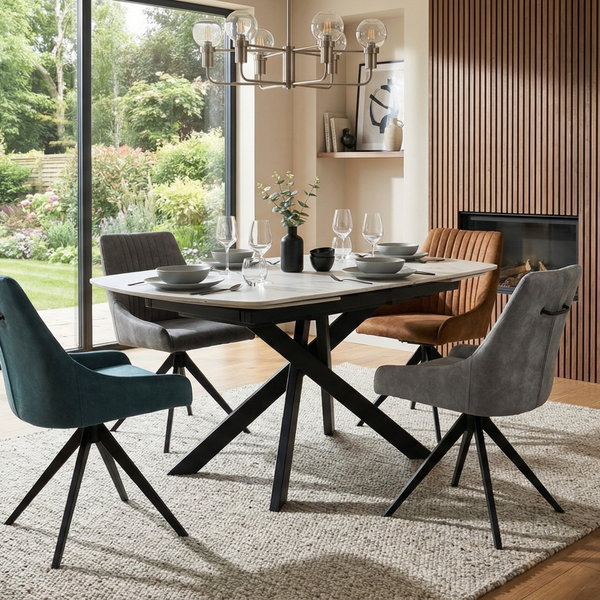
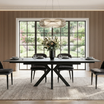
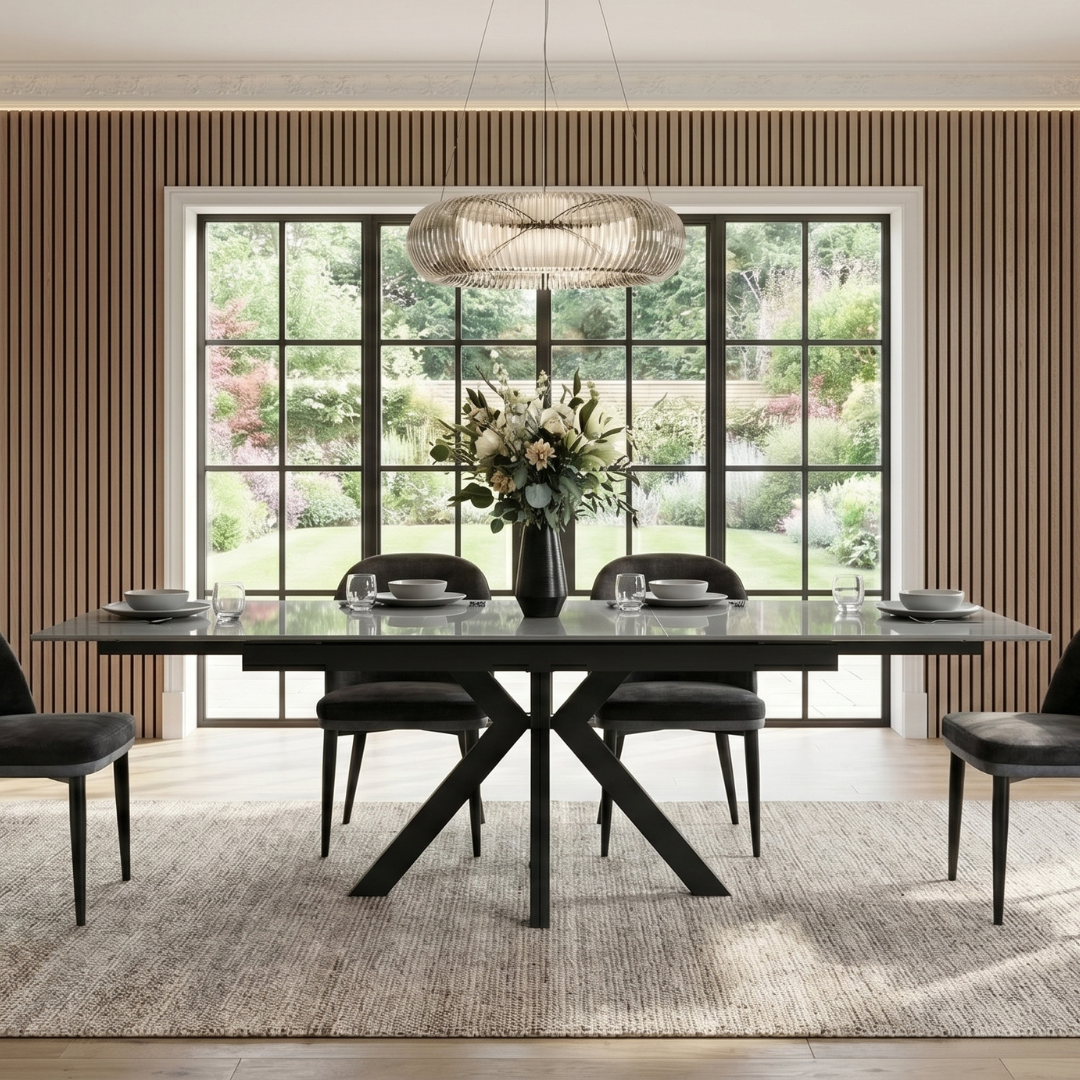
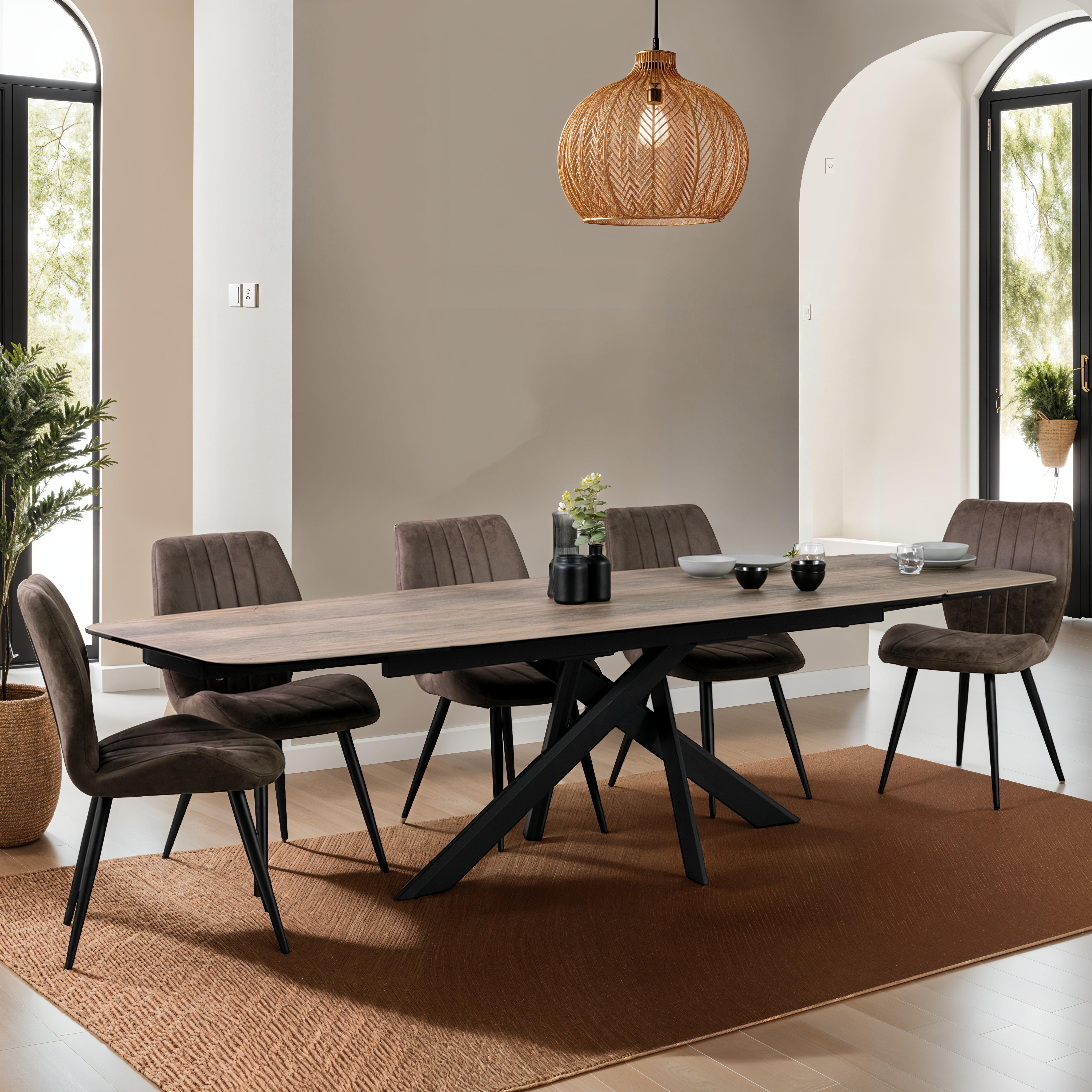
Denver Ceramic Extendable Dining Table (180cm-260cm)
How to clean a ceramic table top after everyday meals
If you are wondering how to clean your ceramic table top after breakfast, lunch or dinner, keep it quick and simple.
-
Clear the surface first Remove plates, cutlery, placemats and serving dishes. Check for crumbs around the edges and under centrepieces.
-
Wipe with a damp cloth Use warm water and a soft microfibre cloth. This is usually enough for fingerprints, light spills and everyday marks.
-
Use mild soap for greasy residue If there are food oils, sauces or sticky marks, add a small drop of mild washing-up liquid to the cloth. Wipe gently rather than scrubbing.
-
Rinse with a clean damp cloth Remove any soapy residue so the surface does not look cloudy once dry.
-
Dry with a soft cloth Buffing dry helps prevent water spots and keeps the surface looking polished.
This routine is especially useful after family dinners, children’s crafts, or evenings when guests have been leaning glasses, bowls and sharing boards across the table.
Cleaning spills before they settle
Ceramic is generally non-porous or very low-porosity, depending on the product, which means spills often sit on the surface rather than soaking in quickly. That said, it is still best to wipe spills promptly.
Pay particular attention to:
-
Red wine
-
Coffee and tea
-
Curry sauces
-
Tomato-based sauces
-
Vinegar and acidic dressings
-
Brightly coloured juices
-
Ink or craft materials
Prompt cleaning is less about panic and more about good habit. A quick wipe protects the finish, keeps the table looking elegant, and avoids the need for more intensive cleaning later.
What to avoid when cleaning ceramic furniture
The wrong product can do more harm than the original mark. If your table came with manufacturer care instructions, those should always take priority. In general, avoid using:
-
Abrasive scouring pads
-
Steel wool
-
Cream cleaners with gritty particles
-
Bleach-based cleaners unless specifically approved
-
Oven cleaners or strong degreasers
-
Acidic limescale removers
-
Solvent-heavy products
-
Furniture polish designed for wood
Also avoid dragging dirt or grit across the surface. Tiny particles can act like sandpaper, particularly on polished finishes. If there are crumbs, salt or dry debris on the table, brush them away gently or lift them with a soft cloth before wiping.
Dealing with dried-on food and stubborn marks
Life happens. A little sauce dries under a serving bowl, a child’s snack leaves a sticky patch, or candle wax lands where it should not. The important thing is not to attack the surface.
For dried-on food:
-
Place a warm, damp cloth over the mark for a few minutes.
-
Let the moisture soften the residue.
-
Wipe gently with a microfibre cloth.
-
Repeat if needed rather than scraping hard.
For sticky marks:
-
Use warm water with a little mild washing-up liquid.
-
Work slowly in small circles.
-
Rinse and dry afterwards.
For wax:
-
Allow it to harden fully.
-
Lift carefully with a plastic scraper or card, keeping it almost flat to the surface.
-
Wipe away any remaining residue with warm soapy water.
Avoid metal blades, sharp knives or anything that could chip an edge or scratch a particular finish.

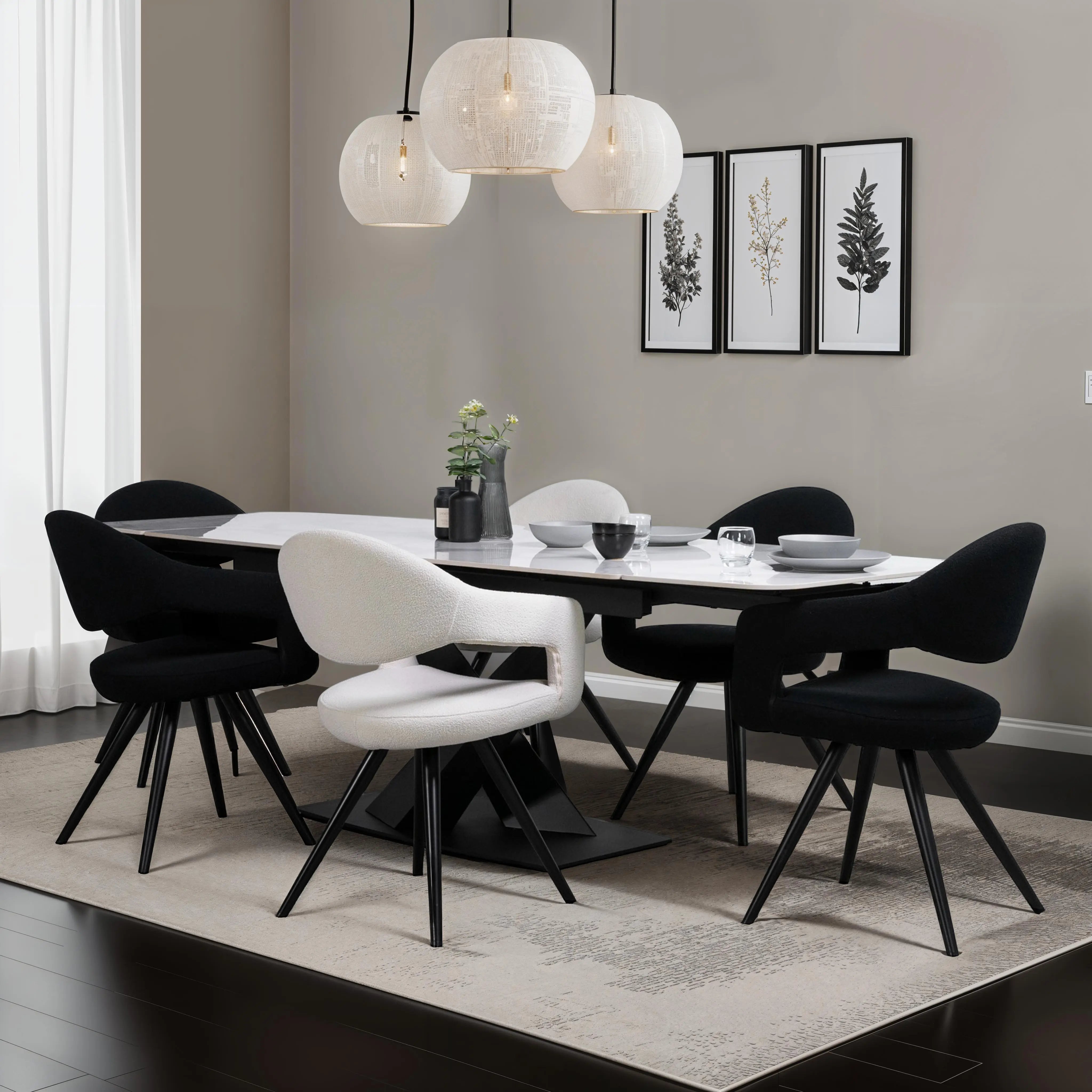
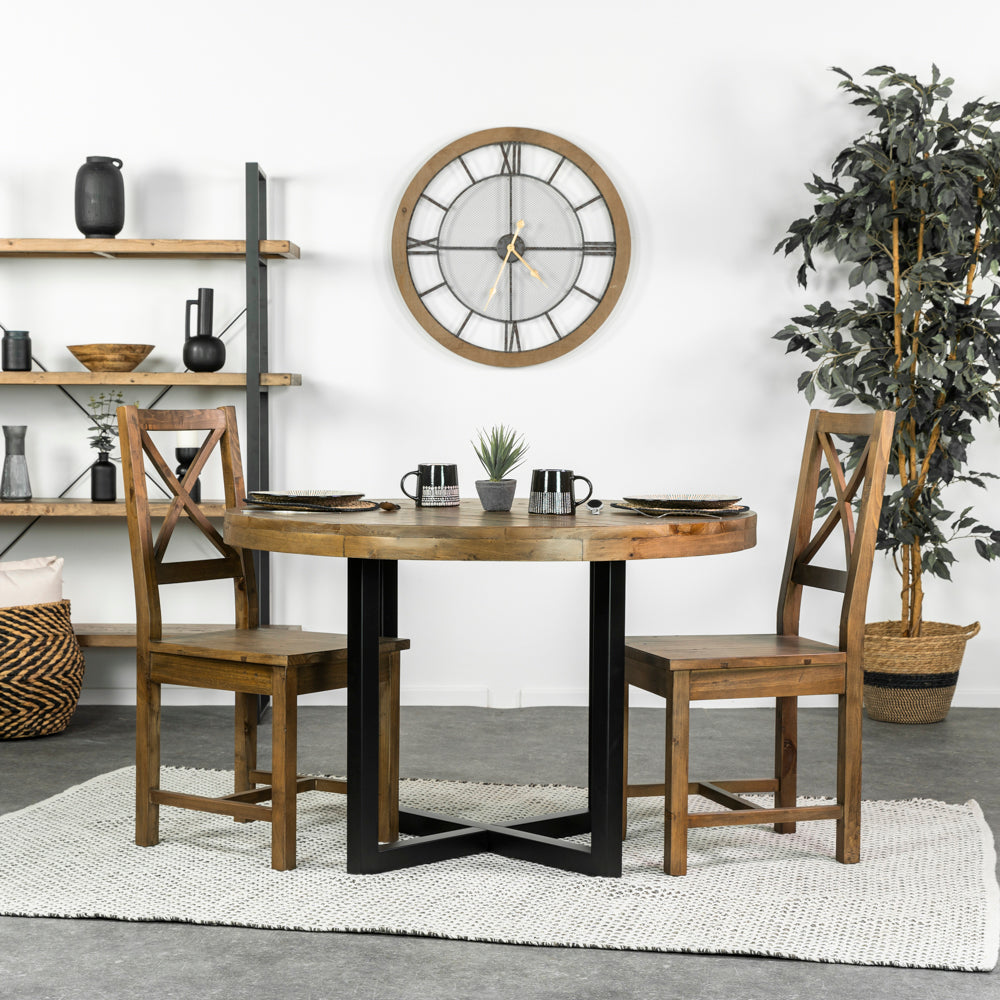
Cosmo Black Ceramic Extending Dining Table (160cm - 240cm)
Protecting the edges from chips
This is the part of ceramic dining table care that deserves the most attention. While the top surface is often impressively resilient, edges and corners can be more exposed. A direct knock from a heavy object, a chair arm, a vacuum cleaner, or a dropped serving dish may cause a chip.
To protect the edges:
-
Lift serving dishes rather than sliding them off the side.
-
Avoid tapping plates, bowls or pans against the table edge.
-
Take care when pushing chairs in, especially chairs with arms.
-
Keep children’s metal toys, scooters or hard play items away from the table corners.
-
Be mindful when vacuuming or mopping around table legs and edges.
-
Use extra care in narrower dining spaces where people often brush past furniture.
If your ceramic top table sits in a busy kitchen-diner, think about the flow around it. A few extra centimetres of space can make all the difference, reducing bumps from bags, chairs and everyday traffic.
Use placemats, coasters and trivets wisely
Ceramic is often chosen because it can handle more than many traditional surfaces, but using protection is still a smart habit. It is not about covering the table up; it is about preserving the finish so you can enjoy it for longer.
Use placemats for everyday dining, especially beneath textured plates or stoneware dishes with rough bases.
Use coasters under glasses, mugs and bottles to prevent rings, condensation marks and repeated contact in the same spot.
Use trivets beneath hot pans, casserole dishes and oven-to-table cookware. Ceramic may be heat resistant, but sudden temperature changes or concentrated heat can still put stress on materials, adhesives or supporting structures depending on the table design.
Use felt pads under decorative objects such as vases, bowls and candle holders. This is particularly important if you like to refresh your dining table styling with seasonal centrepieces.
Avoid dragging heavy items
One of the easiest ways to protect a ceramic table top is to lift, not drag. Large serving boards, stoneware platters, laptop stands, plant pots and decorative trays can all leave marks if pulled across the surface with grit underneath.
Before placing anything heavy on the table:
-
Check the base is clean and smooth.
-
Add felt pads where appropriate.
-
Lift the item when repositioning it.
-
Ask for help with very heavy centrepieces or appliances.
This is especially useful advice for multifunctional dining rooms. If your table is also a work desk, homework station, craft area or board-game hub, keep a soft mat nearby for anything with sharp corners or rough feet.
Be careful with impact, not just scratches
Many people worry most about scratches, but chips are usually caused by impact. A ceramic dining table can cope beautifully with normal dining, but sharp blows to the side or corner are different from everyday use.
Common causes of accidental chips include:
-
Dropping cutlery or crockery near the edge
-
Hitting the side with a heavy chair
-
Knocking the corner with a vacuum cleaner
-
Placing a heavy dish down too quickly
-
Moving the table without enough support
-
Children playing with hard objects near the tabletop
Try to build gentle habits around the table. Place items down softly. Move chairs with care. Keep heavier serving dishes closer to the centre rather than balanced near the edge. These small rituals soon become second nature.
Moving your ceramic dining table safely
If you are rearranging your dining room, decorating, or moving house, take extra care. Ceramic tables can be heavy, and the top may need to be supported evenly.
Before moving the table:
-
Clear everything from the surface.
-
Check whether the top is fixed or removable.
-
Follow the original assembly and care instructions where available.
-
Use two or more people for lifting.
-
Lift from the frame or recommended support points, not just the tabletop edge.
-
Protect corners with blankets or padding during transport.
-
Never drag the table across the floor.
Dragging can strain joints, damage flooring, or cause the table to twist. If in doubt, use professional furniture movers, particularly for larger extending tables or statement pedestal designs.
Caring for extending ceramic tables
Extending dining tables are wonderfully practical for British homes, where a cosy four-seater might need to become a generous setting for birthdays, Christmas or Sunday lunch. If your ceramic dining table has an extension mechanism, the care routine includes both the top and the moving parts.
Keep extension leaves clean and dry before storing or closing them. Wipe crumbs from joins so they do not scratch surfaces or affect alignment. Open and close the mechanism gently, without forcing it. If the extension feels stiff, check the product guidance rather than applying oil or sprays that may not be suitable.
When guests are gathered and dishes are being passed around, use placemats and trivets across the extension area too. Consistent protection helps the full table age evenly.
Styling your table without risking damage
A ceramic table top often looks too beautiful to hide, and rightly so. The surface is part of the design story. Whether you prefer calm neutrals, dramatic veining, warm woods or sculptural bases, styling should enhance the table rather than overwhelm it.
For everyday styling, try:
-
A low ceramic or glass bowl with a felt base
-
Soft linen runners that can be lifted and washed
-
Fresh flowers in a vase with protective pads underneath
-
Candle holders placed on a tray rather than directly on the surface
-
Seasonal foliage kept dry and checked for sap or grit
If you use a runner, shake it out regularly. Crumbs and tiny particles can become trapped underneath, especially after family meals. For special occasions, layer the table generously, but remove decorations afterwards so moisture, wax or residue is not left sitting for long periods.
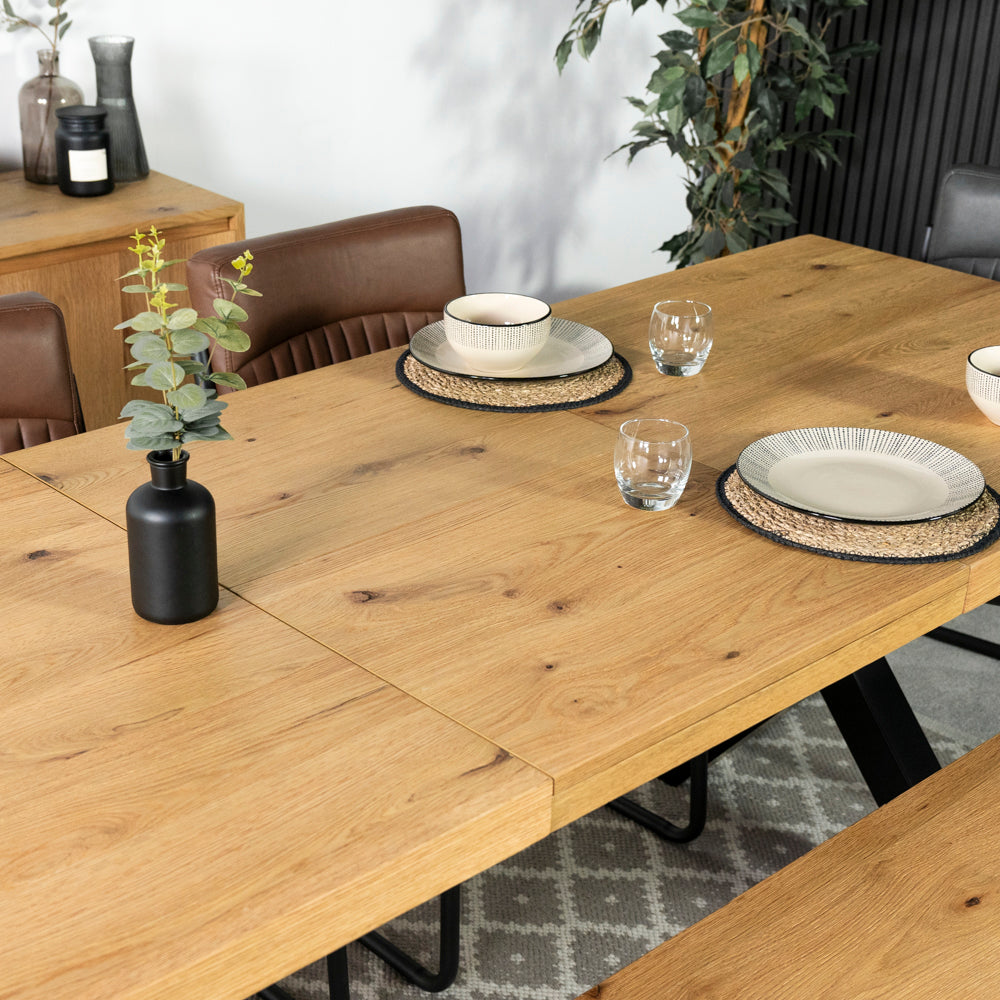
Florence Ceramic Oval Extending Dining Table (190cm - 290cm)
What to do if you notice a chip
If a chip appears, avoid picking at it or trying to disguise it with unsuitable fillers. Clean the area gently and keep it dry. Check whether your table has a warranty or care support, and contact the retailer or manufacturer for advice.
A professional repair may be possible depending on the size, location and finish of the ceramic. Edge chips are often more visible than small surface marks, so it is worth getting the right guidance rather than attempting a quick fix that could make the damage more noticeable.
A simple weekly care routine
Alongside your daily wipe-down, a weekly refresh keeps your table looking its best.
Try this simple routine:
-
Remove all placemats, runners and decorative items.
-
Brush away crumbs and dry debris with a soft cloth.
-
Wipe the full ceramic table top with warm water and mild soap if needed.
-
Pay attention to edges, corners and extension joins.
-
Rinse with a clean damp cloth.
-
Dry thoroughly with a soft microfibre cloth.
-
Check protective pads under accessories and replace any that have worn thin.
This takes only a few minutes, but it helps you spot small issues early and keeps the table ready for everything from quiet breakfasts to full-house entertaining.
Everyday habits that make the biggest difference
The best care instructions are the ones that fit naturally into daily life. You do not need to treat your dining table like a museum piece. It is there to be used, shared and enjoyed. But a few thoughtful habits will help it stay beautiful.
Remember to:
-
Wipe spills promptly.
-
Use soft cloths rather than abrasive pads.
-
Choose mild cleaning products.
-
Lift heavy items instead of dragging them.
-
Use placemats, coasters and trivets.
-
Protect edges from knocks.
-
Move the table carefully with proper support.
-
Follow the manufacturer’s guidance for your specific finish.
At FW Homestores, we know a dining table is rarely just a table. It is where the school forms are signed, the birthday candles are blown out, the roast potatoes are passed around, and the last cup of tea of the evening finds its place. A ceramic or sintered stone table brings elegance to those moments, and with the right care, it can remain a confident centrepiece in your home.
Final thoughts
A ceramic dining table offers a wonderful blend of style and practicality, but it still rewards mindful care. Clean it gently, protect it from sharp impacts, and give special attention to the edges and corners. Use simple layers of protection where they make sense, and keep your routine easy enough to follow every day.
If you are choosing a new ceramic top table or looking after one you already love, think of care as part of the pleasure of ownership. Not fussy. Not complicated. Just a few thoughtful touches that help your dining space look beautifully pulled together, meal after meal.

Leave a comment
This site is protected by hCaptcha and the hCaptcha Privacy Policy and Terms of Service apply.