











Choosing timber furniture is not just about colour or style. The wood you pick affects durability, maintenance, sustainability, cost, weight and how naturally a piece settles into your home. If you are comparing mango wood furniture with oak, acacia and teak, the right choice usually depends on how the item will be used, how much care you want to give it, and whether sustainable wood furniture is a priority.
What is the difference between mango wood and other hardwoods?
The main difference between mango wood and other hardwoods is that mango is often valued as a practical, characterful and more sustainable choice, while oak, acacia and teak are usually chosen for their long-standing reputations in strength, grain, density or outdoor performance. Mango wood comes from mango trees that are typically harvested after their fruit-bearing life has slowed, which means the timber can be a useful by-product rather than the sole reason for planting the tree. Compared with some traditional hardwood types, solid mango wood offers good everyday strength, distinctive grain variation and a warm, inviting appearance without feeling overly formal.
That does not make it automatically better than every alternative. Oak has a classic look and impressive toughness. Acacia is dense, striking and often used where visual drama matters. Teak is famous for its natural oils and resistance to moisture, especially in garden and bathroom settings. The best decision is less about naming one universal winner and more about matching each wood’s strengths to your space.
Mango wood at a glance
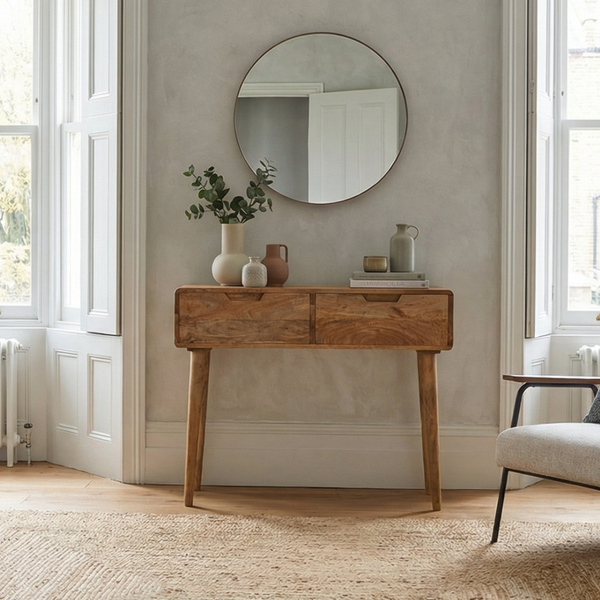
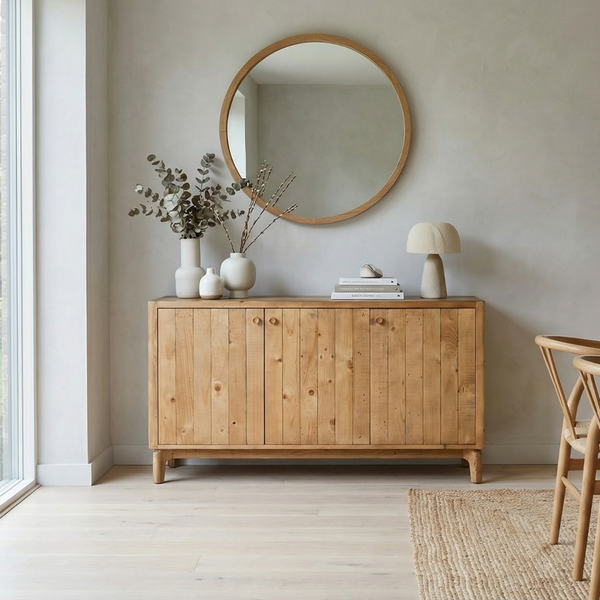
Mango wood has become popular in modern interiors because it balances durability with a relaxed, natural look. It can show a wide range of tones, from pale golden brown to deeper honey, sometimes with darker streaks, knots or figuring. This variation is part of its charm, especially for mango wood tables, sideboards, beds and shelving where the grain becomes a visible feature rather than a background detail.
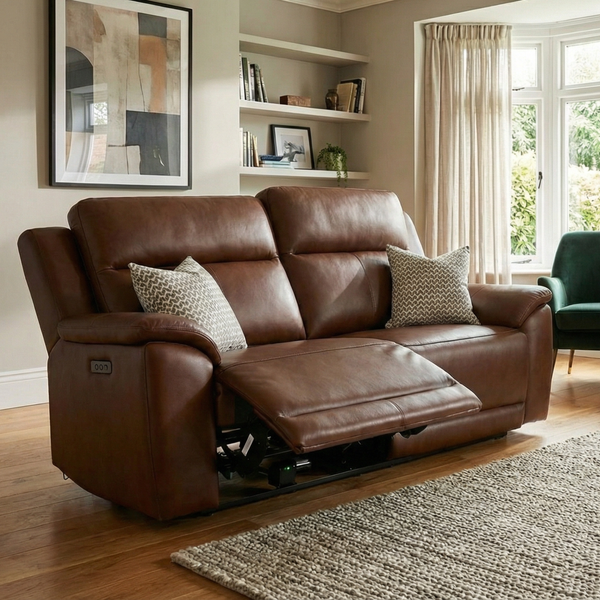
One of the key mango wood benefits is its suitability for everyday furniture. It is a hardwood, so it can handle regular domestic use when properly finished and cared for. A mango dining table, coffee table or console table can bring warmth to a room without the heavy, traditional feel that some darker woods create. A mango wood sofa frame can also suit relaxed living spaces, particularly when paired with linen, cotton or textured upholstery.
Mango is often associated with eco friendly furniture because it makes use of trees that have already served an agricultural purpose. This is one reason it appeals to buyers looking for sustainable hardwoods. As with any timber, responsible sourcing still matters, so it is wise to look for clear information about where the wood comes from and how the piece has been made.
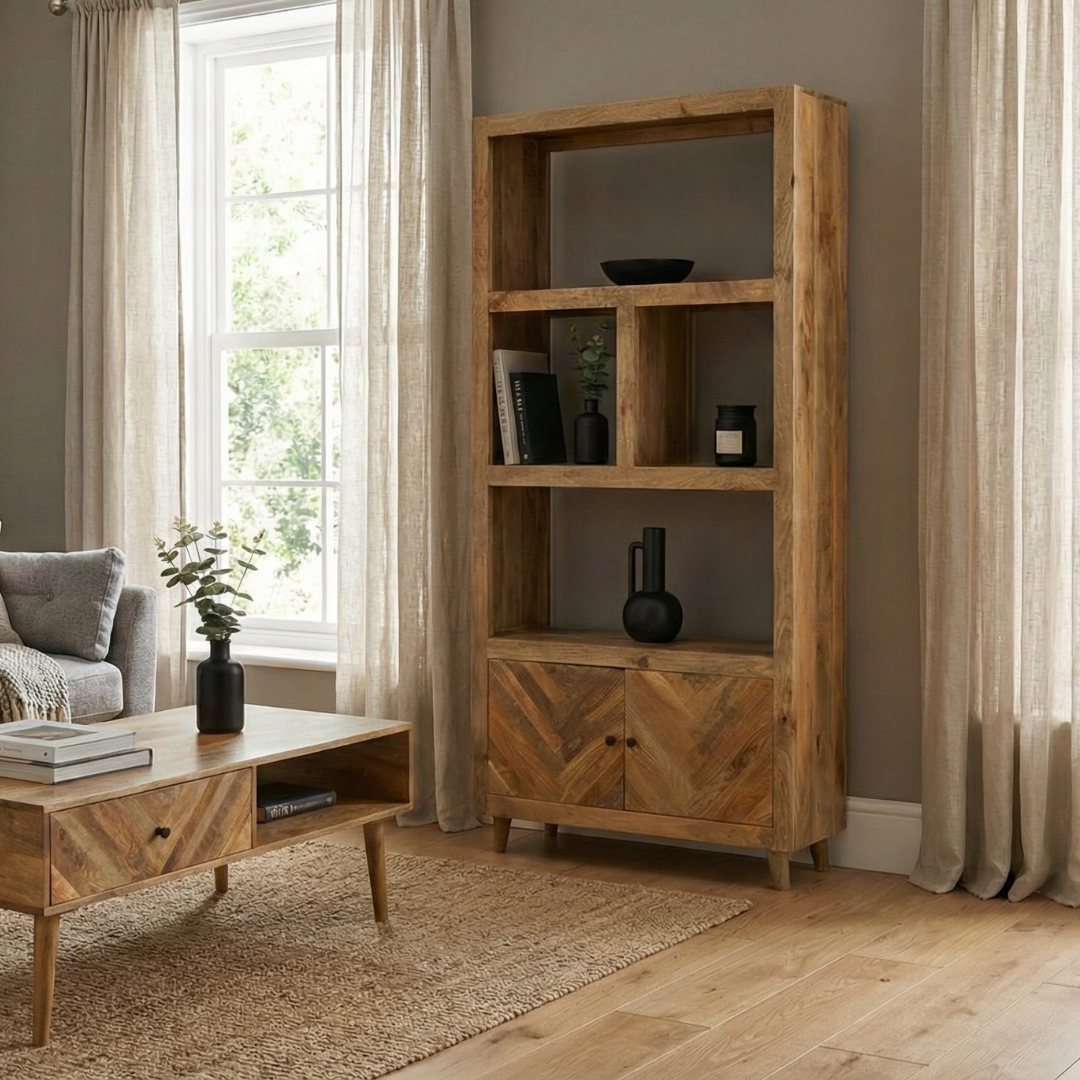
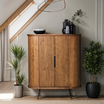
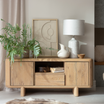
Nautilus 2 Door Bookcase
Oak is the traditional all-rounder
Oak is one of the best-known hardwood types for furniture, flooring and joinery. It is strong, reliable and familiar, with a grain pattern that can feel rustic, classic or contemporary depending on the finish. Pale oak can brighten a room, while darker stains give it a more formal appearance.
When compared with mango wood, oak usually feels more established and predictable. It is a favourite for dining tables, wardrobes, bookcases and desks because it has a reputation for long-term performance. It is also widely available in different styles, from farmhouse furniture to clean-lined modern pieces.
The trade-off is that oak can be heavier and, depending on the piece, more expensive. It may also feel less distinctive if you want furniture with unusual grain movement or a handcrafted look. Mango wood tables often have a more varied, individual character, while oak tends to provide a steadier, more uniform impression.
Oak is a strong choice if you want:
-
A timeless furniture style that is unlikely to date quickly
-
A hard-wearing dining table, desk or storage piece
-
A pale or medium-toned wood that works with many interiors
-
A traditional hardwood with wide design availability
Acacia brings density and bold grain
Acacia is another hardwood often used for furniture, especially statement tables, benches, shelving and outdoor-inspired designs. It is known for its density and dramatic grain, which can include sweeping lines, colour contrast and rich brown tones. If mango wood feels warm and varied, acacia often feels bolder and more intense.
The difference between mango and acacia is most noticeable in visual weight. Acacia furniture can dominate a room in a good way, especially if the design is simple and lets the timber speak. Mango, by contrast, often feels softer and more adaptable. It can still be full of character, but it does not always demand as much attention.
Acacia’s hardness can make it suitable for busy homes, but dense timber may also be heavier to move. Some acacia pieces need thoughtful care to prevent drying or surface changes, particularly if placed near radiators or strong sunlight. Mango wood furniture also benefits from sensible care, but its appeal often lies in being sturdy without feeling quite as visually or physically weighty.
Acacia is worth considering if you want:
-
Strong grain and rich colour contrast
-
A dense hardwood for statement furniture
-
A contemporary rustic or industrial look
-
Furniture that feels substantial and visually bold
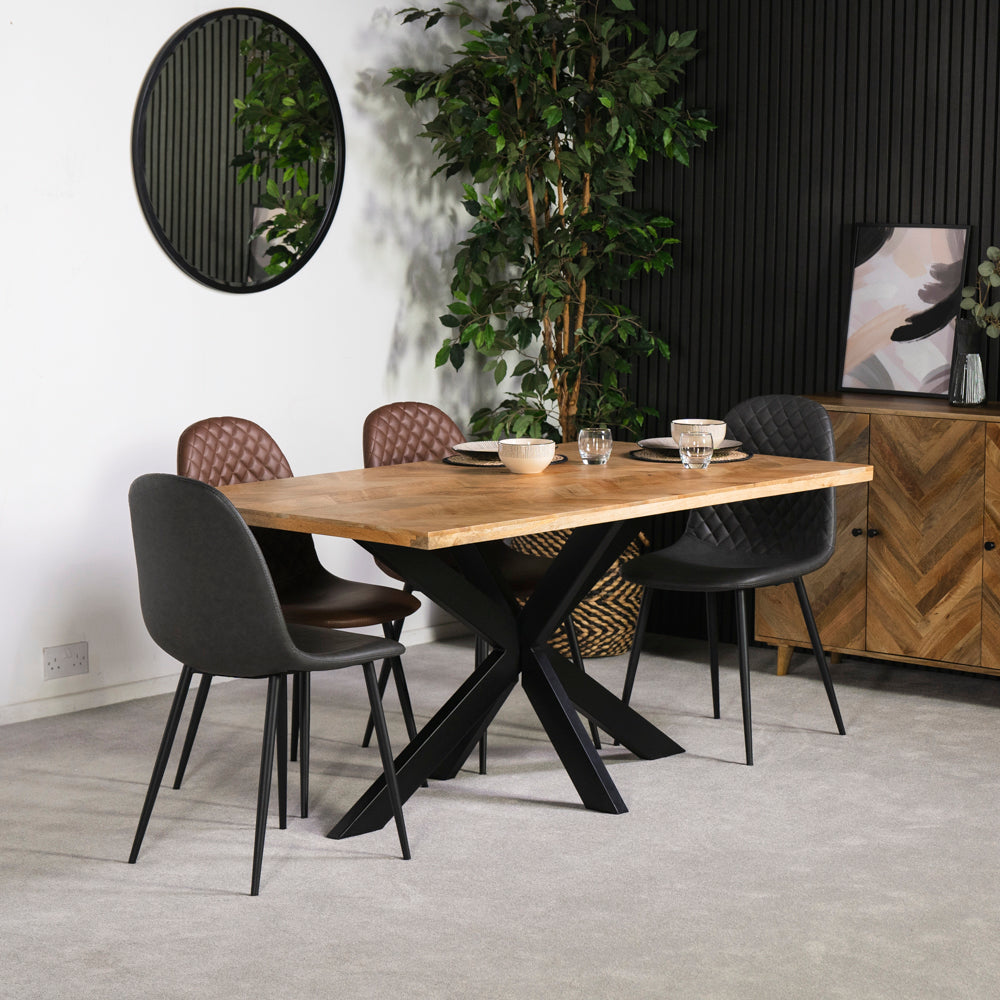
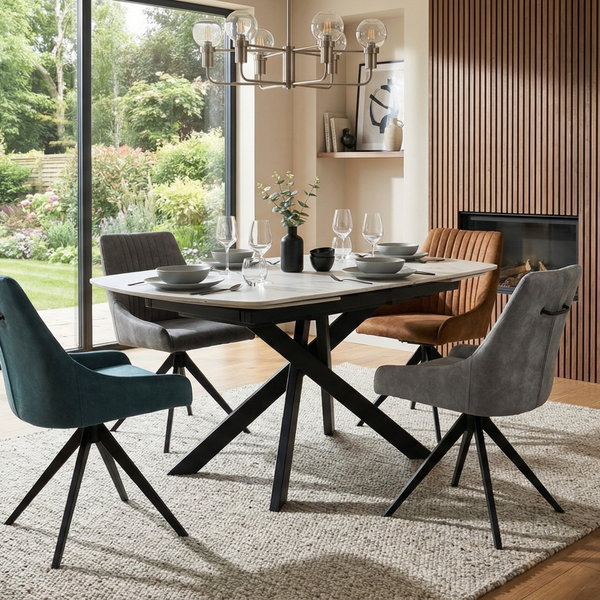
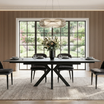
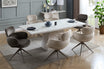
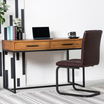
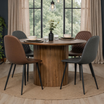
Nautilus 160cm Fixed Top Dining Table & Dallas Grey Dining Chairs
Teak excels where moisture is a concern
Teak has a special place among hardwoods because of its natural oils. These oils help it resist moisture, which is why teak is so often used for outdoor furniture, boat building and spa-style bathroom pieces. It has a golden-brown tone when new and can weather to a silvery grey if left untreated outdoors.
Compared with mango wood, teak is usually the stronger option for damp or outdoor environments. If you are choosing a garden table, shower bench or bathroom stool, teak may justify its reputation. Mango can be used successfully indoors in many forms, but it is not normally the first choice for furniture that will face persistent moisture or outdoor exposure.
The downside is that teak can be expensive, and responsible sourcing is especially important. Because teak has been heavily demanded for decades, buyers should take care to choose pieces from reputable sources. If sustainability is central to your decision, mango may feel more appealing for indoor furniture, while responsibly sourced teak can make sense for specialist uses where its properties genuinely matter.
Teak is ideal if you want:
-
Furniture for outdoor, humid or bathroom settings
-
A naturally oil-rich hardwood
-
A premium look with strong weather resistance
-
Long-lasting pieces where moisture performance is essential
How mango wood compares in everyday use
For most indoor furniture, mango wood sits in a practical middle ground. It is more characterful than many plain woods, often more accessible than premium teak, and generally less visually formal than oak. It can work in rustic, industrial, bohemian, Scandinavian-inspired and contemporary interiors, depending on the shape and finish.
Mango wood tables are especially versatile. A chunky mango dining table can become the centre of a family kitchen, while a slimmer mango coffee table can soften a modern living room. Because the grain and tone vary from piece to piece, solid mango wood often suits people who like furniture with natural imperfection rather than factory-like uniformity.
There are a few practical points to keep in mind:
-
For dining tables: Mango offers warmth and durability, but use coasters, placemats and prompt cleaning to protect the finish.
-
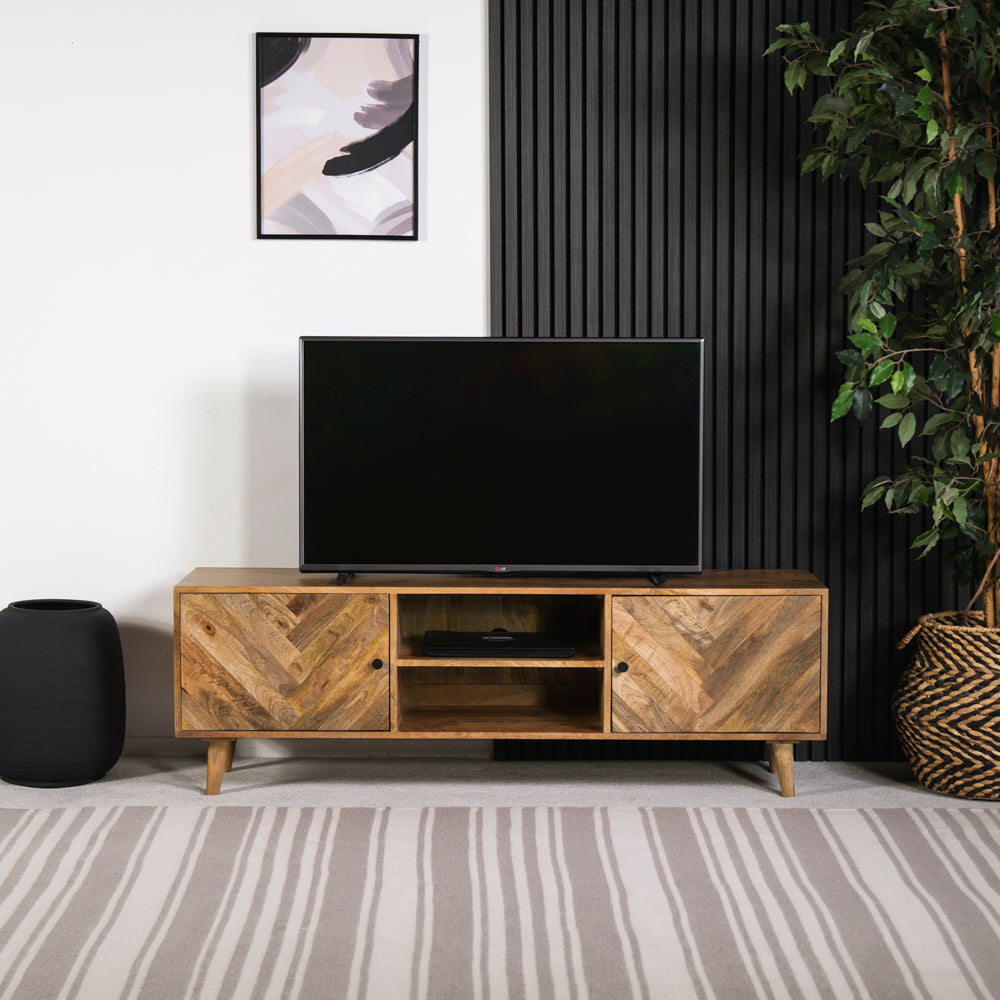
For living rooms: A mango coffee table, TV unit or mango wood sofa frame can add texture without making the room feel too heavy.
-
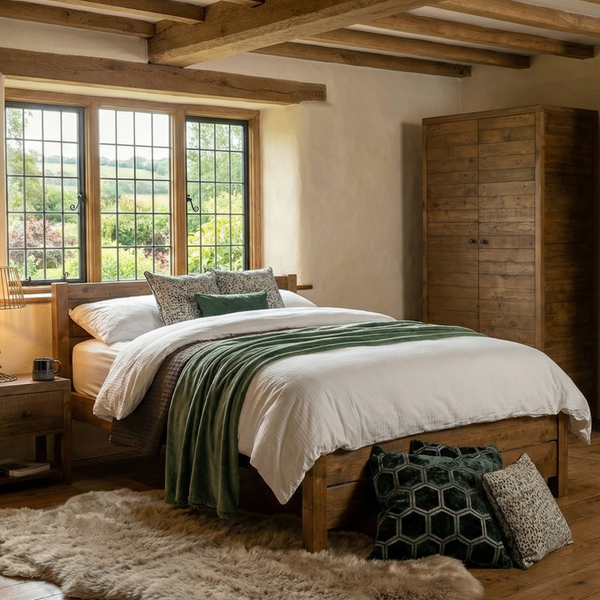
For bedrooms: Mango works well for bedsides, chests and wardrobes where a natural finish can make the space feel calm.
-
For humid areas: Teak is usually a better fit than mango if the furniture will be exposed to regular moisture.
-
For a classic investment look: Oak may suit you better if you want a very traditional, familiar hardwood appearance.
Sustainability and sourcing matter
Sustainable hardwoods are not defined only by the species of tree. They are also shaped by forestry practices, transport, manufacturing quality, finishes and how long the furniture remains useful. A well-made item kept for many years is generally a better choice than a poor-quality piece replaced quickly, even if the marketing language sounds green.
Mango wood has a strong sustainability story because it commonly uses timber from fruit trees that are no longer productive. This can reduce waste and create value from an existing agricultural cycle. For shoppers interested in eco friendly furniture, that is a meaningful advantage.
Still, do not rely on the name of the wood alone. Ask sensible questions before buying sustainable wood furniture:
-
Is the timber source clearly explained?
-
Is the construction solid, or is the piece mostly veneer over a weaker core?
-
Are the joints, drawers, legs and surfaces well finished?
-
Will the style suit your home for years rather than one season?
-
Does the care routine fit your lifestyle?
These questions help you compare real pieces, not just wood species in theory.
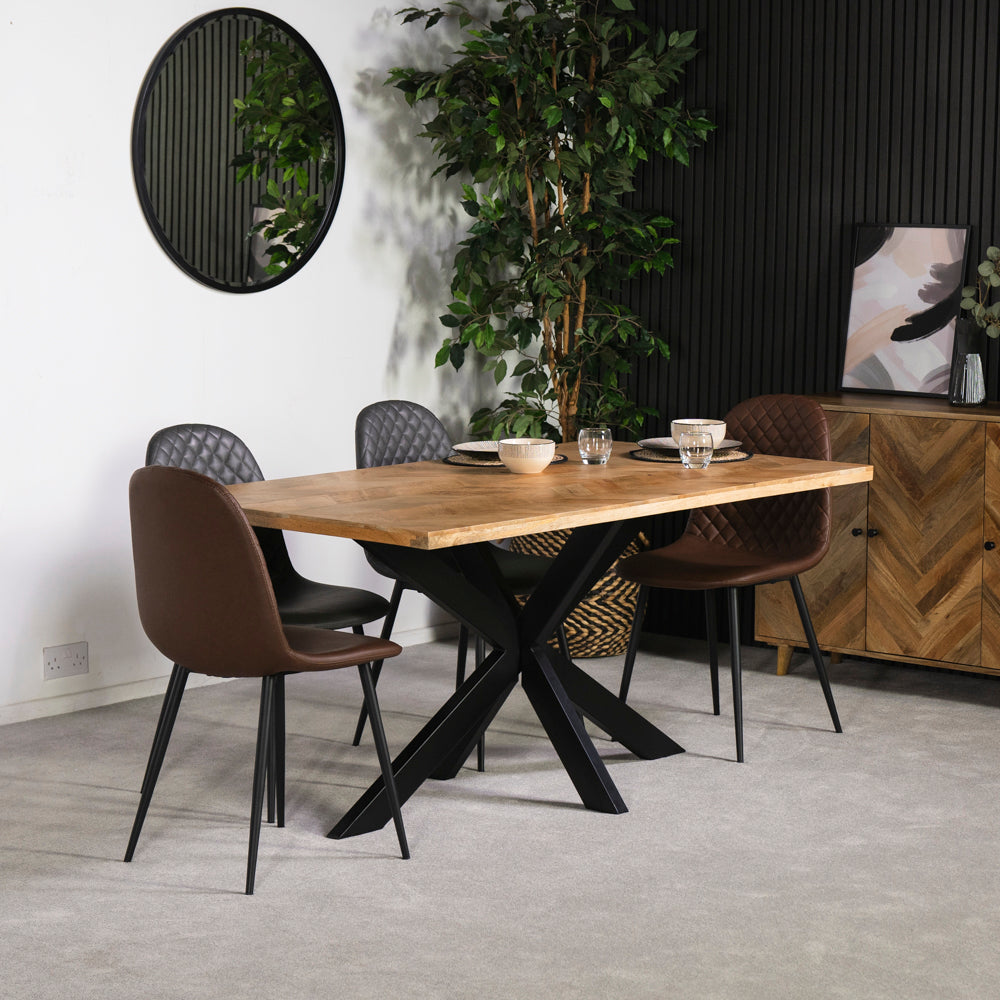
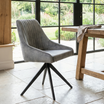
Nautilus 160cm Fixed Top Dining Table & Dallas Brown Dining Chairs
Care and maintenance are part of the choice
All hardwood furniture lasts longer when treated with basic respect. Wood responds to changes in heat, sunlight and humidity, so it is best to avoid placing pieces directly against radiators or in harsh, constant sun. Wipe spills quickly, use protective mats where needed, and clean with a soft, slightly damp cloth rather than aggressive chemicals.
Mango wood furniture may occasionally benefit from suitable furniture wax or oil, depending on the finish and the maker’s care guidance. Oak also needs protection from water rings and heat marks. Acacia can require care to preserve its rich tone, especially in dry interiors. Teak is more forgiving with moisture, but even teak looks better when cleaned and maintained properly.
A simple maintenance routine is often enough:
-
Dust regularly with a soft cloth.
-
Use coasters under hot, cold or wet drinks.
-
Clean spills as soon as possible.
-
Keep furniture away from extreme heat or damp.
-
Follow the specific care instructions supplied with the piece.
Which hardwood should you choose for your home?
Choose mango wood if you want warm, distinctive indoor furniture with strong everyday practicality and a good sustainability story. Choose oak if you prefer a traditional, dependable hardwood with a classic grain and broad design range. Choose acacia if you want dense, dramatic furniture with bold natural markings, and choose teak if you need excellent moisture resistance for outdoor or humid settings.
If you are still weighing up Mango Wood vs Other Hardwoods: Which Should You Choose?, start with the room rather than the species. A kitchen table has different demands from a bathroom stool. A statement sideboard has different priorities from a garden bench. Once you know the job the furniture needs to do, the best timber becomes much easier to spot.
Final takeaway
Mango wood is not simply a budget alternative to better-known hardwoods. It is a practical, attractive and often sustainable option in its own right, particularly for indoor tables, storage and living room furniture. Oak, acacia and teak each have clear strengths, but for many homes, solid mango wood offers an appealing balance of character, durability and responsible use of natural material.

Leave a comment
This site is protected by hCaptcha and the hCaptcha Privacy Policy and Terms of Service apply.