
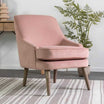
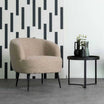


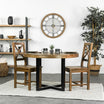
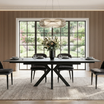
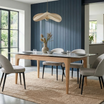
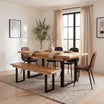






Mixing and Matching Dining Chairs is a simple way to make a dining space feel more personal, layered and considered. Rather than buying a full matching set, you can combine different dining chair styles to suit your table, your room and the way you actually live. The secret is balance: choose enough contrast to make the scheme interesting, then repeat colour, shape, material or proportion so the result still feels intentional.
Why mix dining chairs in the first place?
Mixing dining chairs gives your dining room decor more character than a standard suite, especially if your home already blends old and new pieces. It allows you to keep chairs you love, add comfort where you need it, and create a room that feels collected rather than copied from a showroom. Done well, the look can be eclectic, coordinated or modern, depending on how boldly you combine shapes, colours and finishes.
It is also practical. You may want upholstered dining chairs at the ends of the table, wipe-clean kitchen chairs for everyday meals, or slimmer dining room chairs where space is tight. Mixing gives you freedom to solve those little problems without compromising the overall interior design.
Start with one clear design thread
A mixed seating scheme works best when there is at least one repeated element holding everything together. Without that thread, the room can feel accidental. With it, even very different chairs can look like part of the same home decor story.
Your design thread might be subtle or obvious. It could be a shared timber tone, black metal legs, curved backs, a neutral fabric, or a repeated colour that appears elsewhere in the room. If your dining table is oak, for example, you might choose chairs in different silhouettes but keep the wood tones warm and natural. If your room has a modern black-framed pendant light, black chair legs or dark-stained seats can echo that detail neatly.
Useful unifying details include:
-
Colour: repeat one shade across chairs, cushions, artwork or tableware.
-
Material: combine different shapes in the same wood, metal, rattan or upholstery family.
-
Shape: use chairs with similar curves, angles or back heights.
-
Era: keep the scheme within one broad mood, such as mid-century, farmhouse or contemporary.
-
Proportion: make sure seat heights and visual weight feel compatible around the table.
This does not mean everything has to match. It simply gives the eye something to recognise, which makes the whole arrangement feel more deliberate.
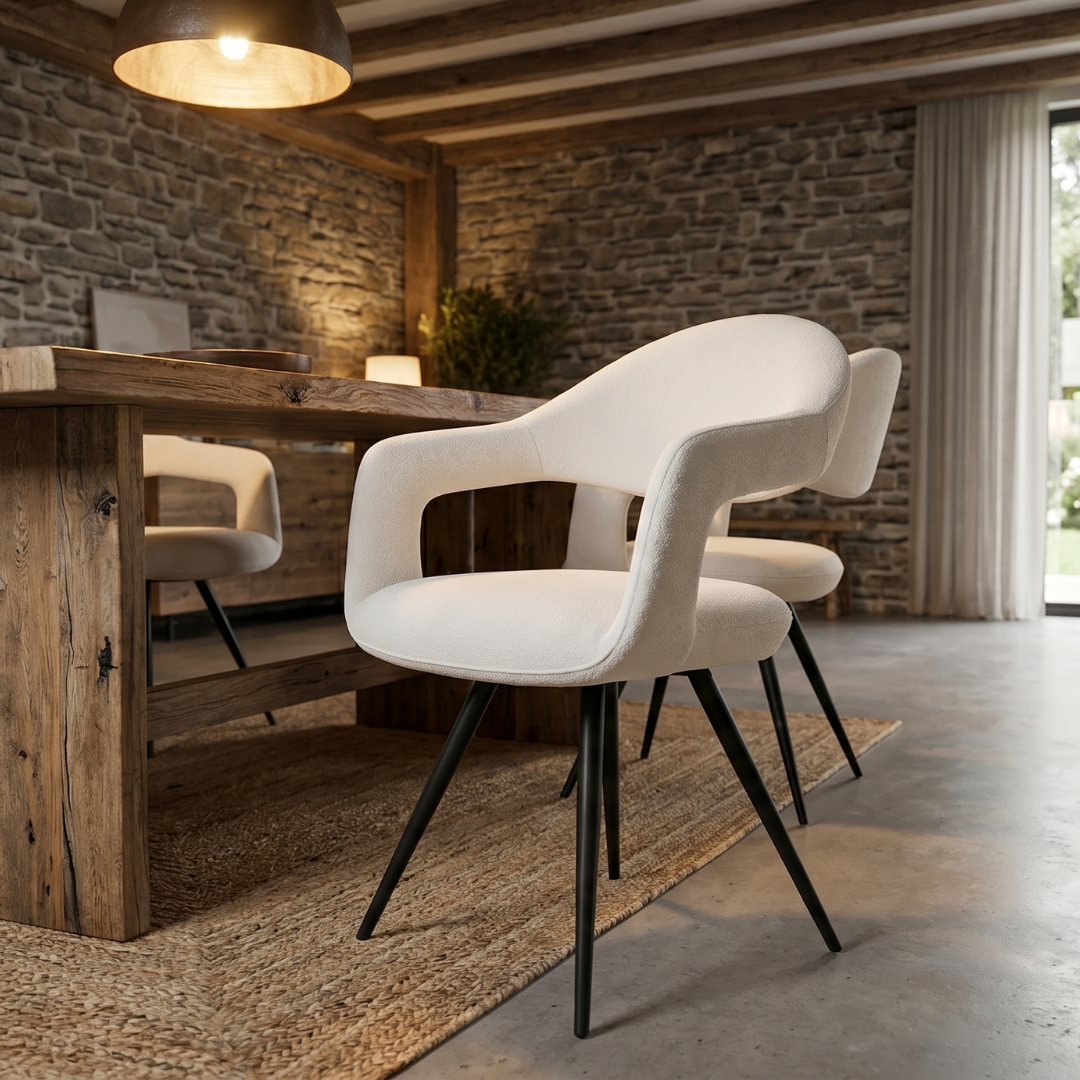
Emma White Dining Chair Set Of 2
The coordinated approach feels calm and polished
If you like the idea of mixing but do not want the room to feel too busy, start with a coordinated approach. This style uses small variations rather than dramatic contrast, so it is ideal for open-plan spaces, compact dining rooms or homes with a softer, more restrained palette.
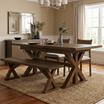
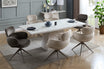
A classic coordinated look is to use one chair style along the sides of the table and a slightly different pair at the ends. The end chairs might be upholstered dining chairs, carver chairs with arms, or a taller-backed design in the same colour family. This gives the table a gentle sense of hierarchy without turning the room into a patchwork.
You can also coordinate through colour. For example, choose several dining chairs in the same shade but with different textures: painted timber, woven cord, smooth leather or soft fabric. The shared colour keeps the scheme calm, while the varied materials add depth. In a neutral dining room, this is a particularly elegant way to bring in interest without overpowering the space.
For a reliable coordinated formula, try:
-
Choose a dominant chair for most seats.
-
Add one contrasting style for the table ends or one side.
-
Keep the seat height consistent.
-
Repeat one finish from the table, lighting or flooring.
-
Limit the palette to two or three colours.
The result feels designed, but not stiff. It is a useful middle ground for anyone who wants personality without visual clutter.
How can eclectic dining chairs still look intentional?
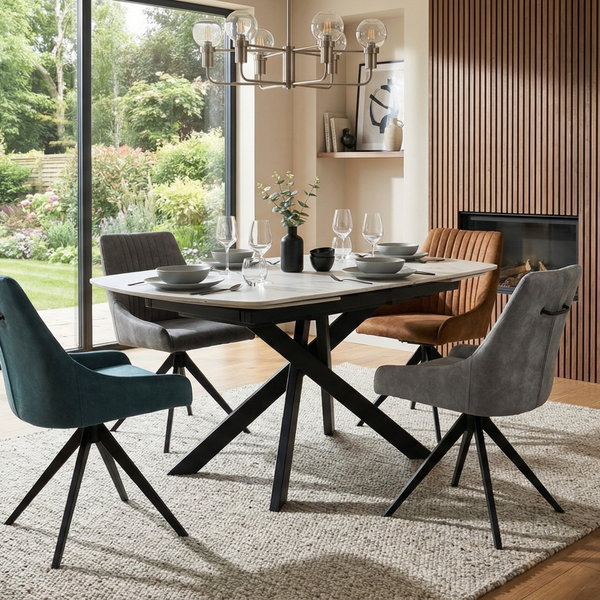
Eclectic dining chairs look intentional when the contrast is edited rather than random. You can mix vintage, modern, painted, upholstered and sculptural pieces, but the strongest eclectic schemes still repeat a few details, respect the table’s scale and leave enough breathing room in the wider dining room decor.
The beauty of an eclectic approach is that it celebrates individuality. Perhaps you have inherited a chair, found a pair at a market, or fallen for a statement design that would feel too much like a full set. Mixing lets each piece have a role. The key is to avoid using every idea at once.
One effective method is to build around a limited palette. Six different dining room chairs can work beautifully if they are all black, all pale wood, or all within warm earthy tones. Another method is to keep the chair shapes different but use similar seat pads or cushions. This is especially helpful when your chairs come from various sources and need a little visual linking.
Eclectic room ideas often work best when the table is relatively simple. A clean timber, white or black dining table can act as the anchor, allowing the chairs to bring personality. If both the table and chairs are highly decorative, the room may start to compete with itself.
A few styling ideas for an eclectic setting:
-
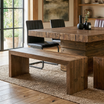
Pair a bench on one side with individual chairs on the other.
-
Use two matching end chairs to frame several different side chairs.
-
Combine vintage timber chairs with one or two modern upholstered pieces.
-
Repeat cushion fabric to connect mismatched frames.
-
Let one bold colour appear on just one or two chairs, then echo it in artwork or ceramics.
Eclectic does not mean chaotic. It means curated, expressive and comfortable with contrast.
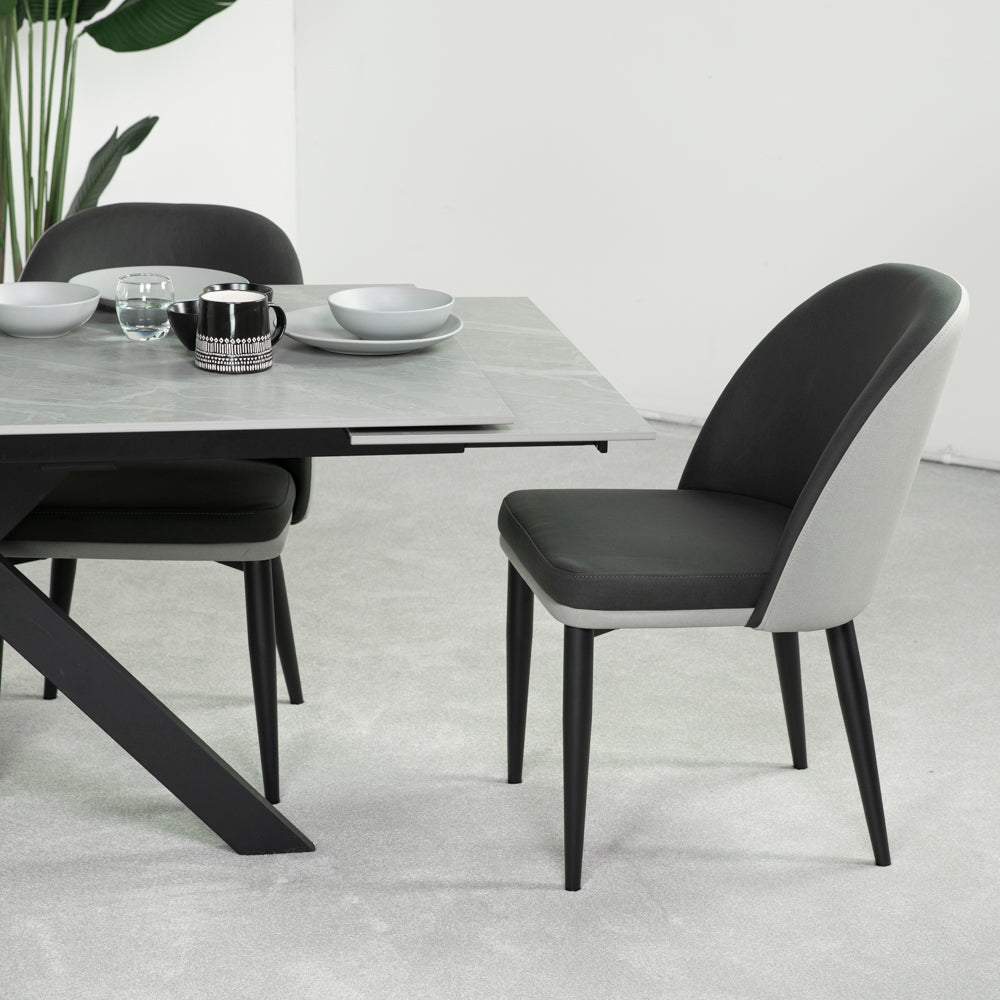
Lindsay Upholstered Dining Chair Set Of 2
Modern mixing keeps the lines clean
A modern mixed-chair scheme tends to be more controlled, with crisp silhouettes, simple materials and a confident use of contrast. Instead of combining many different ornate pieces, modern interiors often mix chairs by finish, texture or function while keeping the overall outline sleek.
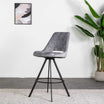
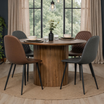
For example, you might use moulded kitchen chairs along the sides of a table and upholstered dining chairs at the ends, all in a monochrome palette. Or you could combine slim black metal chairs with pale timber seats for a sharp but warm look. The room feels current because the contrasts are clear and the shapes are unfussy.
Modern mixing also works well with negative space. If your dining area is open-plan, avoid chairs that are too bulky for the table. Lighter frames, lower backs and simple legs can help the room feel airy. This matters particularly in kitchens, where dining chairs may be seen alongside cabinetry, appliances and worktops.
To keep a modern scheme cohesive, focus on:
-
Strong silhouettes: clean curves, simple spindles or neat upholstered forms.
-
Controlled contrast: black and oak, cream and walnut, chrome and leather.
-
Minimal repetition: one shape, colour or material repeated just enough.
-
Practical comfort: supportive seats that suit daily meals, not just occasional entertaining.
Modern does not have to mean cold. A few tactile materials, such as bouclé, linen-look fabric, leather or natural wood, can soften the structure without losing the contemporary feel.
Match chair height, comfort and function
Style matters, but dining chairs still need to work around the table. Before you fall for a mixed set, check the practical details. If the chairs vary too much in height or depth, guests may feel awkward, and the table can look uneven in a distracting way.
Seat height is the most important point. Most dining chairs should allow enough space for legs under the tabletop while keeping elbows comfortable for eating. Armchairs need extra attention, as their arms may not slide under the table. That is not always a problem, but it should be a deliberate choice rather than an annoying surprise.
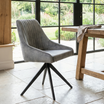
Consider how the room is used. In a formal dining room, comfort and presence may matter most. In a busy family kitchen, easy cleaning and durability may be higher priorities. Upholstered dining chairs can bring softness and elegance, but removable covers, darker fabrics or performance-style materials may be more forgiving in everyday spaces.
A practical checklist before you commit:
-
Do all seats sit at a comfortable height for the same table?
-
Can chairs be pulled in and out without scraping walls or cabinets?
-
Are arms, backs and legs compatible with the table base?
-
Is there enough room between place settings?
-
Are the materials suitable for children, pets or frequent entertaining?
-
Does each chair feel sturdy enough for regular use?
A beautiful mix should still make meals easier, not more complicated.
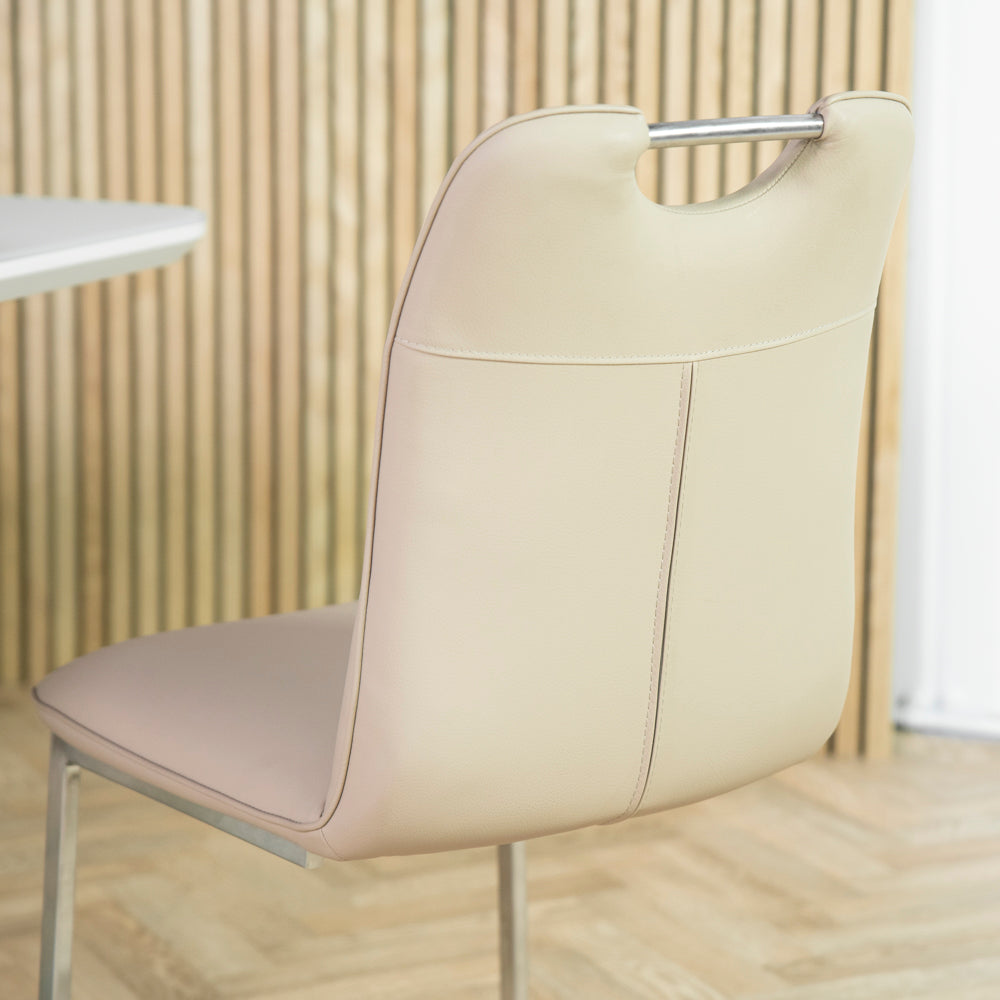
Laurel Stone Dining Chair Set of 2
Use colour to control the mood
Colour is one of the easiest ways to make mixed dining chairs feel coherent. A tonal scheme, where chairs sit within the same colour family, creates a gentle layered look. Think oatmeal, stone, taupe and warm grey, or walnut, tan, rust and cream. The variations are noticeable, but not jarring.
For a bolder dining room decor idea, choose one accent colour and use it sparingly. A pair of green chairs at the ends of a timber table can feel fresh without overwhelming the space. A single red, blue or mustard chair can work too, especially if the colour appears elsewhere in the room.
If you already have colourful walls, patterned curtains or statement lighting, keep the chair mix quieter. If the room is very neutral, chairs can carry more of the visual energy. The best choice depends on what the rest of the space is already doing.
Mix materials for texture and depth
Material contrast is often more sophisticated than colour contrast. Timber with upholstery, metal with rattan, leather with painted wood: these pairings bring texture into the room and make the table setting feel richer.
A farmhouse-inspired space might combine spindle-back timber chairs with woven seats and a cushioned bench. A city flat might mix slim metal kitchen chairs with soft fabric end chairs. A relaxed contemporary home might use pale wood dining chairs on one side and boucle or linen-look chairs on the other.
The trick is to consider the wider home decor scheme. If your room already has many materials, such as marble, brass, dark wood and patterned flooring, simplify the chair mix. If the room is plain, material contrast can add welcome warmth.
Finish with styling that ties the room together
Once the chairs are in place, the surrounding details can make the mix feel complete. Lighting, rugs, table linen and artwork all help reinforce the mood. A pendant light centred over the table can visually gather different chair styles into one zone, while a rug can frame the setting and add softness underfoot.
Table styling should support the chairs rather than fight them. If your seating is eclectic, keep centrepieces simple: a ceramic bowl, a vase of branches, or a run of candles. If the chairs are coordinated and quiet, you can introduce more patterns through napkins, placemats or flowers.
The final test is simple: stand back and look for balance. If one chair feels too loud, repeat its colour somewhere else or move it to an end position. If the scheme feels flat, add a different texture rather than another strong colour.
A more personal dining space
Mixing dining chairs is less about following rules and more about creating a dining area that feels lived-in, useful and yours. Whether your taste is eclectic, coordinated or modern, the strongest schemes combine personality with practical comfort.
Start with one unifying thread, respect the scale of your table, and use colour or material to guide the eye. From relaxed kitchen chairs to elegant upholstered dining chairs, a thoughtful mix can turn everyday seating into one of the most distinctive features of your home.

Leave a comment
This site is protected by hCaptcha and the hCaptcha Privacy Policy and Terms of Service apply.