






























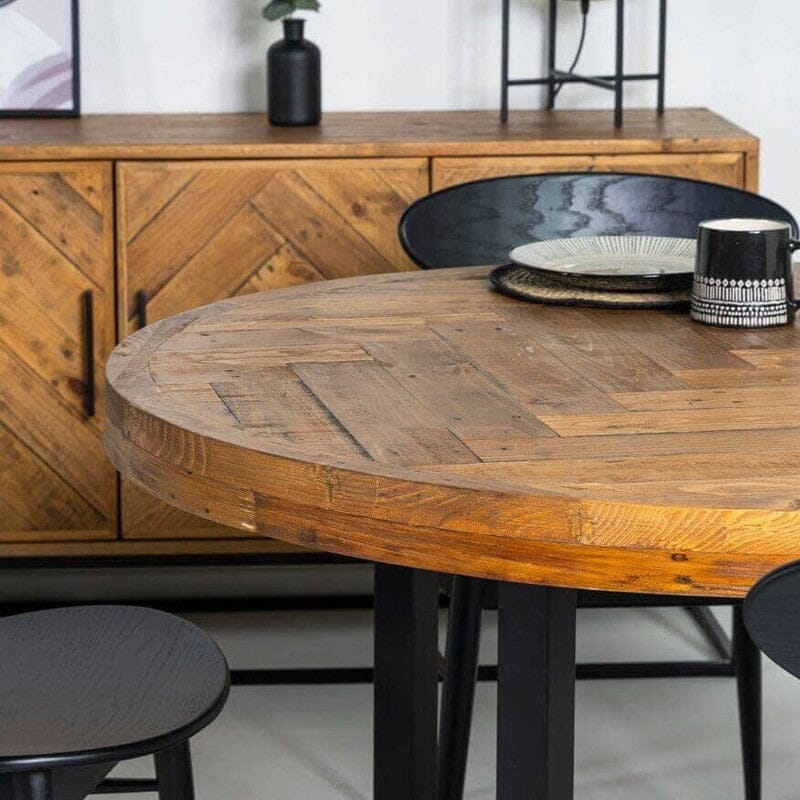
If you have ever wondered why round tables encourage better conversation, the answer lies in a mix of psychology, sightlines and simple social comfort. A round table removes the obvious “head” position, helps people see one another more easily and makes shared space feel more equal. Whether it is a round kitchen table, a formal round dining table or flexible activity furniture, the shape can subtly change how people listen, speak and connect.
What is it about a round table that changes the conversation?
A round table creates a more inclusive setting because everyone sits at a similar angle and distance from the centre. In a rectangular layout, people often speak most easily to those beside or opposite them, while others can feel slightly outside the exchange. With circular seating, eye contact is easier to share, interruptions feel less territorial, and the conversation naturally flows around the group rather than being led from one end.
This is why a round table discussion has become shorthand for open, balanced dialogue. The furniture does not do all the work, of course, but it gives people a better starting point. The shape quietly suggests that every voice belongs in the room.
The psychology of circular seating, explained
The benefits of circular seating begin with perception. People tend to read physical arrangements as social signals: a raised chair, a central desk or a “top” seat can imply authority, even when no one says so. Round tables reduce those signals and make the setting feel less hierarchical.
They also support psychological safety. When people can see facial expressions clearly, they pick up encouragement, confusion or hesitation sooner. That helps conversations feel warmer and more responsive, especially in family meals, workshops, classrooms or collaborative meetings.
Key advantages include:
-
Shared focus: the centre of the table becomes common ground, rather than one person’s territory.
-
More balanced participation: no seat feels obviously more important than another.
-
Better visibility: people can read expressions and body language with less effort.
-
Softer atmosphere: curved edges can make a room feel less formal and more inviting.
Social benefits beyond the dining room
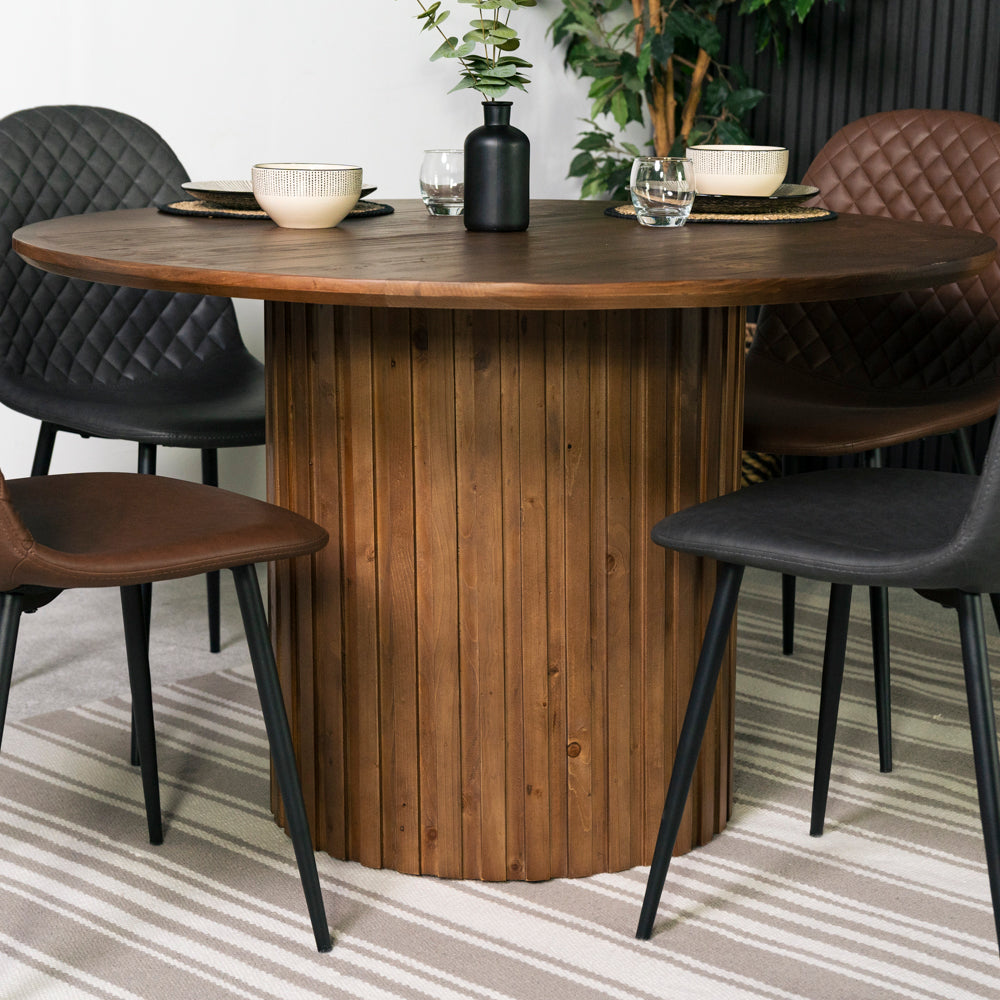
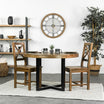
Dakota Round Dining Table
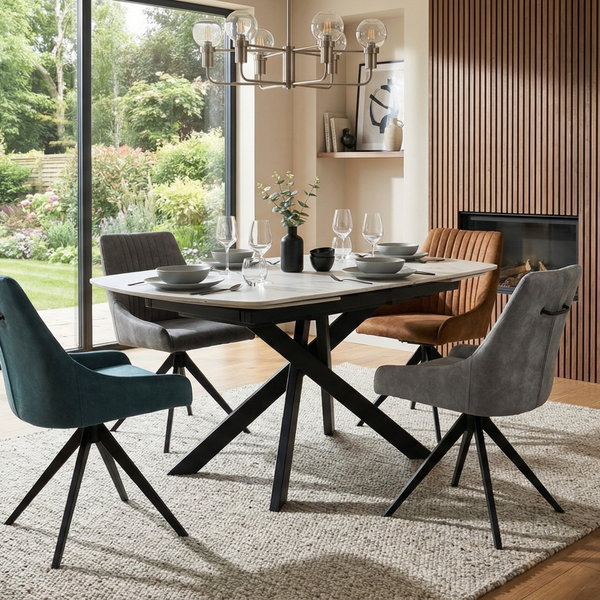
Round tables work well anywhere people need to talk, plan or learn together. In a home, a circular dining table can make everyday meals feel more connected because nobody is tucked away at the far end. In a small kitchen, a round kitchen table can also improve movement, as there are no sharp corners projecting into walkways.
In shared spaces, round tables encourage cooperation. Schools, community rooms and offices often use them for group work because the layout suits discussion rather than one-way instruction. Even practical searches such as “correll activity tables standard height round” point to a wider need: adaptable tables that support face-to-face activity without making the room feel rigid.
Choosing round tables for real conversations
The best choice depends on the room and how people use it. A compact round dining table suits smaller households or breakfast spaces, while a larger circular dining table can make hosting feel more relaxed. If the table is too wide, however, conversation can become harder because people are physically farther apart.
Before choosing one, consider:
-
Room flow: leave enough space for chairs to move comfortably.
-
Group size: choose a diameter that keeps voices and faces within easy reach.
-
Purpose: dining, learning, craft and meetings each need different surfaces and durability.
-
Base style: pedestal bases can offer more legroom than four-legged designs.
A simple takeaway
The real advantages of a round table are not only visual; they are social. By removing hierarchy, improving eye contact and creating a shared centre, round tables make conversation feel easier and more natural. For homes, schools and collaborative spaces, that small design choice can make people feel more included before the first word is even spoken.

Leave a comment
This site is protected by hCaptcha and the hCaptcha Privacy Policy and Terms of Service apply.