


























































There is nothing quite like sinking into a classic leather armchair after a long, exhausting day. Whether it is a vintage Chesterfield taking pride of place in your lounge or a sleek, supportive executive leather chair in your home office, leather furniture is a true investment in both comfort and style. The tactile richness, the distinct aroma, and the way it moulds to your shape make it a truly luxurious material. However, to keep it looking pristine and feeling supple for years to come, a bit of expert knowledge goes a long way.
This comprehensive leather care guide is designed to walk you through everything you need to know. By following these essential care tips for leather armchairs, you can ensure your favourite piece remains inviting and full of character for generations.
Understanding Your Leather Type
Before you begin applying products, it is vital to know exactly what kind of hide you are dealing with. Not all leather is created equal, and your specific care instructions will vary significantly depending on the finish of the material.
A common point of confusion is aniline vs semi-aniline leather maintenance. Aniline leather is dyed exclusively with soluble dyes without any topcoat or pigmented surface paint. This makes it incredibly soft and natural, but also highly porous and susceptible to stains. Semi-aniline leather, on the other hand, features a thin protective topcoat. This finish offers a slight barrier against spills while retaining a soft feel, making it slightly more forgiving for everyday household use.
Furthermore, if you have invested in high-quality hides, you will want to know the best way to clean top grain leather. Top grain has had the very top layer sanded away to remove imperfections before a finish is applied. It is highly durable but requires gentle, non-abrasive care to maintain its textured finish.
Routine Leather Chair Maintenance
Consistency is the absolute secret to beautiful, long-lasting furniture. Simple, regular maintenance tips can drastically extend the lifespan of your seating.
-
Gentle Dusting: Dust, grit, and loose dirt can act like mild abrasives. Every time you sit down, these tiny particles grind against the surface, slowly wearing away the finish. Simply wipe down your furniture weekly using a soft microfiber cloth for dusting leather. This lifts the dust effortlessly without leaving microscopic scratches behind.
-
Climate Control: Leather is a natural, porous material that breathes and responds to its environment. Maintaining an ideal room temperature for leather longevity—which generally sits around 18 to 21 degrees Celsius—prevents the hide from drying out or becoming overly humid and prone to mildew. Keep your chair well away from direct heat sources like radiators or roaring fireplaces.
-
Managing Sunlight: Positioning is crucial. Protecting leather furniture from sun damage is vital because direct ultraviolet rays will rapidly bleach the colour and bake the natural oils out of the hide. If your room gets a lot of natural light, position your chair away from large, unshaded windows, or make a habit of drawing the blinds during the brightest parts of the afternoon.
How to Clean Your Leather Armchair
Even with the most careful use, your leather armchair will occasionally require a deeper, more thorough clean. When learning how to clean your furniture safely, the golden rule is to avoid harsh household chemicals at all costs. Bleach, ammonia, and standard multi-surface sprays will strip the finish and ruin the hide.
Instead, always opt for pH-balanced leather cleaning solutions. These are specially formulated to break down body oils, perspiration, and daily grime without stripping the hide of its essential natural moisture. You may also find yourself debating leather cleaner vs saddle soap for chairs. While saddle soap is fantastic for rugged outdoor equestrian gear or thick boots, it is generally much too harsh for fine indoor upholstery and can leave behind a waxy, cloudy residue. Stick to dedicated upholstery formulations.
If you prefer an eco-friendly approach, there are natural leather care home remedies available. A heavily diluted mixture of equal parts white vinegar and distilled water can sometimes be used to gently wipe away superficial dirt. However, these natural remedies should be used sparingly and always patch-tested in an inconspicuous area first, as they can sometimes alter the pH balance of the leather if mixed incorrectly.

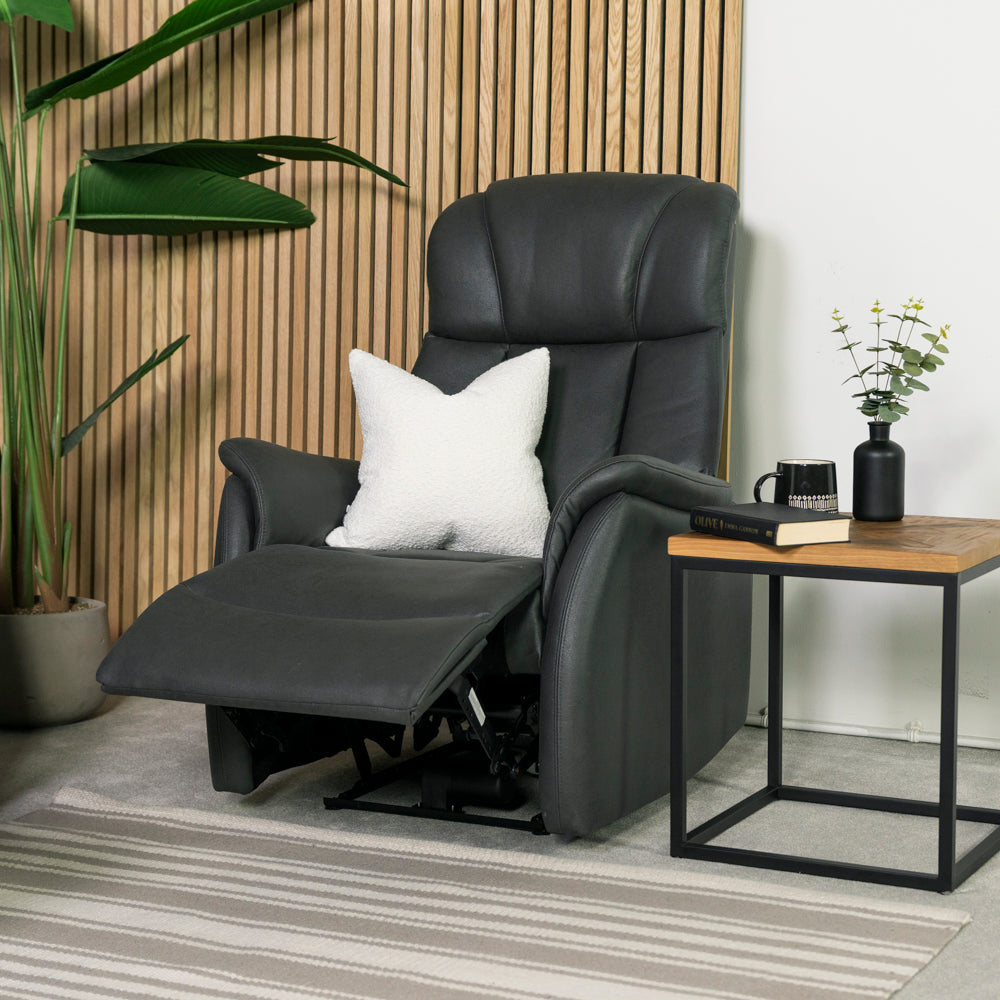
Medici Leather Recliner Armchair
Conditioning: Nourishing Your Furniture
As time passes, leather loses its natural moisture, which leads to tightness, creasing, and eventually, dreaded splits. If you want to know how to prevent leather from cracking and peeling, the answer lies in regular, high-quality conditioning.
Many homeowners wonder exactly how often to moisturize leather chairs. As a general rule of thumb, aim to treat your furniture every six to twelve months. If you live in a particularly dry climate or the chair sees heavy daily use, you may want to condition it three times a year.
Here is how to apply leather conditioner to furniture effectively:
-
Clean First: Never apply conditioner over dirt. Ensure you have dusted and cleaned the leather chair thoroughly first.
-
Apply to the Cloth, Not the Chair: Dab a small, coin-sized amount of high-quality leather cream onto a clean, lint-free cloth. Never squirt it directly onto the upholstery.
-
Work in Circular Motions: Gently massage the conditioner into the leather, ensuring even coverage across the back, seat, and armrests.
-
Buff the Surface: Leave the conditioner to absorb for a couple of hours. Afterwards, take a dry cloth and buff off any excess to prevent a sticky or slippery finish.
Dealing with Damage and Stains
Life happens, and occasionally your upholstery takes the brunt of a spilled drink or a mischievous pet. Knowing how to tackle these specific issues is a key aspect of overall leather chair maintenance.
-
Water Marks: Spillages should be blotted up immediately with a dry cloth—never rubbed. If you find yourself removing water stains from leather upholstery after the fact, try dampening a soft cloth with distilled water and gently wiping the entire affected cushion from seam to seam. This helps the water blend evenly and prevents a harsh, localised ring from forming as it dries.
-
Fading: If your chair has spent a little too much time in the sun, restoring faded leather upholstery usually requires a tinted leather balm. These balms deposit colour back into the hide. Simply match the dye to your original colour, rub it in evenly, and follow up with a robust conditioner to seal the tint.
-
Pet Damage: Pet owners frequently face the frustrating task of repairing cat scratches on leather seating. For minor surface scuffs, rubbing a small amount of leather oil or standard conditioner vigorously over the scratch with your thumb can warm up the surrounding oils and blend the scratch away. Deeper gouges might require a specialised leather filler and a matching colourant kit.

Nordic Recliner Armchair
Long-Term Protection
To truly protect your investment, taking preventative measures is just as crucial as reactive cleaning. Applying leather protector spray after a thorough clean and condition creates a breathable, invisible barrier. This barrier helps to repel liquid spills, giving you a precious window of time to wipe them away before they sink into the hide.
Finally, remember that the best upholstery care tips apply not just to the surface, but to the structure beneath. Plump removable cushions regularly to help them keep their shape, and avoid perching on the arms of the chair to preserve the integrity of the wooden frame.
The Takeaway
Caring for fine furniture does not have to be an intimidating chore. By integrating these practices—from a weekly dust to seasonal conditioning—you can effortlessly maintain the beauty and integrity of your pieces. Proactive care ensures your leather armchair will continue to age gracefully, rewarding you with a lifetime of classic, luxurious comfort.


Leave a comment
This site is protected by hCaptcha and the hCaptcha Privacy Policy and Terms of Service apply.