


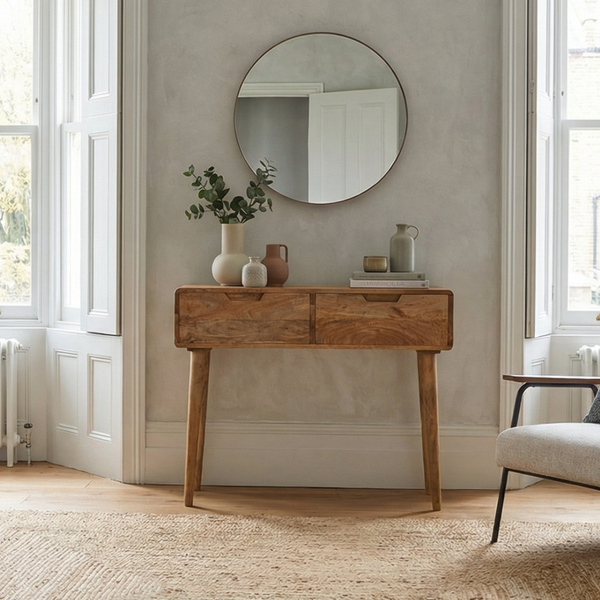

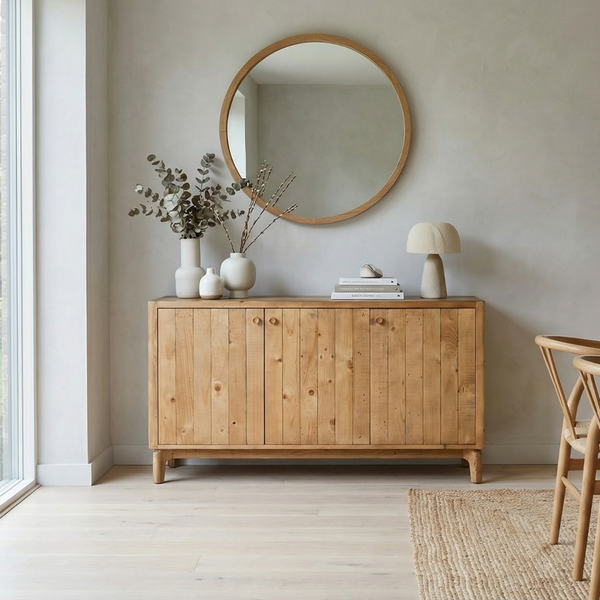

































A sideboard is both storage and a statement piece, so regular care keeps it looking refined while helping it stand up to daily use. Whether you own a natural wood dining sideboard, a painted buffet cabinet, or a mixed-material sideboard cabinet with glass, metal, stone, or rattan details, the right routine can prevent avoidable wear and make future sideboard restoration simpler.
How do you care for a sideboard day to day?
The best everyday care is gentle, consistent, and preventive: dust with a soft cloth, wipe spills quickly, avoid harsh cleaners, and protect the surface from heat, moisture, and scratches. Most damage happens slowly through repeated habits, such as placing hot dishes directly on the top, leaving damp glasses overnight, or using abrasive sprays that dull the finish.
Use these simple maintenance tips as your baseline:
-
Dust weekly with a clean microfiber cloth, following the grain on wood surfaces.
-
Wipe fingerprints and light marks with a slightly damp cloth, then dry immediately.
-
Use coasters, placemats, trays, or felt pads under lamps, serving pieces, vases, and décor.
-
Keep the sideboard out of prolonged direct sunlight when possible to reduce fading.
-
Avoid placing it against damp walls or near strong heat sources such as radiators.
-
Lift items instead of dragging them across the top.
-
Check drawer runners, hinges, and handles occasionally so small issues do not become larger repairs.
If your sideboard is used as a serving station, give it a quick clean after meals. Food oils, wine, water, and acidic spills can leave marks if they sit too long, especially on wood, painted finishes, and porous decorative inserts.
Care instructions for wood sideboards
Wood needs care that respects both the material and its finish. The surface may be sealed, stained, lacquered, oiled, or waxed, and each finish reacts differently to moisture and cleaning products. When in doubt, choose the mildest method first and test any cleaner on a hidden area before using it widely.
How to clean wood safely
Start with dry dusting. If the surface needs more attention, use a cloth dampened with clean water or a mild soap solution, then follow with a dry cloth right away. Never soak the wood, spray cleaner directly onto the surface, or let liquid pool around joins, edges, drawer fronts, or decorative moulding.
For sticky residue, work slowly rather than scrubbing aggressively. A small amount of diluted mild dish soap on a soft cloth is usually enough for everyday grime. Avoid bleach, ammonia, scouring pads, strong degreasers, and all-purpose cleaners unless the manufacturer specifically allows them.
Protecting the finish
A wood care guide should always include protection, because prevention is easier than repair. Use heat-resistant mats when serving hot dishes from a dining sideboard. Add pads beneath ceramics, bowls, lamps, and storage baskets. If you keep bottles, plants, or a coffee station on the buffet cabinet, place them on a tray to catch condensation and spills.
Wood also responds to the room around it. Very dry air can contribute to movement or small gaps, while excess humidity can encourage swelling. Try to keep the sideboard in a stable indoor environment and avoid sudden changes when moving it between rooms.

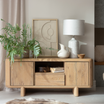
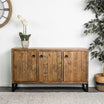
Malmo Sideboard
Painted sideboards need a lighter touch
Painted surfaces can be durable, but they are more vulnerable to chips, scratches, staining, and polish buildup than many people expect. The safest approach is to clean lightly, avoid friction, and protect high-contact areas such as handles, corners, drawer edges, and the top.
For routine cleaning, dust first, then wipe with a soft damp cloth. If marks remain, use a mild soap solution and gentle pressure. Dry the surface immediately so water does not sit in seams or soften vulnerable areas. Avoid waxy sprays, abrasive sponges, magic-eraser-style pads, and solvent-based cleaners, which can flatten sheen, remove paint, or create uneven patches.
Painted furniture also benefits from careful styling. Heavy objects can leave pressure marks over time, especially if the finish is newer or softer. Add felt pads under décor and rotate display pieces occasionally so one area does not receive all the wear. If the paint chips, save any loose pieces if possible and touch up only after cleaning and drying the area.
Mixed-material sideboard care
Many modern sideboards combine wood or painted frames with materials such as metal legs, glass doors, stone tops, cane panels, leather pulls, or mirrored accents. These pieces look layered and distinctive, but they need targeted care because one cleaning method rarely suits every surface.
Use material-specific furniture care tips:
-
Glass or mirrored panels: Clean with a lint-free cloth and a suitable glass cleaner applied to the cloth, not sprayed heavily near wood or painted edges.
-
Metal hardware or legs: Dust regularly and dry after wiping. Avoid soaking joints where metal meets wood, since trapped moisture can affect both materials.
-
Stone or marble tops: Use coasters and wipe spills quickly. Acidic foods and drinks may mark natural stone, so avoid vinegar or citrus-based cleaners.
-
Cane, rattan, or woven inserts: Dust with a soft brush or vacuum using a low-suction brush attachment. Keep these materials away from excess moisture.
-
Leather or fabric details: Blot spills, do not rub. Use cleaners only if they are appropriate for that specific material.
The key is control. Apply cleaning products to the cloth, keep moisture minimal, and dry the transition points where materials meet. Those seams are often where wear begins.
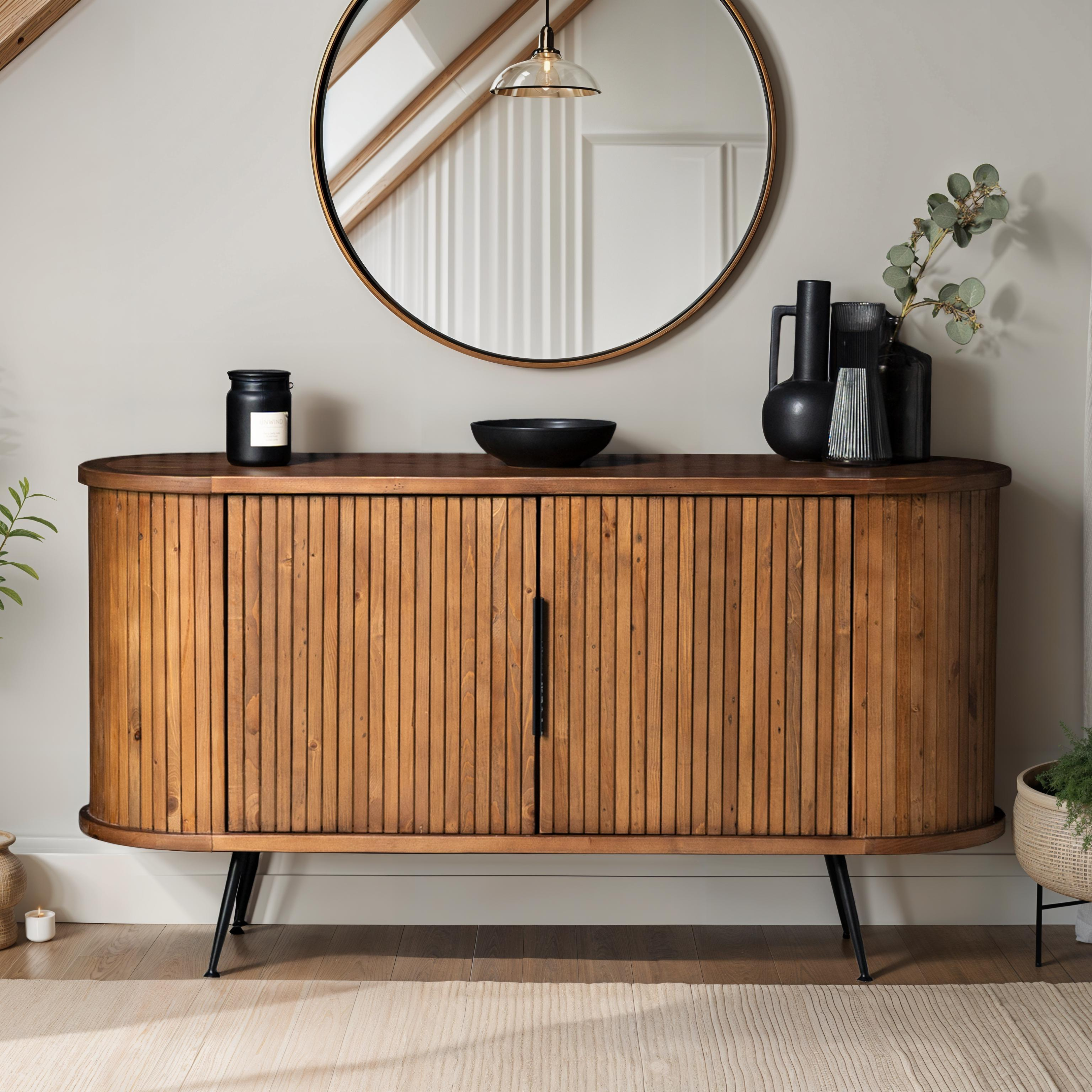
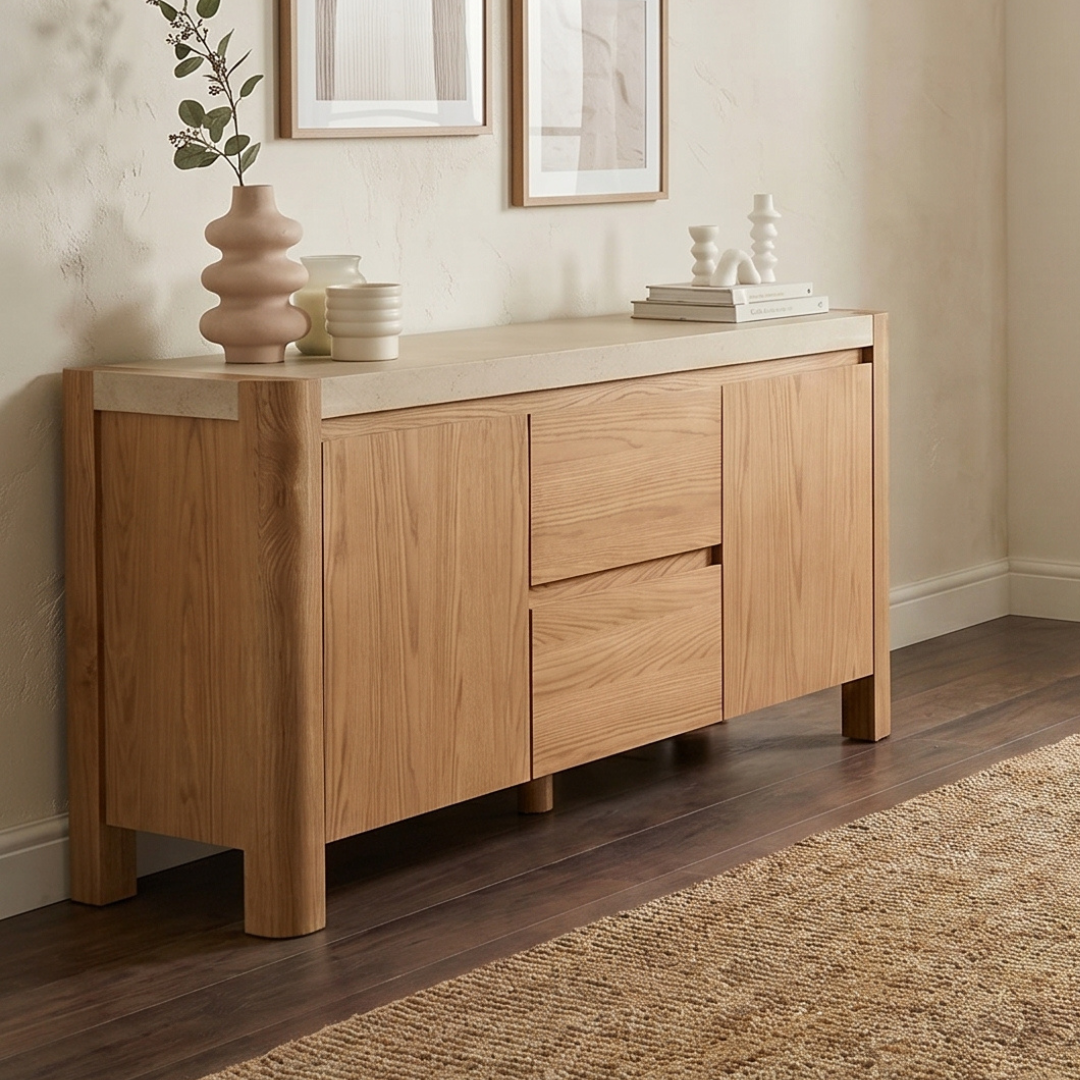
Dakota 2 Door Sideboard
How do you handle stains, scratches, and sideboard restoration?
Small marks can often be improved with patient cleaning and protection, but deep scratches, water rings, lifting veneer, swollen panels, or flaking paint may need professional sideboard restoration. The right response depends on the material, the finish, and whether the damage is cosmetic or structural.
For light surface marks, begin with the gentlest cleaning method and reassess after the area dries. Do not sand, oil, wax, or repaint immediately unless you know the finish and understand how the repair will blend. Quick fixes can create a larger visible patch, especially on stained wood or satin-painted pieces.
A practical restoration checklist:
-
Identify the surface: natural wood, veneer, painted finish, lacquer, stone, glass, or mixed material.
-
Clean the area gently and let it dry fully.
-
Check whether the mark is on top of the finish or has penetrated it.
-
Tighten loose handles or hinges before they strain the surrounding material.
-
Photograph damage if you plan to ask a restorer, retailer, or manufacturer for guidance.
-
Avoid aggressive sanding or chemical stripping unless refinishing the whole piece is the goal.
If a sideboard cabinet has sentimental, antique, or high-value significance, seek specialist advice before attempting restoration. Preserving the original finish may be more important than making the surface look new.
Long-term maintenance tips for a lasting finish
A sideboard works hard: it stores tableware, supports serving dishes, holds décor, and often sits in one of the most visible rooms of the home. Long-term care is about reducing stress on the piece while keeping it easy to use.
Review the setup every few months. Make sure weight is distributed evenly inside drawers and cabinets, especially if you store plates, serving bowls, or bottles. Do not overload shelves beyond what the construction appears designed to carry. If doors begin to rub or drawers feel stiff, address the issue early rather than forcing them.
Seasonal care is also useful. During brighter months, check for uneven sun exposure and move decorative objects so fade patterns do not develop. In cooler or drier seasons, watch for signs of wood movement, such as tight drawers or small gaps. These changes are often manageable when caught early.
A simple sideboard care routine
For an easy routine, combine quick weekly care with a more careful monthly check:
-
Weekly: Dust all visible surfaces and wipe fingerprints from handles, doors, and drawer fronts.
-
After serving: Remove spills, crumbs, heat mats, and damp items as soon as possible.
-
Monthly: Clean around hardware, inspect hinges, check pads under décor, and look for new marks.
-
Seasonally: Reassess sunlight, humidity, weight distribution, and any early signs of finish wear.
Good sideboard care does not require complicated products. It comes from knowing the materials, cleaning gently, and using everyday protection before damage appears. With the right care instructions for wood, painted finishes, and mixed materials, your dining sideboard or buffet cabinet can stay beautiful, practical, and ready for daily life for years to come.

Leave a comment
This site is protected by hCaptcha and the hCaptcha Privacy Policy and Terms of Service apply.