

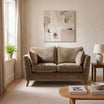
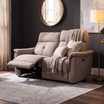
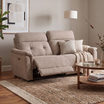

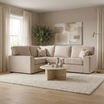
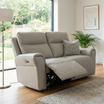

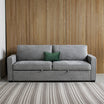
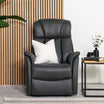














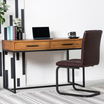





An occasional chair is one of those wonderfully versatile pieces that can transform a room without asking for a full redesign. It might be an accent chair in a living room corner, a side chair beside a console table, a statement chair in a bedroom, or a decorative chair that adds colour, texture and personality to a hallway. However you use it, the right care routine will help it stay comfortable, beautiful and ready for everyday life.
This occasional chairs care guide is designed to make looking after your chair simple. With a few sensible habits, gentle cleaning methods and seasonal maintenance tips, your favourite home decor chairs can remain a stylish part of your home for years to come.
Understanding Your Occasional Chair
Before reaching for cleaning products, it is worth taking a moment to understand what your chair is made from. Occasional chairs can feature a wide mix of materials, including fabric upholstery, velvet, leather or faux leather, exposed timber, metal legs, woven details, foam cushions and decorative trims.
Each material needs slightly different care instructions, so always check the product label or manufacturer guidance first. If you are unsure, use the gentlest method available and test any cleaner on a hidden area before applying it more widely.
As a general furniture care guide rule, think of your occasional chair in three parts:
-
The upholstery, which needs protection from spills, dust, sunlight and wear.
-
The frame and legs, which may need polishing, tightening or wiping down.
-
The cushions and padding, which benefit from regular plumping, turning and careful use.
This approach helps you care for the whole chair, not just the parts you notice first.
Everyday Care Habits That Make a Difference
The easiest way to protect an occasional chair is to build small care habits into your normal routine. These do not need to be time-consuming. In fact, a few minutes each week can prevent a lot of marks, fading and general wear.
Try to:
-
Vacuum upholstered seats regularly using a soft brush attachment.
-
Remove crumbs, dust and pet hair before they settle into the fibres.
-
Plump loose cushions to help them keep their shape.
-
Rotate cushions where possible so wear is more evenly spread.
-
Keep chairs away from direct heat sources such as radiators and fires.
-
Avoid placing chairs in strong, direct sunlight for long periods, as colours may fade.
-
Lift rather than drag the chair when moving it, especially on hard floors.
If your occasional chair is mainly used as a decorative chair, it may not need the same level of cleaning as a family room seat. Even so, dust can still settle on fabric, legs and seams, so a light weekly refresh is worthwhile.

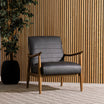
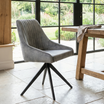
Spruce Accent Chair — Grey
How to Clean Fabric Occasional Chairs
Fabric chairs are popular because they bring softness, comfort and warmth to a room. Whether your chair is a neat side chair or a generous accent chair for reading, regular fabric care will help it look its best.
For general cleaning:
-
Remove loose cushions if possible.
-
Vacuum the seat, back, arms and seams using a soft brush attachment.
-
Pay extra attention to creases, buttons and piping where dust can gather.
-
Blot spills immediately with a clean, dry, absorbent cloth.
-
Avoid rubbing, as this can push liquid deeper into the fabric and disturb the pile.
For light marks, use a cloth slightly dampened with clean water, unless the care instructions advise otherwise. Work gently and avoid soaking the fabric. Too much moisture can leave water marks or affect the filling underneath.
If a stain remains, use an upholstery cleaner suitable for the fabric type, testing first on a hidden area. For delicate fabrics, pale colours or stubborn stains, professional upholstery cleaning is often the safest option.
Caring for Velvet and Textured Fabrics
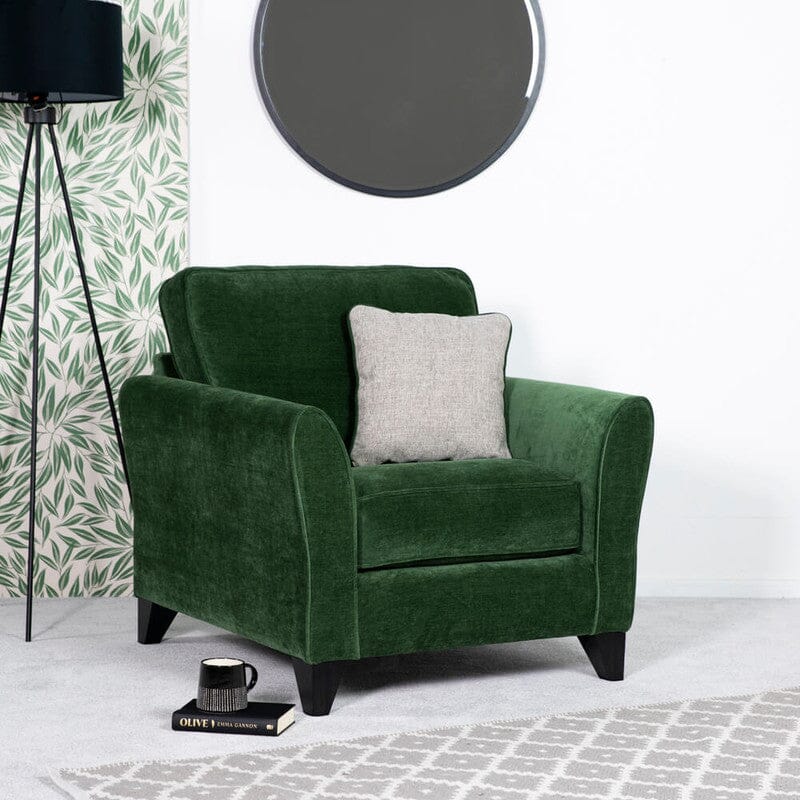
Velvet occasional chairs and textured accent chairs are beautiful choices for adding depth and luxury to a room. They can also need a little more care, especially where the pile catches the light.
To care for velvet:
-
Brush lightly with a soft upholstery brush in the direction of the pile.
-
Vacuum using low suction and a soft attachment.
-
Blot spills immediately and avoid heavy pressure.
-
Allow damp areas to dry naturally before gently brushing the pile back into place.
Velvet can develop natural shading or pressure marks through use. This is part of its character, but regular light brushing can help keep the surface looking even and inviting.
Leather and Faux Leather Care
Leather and faux leather occasional chairs are practical, elegant and easy to style. They work beautifully as a statement chair in a study, lounge or bedroom, especially when paired with warm lighting and natural textures.
For day-to-day care:
-
Wipe dust away with a soft, dry cloth.
-
Clean light marks with a slightly damp cloth.
-
Dry the surface afterwards with a clean towel.
-
Keep the chair away from direct sunlight and strong heat.
-
Avoid harsh chemicals, bleach, abrasive pads or household sprays.
Real leather may benefit from a suitable leather conditioner, but only use products recommended for that finish. Faux leather usually requires simpler care, so check the care instructions before applying any conditioner or treatment.
Looking After Wooden, Metal and Decorative Details
Many home decor chairs feature exposed frames, shaped legs, metal feet, carved arms or decorative studs. These details help give an occasional chair its personality, so they deserve attention too.
For wooden areas, dust regularly with a soft cloth. If the finish allows, use a suitable furniture polish sparingly, following the product guidance. Wipe up spills straight away to reduce the risk of water marks.
For metal legs or accents, use a dry or slightly damp cloth to remove dust and fingerprints. Dry immediately to prevent streaks or spotting. Avoid abrasive cleaners, as they may scratch or dull the finish.
If your chair has castors, glides or protective feet, check them occasionally. Replacing worn floor protectors can help prevent scratches on timber, laminate or tiled floors.
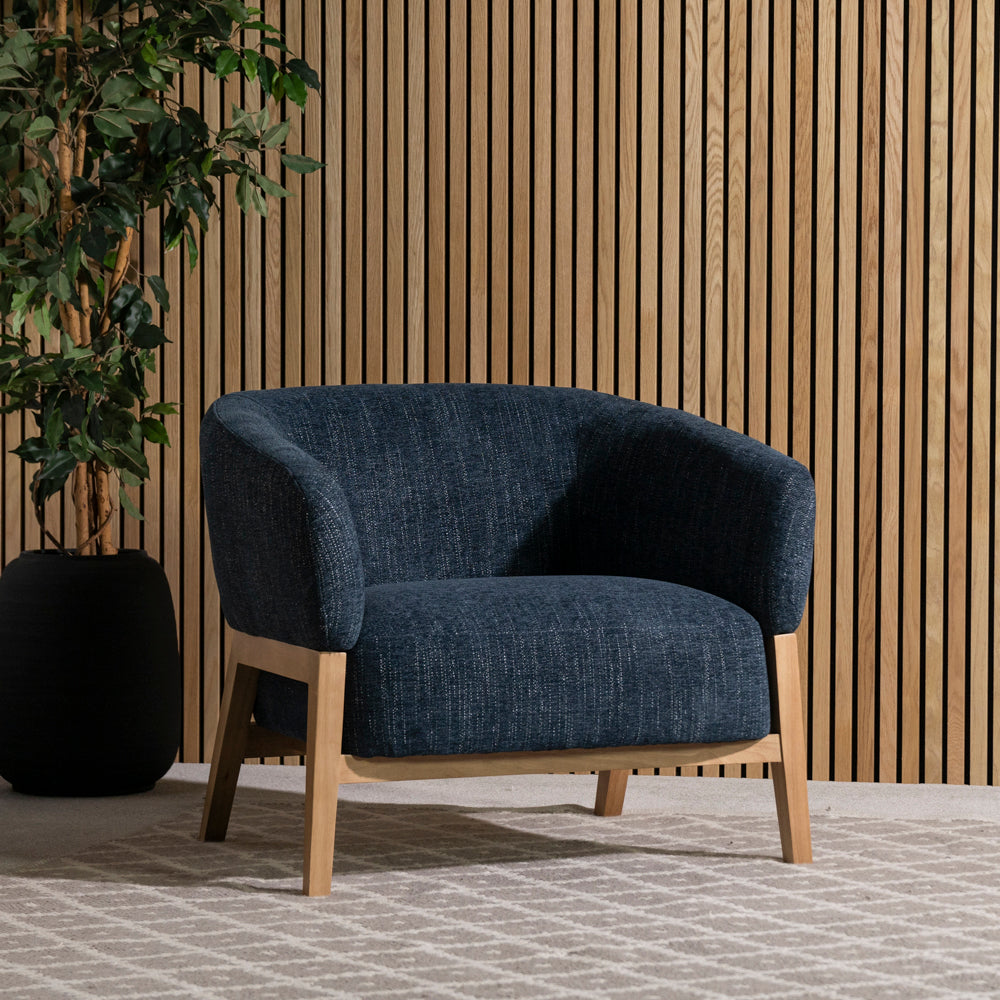
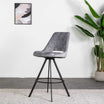
Palm Accent Chair — Blue
Cushion and Frame Maintenance Tips
A chair that looks good should feel good too. Over time, cushions can compress and frames can loosen slightly with normal use. Simple maintenance tips can help preserve comfort and support.
Every month or so:
-
Check that legs are secure and tighten fixings if appropriate.
-
Plump and reshape cushions gently by hand.
-
Turn reversible cushions to balance wear.
-
Check seams, buttons and trims for early signs of strain.
-
Make sure the chair sits evenly on the floor.
Try not to sit on the arms or perch heavily on the front edge of the seat, as this can put pressure on the frame and upholstery. Occasional chairs are designed for comfort and style, but using them as intended is the best way to extend their life.
Protecting Your Chair from Family Life
Homes are made to be lived in, and occasional chairs often sit right in the middle of busy family spaces. Pets, children, snacks, drinks and muddy paws can all play a part in everyday wear.
To protect your chair without spoiling its style, consider:
-
Adding a throw over the back or seat for relaxed protection.
-
Using fabric protector where suitable for the upholstery.
-
Keeping pens, food colouring and oily products away from pale fabrics.
-
Placing the chair where it will not be knocked by doors, bags or pushchairs.
-
Using a small side table nearby so drinks are not balanced on arms.
These small choices help preserve both practical comfort and design appeal.
Styling and Care Go Hand in Hand
Good placement is part of good care. A statement chair positioned in the right spot can become a natural focal point while avoiding unnecessary damage.
In a living room, place an accent chair close enough for conversation but not in a narrow walkway where it may be bumped. In a bedroom, a decorative chair near a window can look lovely, but consider whether strong sunlight could fade the fabric. In a hallway, choose a side chair that suits the space without blocking movement.
If you enjoy refreshing your interiors seasonally, occasional chairs are ideal. Swap cushions, throws or nearby accessories rather than moving the chair constantly. This keeps your room feeling new while reducing strain on the frame and flooring.
When to Seek Professional Help
Some cleaning jobs are best handled by a specialist. If your chair has a deep stain, delicate fabric, antique-style finish, structural wobble or damage to the upholstery, professional advice is the safest route.
It is also worth asking for guidance if you are unsure which cleaning product to use. A quick check can prevent accidental damage and give you confidence in your care routine.

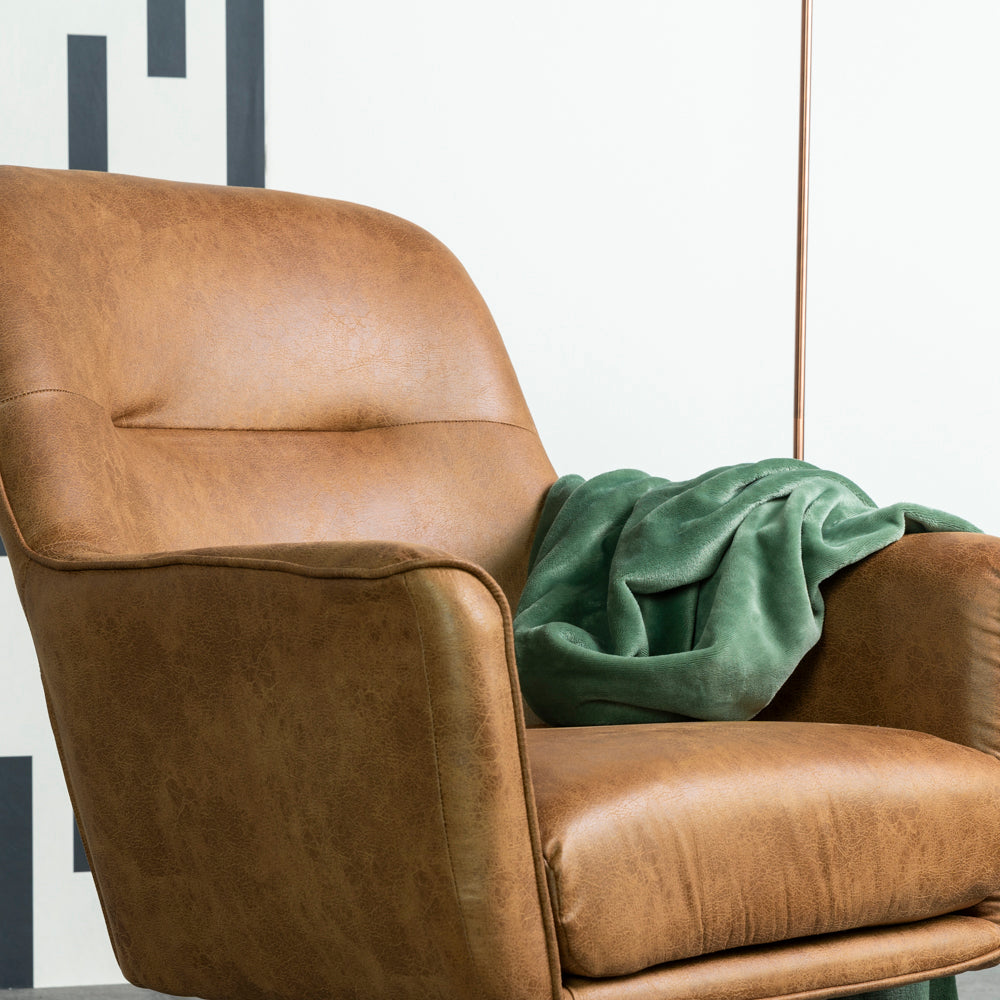
Felicia Tan Swivel Chair
A Simple Care Routine to Remember
For an easy occasional chairs care guide routine, think weekly, monthly and seasonally.
Weekly:
-
Lightly vacuum or dust.
-
Remove crumbs and pet hair.
-
Blot any fresh marks straight away.
Monthly:
-
Check legs, feet and fittings.
-
Plump cushions and smooth upholstery.
-
Wipe wooden or metal details.
Seasonally:
-
Review the chair’s position in relation to sunlight and heat.
-
Deep clean according to the care instructions.
-
Refresh throws or cushions to suit your room style.
With thoughtful care, your occasional chair can continue to bring comfort, character and charm to your home. Whether you are choosing a bold statement chair, a classic side chair or a soft accent chair for a quiet corner, FW Homestores is here to help with friendly, no-pressure advice in store at Barnstaple, Caerphilly, Cardiff and Newport, or online whenever you are ready to browse.


Leave a comment
This site is protected by hCaptcha and the hCaptcha Privacy Policy and Terms of Service apply.