
















































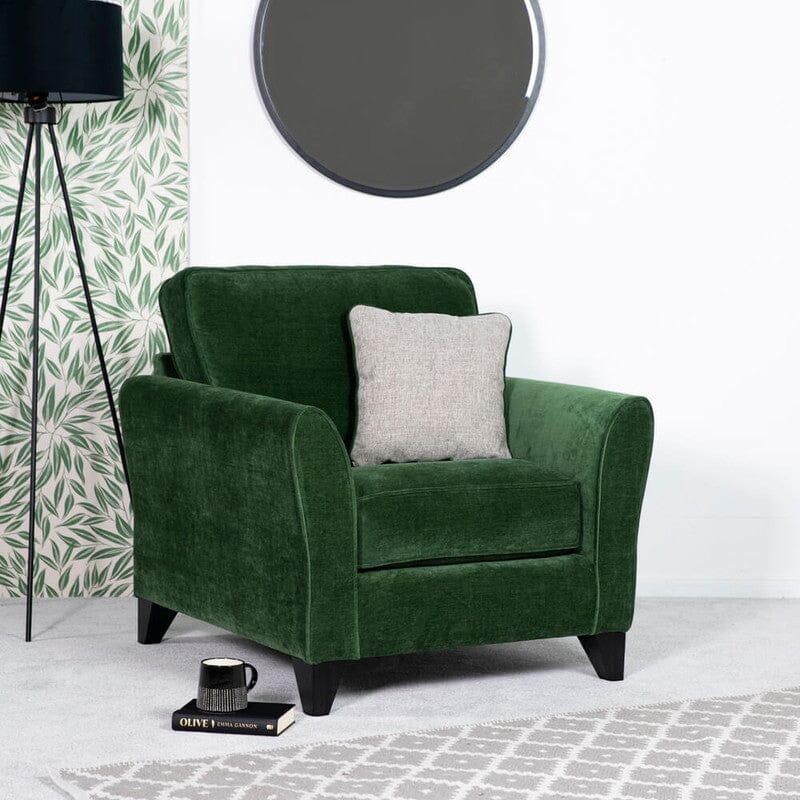
A fabric armchair is one of those pieces that quietly becomes part of everyday life. It is where you settle with a cup of tea, curl up with a book, perch for a chat, or add that final layer of colour and comfort to a living room, bedroom, or snug. With a little regular attention, your favourite soft armchair can stay looking inviting, feeling comfortable, and performing beautifully for years.
This fabric armchair care guide walks you through practical routine cleaning, simple stain treatment, and everyday maintenance tips to help protect your chair without making care feel complicated.
Why Fabric Armchair Care Matters
Fabric upholstery brings warmth, texture, and personality into a room. Whether you have chosen a cosy upholstered armchair for a reading corner or a statement accent armchair to complete your lounge scheme, the fabric surface naturally collects dust, crumbs, pet hair, and the occasional spill.
Good care does three important things:
-
Keeps the fabric looking fresher for longer by reducing dust build-up and dullness.
-
Helps protect fibres from wear in high-contact areas such as arms, seat cushions, and headrests.
-
Makes stains easier to manage because spills are treated before they settle deeply into the upholstery.
The key is consistency. A few small habits are often more effective than leaving everything until the chair looks tired.
Start With the Care Label
Before using any cleaning product or water on your fabric armchair, check the manufacturer’s care instructions. These are usually found on a label under the seat cushion, beneath the chair, or included with your delivery information.
Look for guidance on:
-
Whether the fabric can be cleaned with water-based products
-
Whether solvent-based cleaning is recommended
-
Whether professional upholstery cleaning is advised
-
Cushion cover removal instructions, if applicable
-
Any warnings about heat, bleach, steam, or machine washing
If you are unsure, test any cleaning method on a hidden area first, such as the back lower edge or beneath a cushion. Let it dry fully before deciding whether to continue.
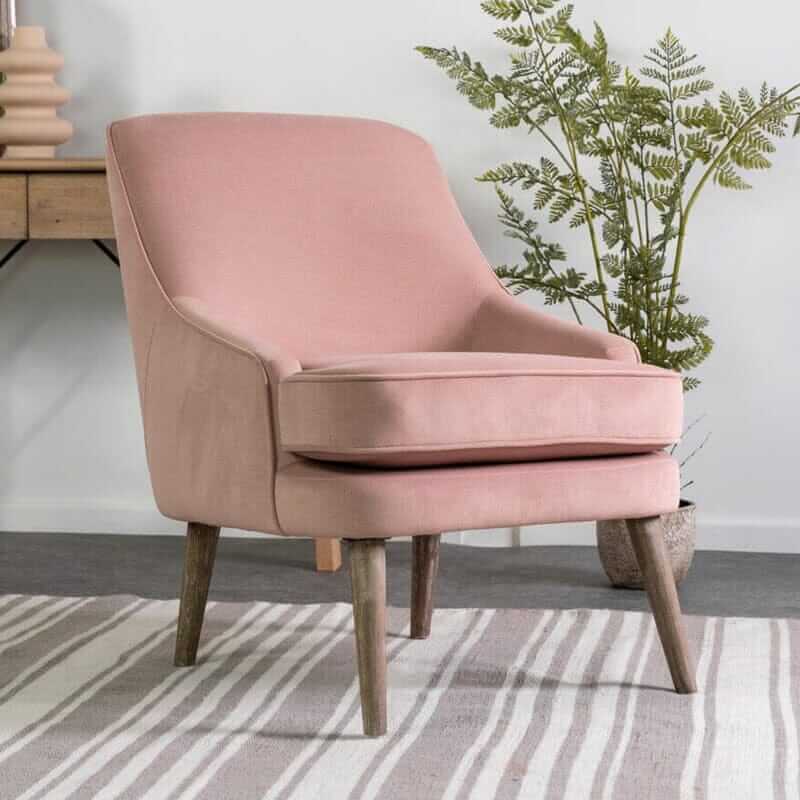
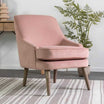
Eze Pink Occasional Chair
Weekly Routine Cleaning for Fabric Chairs
For everyday homes, a simple weekly routine is usually enough to keep a fabric armchair looking neat and comfortable.
1. Remove Loose Cushions and Throws
Take off any scatter cushions, seat cushions, blankets, or decorative throws. Shake them outdoors if suitable, then set them aside while you clean the chair.
This gives you better access to seams, creases, and the spaces where crumbs tend to hide.
2. Vacuum Gently
Use the upholstery attachment on your vacuum cleaner and work across the chair in sections. Use low suction if your vacuum allows, especially on delicate weaves, bouclé-style textures, velvet-touch fabrics, or raised patterns.
Focus on:
-
Seat cushions
-
Armrests
-
Back cushions
-
Seams and piping
-
Gaps between the seat and back
-
The lower outside panels where dust gathers
For cleaning fabric chairs with tufting, deep seams, or pleated details, use a soft brush attachment to lift dust without pulling at the fabric.
3. Brush Lightly if Needed
Some fabrics benefit from a gentle brush after vacuuming. Use a clean, soft upholstery brush or clothes brush and move in the direction of the weave or pile.
This can help revive texture on a well-loved fabric armchair and keep the surface from looking flattened. Avoid stiff brushes, as these may roughen fibres or cause pilling.
4. Plump and Rotate Cushions
If your upholstered armchair has loose or reversible cushions, plump them by hand and rotate them regularly. This helps distribute wear more evenly and keeps the seat feeling supportive.
For fixed cushions, smooth the fabric gently with your hands and avoid repeatedly sitting in exactly the same position if the chair is used daily.
Monthly Upholstery Care Tips
Once a month, give your armchair a more detailed check. Think of it as a little reset for both comfort and style.
Check for Early Signs of Wear
Look closely at the arms, cushion fronts, and headrest area. These places often show use first because they come into regular contact with hands, clothing, hair products, or natural skin oils.
If you notice slight flattening, pilling, or surface dust, address it early. A fabric shaver may be suitable for some materials, but always check care instructions first and test carefully.
Clean Under and Around the Chair
Dust and grit around furniture can transfer onto fabric, especially if the chair sits near a doorway, wood burner, or busy family area. Move the chair slightly if safe to do so, then vacuum underneath and around the legs.
This is especially useful for an accent armchair in a hallway, open-plan space, or reading nook where foot traffic may be higher.
Refresh the Room Layout
Direct sunlight can fade many fabrics over time. If your chair sits close to a bright window, consider rotating its position seasonally or using curtains and blinds during the sunniest hours.
You can also style your chair with a lightweight throw over the arm or back. It adds a soft, layered look while helping protect the areas that receive the most contact.
How to Clean Spills and Stains
Spills happen. The best approach is calm, quick, and gentle. Rubbing aggressively can push liquid deeper into the upholstery or disturb the fabric surface.
Step 1: Blot Immediately
Use a clean, dry, white cloth or plain kitchen towel to blot the spill. Press lightly and lift. Repeat with a dry section of cloth until no more liquid transfers.
Avoid coloured cloths, as dye may transfer onto pale upholstery.
Step 2: Remove Solids Carefully
For food spills, lift any solids with a spoon or blunt edge. Work from the outside of the mark towards the centre so you do not spread the stain.
Do not scrape harshly, especially on textured or woven fabrics.
Step 3: Check the Care Instructions
Before applying water or cleaner, check whether your fabric allows spot cleaning. If the care instructions recommend professional cleaning only, avoid experimenting with household products.
Step 4: Spot Test
Apply a small amount of your chosen cleaner or mild solution to a hidden area. Wait until dry and check for colour change, watermarking, shrinkage, or texture changes.
Step 5: Dab, Don’t Rub
If spot cleaning is suitable, dampen a clean white cloth with a small amount of upholstery-safe cleaner or a mild solution recommended by the manufacturer. Dab the stained area gently.
Use as little moisture as possible. Over-wetting can lead to watermarks, slow drying, or damage to internal fillings.
Step 6: Rinse Lightly if Required
If the product instructions say to rinse, use a separate cloth lightly dampened with clean water. Dab again to remove residue.
Then blot with a dry cloth to lift excess moisture.
Step 7: Let It Dry Naturally
Allow the area to air dry fully before using the chair. Keep the room ventilated, but do not use direct heat such as a hairdryer or place the chair next to a radiator, as heat may affect the fabric or filling.
Common Stain Treatment Guidance
Different stains call for slightly different care, but the same golden rule applies: act quickly and gently.
Tea, Coffee, and Soft Drinks
Blot as much liquid as possible straight away. If suitable for your upholstery, dab with a lightly damp cloth and an approved upholstery cleaner. Work slowly to avoid creating a larger damp patch.
Chocolate or Food Marks
Let sticky residue firm up slightly if needed, then lift it carefully with a spoon. Blot the remaining mark rather than rubbing. For oily food stains, professional advice may be best, especially on pale or delicate fabrics.
Mud
Let mud dry completely before cleaning. Once dry, gently vacuum or brush away loose dirt, then spot clean only if the care label allows
Pet Marks
Remove loose hair with a vacuum upholstery tool or lint roller. For accidents or odours, use a fabric-safe cleaner designed for upholstery and follow the label carefully. Avoid soaking the chair, as moisture can travel into the cushioning.
Ink, Grease, or Unknown Stains
These can be tricky. If in doubt, stop and contact a professional upholstery cleaner. Using the wrong product can set the stain or alter the fabric.
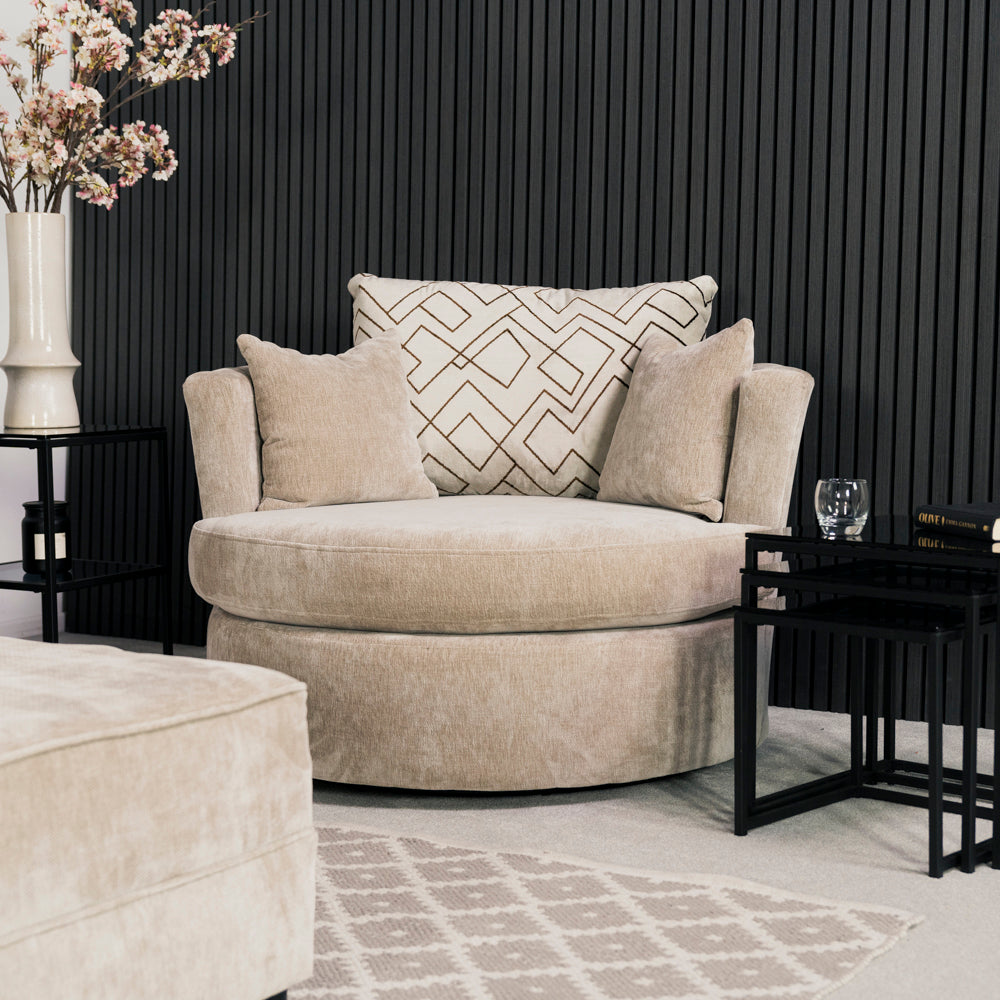
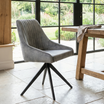
Fawn Swivel Chair
How to Protect a Fabric Armchair Day to Day
A beautiful chair should be enjoyed, not treated like a museum piece. Still, a few thoughtful habits can help protect your investment.
-
Keep food and drink on a side table rather than balanced on the chair arm.
-
Use throws in high-use family areas for added protection and easy seasonal styling.
-
Keep pets’ claws trimmed to reduce snagging on woven upholstery.
-
Avoid sitting on the arms as this may affect the frame, padding, and fabric tension.
-
Position away from strong sunlight where possible to reduce fading.
-
Leave space around the chair so fabric does not rub against walls, radiators, or other furniture.
-
Use a lint roller between vacuuming if you have pets or darker fabrics that show fibres.
If you have chosen a pale fabric armchair, these steps are especially useful. Lighter upholstery can look wonderfully fresh and elegant, but it may show everyday marks more readily than darker shades or patterned fabrics.
Caring for Different Fabric Looks
Fabric armchairs come in many finishes, and each brings its own personality to a room.
Smooth Weaves
Smooth woven fabrics are versatile, timeless, and easy to style with patterned cushions or textured throws. Vacuum regularly to prevent dust from settling into the weave.
Velvet-Look Fabrics
Velvet-style upholstery has a soft sheen and a luxurious feel. Brush gently in the direction of the pile and avoid heavy pressure when spot cleaning. Changes in pile direction can make the fabric appear shaded, which is often part of its natural character.
Bouclé and Textured Fabrics
Textured fabrics add depth and a designer feel, especially on a sculptural accent armchair. Use gentle vacuuming and avoid pulling loops or threads. If you spot a snag, do not cut it without checking the best repair method for the fabric.
Patterned Upholstery
Patterned chairs are excellent for adding charm and disguising minor everyday marks. Vacuum along seams and edges where dust can gather and use plain, clean cloths when treating stains to avoid colour transfer.
Styling Tips That Support Better Care
Good styling can make your armchair both more beautiful and easier to look after.
Place a fabric armchair where it has enough breathing room. This helps it feel intentional in the space and prevents unnecessary rubbing against other surfaces. A side table nearby gives you somewhere safe for mugs, glasses, books, and remote controls.
Layer with cushions that complement the chair without overcrowding it. Too many accessories can compress cushions or encourage items to be pushed into the arms and back. One cushion and a throw is often enough for a soft armchair in a cosy corner.
In busy households, choose throws that are easy to remove and clean. They can be changed with the seasons too: lighter linens and cottons in warmer months, cosier knits and velvety textures when the evenings draw in.
When to Choose Professional Cleaning
Routine care and spot treatment are helpful, but some situations call for a specialist.
Consider professional upholstery cleaning if:
-
The care label recommends it
-
The chair has widespread staining
-
A spill has soaked deeply into the cushion
-
The fabric is delicate, pale, or textured
-
There are strong odours that do not lift with airing
-
You are dealing with ink, grease, dye transfer, or old stains
Professional cleaning can also be a good option as part of a longer-term maintenance plan, especially for a favourite chair in a high-use living space.
Simple Care Routine to Remember
If you want an easy rhythm, follow this routine:
-
Weekly: Vacuum gently, remove crumbs, and plump cushions.
-
Monthly: Check for wear, clean around the chair, and rotate cushions if possible.
-
As needed: Blot spills immediately and treat stains according to the care instructions.
-
Seasonally: Review placement, protect from sunlight, and refresh throws or cushions.
-
Occasionally: Arrange professional cleaning when the fabric needs a deeper reset.
Final Thoughts
A well-chosen upholstered armchair brings comfort, character, and a lovely sense of welcome to your home. With regular cleaning, careful stain treatment, and a few smart styling choices, it can remain a favourite seat through morning coffees, quiet evenings, family gatherings, and everything in between.
Follow these fabric armchair care guide steps little and often, and your chair will reward you with lasting comfort, colour, and style.

Leave a comment
This site is protected by hCaptcha and the hCaptcha Privacy Policy and Terms of Service apply.