
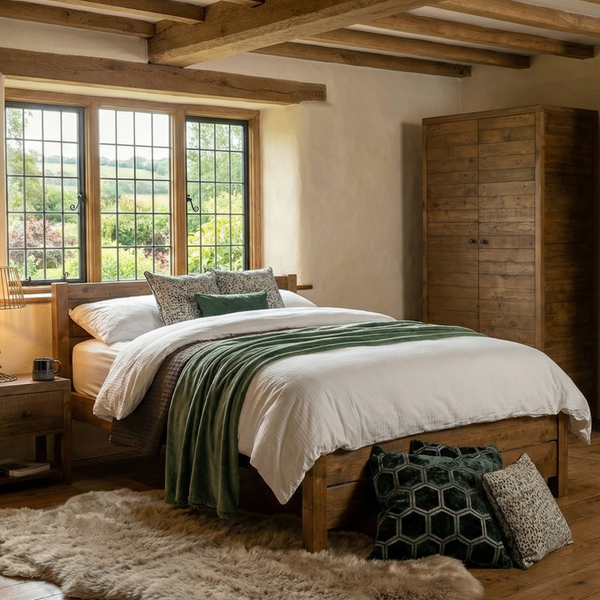



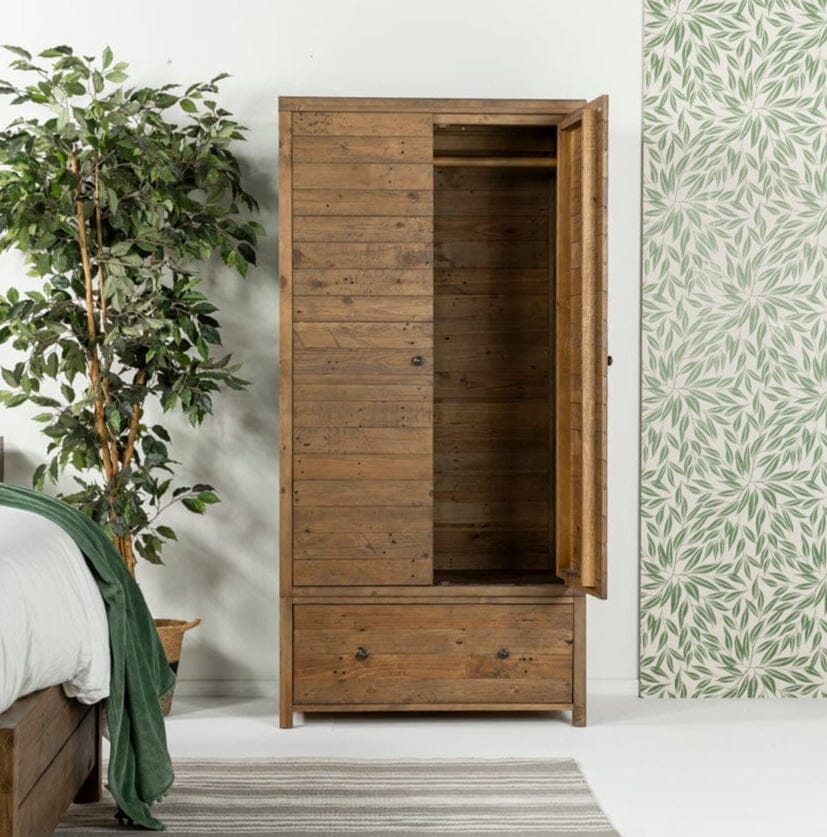
Choosing the right wardrobe is one of the most impactful decisions you can make for your bedroom. Whether you're furnishing a new home, upgrading a tired bedroom, or simply looking to reclaim some much-needed storage space, the right wardrobe can transform both the look and function of your room. With so many styles, sizes, and systems available in 2026, it pays to know exactly what you're looking for before you buy.
This guide from FW Homestores walks you through everything — from wardrobe storage solutions and modular systems to space planning and built-in designs — so you can shop with confidence.
Understanding Wardrobe Storage Solutions
Types of Storage Solutions
Not all wardrobes are created equal, and the internal layout matters just as much as the exterior style. The most common wardrobe storage solutions include single hanging rails (ideal for dresses and coats), double hanging rails (perfect for shirts and jackets), shelving units, drawers, and shoe racks. Many modern wardrobes combine several of these elements to offer a truly versatile storage experience.
When browsing options, think carefully about your wardrobe. Do you own more folded knitwear than hanging garments? Do you have a large shoe collection? Your lifestyle should dictate the configuration you choose, rather than the other way around.
Maximising Efficiency
To get the very best from your wardrobe storage, avoid the common mistake of choosing a wardrobe based solely on its external dimensions. A tall wardrobe with a single hanging rail and no shelving wastes a significant amount of vertical space. Look for designs that make use of every inch — top shelves for seasonal items, deeper drawers for bulky jumpers, and dedicated sections for accessories such as belts, ties, or handbags.
Vacuum storage bags are a brilliant addition for storing seasonal clothing, helping you free up valuable hanging space during summer or winter months.
Modular Wardrobe Systems
 Benefits of Modular Designs
The key advantage is flexibility. As your storage needs evolve over time, you can add, remove, or rearrange modules without having to replace the entire wardrobe. This makes modular systems a cost-effective long-term investment, particularly for growing families or those who frequently redecorate.
Customisation Options
For smaller bedrooms, consider floor-to-ceiling modular units that draw the eye upward and maximise storage without eating into floor space.
Wardrobe Space Planning
 Measuring Your Space
Measure the width, height, and depth of the area where your wardrobe will sit. Take note of any obstacles such as light switches, skirting boards, radiators, or sloping ceilings. As a general rule, standard freestanding wardrobes are around 45–60 cm deep, while sliding door wardrobes tend to be slightly deeper at 60–65 cm.
Don't forget to measure the doorways and corridors the wardrobe will need to pass through during delivery — a surprisingly common oversight.
Designing for Functionality
Consider traffic flow within the bedroom and ensure the wardrobe placement doesn't obstruct natural movement or access to other furniture. Ideally, you should have at least 90 cm of clearance in front of the wardrobe for comfortable use.
Wardrobe Organisation Tips
Best Practices for Organising Clothes
Fold knitwear and heavier fabrics rather than hanging them, as hanging can cause these items to stretch over time. Shirts and blouses benefit from being hung on quality wooden or velvet hangers that maintain their shape.
Regularly decluttering your wardrobe — ideally every season — prevents overcrowding and keeps your storage system functioning efficiently.
Accessories for Better Organisation
Slimline velvet hangers are a simple upgrade that can dramatically increase hanging capacity by reducing the space each item takes up. Over-door hooks are ideal for dressing gowns, scarves, or tomorrow's outfit.
Built-in Wardrobe Designs

Pros and Cons of Built-in Options
On the downside, built-in wardrobes are a more permanent and typically more expensive option. They require professional installation and cannot be taken with you if you move house. Planning permission is generally not required, but it's always worth checking if you live in a listed building or conservation area.
Inspiration for Built-in Designs
For a more luxurious feel, consider interior lighting within your built-in wardrobe. LED strip lighting fitted to shelves and hanging rails not only looks stunning but also makes it far easier to find what you're looking for in low-light conditions.
Explore Wooden Wardrobes at FW Homestores

Sliding Wardrobes : What to Look For

Features of Sliding Doors
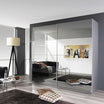
Panel materials range from mirrored glass and frosted glass to wood-effect and fabric finishes. Mirrored panels are especially practical, eliminating the need for a separate full-length mirror in the room.
Installation Tips
For larger or heavier door systems, professional installation is strongly recommended to ensure the doors hang correctly and operate safely. Many UK retailers offer installation services for an additional fee.
Browse the full range of wardrobes at FW Homestores and find the perfect storage solution for your home.
FAQs on Wardrobes Buying Guide
For a double bedroom, a wardrobe between 120 cm and 180 cm wide is usually sufficient for two people sharing. Single bedrooms typically suit wardrobes between 60 cm and 100 cm wide. Always measure your available wall space and allow for door clearance before purchasing.
Q2: Are modular wardrobes better than freestanding ones?
Modular wardrobe systems offer greater flexibility and customisation, making them ideal if your storage needs are likely to change over time. Freestanding wardrobes, however, are more affordable and easier to move, making them a practical choice for renters or those on a tighter budget.
Q3: How deep should a wardrobe be to hang clothes properly?
A minimum internal depth of 50–55 cm is recommended for hanging clothes on a standard rail. Sliding door wardrobes are typically 60–65 cm deep to accommodate both the door mechanism and the hanging space.
Q4: Can I install a built-in wardrobe myself, or do I need a professional?
Flat-pack fitted wardrobes can often be assembled by a competent DIYer with basic tools and patience. However, fully bespoke built-in wardrobes involving carpentry, cutting to fit, and complex configurations are best left to a professional to ensure a high-quality, safe result.
Q5: What is the best wardrobe material for durability?
Solid wood and high-quality MDF with a hardwearing finish are the most durable options for UK homes. Solid wood ages beautifully but requires occasional maintenance. MDF is more resistant to humidity fluctuations, making it a reliable choice for bedrooms in older properties where temperature and moisture levels can vary.

Leave a comment
This site is protected by hCaptcha and the hCaptcha Privacy Policy and Terms of Service apply.