














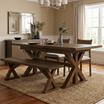




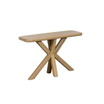




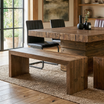
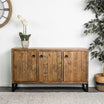

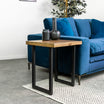

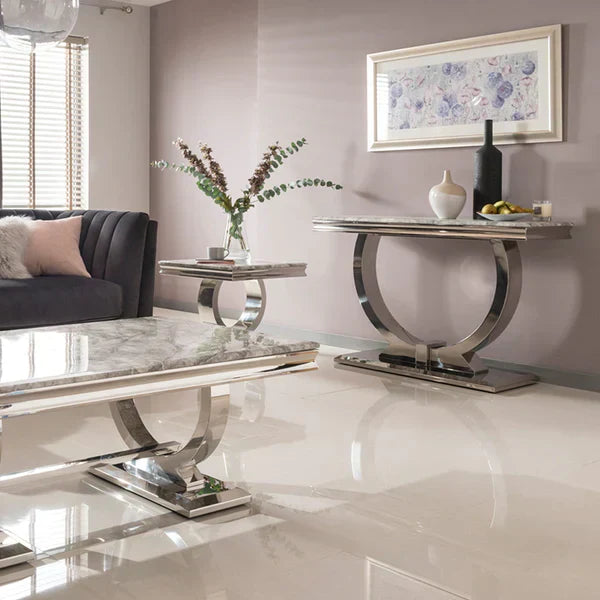
Whether you're furnishing a hallway for the first time or refreshing your living room layout, a console table is one of those wonderfully versatile pieces that can completely transform a space. Slim, stylish, and surprisingly functional, console tables punch well above their weight in terms of impact. But with so many styles, sizes, and finishes available, knowing where to start can feel overwhelming. This guide from FW Homestores walks you through everything you need to make a confident, well-informed choice.
Understanding Console Tables
What is a Console Table?
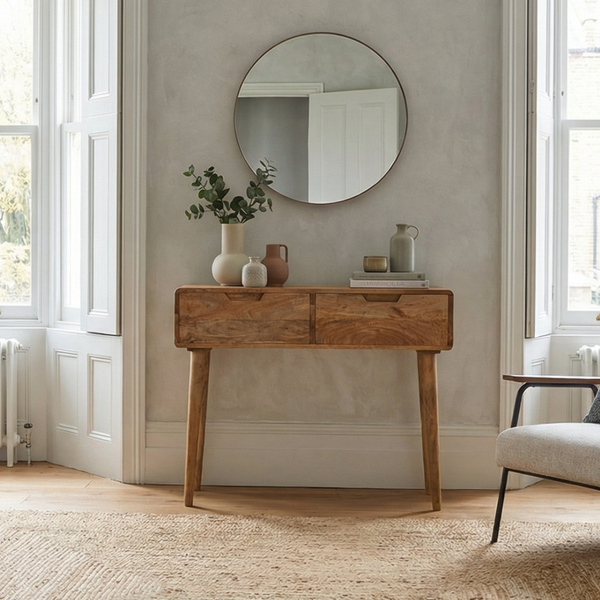
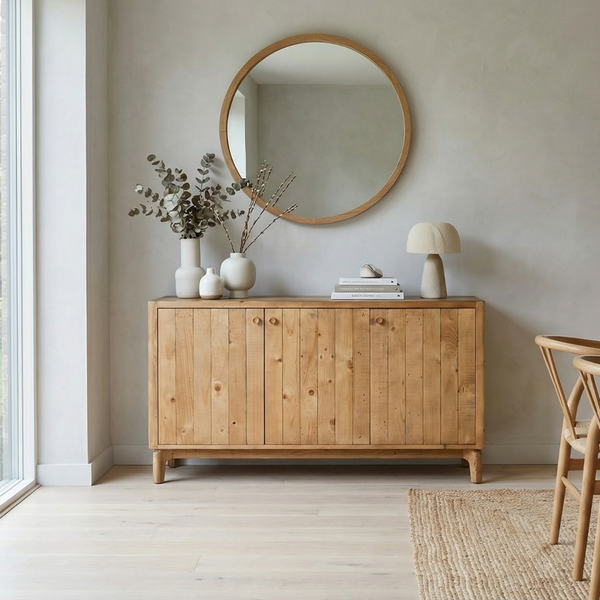
A console table is a narrow, typically rectangular table designed to sit flush against a wall. Unlike a dining or coffee table, it's not meant to be accessed from all sides — instead, it works as a surface for display, storage, or practical everyday use. Historically, console tables were fixed directly to the wall (hence the name), but today's designs are freestanding and far more flexible.
You'll find them used in hallways, living rooms, dining rooms, and even bedrooms. They're equally at home holding a lamp and a vase of fresh flowers as they are organising keys, post, and bags near your front door.
Console Table Dimensions and Height
Getting the sizing right is crucial. A console table that's too tall will feel imposing; one that's too short will look lost.
Standard console table dimensions:
- Height: 75–90 cm (most sit at around 80 cm, roughly in line with a standard worktop)
- Width: 90–150 cm is most common, though wider options exist
- Depth: Typically 25–40 cm — deep enough to be useful, shallow enough not to block passageways
For hallways in particular, depth matters most. A depth of 30 cm or less is recommended for narrow entrance spaces to ensure there's comfortable clearance for movement. Always measure your wall space and leave at least 60–90 cm of walking room in front of the table.
Common Styles of Console Tables
Modern Console Tables

Modern console tables lean into clean lines, minimal ornamentation, and a sense of openness. Materials such as powder-coated metal frames, glass tops, and light wood finishes are popular choices. If your home follows a contemporary aesthetic — think neutral tones, uncluttered spaces, and functional design — a modern console table will slot in seamlessly. Look for geometric legs, monochromatic finishes, and sleek hardware.
Console Tables for Hallways
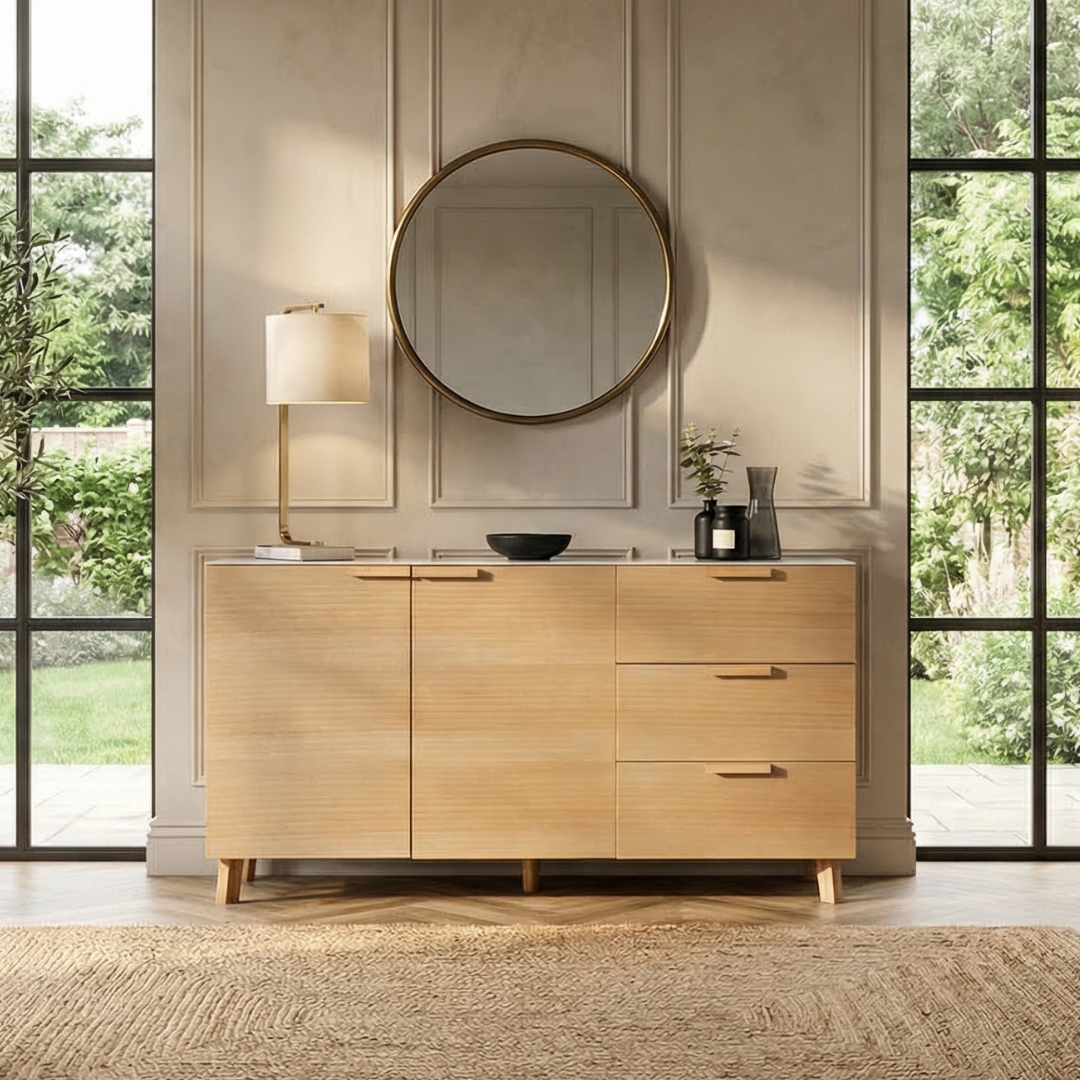
 The hallway is the most popular placement for a console table in UK homes, and for good reason. It's the first thing guests see and the last thing you pass on your way out. A hallway console table should be practical as well as welcoming — consider one with a drawer or shelf below for keys, letters, and everyday essentials. Pair it with a mirror above to bounce light around smaller hallways, and add a hook rail nearby if wall space allows.
Narrow Console Tables

For tighter spaces, narrow console tables — those with a depth of 25 cm or less — are a brilliant solution. They provide all the surface area and visual presence of a larger piece without eating into your floor space. Many narrow designs are crafted with this challenge in mind, offering tiered shelving or slimline drawers to compensate for reduced surface depth.
Choosing the Right Console Table
How to Choose a Console Table
The right console table depends on three main questions:
Where will it go? How will you use it? And what style suits your home? Answer these before browsing and you'll quickly narrow down your options to those that genuinely work for your space.
Factors to Consider
Size and Space Requirements
Measure twice, buy once. Before purchasing, note the width of the wall, the room's depth, and the height of surrounding features (skirting boards, light switches, nearby furniture). A general rule of thumb is that the console table should take up no more than two-thirds of the wall it sits against — this creates a balanced, proportionate look rather than a crowded one.
Style Preferences
Console tables come in a broad range of aesthetic directions:
- Traditional and classic — think carved wooden legs, warm oak or mahogany finishes, and ornate detailing
- Industrial — raw metal frames paired with reclaimed wood tops
- Scandi-inspired — pale woods, tapered legs, and a pared-back feel
- Glam and contemporary — mirrored surfaces, brass accents, and bold shapes
Consider the existing furniture in the room and aim for something that either matches or deliberately contrasts for effect. Mixing a modern table with more traditional surrounding pieces can create an intentional, layered look.
Material Choices
Wood remains the most popular material for console tables in the UK — it's durable, timeless, and available across all price points. Solid wood (oak, pine, walnut) tends to be more robust and longer-lasting, while MDF with a wood veneer is a more affordable option that still looks the part.
Metal-framed tables offer a lighter, airier feel and work well in modern or industrial interiors. Glass-topped designs can make a small space feel more open, though they require more regular cleaning. Rattan and wicker options have surged in popularity recently as part of the broader natural materials trend.
Console Table Decor Ideas

Importance of Storage
Types of Storage Features
- Drawers — ideal for small items like keys, cables, and stationery; look for smooth-running runners and adequate depth
- Lower shelves — open shelving beneath the tabletop is perfect for baskets, books, or decorative objects
- Cabinets with doors — less common but available, these hide away clutter entirely for a streamlined finish
- Hooks and rails — some hallway-specific designs include integrated hook rails on the side or back panel
Best Console Tables for Small Spaces
Wall-mounted console tables (fixed directly to the wall with no legs) are another excellent option for truly tight spots — they free up floor space entirely and can be positioned at exactly the right height for your needs.
Conclusion
FAQs on Console Tables Buying Guide
Most console tables sit between 75 and 90 cm tall, with 80 cm being the most common height. This aligns with standard worktop height and feels natural to use whilst standing.
2. How deep should a console table be for a hallway?
For hallways, a depth of 25–35 cm is generally recommended. This is shallow enough to allow clear movement whilst still providing a useful surface.
3. Can a console table be used as a TV unit?
Yes, in some cases — particularly wider, lower console tables. However, ensure the height is suitable for comfortable viewing and that there's adequate space for cables and equipment.
4. What's the difference between a console table and a sofa table?
The terms are often used interchangeably, but a sofa table is typically placed directly behind a sofa, whereas a console table is usually positioned against a wall. Sofa tables tend to be slightly wider and lower.
5. How do I style a console table to make a hallway look bigger?
Choose a narrow design with open legs to keep the visual footprint light. Hang a large mirror above it to reflect light, keep the surface styling minimal, and use a table lamp to add warmth without clutter.

Leave a comment
This site is protected by hCaptcha and the hCaptcha Privacy Policy and Terms of Service apply.