
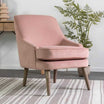
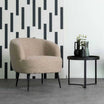
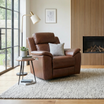










Choosing a 2 seater sofa should feel exciting, not like a maths exam with scatter cushions. But before you fall for a fabric, a silhouette or the perfect shade of grey, there is one practical step that makes all the difference: measuring your space properly.
A two seater can be a brilliant choice for snug living rooms, reading corners, apartments, bay windows, guest rooms and open-plan spaces where you want comfort without overwhelming the room. The trick is knowing not only the sofa’s width, but also its depth, height, access route and the breathing space it needs around it.
This guide walks you through the essentials, from typical two seater dimensions to a simple sofa fitting guide you can use at home before you buy.
Why size matters when choosing a two seater sofa
A sofa can look beautifully balanced in a showroom or online photograph, then feel unexpectedly large once it arrives in your home. That is because sofa sizing is about more than the number of seats.
The right sofa should:
-
Fit comfortably through doors, hallways and staircases
-
Sit in proportion with the room
-
Leave enough space to walk around it
-
Work with your coffee table, TV unit, side tables and existing furniture
-
Offer enough seat depth and back support for the way you relax
-
Avoid making a compact room feel crowded
For smaller homes, thoughtful measuring is especially important. Good small space seating does not mean choosing the tiniest sofa available. It means choosing a piece that gives you proper comfort while keeping the room easy to live in.
Typical two seater dimensions explained
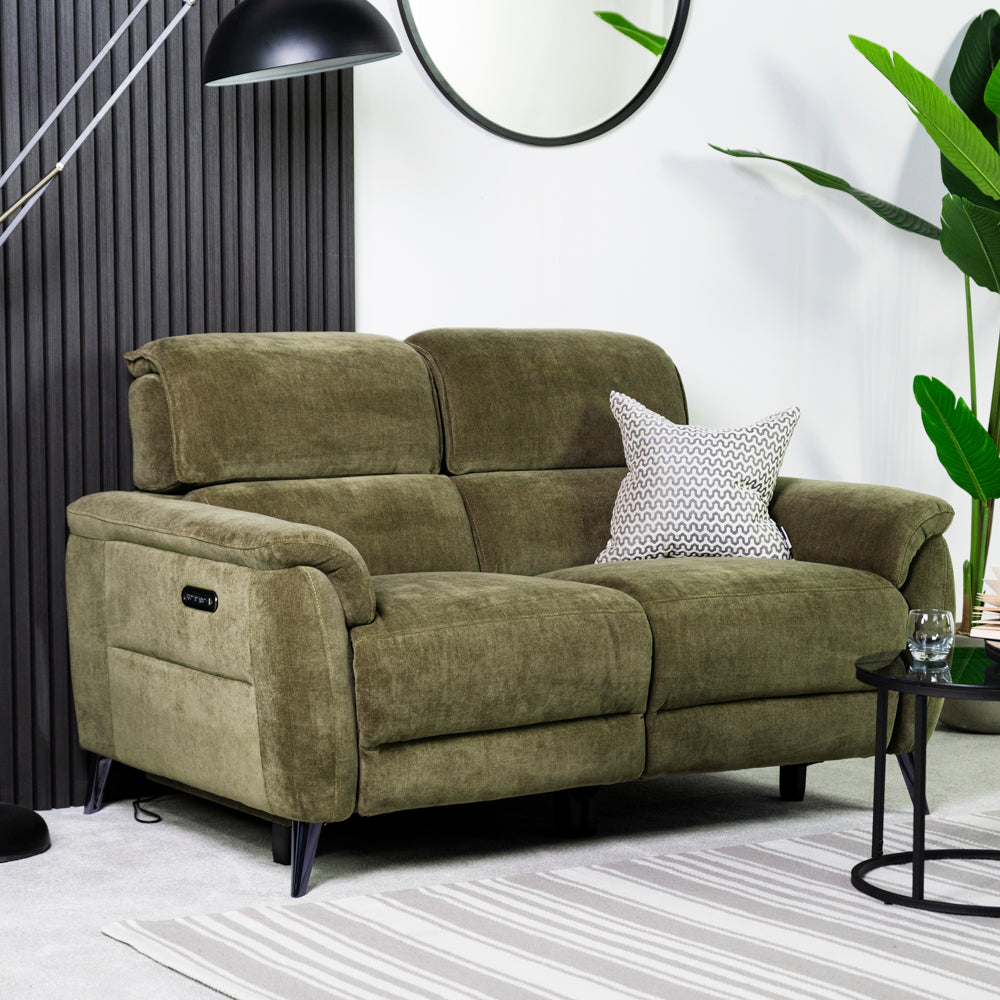
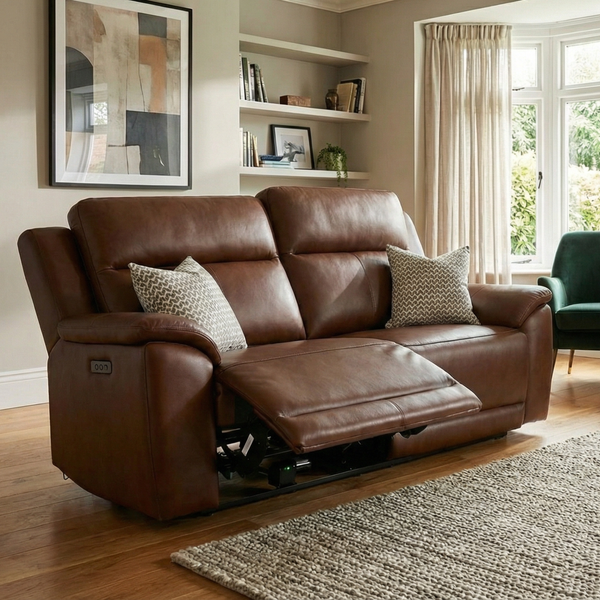
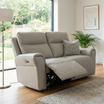
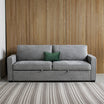
Wesley 2 Seater Power Fabric Recliner Sofa
Two seater dimensions can vary depending on the design. A slim, contemporary sofa may be compact and neat, while a deep, cushioned sofa with wide arms may take up more room even though it still seats two people.
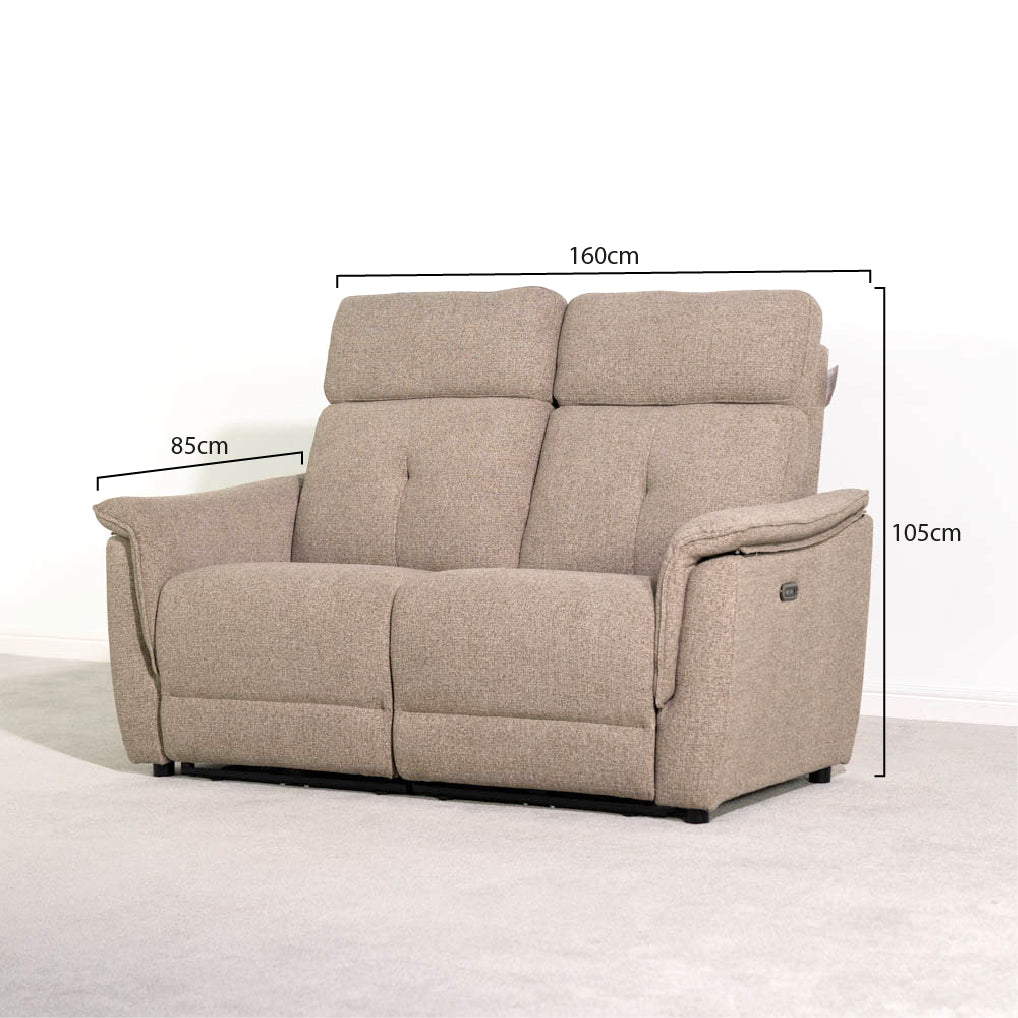
As a general guide, many two seater sofas sit somewhere within these approximate measurements:
-
Width: around 140cm to 190cm
-
Depth: around 80cm to 105cm
-
Height: around 75cm to 100cm
-
Seat height: often around 40cm to 50cm
-
Seat depth: often around 50cm to 65cm
These are not fixed rules, but they are a helpful starting point for a couch size guide. Always check the product measurements for the exact sofa you are considering, including the total width from outer arm to outer arm.
What each measurement means
Width is the full measurement across the front of the sofa, including both arms. This is usually the first number people check, and it is essential if you are placing the sofa along a wall or between two features such as alcoves.
Depth is the measurement from the very front of the sofa to the very back. This matters more than many people expect. A deep sofa can be wonderfully comfortable, but it may reduce walkway space in a smaller living room.
Height is the distance from floor to the highest point, often the top of the back cushion or frame. This is useful if the sofa will sit beneath a window, sloped ceiling or wall shelf.
Seat height affects how easy the sofa is to sit down on and stand up from. A lower sofa can create a relaxed, modern look, while a slightly higher seat may feel more supportive for everyday family use.
Seat depth affects lounging comfort. A deeper seat is lovely for curling up, while a shallower seat can be better for upright sitting and conversation.
A simple sofa size chart for planning
Use this sofa size chart as a practical guide when thinking about where a two seater might work best.
-
Compact two seater: Usually best for flats, bedrooms, studies, smaller lounges or occasional seating areas. Look for narrower arms, raised legs and a tidy profile.
-
Standard two seater: A versatile option for most living rooms, especially where you want everyday comfort without the footprint of a three seater sofa.
-
Large two seater or loveseat style: Ideal if you like a more generous sit, have a little more floor space, or want a cosy sofa for two people to lounge on comfortably.
When comparing options, remember that two sofas with the same width can feel very different. Slim arms create more usable seating space, while wide scroll arms or chunky cushions add presence and comfort but increase the overall footprint.
Step-by-step sofa fitting guide
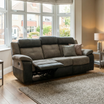
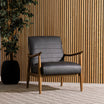
Maximo 3 & 2 Seater Power Recliner Package Deal
Before you order, take a tape measure and give yourself ten quiet minutes in the room. This sofa fitting guide will help you avoid the most common measuring mistakes.
1. Measure the room
Start with the basics. Measure the length and width of the room, then note where the doors, windows, radiators, fireplaces, plug sockets and built-in storage are.
Pay attention to anything that affects how the sofa will sit, such as:
-
A radiator behind the planned position
-
Curtains that need room to hang freely
-
A door that swings inward
-
Low window sills
-
Skirting boards or picture rails
-
Uneven alcoves in older homes
In British homes, especially character properties, walls and corners are not always perfectly square. Measuring in more than one place can save frustration later.
2. Mark out the sofa footprint
Once you have the sofa’s width and depth, mark that footprint on the floor. You can use masking tape, newspaper, cardboard or even cushions.
This is one of the simplest and most useful steps. It lets you see how much room the sofa will really take up, rather than imagining it from a product photo.
Walk around the marked area and ask:
-
Can you move through the room comfortably?
-
Does the sofa block a doorway or cupboard?
-
Is there enough space for a coffee table?
-
Can people still sit and chat easily?
-
Does the room still feel open and welcoming?
If the taped outline feels too dominant, consider a more compact design, slimmer arms or a different layout.
3. Allow space around the sofa
A sofa should not feel wedged into place. Even in a smaller room, a little breathing space helps everything feel more considered.
As a useful rule of thumb:
-
Leave enough walking space in main routes through the room
-
Keep a comfortable gap between the sofa and coffee table
-
Allow side tables to sit within easy reach without crowding the arms
-
Avoid pressing the sofa tightly against radiators or heat sources
-
Give reclining or motion furniture extra room to operate, if applicable
If you are planning small space seating, raised legs can make a sofa feel lighter because more floor is visible underneath. Pale fabrics, neat arms and simple silhouettes can also help a compact room feel calmer.
4. Check the viewing distance
If your two seater will face a television, think about how far away it will sit. A very deep sofa may push you closer to the screen than expected, especially in narrow rooms.
You do not need to follow strict cinema-style rules, but you do want the arrangement to feel comfortable for everyday viewing. Sit in the planned position, look toward the TV wall and check whether the angle feels natural.
5. Measure the delivery route
This is the step that is easiest to forget. Your sofa needs to fit not just in the room, but all the way to the room.
Measure:
-
Front and back door widths
-
Hallway widths
-
Tight turns
-
Staircase width and height clearance
-
Landings
-
Internal doorways
-
Porch areas
-
Lift dimensions if you live in an apartment
Also check whether legs can be removed, whether cushions are loose, and whether the sofa arrives in one piece or sections. If you are unsure, speak to the retailer before ordering. A friendly conversation can often prevent a tricky delivery day.
How to choose the right two seater for your room shape
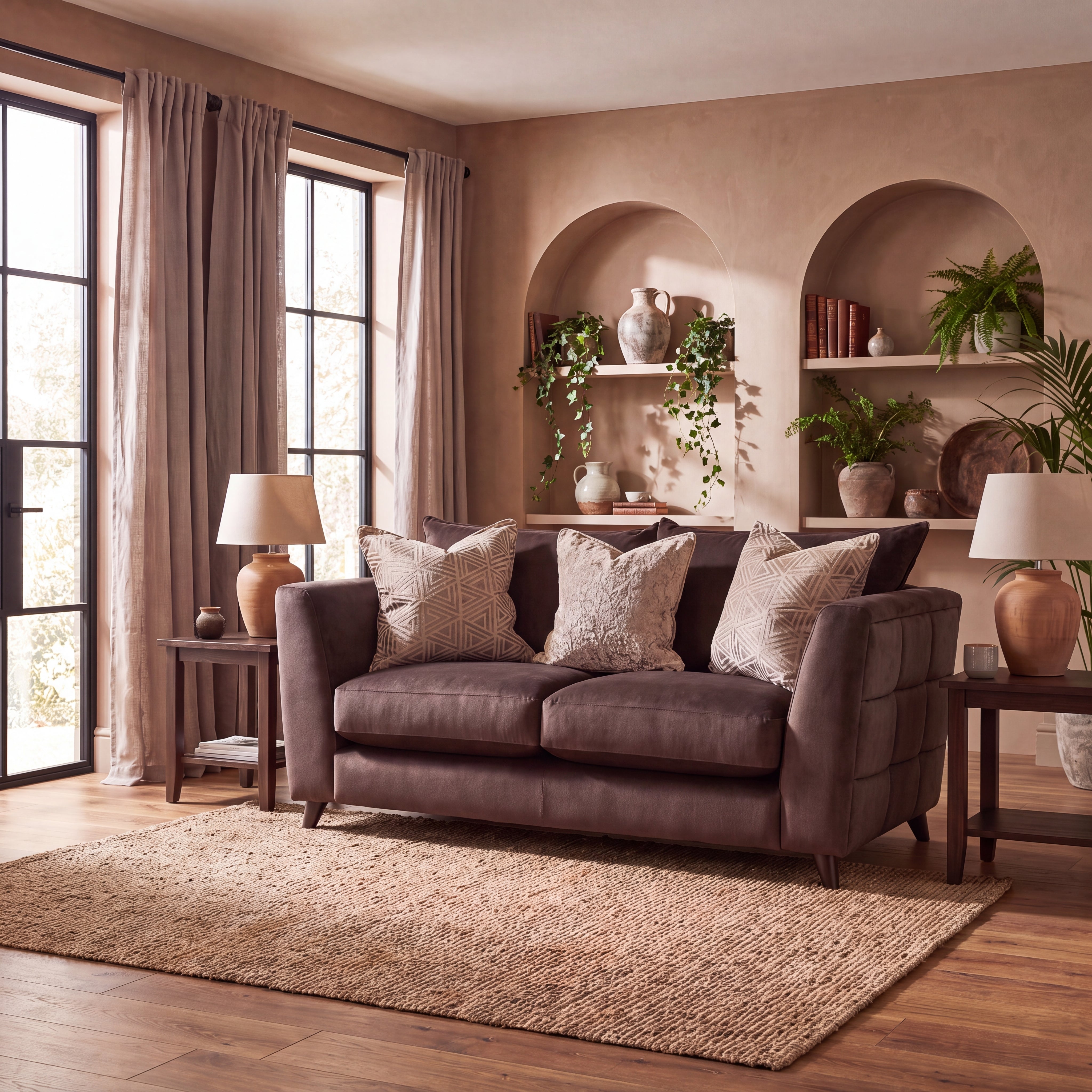
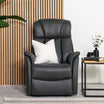
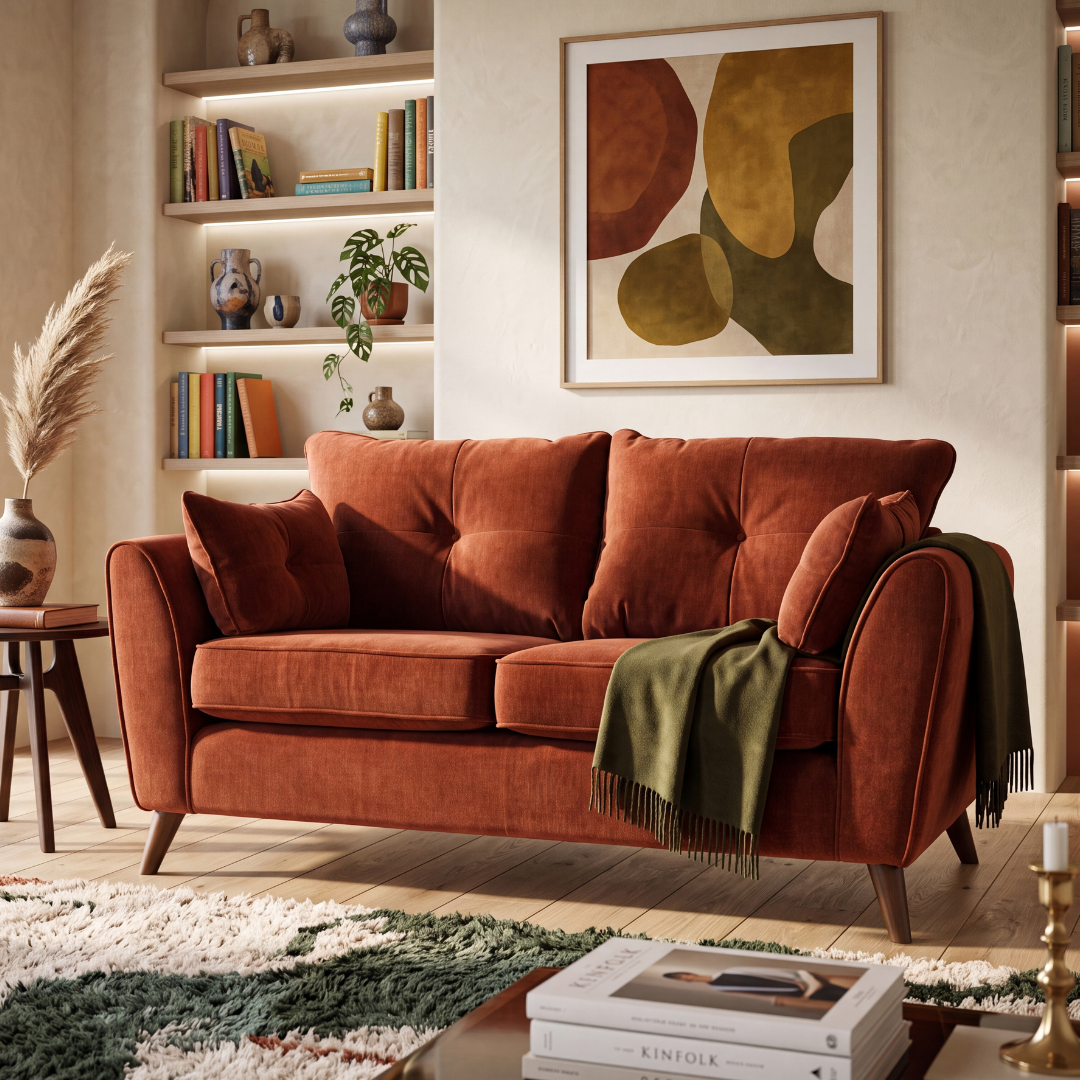
Matlow 2 Seater Sofa
Different rooms call for different sofa styles. Once you know your measurements, think about the shape and flow of the space.
Narrow living rooms
In a narrow room, depth is often more important than width. Choose a two seater with a slimmer profile so there is still space to walk past. Sofas with narrow arms, raised legs and a straighter back can work beautifully.
Avoid very deep seats unless the room has enough clearance in front. A compact sofa paired with an accent chair may give you more flexibility than one oversized piece.
Square rooms
Square rooms can handle a little more depth, but layout matters. Try placing the sofa opposite a focal point such as a fireplace, media unit or picture window. If the room feels boxy, soften it with a rug, rounded coffee table or curved accessories.
A standard two seater can work well here, especially with side tables or a footstool to complete the setting.
Open-plan spaces
In open-plan rooms, a two seater can help zone the space without building walls. Use it to define a living area, create a reading corner or balance a dining space.
Make sure the back of the sofa looks attractive if it will be visible from other areas of the room. A neat, tailored design is often a good choice.
Bay windows and alcoves
A two seater can look charming in a bay or alcove, but measure carefully at the narrowest point as well as the widest. Check the height against the window sill, and leave room for curtains or blinds.
If the fit is close, choose a sofa with a simple outline rather than bulky arms.
Comfort counts: size is not just about the room
The best sofa is not only the one that fits the floor plan. It should fit your lifestyle too.
Before choosing, think about how you will use it:
-
Do you sit upright with a cup of tea and a book?
-
Do you curl up sideways in the evening?
-
Will children or pets use it daily?
-
Is it for guests, occasional seating or the main living room?
-
Do you prefer soft, sink-in cushions or firmer support?
A compact two seater with shallow seats may be perfect for a formal sitting room, but less ideal for film nights. A deeper, softer sofa may be wonderfully inviting, but only if your room has space for it.
This is where visiting a showroom can be especially helpful. Sitting on a sofa tells you things measurements cannot: how supportive the back feels, whether the arms are the right height, and whether the seat depth suits your posture.
Styling tips for smaller spaces
If you are choosing a two seater because space is limited, a few design choices can make the room feel larger and more welcoming.
Try these ideas:
-
Choose slim or gently tapered arms to maximise seating width
-
Pick raised legs to show more floor and create a lighter look
-
Use a rug to anchor the seating area without overcrowding it
-
Add one compact side table instead of a large coffee table
-
Consider storage footstools for blankets, magazines or toys
-
Keep cushions layered but not excessive
-
Use mirrors and soft lighting to open up the room
-
Choose colours that work with your walls, flooring and natural light
Small does not have to mean plain. Texture, shape and carefully chosen accessories can make a compact sofa feel every bit as stylish as a larger one.
Common measuring mistakes to avoid
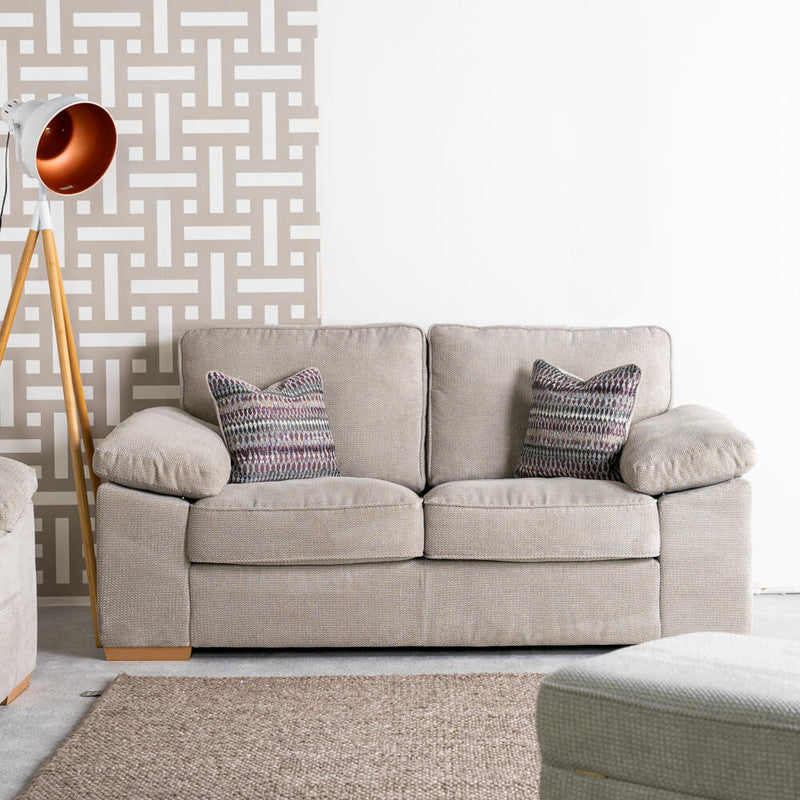
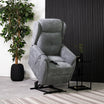
Dynasty 2 Seater Sofa
Even confident shoppers can be caught out by small details. Before you commit, check you have not fallen into one of these traps.
Measuring only the wall
A sofa may fit along the wall but still project too far into the room. Always measure both width and depth.
Forgetting the arms
Seat width and total width are not the same. If the product description lists internal seat space, make sure you also check the full outside measurement.
Ignoring door swings
A sofa placed near a doorway may technically fit but stop the door opening properly. Mark the door swing on your floor plan if needed.
Not checking access
The room may be spacious, but a narrow hallway or awkward staircase can still cause problems. Measure the full journey from outside to final position.
Choosing purely by style
A beautiful sofa should also support real life. Think about comfort, fabric, durability and how the proportions work with the rest of your furniture.
Quick pre-purchase checklist
Before you buy your two seater sofa, make sure you have checked:
-
The full sofa width, depth and height
-
Seat height and seat depth for comfort
-
The room’s length, width and key features
-
Walking space around the sofa
-
Coffee table and side table clearance
-
Window, radiator and door positions
-
The complete delivery route
-
Whether legs or cushions can be removed
-
How the sofa looks with your existing furniture
-
Whether it suits the way your household relaxes
If all ten points feel right, you can shop with much more confidence.
Bringing it all together
A two seater sofa is one of the most useful pieces you can bring into a home. It can make a small living room feel complete, add comfort to a bedroom, create a cosy corner in an open-plan space or pair beautifully with a larger sofa in a family room.
The key is to look beyond the label of “two seater” and understand the measurements behind it. Use a sofa size chart for broad guidance, follow a practical sofa fitting guide for your own room, and compare each option with both comfort and proportion in mind.
At FW Homestores, our teams are always happy to help you make sense of sizes, styles and layouts without pressure. Whether you visit us in Barnstaple, Caerphilly, Cardiff or Newport, or browse online from home, we are here to help you find a sofa that feels just right from the moment it arrives.

Leave a comment
This site is protected by hCaptcha and the hCaptcha Privacy Policy and Terms of Service apply.