













A leather sofa brings warmth, texture and quiet confidence to a room. Whether you are choosing a full grain leather sofa for long-term value or refreshing the look of an existing leather couch, the right styling can make it feel classic, modern or relaxed rather than heavy. This guide looks at materials, colours, layout and simple home decor choices that help leather sofas work beautifully in everyday UK homes.
Why does a leather sofa feel timeless?
A leather sofa feels timeless because it combines practical durability with a surface that gains character over time. Unlike trend-led fabrics that can date quickly, good leather develops depth, softness and a natural patina, so small signs of use often become part of its appeal rather than flaws. It also works across many interior design styles, from formal sitting rooms to open-plan family spaces.
The key is balance. Leather has visual weight, so it benefits from softer textures, thoughtful lighting and a mix of materials around it. When treated as a central piece of living room furniture rather than an isolated statement, it can anchor the whole room without overwhelming it.
Choosing leather that lasts
Not all leather sofas are made equal, and the language can be confusing. A full grain leather sofa is usually valued because it uses the strongest outer layer of the hide, keeping more of the natural grain intact. That gives it a rich, authentic appearance and helps it age with character.
A genuine leather sofa can still be a real leather sofa, but the term “genuine” is often broad. It may refer to different grades, finishes or construction methods, so it is worth asking what type of leather is used, whether it is full grain, top grain or corrected grain, and how the frame and cushions are made. A beautiful surface matters, but comfort and structure matter just as much.
When comparing options, look beyond the first impression:
-
Leather type: Full grain has natural markings and depth; more corrected finishes may look smoother and more uniform.
-
Feel and flexibility: Quality leather should feel substantial, not plastic-like or overly stiff.
-
Stitching and seams: Neat, strong stitching suggests better construction.
-
Frame quality: A sofa is only as durable as the structure beneath the upholstery.
-
Transparency: Clear product information is a good sign; vague wording can make comparison harder.
If sustainability is part of your decision, ask about sourcing, tanning processes and expected lifespan. A long-lasting leather couch that you keep for years can be a more considered choice than replacing cheaper furniture frequently, but responsible sourcing still matters.

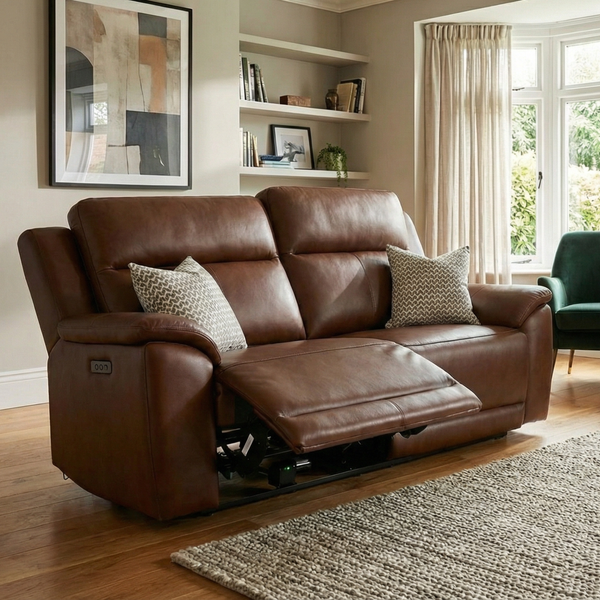
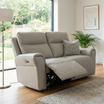
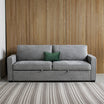
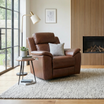
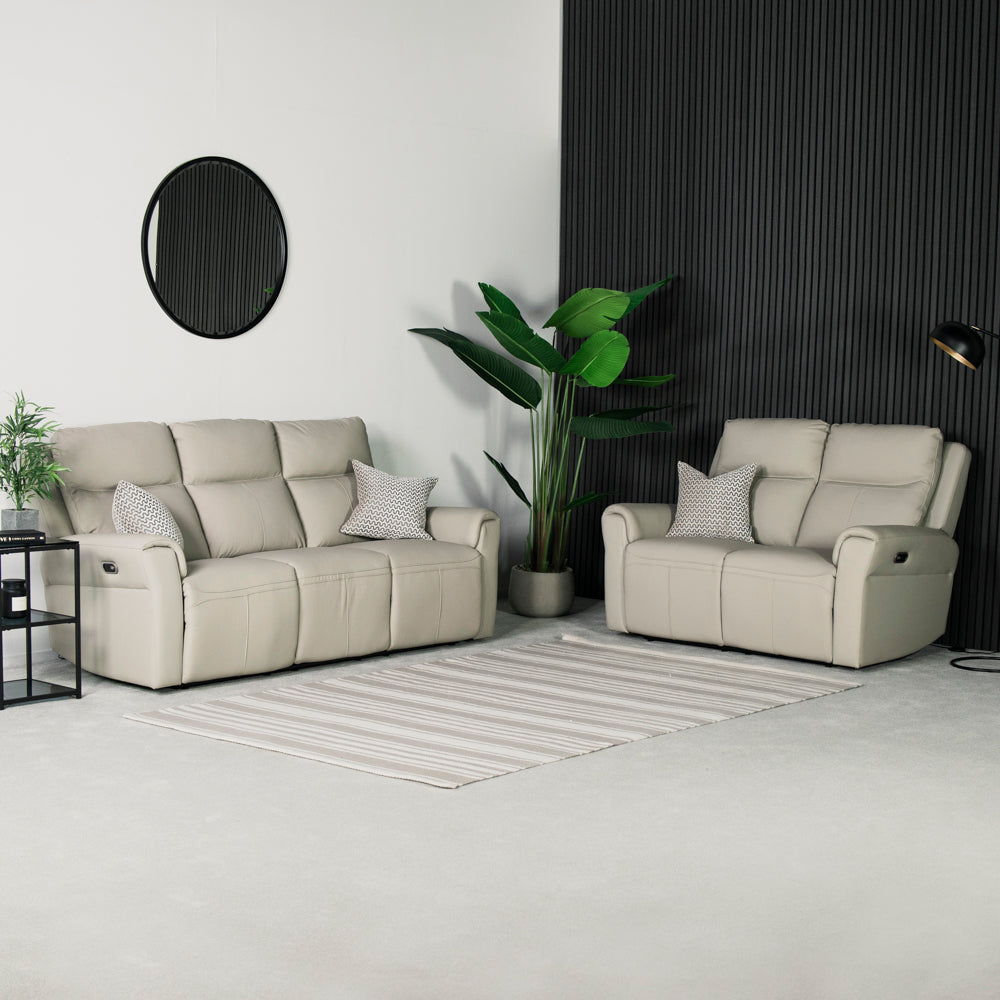
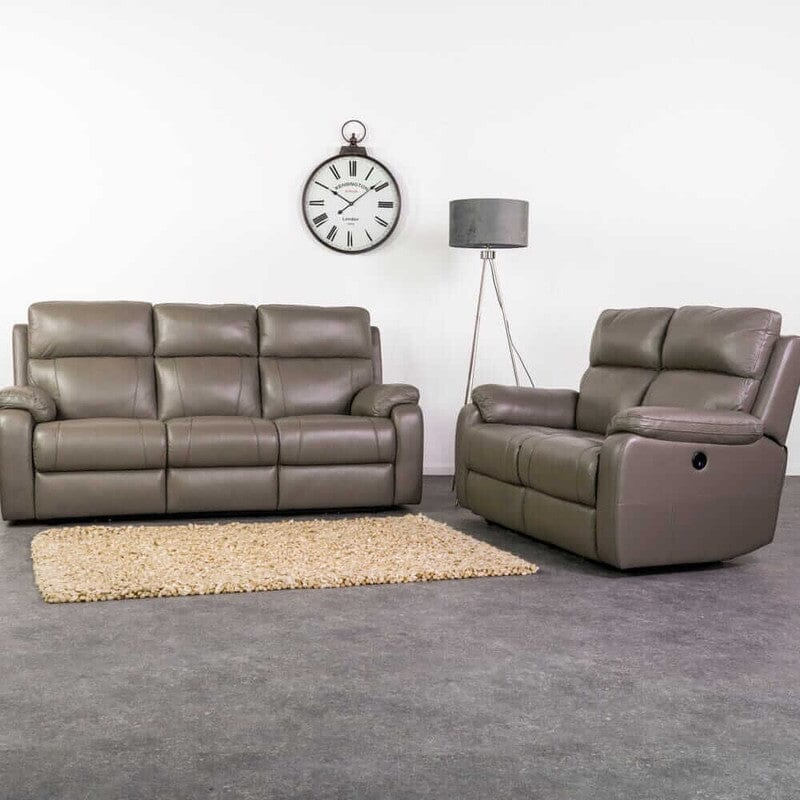
Palermo 2 Seater Leather Power Recliner Sofa
Colours that shape the mood of the room
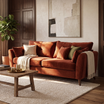
Colour is one of the biggest decisions when buying a leather sofa. Cognac, tan and warm brown tones remain popular because they act like rich neutrals: warm enough to add comfort, but versatile enough to pair with changing decor. These shades work especially well with off-white walls, oak floors, woven rugs and black metal details.
Dark brown leather feels more traditional and grounding. It suits classic schemes with bookcases, patterned rugs, brass lamps and deeper paint colours such as forest green or navy. Black leather can look sleek and architectural, particularly in modern or industrial rooms, though it needs softness nearby to avoid feeling severe.
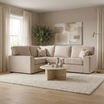
Lighter leather, including cream, stone and pale grey, can make a room feel airy. It is best suited to homes where the overall palette is calm and considered, with layered textures to prevent the space from looking flat.
Styling ideas for classic, modern and industrial interiors
The same leather sofa can look completely different depending on what surrounds it. Rather than matching every piece, aim for contrast and cohesion: repeat a few colours, vary your textures and let the sofa remain the anchor.
Classic style
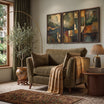
Classic style favours balance, comfort and pieces that do not shout for attention. A brown leather sofa works well with a wool rug, wooden side tables, framed artwork and soft lampshades. Add cushions in linen, velvet or subtle patterns to break up the leather surface.
For a refined look, choose warm neutrals and heritage tones: cream, camel, olive, burgundy or navy. Symmetry also helps. Try a pair of table lamps, two armchairs opposite the sofa or a central coffee table to create a composed, inviting room.
Modern style
Modern styling is cleaner, lighter and more edited. A real leather sofa in tan, taupe, black or chocolate can sit beautifully against plain walls, low-profile tables and simple shelving. Keep the lines crisp, but avoid making the space too cold.
Softness is essential in modern home decor. Use a textured rug, boucle or linen armchair, sculptural floor lamp and one or two oversized cushions. The result is calm and contemporary, with the leather adding warmth instead of visual clutter.
Industrial style
Industrial style suits leather especially well because it celebrates honest materials. Think exposed brick, black steel, reclaimed wood, concrete-effect finishes and practical lighting. A worn-in leather couch in cognac or deep brown can make this style feel comfortable rather than stark.
The trick is not to overdo the toughness. If the sofa, tables and lighting are all dark and heavy, the room may feel closed in. Add a pale rug, plants, woven baskets or soft curtains to create contrast and keep the space liveable.
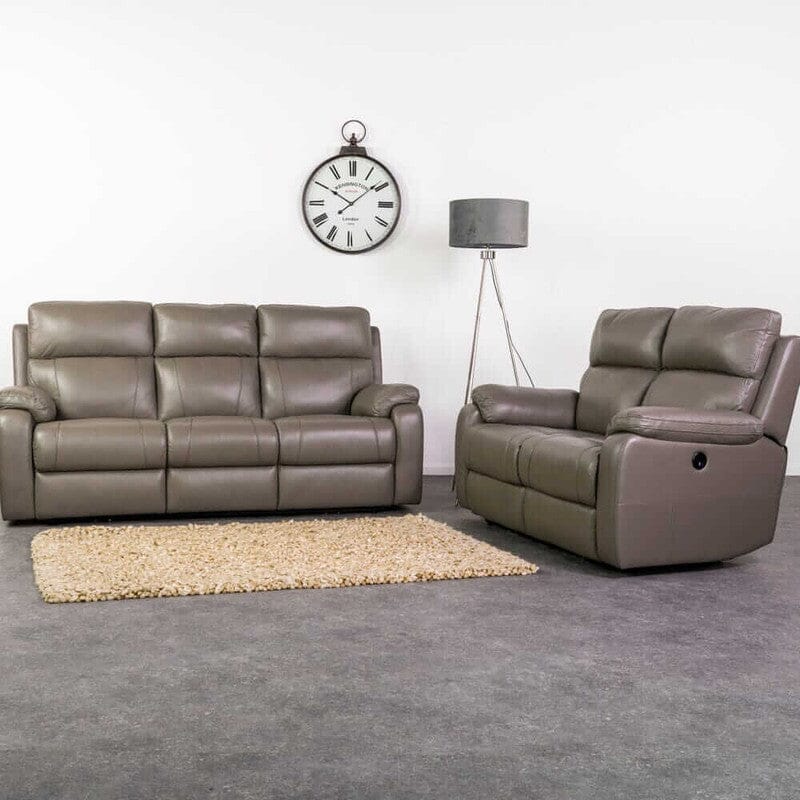
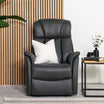
Positano 3 Seater Leather Recliner Sofa
How should you arrange furniture around leather sofas?
Arrange furniture around leather sofas by treating the sofa as the room’s anchor, then building a comfortable conversation zone around it. Leave enough space to move easily, position tables within reach, and use rugs to connect the seating rather than letting each piece float alone. If the sofa is large or dark, balance it with lighter furniture, mirrors or open shelving.
For smaller UK living rooms, consider a two-seater or compact leather sofa rather than forcing in a bulky corner unit. In open-plan rooms, the sofa can help divide areas: place it with its back towards the dining or kitchen zone, then use a rug and lighting to define the sitting area.
A practical layout checklist:
-
Start with the focal point: This might be a fireplace, window, media wall or view.
-
Check circulation: People should move through the room without squeezing past sharp corners.
-
Layer lighting: Combine overhead lighting with table or floor lamps for a softer evening mood.
-
Mix seating: Pair leather with fabric armchairs to avoid an all-leather room.
-
Use scale carefully: A chunky sofa needs lighter tables or raised legs nearby to stop the room feeling crowded.
Care that keeps leather looking better for longer
Leather is easier to live with than many people expect. It is generally good at handling everyday spills if they are wiped quickly, and it does not trap dust in the same way as some woven fabrics. That makes it appealing for busy homes, especially where living room furniture needs to be both attractive and practical.
Routine care is simple. Dust or vacuum gently, wipe marks with a soft cloth, and use products suitable for your leather type. Many real leather sofa finishes benefit from conditioning once or twice a year, but always follow the supplier’s guidance because different finishes need different treatment.
Avoid placing leather sofas in constant direct sunlight or too close to radiators, as heat and UV exposure can dry or fade the surface. Small habits make a difference: rotate cushions if possible, clean spills promptly and avoid harsh household cleaners.
A final word on timeless styling
A leather sofa earns its place by doing more than looking good on delivery day. It can become the piece that holds a room together, adapting as your tastes shift from classic to modern, rustic to industrial, or somewhere in between.
Choose the best leather you can, be honest about the scale your room can handle, and style it with texture, light and natural materials. With the right colour and thoughtful surroundings, leather sofas offer comfort, character and enduring appeal without feeling stuck in the past.


Leave a comment
This site is protected by hCaptcha and the hCaptcha Privacy Policy and Terms of Service apply.