
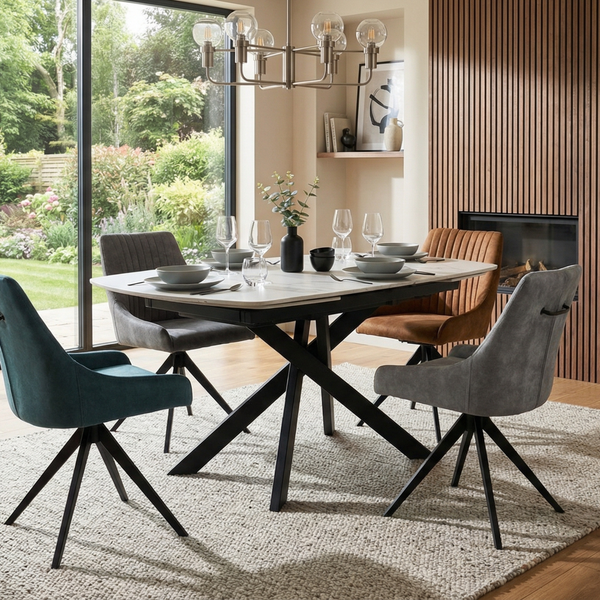































A good dining chair does more than complete the look of a room. It supports the body through everyday breakfasts, working lunches, family dinners and long, relaxed meals where people want to stay at the table comfortably. Understanding the ergonomics of a good dining chair helps you choose dining chairs that feel as considered as they look.
Ergonomic seating is often discussed in offices, but it matters at the dining table too. The right balance of support, height, comfort and proportion can make dining room chairs and kitchen chairs more enjoyable to use, especially when meals stretch beyond a quick bite.
What is an ergonomic dining chair?
An ergonomic dining chair is a chair designed to support a natural, comfortable seated posture while fitting the height and purpose of a dining table. In simple terms, it allows you to sit with your feet supported, your knees at a relaxed angle, your back comfortably held, and your arms able to reach the table without hunching or stretching.
Unlike task chairs, dining chairs are not usually adjustable. That means their shape, seat height, back angle and cushioning need to do more of the work from the start. Good ergonomic furniture should make the body feel settled rather than forced into position, and this is especially important in a dining setting where people often sit, talk, eat and linger.
The best ergonomic dining chair is not necessarily the softest or the most heavily padded. It is the chair that keeps you comfortable without encouraging slouching, perching or constant shifting. That comfort comes from a combination of structure and ease.
The everyday advantages of ergonomic seating at the table
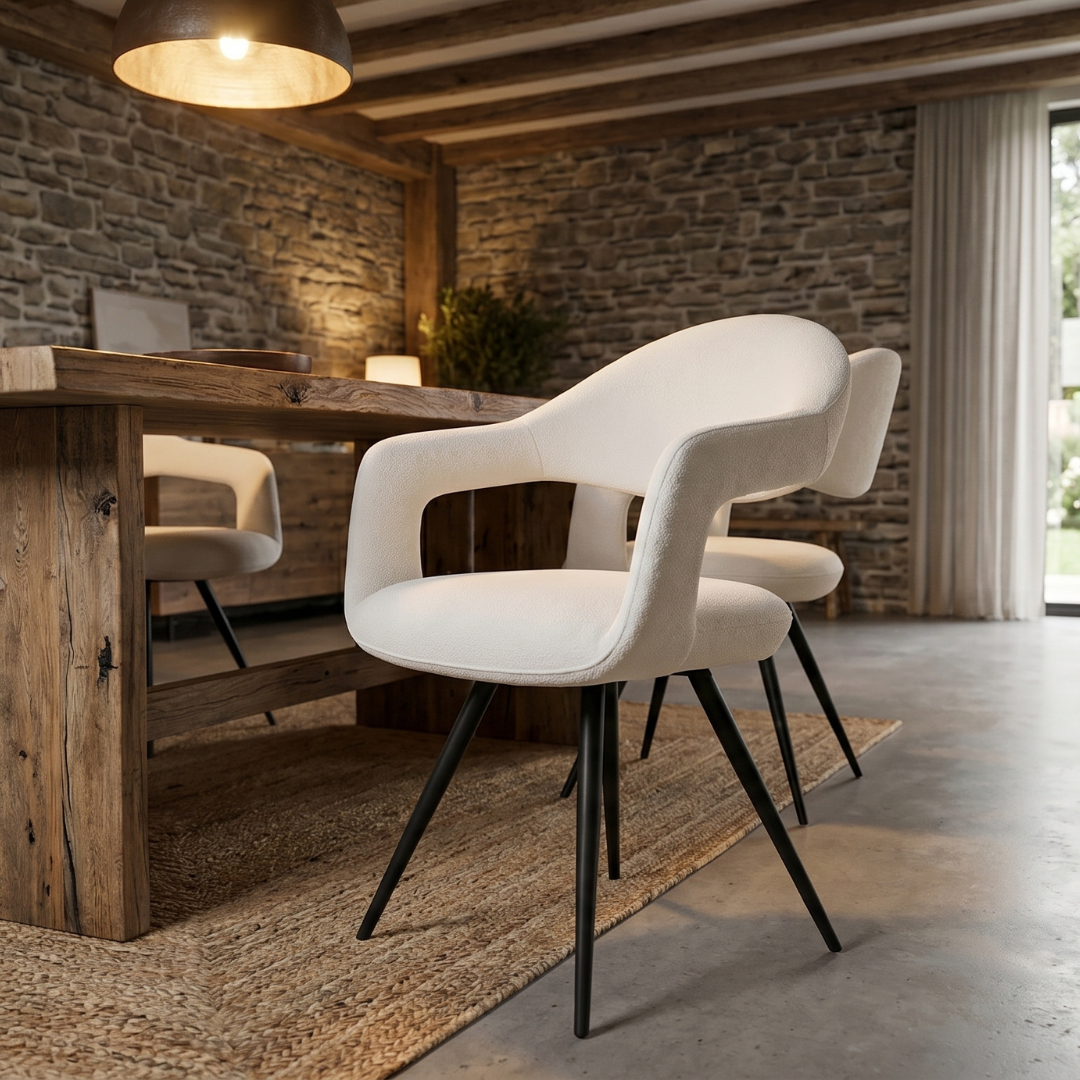
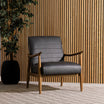
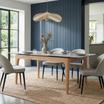
Emma White Dining Chair Set Of 2
The advantages of ergonomic seating become clear when you think about how dining chairs are actually used. A chair might look beautiful in the room, but if it is too low, too upright, too deep or poorly supported, people quickly notice. They lean forward, tuck their legs awkwardly, avoid sitting back, or leave the table earlier than they would like.
A well-designed chair encourages better posture with very little effort. The seat supports the thighs without pressing behind the knees, the backrest gives the spine somewhere to rest, and the height allows the diner to eat comfortably without raised shoulders. These details may seem small, but together they shape the whole experience of a meal.
Ergonomics can also improve how a room functions. Dining room chairs that are comfortable enough for long meals make the table feel more welcoming. Kitchen chairs that are easy to sit in and move around suit busy mornings, homework sessions and informal chats. Upholstered dining chairs can add warmth and softness, provided the padding is supportive rather than sagging.
Key benefits of a well-considered dining chair include:
-
Better seated posture: the body can sit upright without feeling rigid or strained.
-
Greater comfort during long meals: support and cushioning reduce the urge to fidget or stand up quickly.
-
Improved table use: the correct height helps diners eat, talk and reach the table naturally.
-
A more inviting dining space: comfortable chairs encourage people to relax and stay longer.
-
Better value from furniture: chairs that work well in daily life are more likely to be used and enjoyed.
Seat height sets the tone for comfort
Seat height is one of the most important parts of dining chair ergonomics because it affects the position of the entire body. If the chair is too low, the shoulders may lift and the elbows may feel awkward at the table. If it is too high, the feet may not rest comfortably on the floor and the thighs may feel compressed.
For meals, the goal is a relaxed seated position where the diner can sit close to the table without being squeezed beneath it. There should be enough room for the thighs under the tabletop, and the elbows should fall comfortably near table height when eating. This helps avoid hunching over the plate or sitting too far away.
Because dining tables vary, it is worth checking chair and table proportions together rather than judging the chair alone. A chair that works beautifully with one table may feel wrong with another. The relationship between seat height, table height and the person using the chair matters more than any single measurement in isolation.
A practical way to assess height is to sit down as if eating a meal. Your feet should feel grounded, your knees should bend comfortably, and your shoulders should stay relaxed when your hands rest near the table. If you immediately feel the need to shrug, perch or slide forward, the height may not be right.
Why does support matter during long meals?
Support matters during long meals because the body needs gentle assistance to stay comfortable over time. A chair may feel fine for five minutes, but during a dinner party, celebration meal or extended family lunch, poor support can lead to aching backs, tired legs and constant repositioning.
Good support begins with the seat. A dining chair should distribute weight evenly and give the pelvis a stable base. If the seat is too hard, pressure can build quickly. If it is too soft, the body may sink, making it harder to sit upright and causing the back to round.
The backrest is equally important. It does not need to be large, but it should meet the body in a useful place. A gently angled back can encourage a relaxed upright posture, while some curve or contour may help support the lower and middle back. Very flat or decorative backs can still work, but they need to feel comfortable in use rather than simply attractive from across the room.
Support also affects conversation. When people feel physically settled, they are more likely to relax into the occasion. They can enjoy the food, take part in the moment and remain at the table without being distracted by discomfort.
Comfort is a balance, not just cushioning
Comfort is often associated with softness, but the benefits of an ergonomic dining chair come from balance. The chair should feel welcoming when you first sit down and remain supportive as time passes. Too much softness can be just as uncomfortable as too little, particularly if it causes the body to sink into a poor posture.
Upholstered dining chairs are popular because they bring softness, texture and a sense of warmth to the dining area. They can be especially helpful for long meals, as padding reduces pressure points on the seat and back. However, the upholstery should sit over a supportive structure. A plush surface cannot compensate for a weak frame, an awkward angle or a seat that is the wrong depth.
Comfort also comes from small physical freedoms. The chair should allow you to pull in close enough to the table, shift position slightly, and sit back between courses. Arms can be pleasant on some dining chairs, but they need to fit under or around the table properly. If armrests stop the chair from tucking in, the diner may end up sitting too far away.
Materials influence comfort as well. Smooth timber, woven seats, leather, fabric and padded upholstery all feel different. The best choice depends on how the chair will be used, how long people usually sit, and whether the room is formal, casual or multipurpose.
Choosing dining chairs that fit real life
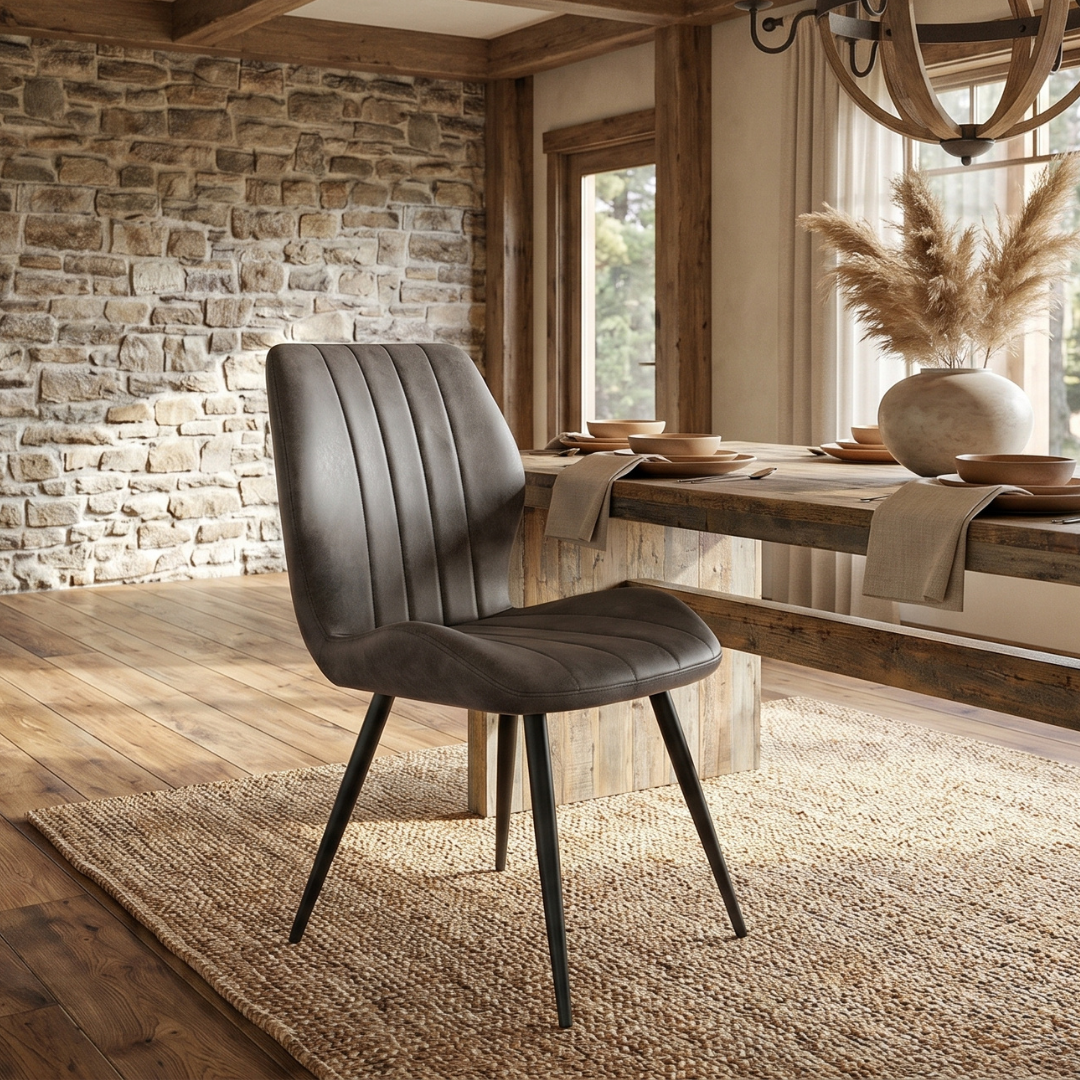
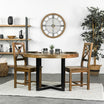
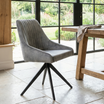
Deus Dining Chair Set Of 2
A good-looking chair should still work hard in everyday use. Before choosing dining room chairs or kitchen chairs, think about the way the space is used. A household that regularly hosts long dinners may need more cushioning and back support than a breakfast nook used mainly for quick meals.
Use this checklist when assessing ergonomic furniture for dining:
-
Check the seat height with your table. Sit at the actual table if possible and notice whether your shoulders, elbows and knees feel relaxed.
-
Test the backrest properly. Sit back, not just on the front edge, and see whether your spine feels supported.
-
Notice the seat depth. The seat should support the thighs without cutting into the back of the knees.
-
Assess the padding. Look for cushioning that feels comfortable but does not collapse under weight.
-
Consider movement. Chairs should be easy to pull out, tuck in and reposition without feeling cumbersome.
-
Think about long meals. If you would not want to sit in the chair for an hour or more, it may not be the right choice for a main dining space.
-
Match comfort with maintenance. Upholstered dining chairs feel inviting, but consider fabric durability and cleaning needs in busy homes.
This practical approach helps avoid choosing chairs only by appearance. Style matters, of course, but dining chairs are used at close range. Their comfort is experienced directly, day after day.
The role of proportion, posture and table layout
The ergonomics of a good dining chair cannot be separated from the wider dining arrangement. Even a well-designed chair may feel uncomfortable if the table is cramped, the legs clash with the frame, or there is not enough room for people to sit and move naturally.
Allowing enough space between chairs helps diners relax their arms and sit without feeling crowded. The chair width should suit the table and the number of places around it. If chairs are packed too closely, people may twist, perch or avoid using the backrest, which undermines the ergonomic design.
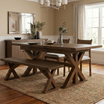
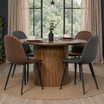
Posture is also affected by table shape. Round tables can make conversation easy and allow flexible spacing, while rectangular tables may need careful chair placement around legs and corners. Bench seating can be useful in some rooms, but individual chairs often provide more consistent back support for longer meals.
The ideal dining set-up lets people sit down, pull in, eat, talk and stand up without effort. When proportions are right, the furniture fades into the background and the meal becomes the focus.
Style and ergonomics can work together
There is no need to choose between attractive furniture and comfortable seating. Many ergonomic dining chair features are subtle: a slightly curved back, a well-padded seat, a supportive frame, a comfortable height and a balanced angle. These elements can be found in classic, modern, rustic and contemporary designs.
If the room has a formal feel, upholstered dining chairs may add elegance while improving comfort. In a busy kitchen, lighter kitchen chairs may be more practical, provided they still offer decent back support and a comfortable seat. In open-plan spaces, the chairs may need to bridge the look of the kitchen and living area while still being pleasant to use for meals.
The best choice is one that suits both the room and the people who use it.
A chair should complement the table, support the body and make the space feel inviting. When those qualities come together, the result is furniture that looks good and earns its place every day.

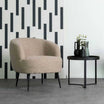
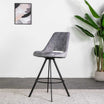
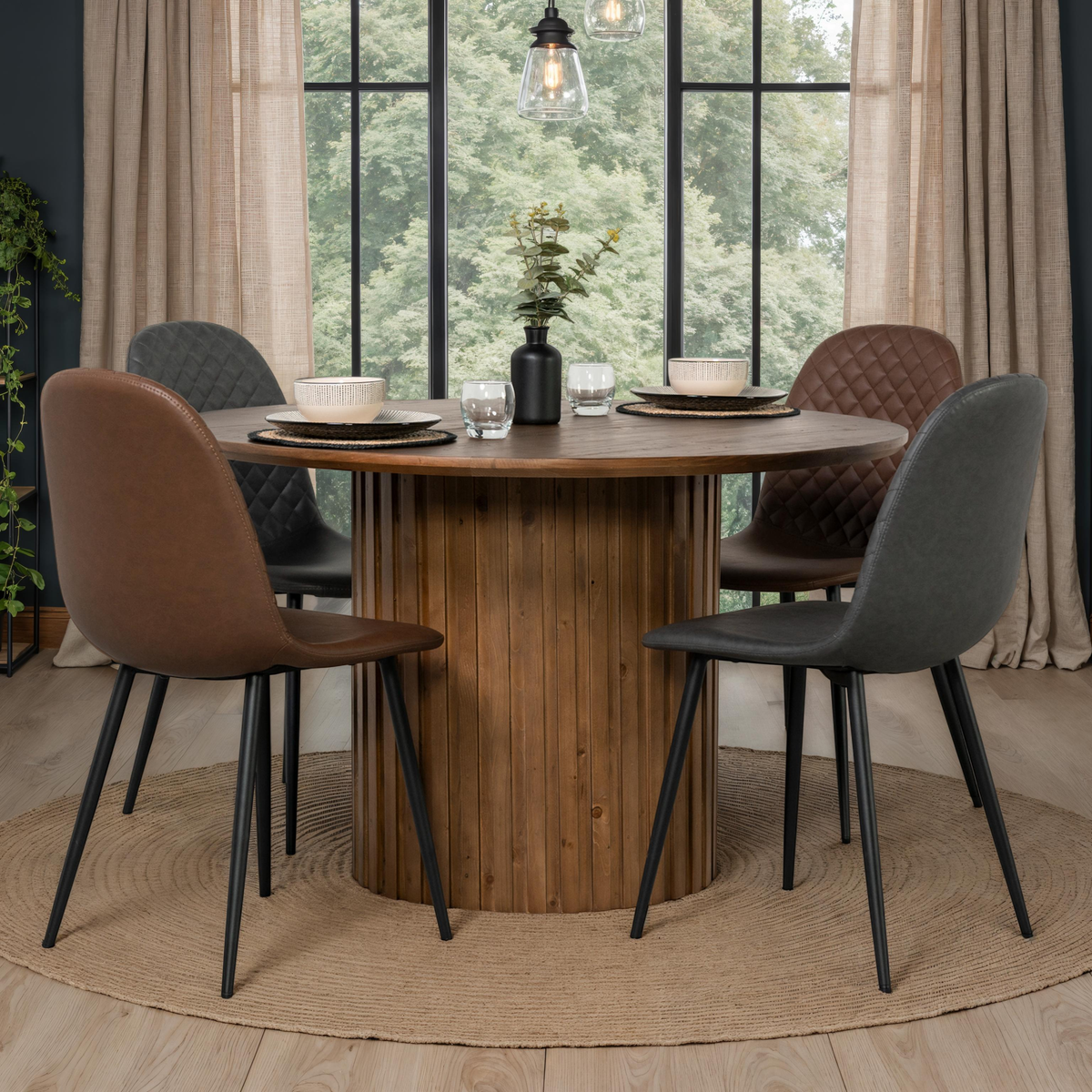
Lindsay Upholstered Dining Chair Set Of 2
Final takeaway
The ergonomics of a good dining chair are explained through a few essential ideas: supportive shape, appropriate height, balanced cushioning and comfort that lasts beyond the first few minutes. Whether you are choosing dining chairs for a formal room, compact kitchen chairs for daily use, or upholstered dining chairs for long, sociable meals, the aim is the same: help people sit naturally and enjoy their time at the table.
Good ergonomic seating does not draw attention to itself. It simply makes dining feel easier, more comfortable and more welcoming. When a chair supports the body as well as the room, every meal has a better foundation.

Leave a comment
This site is protected by hCaptcha and the hCaptcha Privacy Policy and Terms of Service apply.