



























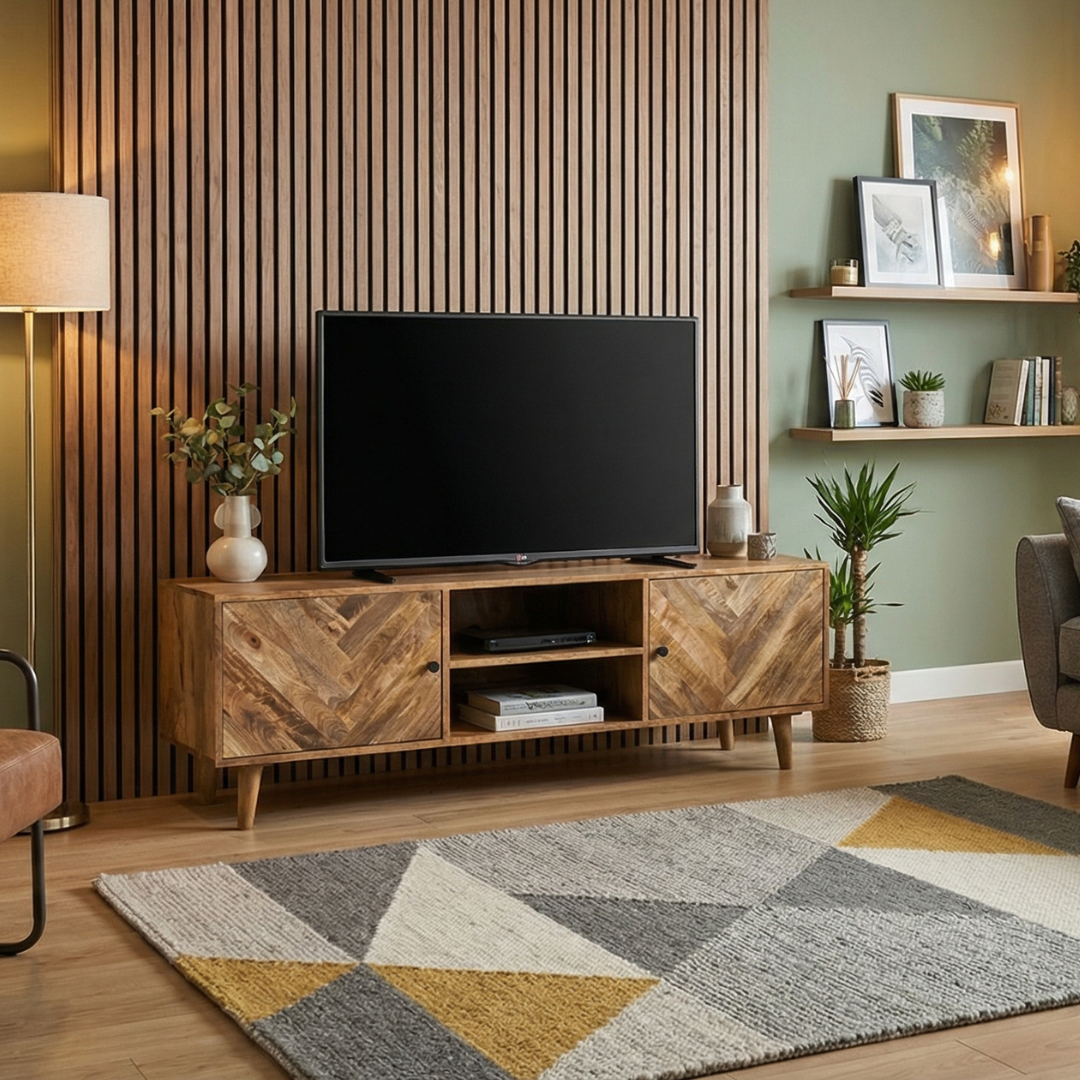
Why mango wood deserves a little everyday care
Mango wood has a wonderful way of making a home feel gathered, warm and lived-in. Its natural grain, golden tones and characterful markings give each piece a quietly individual story, whether it’s a dining table ready for Sunday lunch, a sideboard holding family photographs, or a coffee table at the centre of everyday life.
The good news is that mango wood is a durable hardwood, but like all natural materials, it responds to the home around it. Central heating, damp winter air, direct sunlight and daily spills can all affect how it looks and feels over time. With the right routine, the care of mango wood furniture is simple, gentle and very achievable.
This wood care guide brings together practical, UK-focused advice for cleaning, protecting and styling your mango wood pieces, so they can stay beautiful for years to come.
Understanding mango wood in the home
Mango wood is loved for its distinctive grain patterns, warm colour variation and naturally tactile finish. No two pieces are exactly alike, which is part of its charm. You may see swirls, darker streaks, knots or subtle tonal changes across the surface. These are not flaws; they are part of the wood’s personality.
Because it is a natural material, mango wood can expand and contract slightly as humidity and temperature change. In UK homes, this is especially relevant during colder months when the heating comes on, or in older properties where rooms may be cooler or damper.
Good mango wood maintenance is less about complicated treatments and more about consistency: careful cleaning, sensible placement and quick action when accidents happen.
Everyday cleaning: keep it gentle
For regular wood furniture care, a soft, dry cloth is usually all you need. Dusting little and often helps prevent fine particles from settling into the grain or dulling the finish.
For everyday cleaning:
-
Use a soft microfibre cloth or lint-free cotton cloth.
-
Wipe in the direction of the grain where possible.
-
Remove crumbs, dust and grit before they can scratch the surface.
-
For light marks, use a barely damp cloth, then dry immediately.
-
Avoid soaking the surface or leaving moisture behind.
If your mango wood furniture has a waxed, oiled, lacquered or painted finish, always be guided by the care instructions supplied with the piece. Different finishes behave differently, and the safest approach is always the gentlest one first.
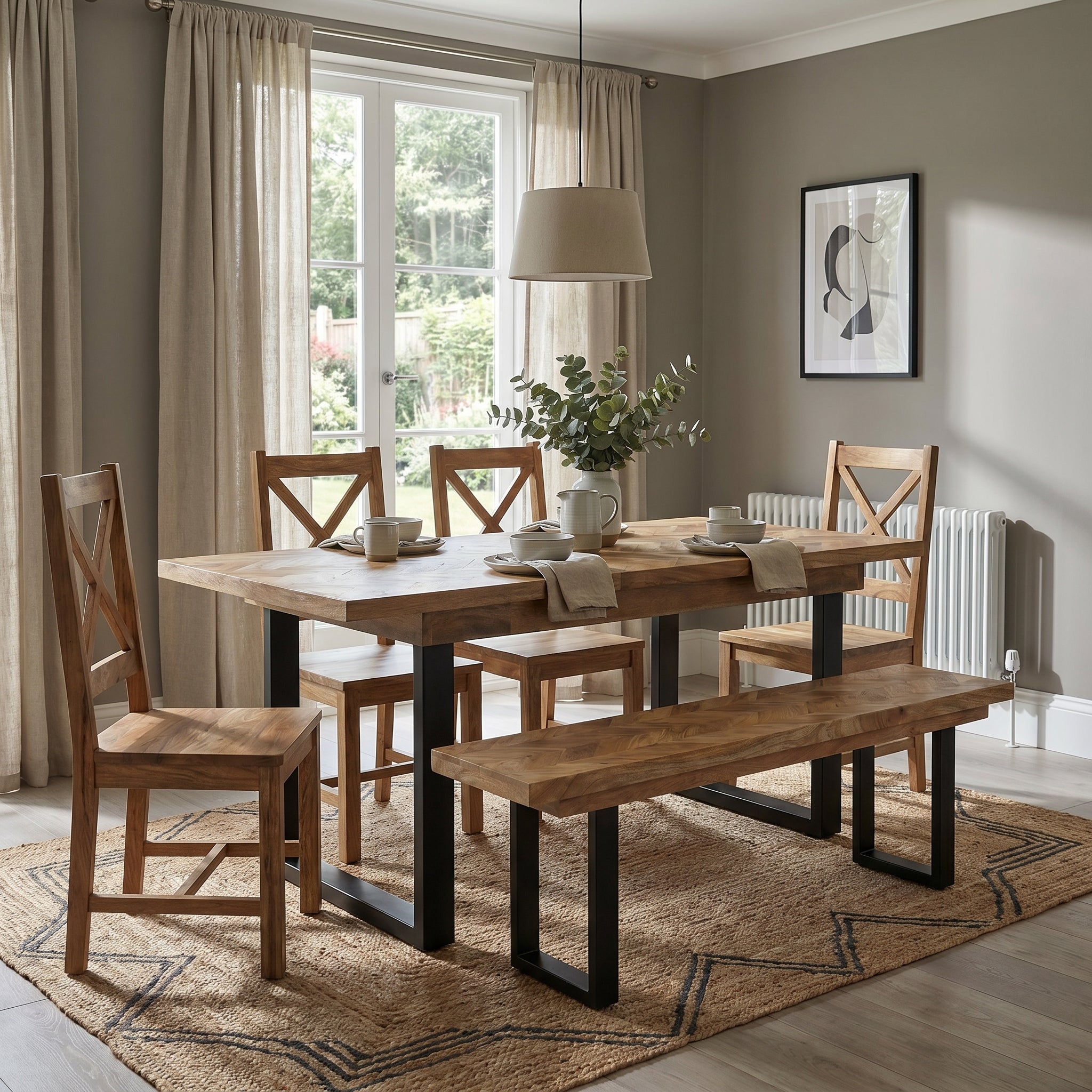
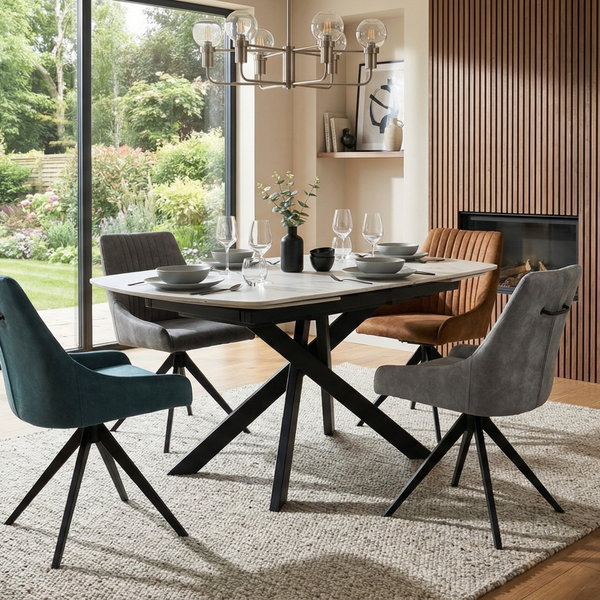
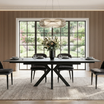
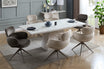
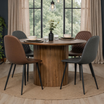
Nautilus Mango Wood Extending Dining Table
How to clean spills and marks
Life happens around furniture. Tea gets placed down without a coaster, children lean over the table with felt tips, and a vase sometimes leaves a faint ring behind. The key is to act quickly and calmly.
For fresh spills:
-
Blot the spill straight away with a clean, dry cloth.
-
Avoid rubbing hard, as this can spread liquid or affect the finish.
-
Use a slightly damp cloth if needed.
-
Dry the area thoroughly with a separate soft cloth.
-
Leave the surface clear for a while so air can circulate.
For sticky patches, use a mild solution of warm water and a tiny amount of gentle washing-up liquid. Wring the cloth out well before touching the wood, then wipe again with a clean damp cloth and dry immediately.
For stubborn marks, avoid scrubbing. It is better to repeat a gentle clean than to damage the finish with abrasive products.
Cleaning products to avoid
One of the most important parts of learning how to care for mango wood furniture is knowing what not to use. Strong household cleaners can strip finishes, dull the grain or leave cloudy patches.
Avoid using:
-
Bleach or bleach-based sprays.
-
Ammonia cleaners.
-
Multi-surface sprays unless clearly suitable for wood.
-
Abrasive cream cleaners.
-
Scouring pads or rough sponges.
-
Steam cleaners.
-
Silicone-heavy polishes that can build up over time.
-
Strong solvents, acetone or nail varnish remover.
-
Excessive water or wet cloths left on the surface.
If you are trying a new product, test it first on a hidden area, such as the underside of a tabletop or the back of a cabinet. A little patience here can save a great deal of disappointment later.
Protecting mango wood from heat, sunlight and moisture
Mango wood furniture is made for real homes, but placement matters. A few simple habits can help protect your favourite pieces from avoidable wear.
Use coasters under mugs, glasses and bottles, especially for cold drinks that may produce condensation. Use placemats and trivets on dining tables, particularly beneath hot plates, serving dishes and casseroles. Even if the finish feels strong, direct heat can cause marks or changes in sheen.
Try not to place mango wood furniture directly against radiators, log burners or heating vents. The dry heat can encourage movement in the wood and may cause small cracks or changes over time. If a room layout makes this difficult, leave as much space as possible and monitor the piece during winter.
Direct sunlight can also affect colour. In bright rooms, rotate accessories occasionally and consider blinds or curtains during the sunniest part of the day. This is especially helpful for sideboards, console tables and coffee table near patio doors or south-facing windows.
Seasonal care for UK homes
British homes ask a lot of natural wood. We move from damp autumn mornings to centrally heated winter evenings, then into brighter spring and summer days with windows open. A seasonal approach to mango wood maintenance keeps things simple.
In autumn and winter:
-
Keep furniture away from strong heat sources where possible.
-
Avoid placing damp coats, umbrellas or bags directly on the wood.
-
Use mats in hallways and boot rooms to reduce moisture transfer.
-
Dust regularly, as closed windows and heating can increase surface dust.
-
Consider a room humidity balance if your home becomes very dry.
In spring and summer:
-
Watch for direct sunlight on exposed surfaces.
-
Move decorative objects occasionally to avoid uneven colour changes.
-
Use coasters for iced drinks and water glasses.
-
Wipe away pollen, dust and garden debris brought in through open doors.
-
Check dining furniture after gatherings for unnoticed spills or marks.
You do not need to over-care for mango wood. In fact, a calm, regular routine is far better than frequent heavy cleaning.

Do’s and don’ts for mango wood furniture
For quick reference, these everyday habits will help you care for mango wood furniture with confidence.
Do:
-
Dust with a soft cloth every week or as needed.
-
Clean spills as soon as they happen.
-
Use coasters, placemats and trivets.
-
Lift objects rather than dragging them across the surface.
-
Keep furniture slightly away from radiators and fireplaces.
-
Follow the care guidance supplied with your specific item.
-
Use gentle products designed for finished wood, if needed.
Don’t:
-
Leave water sitting on the surface.
-
Put hot pans, mugs or plates directly onto the wood.
-
Use harsh chemical cleaners.
-
Scrub with abrasive pads.
-
Position furniture in constant direct sunlight without protection.
-
Over-polish or apply oils and waxes too frequently.
-
Assume every mango wood finish needs the same treatment.
Should you oil or wax mango wood?
This depends on the finish of your furniture. Some mango wood pieces are already sealed, lacquered or treated, meaning additional oil or wax may not be necessary and could even create a sticky or uneven surface.
If your item has a natural, waxed or oiled finish, occasional reconditioning may help maintain its lustre. Use a product recommended for the finish, apply sparingly, and buff gently with a clean cloth. More is not better; excess product can attract dust and leave residue.
If you are unsure, check the original care label or ask the retailer for guidance before applying anything. At FW Homestores, our teams in Barnstaple, Caerphilly, Cardiff, Newport and online are always happy to help customers understand how to look after their chosen pieces without overcomplicating the process.
Light styling tips for mango wood
Mango wood is wonderfully versatile. Its warm tones sit beautifully with both contemporary and classic interiors, making it easy to style across the home.
For a relaxed, design-led look:
-
Pair mango wood with soft neutrals, warm whites, stone and taupe.
-
Add texture with woven baskets, linen runners or ceramic vases.
-
Use black metal accents for a modern industrial feel.
-
Layer with greenery to bring out the natural warmth of the grain.
-
Mix with soft lighting, such as table lamps and shaded floor lamps.
-
Keep surfaces edited rather than overcrowded, allowing the wood to shine.
On a dining table, a simple runner, a low bowl and a few candle holders can feel elegant without hiding the surface. On a sideboard, vary height with artwork, lamps and decorative objects, but use felt pads underneath anything heavy or rough.
Caring for mango wood in busy family spaces
In family homes, furniture earns its place by being both beautiful and practical. Mango wood can work very well in high-use rooms, provided it has a little everyday protection.
For dining tables, keep placemats and coasters close by so they become part of the routine. For coffee tables, a tray can gather remotes, cups and books while protecting the surface underneath. For sideboards and consoles, use felt pads beneath lamps, picture frames and ornaments to reduce scratches.
If children use the table for homework, crafts or games, add a protective mat during messier moments. This helps preserve the finish while still allowing the furniture to be part of daily life, which is exactly what good furniture is for.
A simple care routine to remember
If you only remember one thing from this wood care guide, make it this: keep mango wood clean, dry and protected from extremes.
A simple routine looks like this:
-
Dust weekly with a soft cloth.
-
Blot spills immediately.
-
Use coasters and heat protection every day.
-
Keep away from strong heat and prolonged direct sunlight.
-
Clean gently, never harshly.
-
Treat only when the finish requires it.
With this approach, the care for mango wood furniture becomes second nature rather than another task on the list.
Final thoughts
Mango wood furniture brings warmth, texture and natural character into the home. With thoughtful placement, gentle cleaning and a few protective habits, it can remain a much-loved part of your interior for years to come.
Whether you are refreshing a dining space, styling a living room or choosing a statement storage piece, mango wood rewards simple, consistent care. And if you would like friendly guidance before or after bringing a piece home, FW Homestores is here online and in our British stores, ready to help you choose furniture that feels right for the way you live.

Leave a comment
This site is protected by hCaptcha and the hCaptcha Privacy Policy and Terms of Service apply.