








When it comes to clever, stylish furniture solutions for British homes, few pieces tick as many boxes as a nest of tables. Whether you live in a compact city flat or a spacious countryside cottage, nesting tables offer a beautifully practical way to add surface space exactly when you need it — and tuck it neatly away when you don't.
In 2026, the demand for multi-functional living room furniture continues to grow, and nesting tables are firmly at the heart of that trend. This guide will walk you through everything you need to know before making your purchase, from understanding the different types and materials available, to styling them within your existing décor.
What Are Nesting Tables?
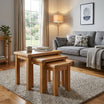
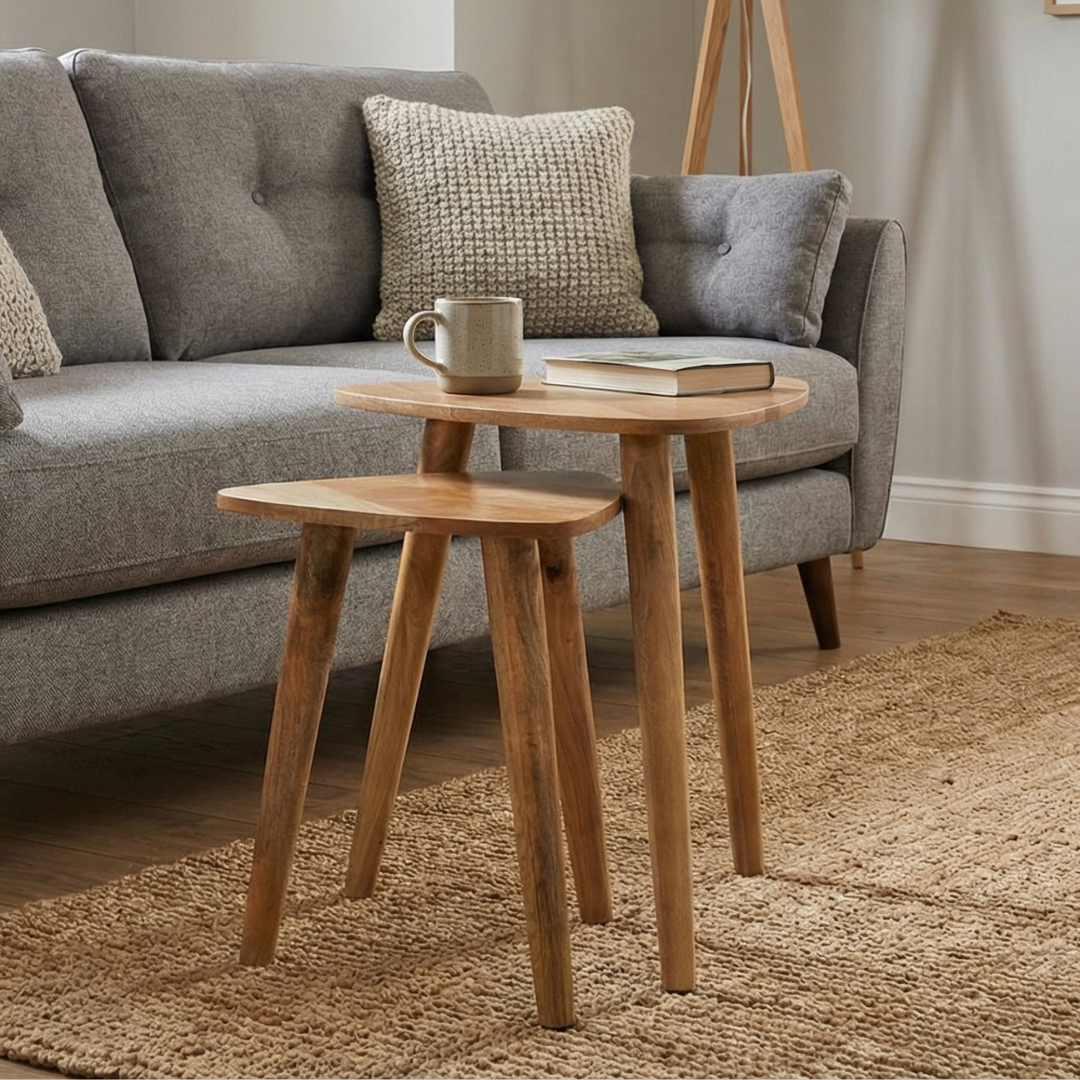
A nest of tables is a set of two or more tables of graduating sizes that are designed to slot neatly beneath one another for compact storage. Typically sold in sets of two or three, the largest table sits on the outside, with the smaller ones tucked underneath. When needed, each table can be pulled out independently to serve as an extra surface for drinks, snacks, books, or decorative items.
Unlike a traditional coffee table or side table, nesting tables are wonderfully versatile. They can be arranged together as a single unit, spread across a room individually, or used in entirely different spaces. Their adaptable nature makes them a favourite in British living rooms, where maximising space without compromising on style is often a priority.
Benefits of Using Nesting Tables
The appeal of nesting tables goes well beyond their space-saving design. Here are some of the key reasons why they remain a popular furniture choice across UK homes:
Space efficiency is the most obvious benefit. When not in use, the smaller tables slide neatly beneath the larger one, freeing up valuable floor space — a genuine advantage in smaller homes and flats.
Flexibility is another major draw. Need extra surface space when guests arrive? Simply pull out one or two of the smaller tables. They can be repositioned quickly and effortlessly, adapting to the needs of the moment.
Aesthetic versatility means nesting tables work well across a wide range of interior styles, from modern minimalist to traditional country cottage. With so many materials, finishes, and designs available, it's easy to find a set that complements your existing living room décor.
Value for money is also worth noting. Compared to buying multiple individual side tables, a nest of tables typically offers excellent value whilst maintaining a cohesive, coordinated look.
Choosing the Right Nesting Table for Your Space

Assessing Your Living Room Décor
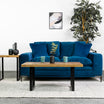
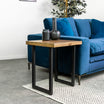
Before purchasing, take a good look at your current living room décor. Consider the dominant colours, textures, and overall style of the room. A sleek, dark-stained wooden nest of tables may feel perfectly at home in a contemporary space with muted tones and clean lines, whilst a lighter oak finish might suit a Scandi-inspired or rustic interior beautifully.
Think about the other furniture in the room — your sofa, coffee table, shelving, and flooring. Nesting tables needn't be an exact match, but they should complement the existing palette and feel cohesive within the space.
Considerations for Size and Shape
Size matters when it comes to nesting tables. Measure the area where you plan to place them and ensure that even when fully extended, the tables won't obstruct walkways or crowd the room.
As a general rule, the largest table in the set should sit at a similar height to the arm of your sofa or slightly below, making it easy to reach from a seated position. If you have a particularly large living room, a set of three tables may work well. For smaller spaces, a pair of two is often more appropriate.
In terms of shape, rectangular and square nesting tables tend to suit modern interiors, whilst round or oval designs can soften a room and work well in more traditional or eclectic settings.
Styling with Different Furniture Styles
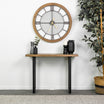
Nesting tables are available across a broad spectrum of furniture styles, so there's genuinely something for every taste. In contemporary homes, look for tables with metal legs and sleek tabletops. For more traditional or period properties, solid wood nesting tables with turned legs or carved detailing add warmth and character. Transitional styles — those that blend classic and modern elements — are also widely popular and tend to work well in most British homes.
Types of Nesting Tables
 Wooden Nesting Tables
Wooden nesting tables remain the most popular choice in the UK, and for good reason. Solid wood offers exceptional durability, timeless appeal, and the kind of natural warmth that suits British interiors particularly well. Oak is by far the most popular timber choice, valued for its strength, attractive grain, and ability to age gracefully over time.
Other popular wood types include pine, walnut, and mango wood, each bringing its own character and tonal qualities. If solid wood is beyond your budget, engineered wood or MDF with a wood veneer can offer a similar look at a more accessible price point.
Rustic Nesting Tables
For those drawn to a more relaxed, organic aesthetic, rustic nesting tables are an excellent choice. These pieces often celebrate the natural character of the wood — knots, grain variation, and a hand-finished feel are all part of their charm. Rustic nesting tables pair particularly well with linen sofas, vintage-style rugs, and natural fibre accessories, creating a cosy, lived-in look that feels effortlessly welcoming.
Decorative Nesting Tables
Decorative nesting tables are those where visual impact is just as important as function. These might feature intricate inlaid patterns, painted finishes, or unusual materials such as marble, glass, or rattan. They're ideal for those who view furniture as a form of self-expression and want their nesting tables to serve as a focal point in the room rather than simply a background piece.
Key Features to Look for

Materials and Durability
Durability should be a primary consideration, particularly if the tables will see daily use. Solid hardwood — especially oak — is generally the most hardwearing option and will last for many years with minimal maintenance. If you're purchasing tables for a family home with young children or pets, avoid delicate materials like glass tabletops and opt instead for something more resilient.
Nesting Table Design and Functionality
Look closely at how the tables nest together. A well-designed set should slide in and out smoothly without catching or wobbling, and the smallest table should fit neatly beneath the largest with minimal gap. Check that the legs are sturdy and evenly levelled, as poorly constructed tables may rock on uneven flooring — a common issue in older British properties.
If you plan to use the tables frequently, consider sets with a simple, open-leg design rather than enclosed bases, as these tend to be easier to pull out and reposition.
Finish and Color Options
The finish you choose will have a significant impact on both the look and longevity of your nesting tables. Light oak and natural wood finishes are currently among the most popular choices in UK homes, offering a clean, contemporary feel that works across many décor styles. Darker finishes such as walnut or ebony suit more dramatic, moody interiors, whilst painted finishes in muted tones like sage green, navy, or chalk white are an excellent choice for country or cottage-style rooms.
Always look for a finish that has been properly sealed or lacquered to protect the surface from everyday wear, spills, and scratches.
Conclusion and Final Tips
A nest of tables is one of those rare pieces of furniture that combines genuine practicality with real decorative potential. Chosen well, they can elevate the look of a living room whilst solving the very real challenge of limited space.
As a final checklist before you buy: measure your space, consider your existing décor, prioritise durability, and don't be afraid to invest a little more in solid wood if your budget allows. A quality set of nesting tables is a long-term purchase that, with proper care, will serve you well for years to come.
Where to Buy Nesting Tables in 2026
FW Homestores offers a carefully curated collection of nesting tables, with a particular focus on solid oak and natural wood designs. Whether you're looking for a classic oak nest of tables or something with a more contemporary edge, their range caters to a wide variety of tastes and budgets — all crafted with quality and longevity in mind.
FAQs on Nesting Tables Buying Guide
Q1: What is the standard size of a nest of tables?
Most nest of tables sets range from approximately 45–65 cm in height, with the largest table typically measuring between 50–70 cm in width. Sizes vary by manufacturer, so always check the individual product dimensions before purchasing.
Q2: Are nest of tables suitable for small living rooms?
Yes, absolutely. In fact, nesting tables are often recommended specifically for smaller spaces because they provide the surface area of multiple tables whilst occupying the footprint of just one when stored together.
Q3: What is the best material for a nest of tables?
Solid oak is widely regarded as the best all-round material for nesting tables, owing to its durability, natural beauty, and versatility. It suits a wide range of interior styles and tends to improve in character with age.
Q4: How do I style a nest of tables in my living room?
Use the largest table as your primary surface for everyday items such as drinks or remotes, and keep the smaller tables tucked away until needed. You can also style the set decoratively by placing a small plant or candle on the largest table, creating a layered, curated look.
Q5: How much should I expect to spend on a quality nest of tables in the UK?
Prices vary considerably depending on material and brand. Budget sets in engineered wood typically start from around £50–£100, whilst solid oak nesting tables from reputable retailers generally range from £150–£400 or more. Investing in a mid-to-upper range set will usually offer far better durability and aesthetics in the long run.


Leave a comment
This site is protected by hCaptcha and the hCaptcha Privacy Policy and Terms of Service apply.