Choosing furniture for living room is one of the most exciting — and occasionally overwhelming — decisions you can make for your home. It is the room where families gather, guests are entertained, and evenings are spent unwinding after a long day. Getting it right means balancing practicality with personality, comfort with style, and budget with quality. This living room furniture buying guide from FW Homestores walks you through every step of the process, so you can shop with clarity and confidence.
Space Planning
Before you browse a single sofa or side table, you need to understand your space. Rushing into purchases without proper planning is one of the most common — and costly — mistakes homeowners make.
Understanding Room Dimensions
Start by measuring your living room carefully. Note the length and width of the floor space, but also pay attention to ceiling height, window placements, and the position of radiators and plug sockets. These details will influence not only what fits physically but also what will look proportionate. A large, deep corner sofa might be your dream piece, but in a narrow terraced house living room, it could swamp the space entirely. As a general rule, leave at least 90cm of clear walkway between larger pieces of furniture.
Traffic Flow Considerations
Think about how people move through the room. Is there a doorway that opens directly into the space? Is the living room a thoroughfare between the hallway and kitchen? Furniture should never obstruct natural pathways. Arrange seating so movement feels intuitive rather than awkward. This is especially important in open-plan layouts, where the living area must coexist with a dining or kitchen zone without creating a cluttered feel.
Zoning for Different Activities
Modern living rooms often serve multiple purposes — watching television, reading, working from home, or playing with children. Use furniture arrangement to create defined zones within a single room. A rug can anchor a seating area, while a bookcase or console table can subtly divide a reading nook from the main lounge space. Zoning helps a room feel organised and intentional without the need for walls.
Furniture Styles

Once you have a clear picture of your space, it is time to think about style. The furniture you choose should reflect your personal taste while complementing the architectural character of your home.
Modern vs. Traditional Designs
Modern designs tend to favour clean lines, minimal ornamentation, and a neutral colour palette. Think low-profile sofas, sleek
coffee tables with metal legs, and streamlined storage units. Traditional designs, by contrast, embrace warmth, craftsmanship, and detail — think turned wooden legs, button-back
armchairs, and rich upholstery fabrics. Neither is superior; it is simply a matter of what feels like home to you.
Popular Furniture Styles
Some of the most popular furniture styles currently trending in British homes include Scandi minimalism, which uses light woods and functional simplicity; industrial chic, which pairs raw metals with dark upholstery; and classic British heritage, which leans into oak finishes, tartan accents, and timeless silhouettes. Mid-century modern also remains a firm favourite, characterised by tapered legs, organic shapes, and retro colour palettes.
Mixing and Matching Styles
Do not feel restricted to a single style. Some of the most interesting living rooms combine contrasting elements — a traditional chesterfield sofa alongside a contemporary glass coffee table, for example. The key is to establish a common thread: a consistent colour palette, a repeated material, or a shared tonal quality. Without at least one unifying element, a mixed-style room can begin to feel chaotic rather than curated.
Buying Tips
A considered approach to purchasing will save you time, money, and regret.
Setting a Budget
Establish your total budget before you begin shopping, and try to allocate portions to each category of furniture. It is generally worth spending more on the pieces you use most — your sofa, in particular, will endure years of daily use, so investing in quality upfront tends to pay off. Meanwhile, accessories and smaller accent pieces are easier to refresh inexpensively over time.
Timing Your Purchase
In the United Kingdom,
furniture sales typically peak around bank holidays, January sales, and Black Friday. If you are not in a rush, waiting for seasonal promotions can yield significant savings. However, if you have a specific piece in mind that is selling quickly, it is wise not to delay — popular styles and colours often sell out and are not always restocked promptly.
Evaluating Retailers
Always research a retailer before committing to a purchase, particularly for larger items. Look for transparent delivery policies, clear returns procedures, and genuine customer reviews. At FW Homestores, we pride ourselves on straightforward service, high-quality products, and honest guidance — so you always know exactly what you are getting before it arrives at your door.
Material Guide
The material your furniture is made from affects not only its appearance but also its durability, comfort, and how easy it is to maintain.
Understanding Different Materials
Solid wood remains one of the most sought-after materials for living room furniture — it is durable, ages beautifully, and adds warmth to any interior. Oak, in particular, is extremely popular in the UK for its robustness and versatility. Engineered wood and MDF offer a more affordable alternative and perform well in stable indoor environments. For upholstered pieces, you will typically choose between fabric and leather.
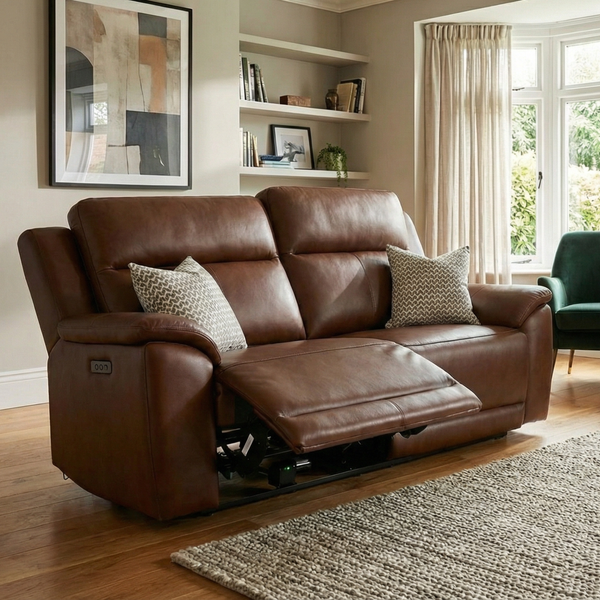
Fabric sofas offer a wider range of colours and textures, while leather develops a pleasing patina over time and is generally easier to wipe clean.
Pros and Cons of Each Material
Solid wood is long-lasting but can be susceptible to scratching and may expand or contract slightly in rooms with fluctuating humidity. Fabric upholstery is cosy and comes in endless options, but some weaves stain more easily than others. Leather is luxurious and hardwearing, though it can feel cold in winter and is prone to fading in direct sunlight. Glass and metal accents add a contemporary edge but require regular cleaning to stay looking their best.
Care and Maintenance
Whichever materials you choose, a little regular care goes a long way. Dust wooden surfaces with a soft cloth and use appropriate wood polish occasionally to maintain the finish. Vacuum fabric upholstery weekly and treat stains promptly with a fabric-safe cleaner. Condition leather every six to twelve months to prevent it from drying or cracking. Following manufacturer guidance will ensure your furniture remains in excellent condition for many years.
Furniture Layout
Even beautiful furniture, poorly arranged, can make a room feel uncomfortable and disconnected. Layout is one of the most underrated aspects of interior design.
Laying Out Your Living Room
Begin by positioning your largest piece first — usually the sofa. In most rooms, this will face or angle towards the focal point of the room, typically the television or fireplace. Avoid pushing all furniture flush against the walls, as this can make a room feel sparse and clinical. Pulling seating inward by even a small amount creates a more intimate and inviting feel.
Focal Points and Arrangements
Every well-designed living room benefits from a clear focal point. Whether it is a statement fireplace, a large window with a view, or a beautifully styled
media unit, anchor your arrangement around this feature. Arrange additional seating — armchairs,
accent chairs — so that all seats have a natural line of sight to the focal point and to one another, encouraging conversation and connection.
Balancing Open and Closed Spaces
A common mistake is filling every available surface and corner. Leaving some open floor space and breathing room between pieces makes a room feel larger and more relaxed. Use multifunctional furniture — such as ottomans with hidden storage or coffee tables with shelving — to manage clutter without adding bulk. Choosing furniture with legs rather than solid bases can also help a room feel lighter and more open.
FAQs on Living Room Furniture Buying Guide
Q1: How do I choose the right sofa size for my living room?
Measure your room carefully and ensure there is at least 90cm of clear walkway around the sofa. A standard
three-seater sofa typically measures between 180cm and 230cm in width — always check the product dimensions against your floor plan before ordering.
Q2: What is the most durable material for living room furniture?
Solid hardwoods such as oak are among the most durable options for wooden furniture. For upholstery, full-grain leather or a high-rub-count woven fabric will offer the best longevity in a busy household.
Q3: How do I mix furniture styles without the room looking mismatched?
Choose a consistent colour palette or repeated material across the different styles. Having a unifying element — such as warm wood tones or a neutral base colour — allows varied pieces to feel cohesive rather than cluttered.
Q4: Is it better to buy a furniture set or individual pieces?
Buying a matched set is easier and ensures visual consistency, but selecting individual pieces gives you greater flexibility and allows the room to evolve over time. A practical middle ground is to invest in key matching pieces (such as a sofa and armchair) and add complementary individual items around them.
Q5: When is the best time to buy living room furniture in the UK?
January sales, bank holiday weekends, and Black Friday events are typically the best times to find competitive prices on furniture in the UK. Signing up to retailer newsletters, including FW Homestores, is a great way to be notified of upcoming promotions.













Leave a comment
This site is protected by hCaptcha and the hCaptcha Privacy Policy and Terms of Service apply.