








Understanding Your Dining Needs
Purpose of the Dining Table
Frequency of Use
Types of Dining Tables

Traditional Dining Tables
Modern Dining Designs
Extending Dining Tables
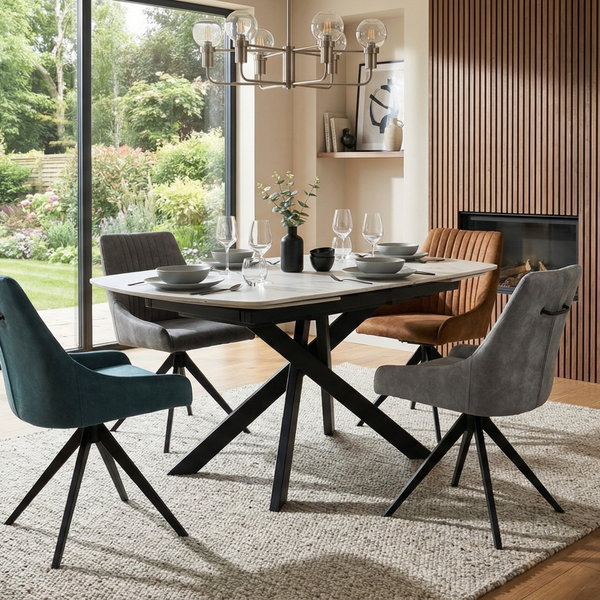
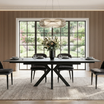
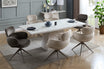
 Extending dining tables are one of the most searched-for furniture types in the UK, and for good reason. They offer the flexibility of a compact everyday table that expands when guests arrive. Whether you prefer a butterfly leaf extension, a draw-leaf mechanism, or a self-storing design, extending tables are a highly practical solution for smaller homes without sacrificing style or hospitality.
Custom Dining Tables
Rectangular vs. Round Tables
Furniture Material Selection

Wood Varieties and Finishes
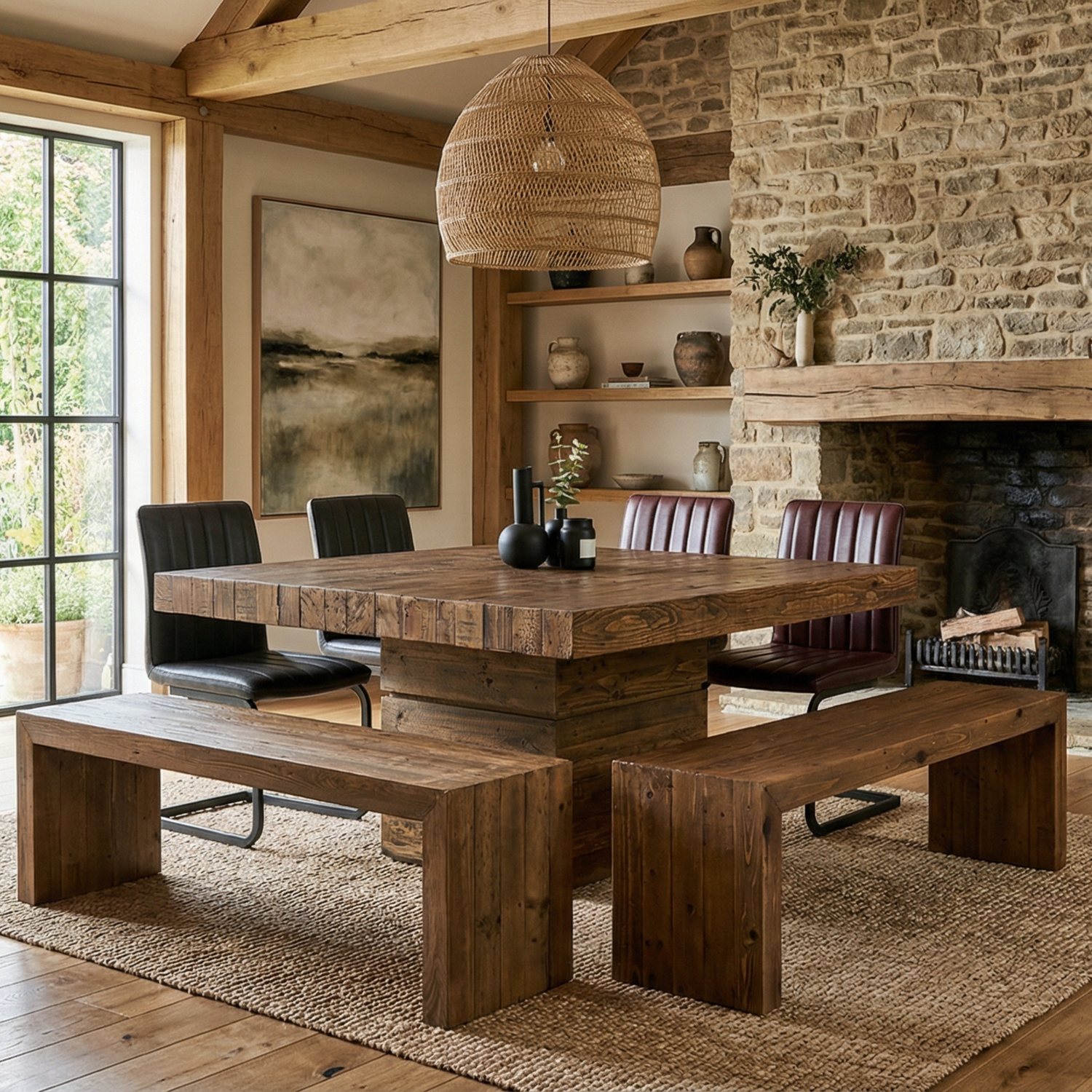
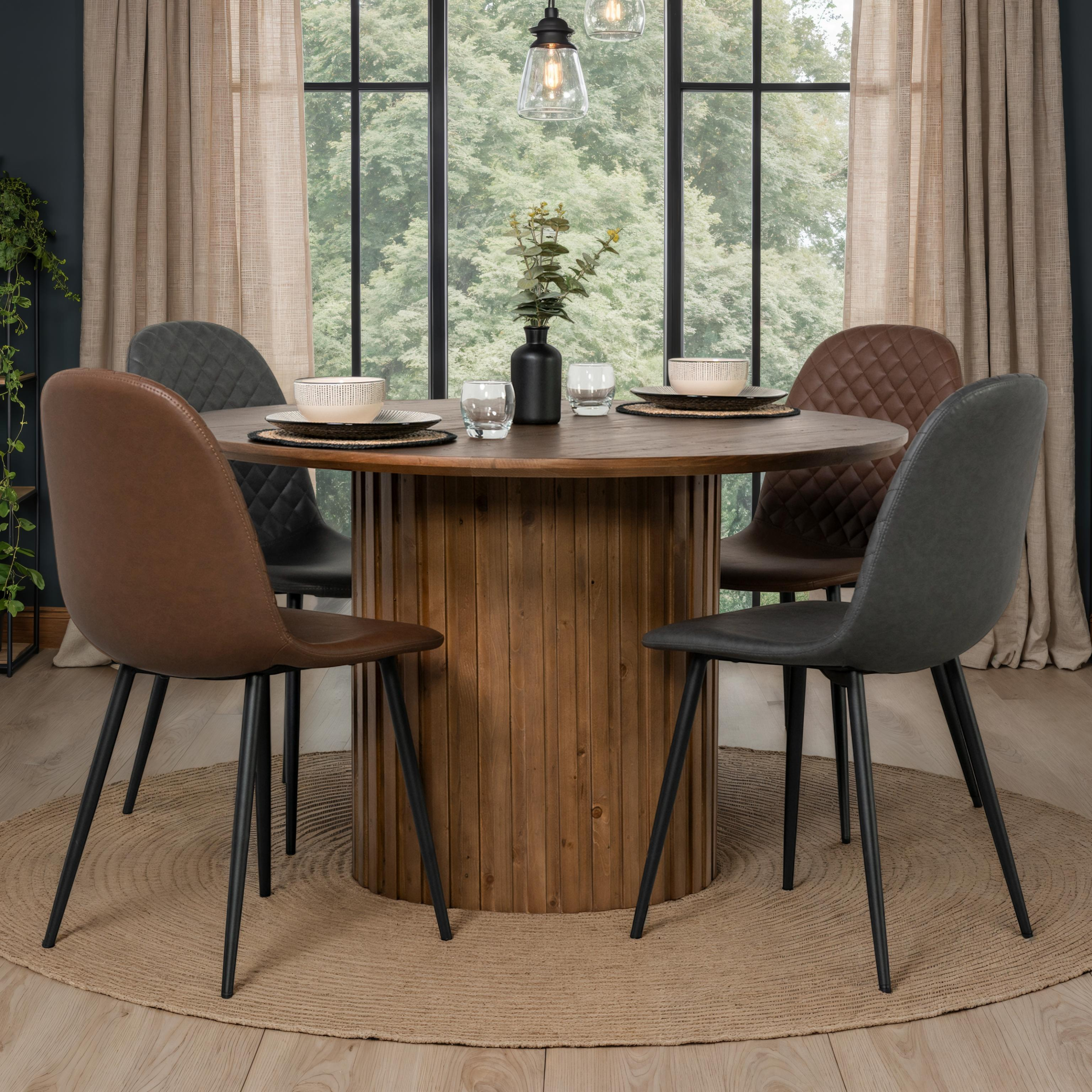
Solid wood remains the most popular furniture material for dining tables in the UK. Oak is prized for its durability and attractive grain, whilst walnut offers a richer, darker tone. Ash provides a lighter Scandinavian feel, and pine is an affordable and characterful option. Consider oiled finishes for a natural look that is easy to touch up, or lacquered finishes for a smoother, more stain-resistant surface.
Metal and Glass Options
Metal-framed tables with glass or stone tops are popular in modern dining designs. Tempered glass creates a sense of space and light, making it well-suited to smaller rooms. Powder-coated steel and brushed brass frames add an industrial or luxurious touch respectively. Bear in mind that glass surfaces show fingerprints readily and require more frequent cleaning.
Sustainable and Eco-Friendly Choices
Sustainability is an increasingly important consideration for British shoppers. Look for tables made from FSC-certified timber, reclaimed wood, or recycled materials. Many manufacturers now offer eco-conscious ranges that do not compromise on quality or aesthetics — a responsible choice that also makes for a compelling story in your home.
Dining Table Accessories

Table Linens and Centerpieces
Once the table is chosen, accessories bring it to life. Table linens — runners, placemats, and tablecloths — protect the surface and add seasonal character. A well-chosen centrepiece, whether a vase of fresh flowers, a sculptural object, or candles, anchors the table visually without cluttering it.
Lighting Considerations
Lighting is often overlooked but enormously impactful. A pendant light hung 70–90 cm above the table surface creates a warm, intimate atmosphere for dining. Adjustable dimmer switches allow you to shift from bright task lighting to softer evening ambience effortlessly.
Additional Décor Ideas
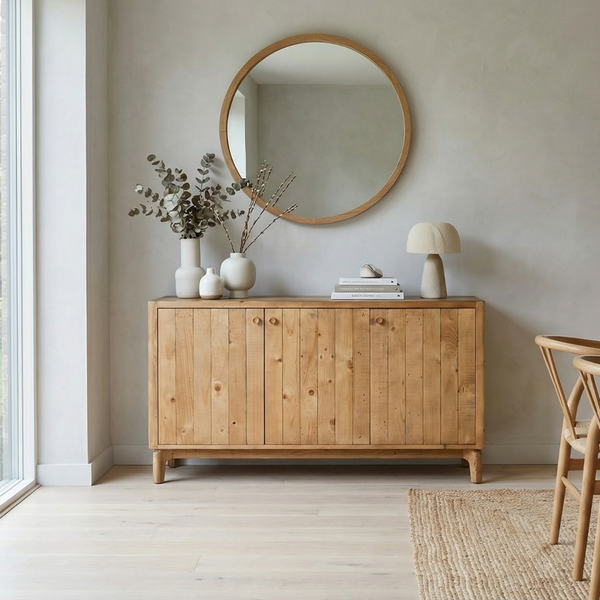
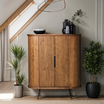
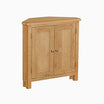
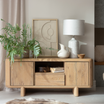
Mirrors positioned to reflect the dining area can make rooms feel larger, whilst plants and artwork personalise the space. Matching sideboards or display cabinets from the same furniture range create a cohesive, considered look.
Seating Arrangements
 Best Chair Pairings
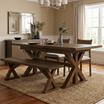
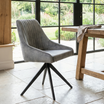
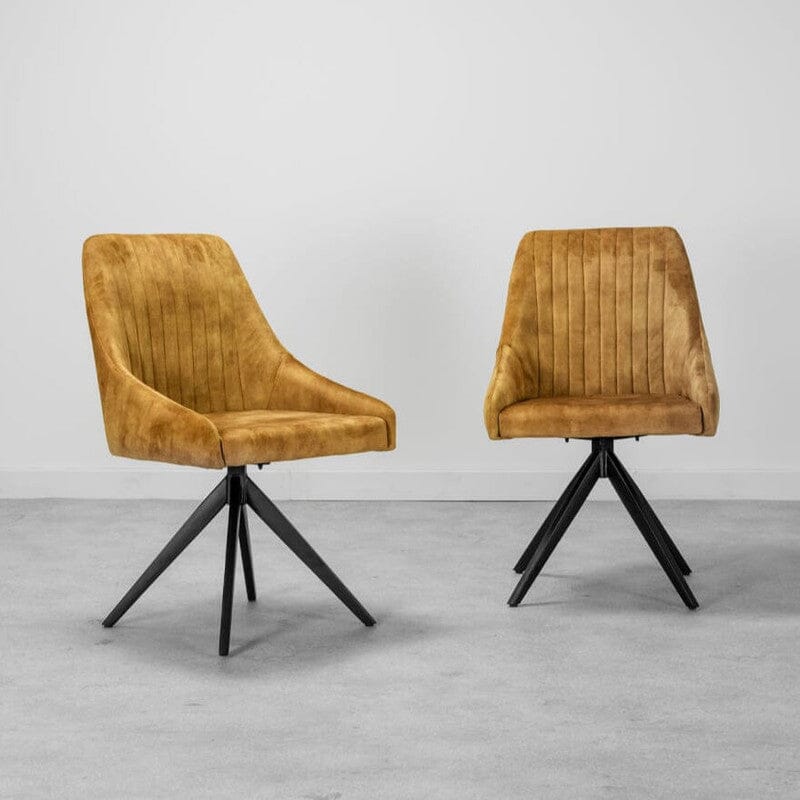
Chairs should complement the table without being identical in style, creating an intentional, curated feel. Upholstered dining chairs add comfort for longer meals, whilst wooden chairs maintain a more casual, relaxed tone. Bench seating paired with chairs on one side is both space-efficient and fashionable.
Comfort and Style Balance
Seat height should ideally sit between 44–48 cm to pair well with a standard dining table height of 75–78 cm. Always test chairs for comfort before purchasing — seat depth, back support, and armrest placement all contribute to a pleasant dining experience.
Flexibility for Guests
Stackable or folding chairs stored in a cupboard provide additional seating when needed without taking up permanent floor space. This is a practical solution for homes that regularly host larger gatherings.
Buying Considerations

Budgeting for Your Dining Table
Quality dining tables range from a few hundred pounds to several thousand. Set a realistic budget and prioritise durability — a well-made table purchased once will ultimately prove more economical than a cheaper piece replaced every few years. Many retailers offer finance options to spread the cost.
Measuring Your Space
Always measure your dining room carefully before purchasing. Note the positions of doors, radiators, and windows, and test the flow of movement around the table. Leave a minimum of 90 cm on all sides to allow chairs to be pushed back comfortably.
Where to Purchase: Online vs. In-Store
Purchasing in-store allows you to assess quality, finish, and scale in person. Shopping online, however, offers a wider selection and greater convenience. At FW Homestores, our detailed product descriptions, dimensions, and imagery are designed to give you confidence when shopping from home.
Trends for 2026

Popular Styles and Finishes
Warm, natural tones continue to dominate in 2026. Oiled oak, smoked ash, and travertine-effect surfaces are particularly sought after. Japandi-inspired designs — a blend of Japanese minimalism and Scandinavian warmth — remain extremely popular across UK homes.
Colour Palettes to Consider
Earthy, grounded palettes are trending: terracotta, sage green, warm taupe, and deep navy work beautifully as chair upholstery colours against natural wood tables. Matte black metal frames paired with light wood tops also continue to perform strongly.
Innovative Features in Dining Tables
2026 has seen a rise in tables with integrated storage, concealed extension mechanisms, and even built-in wireless charging pads. Modular dining systems that can be reconfigured for different occasions are also gaining traction amongst design-conscious buyers.
FAQs on Dining Table Buying Guide
Q1. What size dining table do I need for a family of four?
For four people, a table measuring approximately 120 cm x 75 cm is a comfortable minimum. If space allows, 140 cm in length offers a more relaxed dining experience.
Q2. Are extending dining tables worth buying?
Absolutely. Extending dining tables are ideal for UK homes where space is at a premium. They provide everyday practicality whilst offering the flexibility to seat additional guests when required.
Q3. Which is better — a solid wood or glass dining table?
This depends on your lifestyle and aesthetic preference. Solid wood is warmer, more forgiving of everyday use, and easier to repair. Glass creates a lighter, more contemporary feel but requires more upkeep to maintain a pristine appearance.
Q4. How far should a dining table be from the wall?
Allow a minimum of 90 cm between the table edge and any wall or obstruction to ensure chairs can be pulled out comfortably and guests can move freely around the table.
Q5. Can I get a dining table made to a custom size?
Yes. Many furniture manufacturers, including those working with FW Homestores, offer custom sizing options. Lead times vary, but a bespoke table ensures a perfect fit for your specific space and requirements.

Leave a comment
This site is protected by hCaptcha and the hCaptcha Privacy Policy and Terms of Service apply.